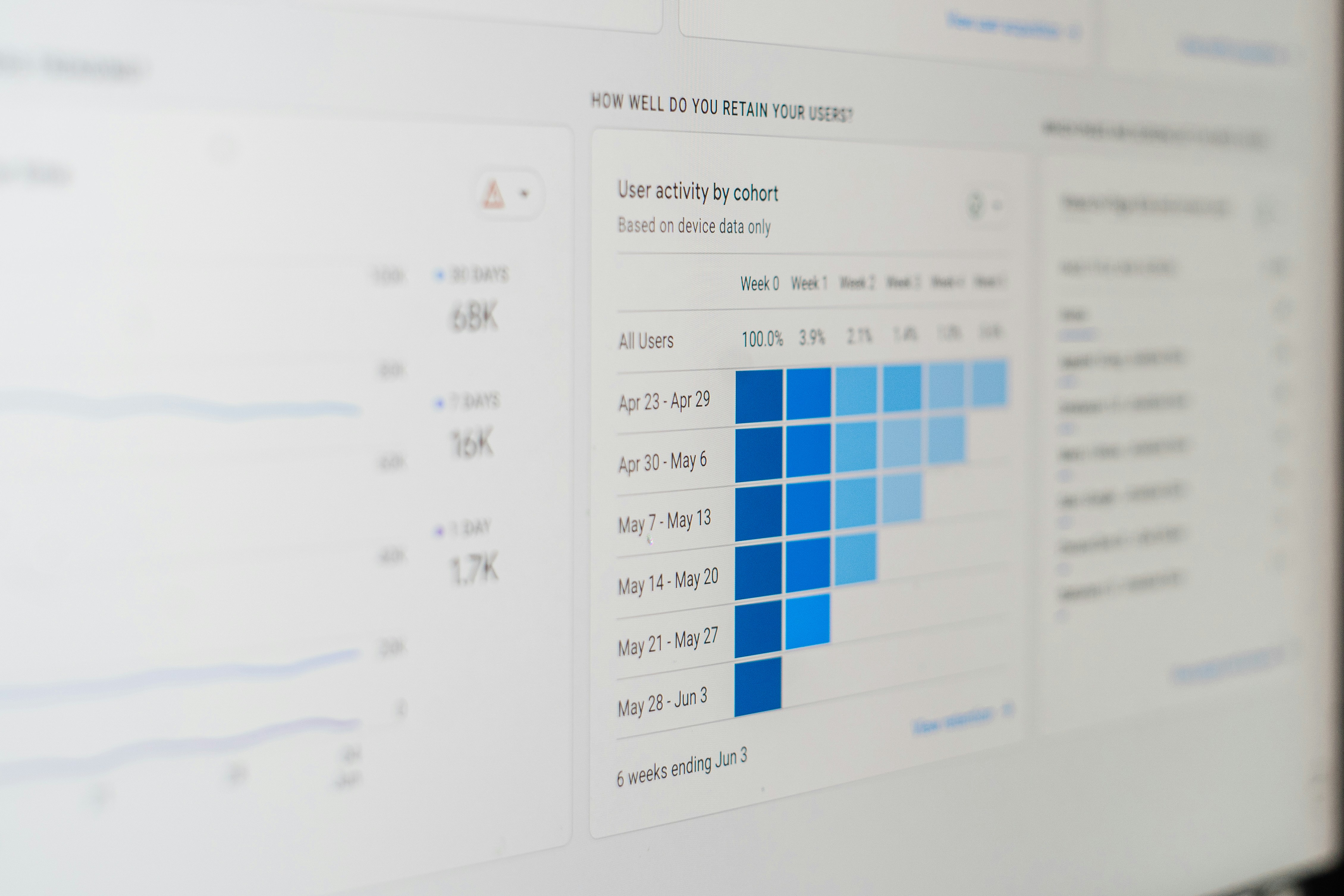
Introduction to Looker and HubSpot Integration
In today’s data-driven business landscape, organizations increasingly recognize the significance of efficient data management and analysis. Among the plethora of tools available, Looker stands out as a powerful business intelligence platform that facilitates data exploration and visualization, enabling organizations to derive meaningful insights from their data. On the other hand, HubSpot is heralded as a leading CRM platform that integrates marketing, sales, and customer service functionalities. The integration of Looker with HubSpot offers enterprises a robust solution for optimizing their operations through enhanced data connectivity.
The synergy between Looker and HubSpot allows organizations to bridge the gap between marketing and data intelligence. By integrating these platforms, businesses can enhance their decision-making processes by accessing a unified data environment. This integration empowers users to analyze customer interactions, sales performance, and marketing campaign effectiveness all in one place, leading to more informed strategies and actions. Consequently, organizations can streamline workflows, reduce manual data entry, and improve accuracy across departments.
Moreover, the integration between Looker and HubSpot equips teams with real-time insights that are essential for proactive decision-making. This bidirectional flow of data ensures that marketing and sales teams are working with the most current information, enabling them to respond quickly to changing market dynamics. Additionally, the ability to customize reports and dashboards makes it easier for organizations to identify trends and track key performance indicators (KPIs), ultimately leading to enhanced performance and growth.
Thus, the Looker and HubSpot integration represents a vital step for organizations aiming to leverage data for improved operational efficiency and effectiveness. As companies continue to adapt to the evolving digital landscape, the alignment of powerful data solutions such as Looker with comprehensive CRM systems like HubSpot will be crucial in driving sustainable business success.
Benefits of Connecting Looker with HubSpot
The integration of Looker with HubSpot presents numerous advantages that can significantly enhance the way organizations manage their data and drive business decisions. One major benefit is the provision of real-time data visibility. By synchronizing Looker’s powerful data analytics capabilities with HubSpot’s robust customer relationship management system, companies can access up-to-the-minute insights into their marketing and sales performance. This immediacy ensures that decisions are based on the latest data, fostering a more agile business environment.
Another key advantage is the improved reporting capabilities that result from this integration. Looker’s advanced data visualization tools enable users to create comprehensive reports that can detail customer interactions, sales funnel performance, and marketing campaign effectiveness. With these actionable insights, teams can identify trends and make data-driven decisions that propel business growth. Additionally, the ability to effortlessly share reports across departments ensures that all stakeholders are aligned in their efforts, thereby enhancing collaboration.
Enhancing alignment between marketing and sales teams is another critical benefit of connecting Looker with HubSpot. By centralizing data and making it readily accessible, both teams can work from the same data set, minimizing discrepancies and fostering a consistent approach to customer engagement strategies. Furthermore, this connection can lead to better customer insights. Organizations can analyze customer behaviors, preferences, and lifetime value, allowing them to tailor marketing efforts and sales strategies that resonate with their target audience.
Finally, the integration promotes increased operational efficiency. Streamlined processes reduce the time spent on manual reporting and data management tasks, allowing teams to focus on strategic initiatives instead. In conclusion, the benefits of integrating Looker with HubSpot extend beyond mere data sharing; they create a holistic ecosystem that supports informed decision-making, robust performance tracking, and enhanced customer relations.
Pre-requisites for Integration
Before initiating the integration between Looker and HubSpot, it is crucial to ensure that certain prerequisites are fulfilled to facilitate a smooth and effective connection. To begin with, having an active HubSpot account is essential. Depending on your business needs, you may choose from the various HubSpot plans, but ensuring that you have access to the API functionalities is vital for integration. This can typically be achieved with a Professional or Enterprise account.
In addition to the HubSpot account, users need to have the appropriate permissions within the account. Specifically, ensure that the user setting up the integration has Admin-level access, as they will need to manage API keys and data-sharing settings effectively. Without the proper permissions, the integration could be hindered by access restrictions that prevent data flow between platforms.
The next aspect to consider is data-sharing settings within HubSpot. Before integrating with Looker, users should configure their data privacy settings to allow Looker to fetch the necessary data. This may require adjusting settings related to user consent policies, data logging, and synchronization preferences to align with your organizational standards and compliance requirements.
Furthermore, an understanding of Looker is required, specifically concerning its data modeling capabilities. Familiarity with LookML, Looker’s modeling language, will significantly benefit users in creating accurate reports and dashboards after the integration. Lastly, it is beneficial to have any additional tools or connectors that may enhance integration capabilities, such as third-party middleware solutions that assist in connecting disparate systems. By ensuring adherence to these prerequisites, organizations can pave the way for a successful and efficient integration between Looker and HubSpot.
Step-by-Step Guide to Integrating Looker with HubSpot
Integrating Looker with HubSpot can significantly enhance your data analysis and reporting capabilities. To begin the integration process, you need to start by obtaining your HubSpot API keys. Navigate to your HubSpot account, go to ‘Settings,’ then find the ‘API Key’ section. Generate a new key, and ensure you save it securely as you will need this for Looker’s configuration.
Once you have the API key, log in to your Looker account and go to the ‘Admin’ section. Here, you will set up a new connection. Click on ‘Connections,’ and then select ‘New Connection.’ Fill in the necessary fields: for ‘Name,’ provide a descriptive title, and for ‘Dialect,’ select ‘HubSpot.’ In the ‘Connection String’ field, enter the API URL that will allow Looker to communicate with HubSpot. Ensure that you input your API key accordingly, as this is crucial for smooth data transfer.
Data connectivity can sometimes present challenges. It’s essential to troubleshoot common issues that may arise during this process. For instance, if you encounter an authentication error, double-check your API key. If the connection is still unsuccessful, review permissions within your HubSpot account to ensure that Looker has access to the required data scopes. Furthermore, verifying that your HubSpot account is set up to allow API integrations is crucial.
After establishing the connection, proceed to create and customize your Looker dashboards. Use Looker’s powerful data modeling capabilities to transform the data pulled from HubSpot into insightful visualizations. Remember to document any configurations or customizations made during the process for future reference. This systematic approach will facilitate an effective integration, enabling you to leverage HubSpot data within Looker seamlessly.
Best Practices for Data Management
Effectively managing data in Looker and HubSpot is crucial for deriving valuable insights and making informed business decisions. One of the primary best practices is ensuring data cleanliness, which involves regularly auditing your data for accuracy and consistency. Establishing a routine for data validation can help eliminate duplicates, identify incomplete records, and maintain a high level of data integrity across both systems. Implementing tools that automate data cleansing processes can significantly enhance efficiency and reliability.
Another essential practice focuses on optimization techniques for reporting. When integrating Looker with HubSpot, it is vital that the data model is designed with performance in mind. Creating calculated fields and using LookML effectively can help streamline reporting, making it simpler to generate meaningful dashboards that reflect real-time metrics. Consistently utilizing standardized naming conventions and maintaining a clear folder structure will further aid users in easily navigating the data landscape.
Additionally, maintaining data accuracy is critical for ensuring that the insights derived from Looker are indeed reflective of the actual performance of HubSpot data. Establishing clear protocols for data entry within HubSpot can minimize errors from the outset. This may involve training employees on data entry practices and employing validation rules that prevent incorrect or incomplete information from being saved. Regularly syncing data between Looker and HubSpot will also help in identifying mismatches and aligning both systems to produce coherent views of business performance.
Ultimately, adopting these best practices not only enhances the quality of data within Looker and HubSpot but also lays the groundwork for more insightful reporting and increased reliability in decision-making processes. Fostering a culture of data stewardship among employees is paramount to achieving these goals and realizing the full potential of data analytics within the organization.
Use Cases of Looker and HubSpot Integration
The integration of Looker with HubSpot opens up a myriad of possibilities for businesses seeking to enhance their data utilization. By amalgamating the advanced analytics capabilities of Looker with the comprehensive customer relationship management offered by HubSpot, organizations can achieve more informed decision-making and strategic alignment. One prominent use case involves the creation of performance dashboards, which can synthesize data from various sources. This empowers teams to visualize key performance indicators in real-time, track operational efficiency, and promptly adjust strategies based on insights gleaned from integrated data.
Another essential application lies in the enhancement of marketing campaigns. With Looker’s data visualization tools combined with HubSpot’s marketing automation features, businesses can tailor their campaigns to specific audience segments. This integration enables marketers to analyze customer interactions and content engagement metrics, supporting the development of targeted messaging that resonates effectively with potential clients. Moreover, by leveraging these insights, companies can optimize their marketing strategies, leading to improved conversion rates.
Tracking sales efficacy is yet another fundamental aspect of the Looker and HubSpot integration. Businesses can assess their sales efforts in relation to customer engagement data, allowing sales teams to identify trends, forecast revenue more accurately, and adjust their tactics based on real-time feedback. This capability facilitates not only short-term sales success but also long-term relationship building with clients.
Lastly, gaining deeper customer insights is crucial for aligning business strategies. The integration allows for the analysis of customer lifecycle stages, purchase behaviors, and preferences, which can lead to more personalized service offerings. Such insights equip organizations to make data-driven decisions that resonate with customer needs, ultimately enhancing customer satisfaction and loyalty. Through the effective combination of Looker and HubSpot, businesses are thus positioned to maximize their operational capabilities and drive growth.
Common Challenges and Solutions
Integrating Looker with HubSpot can significantly enhance data analysis and reporting capabilities; however, users often encounter several challenges during the implementation process. Addressing these common issues is essential for ensuring a seamless integration experience.
One prevalent challenge is data syncing. Users may find discrepancies between their Looker dashboards and HubSpot data. This often stems from differences in data refresh rates or misconfigured data modeling. To mitigate this issue, it is crucial to establish a clear understanding of both platforms’ data architectures. Regular synchronization and double-checking data sources can help ensure alignment. Furthermore, users should consider setting up automated data refresh intervals that coincide across both systems, reducing the chances of inconsistencies.
Another challenge arises from authentication and permissions settings. Users may experience access issues or be unable to execute specific queries due to improper permissions. To resolve this problem, it is important to review and adjust the user roles and permissions in both Looker and HubSpot. Ensuring that the necessary API keys are correctly configured is also vital for a successful connection.
Additionally, users might face performance issues, particularly when analyzing large datasets. Slow loading times or error messages during data querying can hinder productivity. A potential solution is to optimize Looker queries and leverage HubSpot’s API for efficient data retrieval. Implementing aggregate tables or simplifying complex joins can also enhance query performance, allowing for a more responsive dashboard experience.
By proactively addressing these typical challenges and employing the suggested solutions, users can navigate the integration of Looker with HubSpot more effectively, leading to improved data insights and decision-making capabilities.
Future Trends in Business Intelligence and CRM Integration
As businesses increasingly recognize the value of data-driven decision-making, the integration of business intelligence (BI) tools with customer relationship management (CRM) systems is evolving rapidly. Emerging trends such as artificial intelligence (AI), machine learning, and advanced data analytics are poised to reshape this landscape. These technologies not only streamline operations but also provide enriched insights that can inform strategic planning.
AI plays a pivotal role in transforming how CRM systems function by automating routine tasks and providing predictive insights. Through algorithms that analyze historical customer data, AI can identify patterns and trends that may not be immediately apparent to human analysts. This capability facilitates deeper integrations between BI solutions, such as Looker, and CRMs like HubSpot, enabling businesses to anticipate customer needs more accurately and tailor their strategies accordingly.
Moreover, machine learning algorithms enable CRMs to adapt and improve over time. By learning from user interactions and feedback, these systems can continually refine their models, resulting in more personalized customer experiences. For example, a combined use of Looker and HubSpot can empower businesses to not only track customer behavior but also to develop targeted marketing campaigns based on real-time data analysis.
Additionally, advancements in data analytics are crucial for effective CRM integration. Tools that offer advanced data visualization and reporting capabilities can help organizations make sense of complex datasets. Enhanced analytics allow businesses to draw actionable insights from customer interactions, resulting in improved engagement and satisfaction. As we move forward, we can expect a heightened focus on interoperability among BI and CRM platforms that will further simplify data integration processes.
In conclusion, the integration of emerging technologies into business intelligence and CRM systems will not only enhance operational efficiency but also shape the future of customer interactions. Companies that embrace these changes are likely to gain a competitive edge in the marketplace.
Contact Us for Expert Assistance
Integrating Looker with HubSpot can be a complex undertaking that may require expert guidance to ensure a smooth and efficient process. Whether you are a company looking to improve your data analytics capabilities or a marketing professional seeking to leverage HubSpot’s extensive features, our team of specialists is here to assist you. With our profound understanding of both platforms, we can provide personalized strategies tailored to your specific needs.
Our experts possess a wealth of experience in implementing Looker integrations with various systems, including HubSpot. We understand the intricacies involved in migrating data, customizing dashboards, and ensuring your reporting tools are aligned with your business objectives. By reaching out to us, you can gain invaluable insights and support aimed at enhancing your integration journey.
In today’s data-driven landscape, the ability to effectively analyze customer interactions and campaign performance plays a crucial role in achieving business success. With Looker and HubSpot integration, you can visualize your marketing data and uncover actionable insights that can improve your overall strategy. We are committed to helping you navigate this journey and maximize the value of your investment in both platforms.
If you have any questions about the process or would like to discuss your integration needs, we encourage you to reach out to us. Our dedicated team is prepared to provide the necessary assistance to ensure a successful integration. For more information or to schedule a consultation, please visit our Contact Us page. Taking the first step toward seamless Looker and HubSpot integration is just a click away.
Explore Our Services on Looker Studio Reporting
At our company, we understand the critical role that effective data reporting plays in decision-making processes. With the integration of Looker and HubSpot, businesses can harness actionable insights to drive growth and enhance operational efficiency. Our Looker Studio Reporting services are designed to help you make the most out of your analytics capabilities, ensuring that every piece of data contributes to your overall strategy.
We offer a range of services tailored to meet the diverse needs of our clients. Whether it’s developing custom reports, creating dashboards that visualize key metrics, or providing training to your team on navigating Looker, our goal is to empower you with the necessary tools to optimize your data analysis. Our experienced professionals work closely with clients to understand their unique requirements and deliver solutions that best fit their objectives.
One of the key advantages of using Looker Studio Reporting is its ability to create interactive and user-friendly dashboards that facilitate real-time data monitoring. This not only enables executives to track performance but also allows teams across various departments to access relevant reports that drive collaboration and informed decision-making. We specialize in helping businesses set up these powerful dashboards, ensuring that they are tailored to your organizational needs.
By choosing our Looker Studio Reporting services, you are investing in a partnership that prioritizes your success. We invite you to explore how our expertise can assist you in leveraging Looker’s capabilities to enhance your reporting and analytics practices. To learn more about our offerings, please visit our dedicated [Looker Studio Reporting Services](https://rggupta.com/looker-studio-reporting/) page, where you will find additional information and resources to help you embark on your data-driven journey.