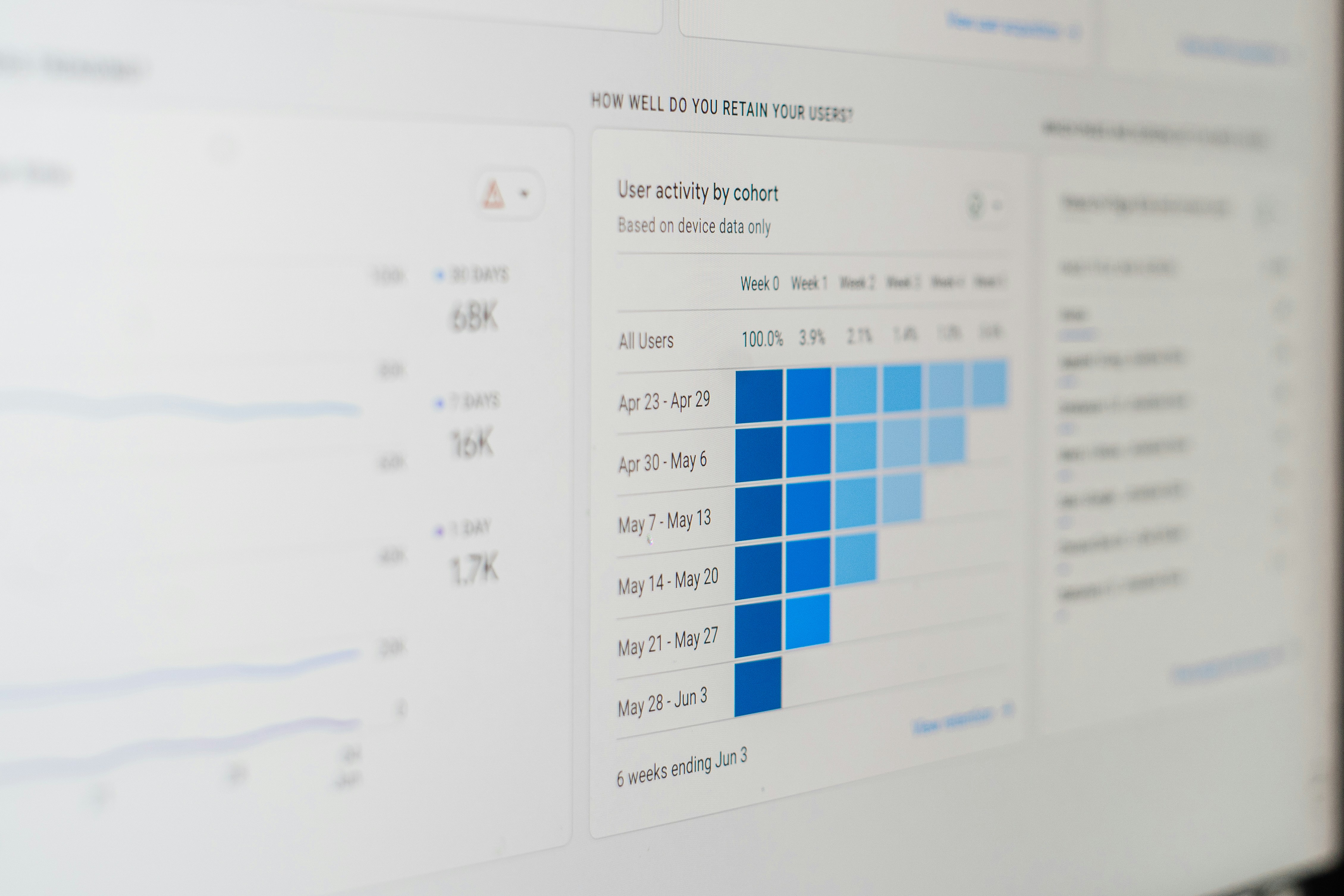
Introduction to Looker and Data Studio
In the landscape of data analysis and visualization, Looker and Data Studio stand out as powerful tools designed to meet various business intelligence needs. Both platforms enable users to explore, analyze, and visualize data effectively, yet they cater to different audiences and possess distinct functionalities that create a notable difference between Looker and Data Studio.
Looker, a part of Google Cloud, is a robust business intelligence tool that provides data modeling, exploration, and visualization capabilities. It leverages a unique modeling layer, known as LookML, which allows data analysts to define metrics, dimensions, and relationships in a way that is both scalable and reusable. This functionality positions Looker as a preferred choice for organizations requiring in-depth data analysis and custom reporting. It facilitates collaboration among teams by allowing users to create shared reports and dashboards, thus promoting a data-driven culture across the organization.
Conversely, Google Data Studio operates as a free tool primarily intended for users who seek quick and efficient data visualization solutions. With its user-friendly interface, Data Studio enables users to create interactive dashboards and reports from various data sources, including Google Sheets, Google Analytics, and BigQuery. This accessibility makes it a popular option for small to mid-sized businesses and marketing teams requiring fast insights into their performance metrics. While it may not offer the extensive data modeling capabilities of Looker, Data Studio excels in its ease of use and seamless integration with other Google services.
Understanding the difference between Looker and Data Studio is crucial for organizations when choosing the appropriate tool for their analytics needs. Each platform has its strengths, making it vital to consider the specific requirements of the business and its data strategy when deciding which tool to implement.
Key Features of Looker
Looker is a sophisticated data analytics and business intelligence tool that stands out due to its unique set of features. One of the defining aspects of Looker is its advanced analytics capabilities, which allow users to conduct complex queries and derive insights from data in real-time. This functionality makes it particularly beneficial for organizations that require immediate access to critical data insights, enabling swift and informed decision-making.
Another pivotal feature of Looker is its modeling layer, known as LookML. This layer allows data analysts and developers to define and organize data relationships within a centralized framework. By embedding business logic directly into the modeling layer, Looker reduces the redundancy that often occurs in data reports generated by other tools. Businesses can benefit from this structured modeling as it ensures consistency and accuracy across reports, facilitating clearer communication of insights derived from data.
Furthermore, Looker integrates seamlessly with a plethora of databases and data sources. This flexibility ensures that businesses can connect Looker to their existing data infrastructure without significant system overhauls. The breadth of integrations supports a wide variety of industry-standard databases such as Amazon Redshift, Google BigQuery, and Snowflake, making it adaptable to various business environments. This interoperability with different data systems strengthens the utility of Looker for organizations that seek to leverage disparate data points while minimizing silos.
In summary, the advanced analytics features, the LookML modeling layer, and extensive integration options set Looker apart from other data visualization tools, making it a compelling choice for businesses aiming to harness the full potential of their data. The difference between Looker and Data Studio becomes particularly evident as organizations consider how these features cater to their unique analytical needs.
Key Features of Data Studio
Data Studio is a powerful data visualization tool developed by Google, designed to transform raw data into interactive reports and dashboards. One of its most significant advantages is its user-friendly interface. With a drag-and-drop functionality, users can effortlessly create visual representations of their data, making the platform accessible even to those without extensive technical knowledge. This ease of use enables users to focus on deriving insights from their data rather than struggling with complex software.
Another key feature is the extensive customization options available in Data Studio. Users can tailor their reports to reflect their branding, utilizing a variety of charts, graphs, and styles to present their data compellingly. This level of personalization is particularly appealing for small businesses and individual users who seek to create reports that resonate with their audience while maintaining professionalism. Data Studio allows seamless adaptation to different reporting needs, accommodating a broad spectrum of data types and visualization preferences.
Moreover, Data Studio’s strong integration with other Google products enhances its functionality and ease of use. Since many users already employ Google Analytics, Google Sheets, and Google Ads, the capacity to connect these services within Data Studio streamlines the reporting process. This integration not only saves time but also ensures that data remains accurate and up-to-date across platforms. For users focused on straightforward data reporting needs, this seamless connection affirms Data Studio’s position as a practical tool in the landscape, setting it apart when looking at the difference between Looker and Data Studio.
Comparative Analysis: Looker vs. Data Studio
When evaluating the difference between Looker and Data Studio, several key aspects come into play including pricing models, ease of use, and scalability. Both tools serve the purpose of data visualization and analysis; however, they cater to different user needs and business scales.
In terms of pricing, Looker operates on a subscription-based model, targeted primarily at medium to large enterprises. This model typically requires a larger investment, reflecting the advanced features and capabilities it offers. Data Studio, on the other hand, is a free tool from Google, making it more accessible for smaller businesses or startups that may have limited budgets. This substantial difference in pricing can heavily influence a company’s choice depending on its financial resources and data analysis requirements.
Ease of use is another vital factor when examining the difference between Looker and Data Studio. Looker features a more complex interface and requires a certain level of technical expertise to fully utilize its capabilities. While it offers in-depth analytics and customized reporting functionalities, the learning curve can be steep for users without a strong background in data analytics. Conversely, Data Studio is designed with user-friendliness in mind. It simplifies the data visualization process, allowing users to create and share reports effortlessly, thanks to its drag-and-drop interface.
Scalability also plays a crucial role in differentiating these two tools. Looker is built to handle large amounts of data and can grow with your business’s needs, making it suitable for large organizations with complex data environments. Data Studio, while effective for smaller projects, may struggle to manage larger datasets as businesses expand. Each tool addresses specific business needs, making them suitable for different scales of operations.
Use Cases for Looker
Looker is a powerful business intelligence tool designed to handle complex data analytics and modeling tasks. It is particularly well-suited for large organizations that require deep analytical capabilities. One of the primary use cases for Looker lies in industries that deal with extensive data sets, such as finance, healthcare, retail, and technology. For these sectors, the ability to perform advanced data modeling is crucial. Looker provides robust solutions for companies looking to build custom reports and dashboards tailored to specific business needs.
Companies within the finance sector, for example, often leverage Looker to gain insights from large volumes of transactional data. By utilizing Looker’s advanced data modeling capabilities, finance teams can create intricate reports that allow them to forecast trends, identify risks, and optimize performance metrics. Similarly, in healthcare, professionals can analyze patient data across multiple sources, thus improving operational efficiency and decision-making based on comprehensive analytics.
Retail organizations also find Looker particularly beneficial for managing data from e-commerce platforms and physical stores. With the ability to integrate various data sources, Looker enables retailers to track customer behavior, inventory levels, and marketing effectiveness. This results in improved customer experiences, informed stock management, and strategic marketing initiatives.
Furthermore, technology firms using Looker can benefit from its strong capabilities in tracking product performance and user engagement metrics. Developers and data analysts can create dynamic dashboards that present real-time insights, promoting agile decision-making aligned with business objectives. Thus, when discussing the difference between Looker and Data Studio, it becomes evident that Looker excels in deep data analytics and complex modeling suited for large-scale applications.
Use Cases for Data Studio
Google Data Studio serves as an intuitive platform primarily geared towards small to medium-sized businesses and marketing teams that require immediate, visually appealing reporting solutions. The primary strength of Data Studio lies in its ease of use, allowing users with limited technical expertise to create dynamic reports without the need for complex coding or extensive training. This accessibility makes it an ideal choice for organizations that need to generate reports rapidly while minimizing the burden on their technical resources.
For marketing teams, Data Studio excels in synthesizing data from various sources, such as Google Analytics, Google Ads, and social media platforms. These teams can leverage the software to visualize marketing metrics, track campaign performance, and adjust strategies based on real-time insights. The drag-and-drop functionality allows marketers to customize dashboards and reports tailored to their specific requirements swiftly, providing a user-friendly experience conducive to agile decision-making.
Moreover, small and medium-sized businesses often face resource constraints that make detailed data analysis a challenge. Data Studio offers a cost-effective solution, as it is a free tool that integrates seamlessly with other Google services while supporting data representation from third-party platforms. This allows smaller businesses to create impactful visualizations that facilitate communication with stakeholders, aid in sales presentations, and engage in data storytelling without the need for a dedicated analytics team.
In essence, the versatility and user-centric design of Data Studio make it particularly suitable for those who prioritize straightforward implementation and an aesthetically pleasing presentation of data. By differentiating itself through these use cases, Data Studio empowers businesses to harness the potential of their data efficiently and effectively, complementing their overall analytics strategy.
Cost Considerations for Looker and Data Studio
When evaluating the difference between Looker and Data Studio, cost is a crucial factor that can significantly influence the decision-making process for businesses. Both tools offer unique pricing structures that cater to different organizational needs, but understanding these costs requires a close look at their respective pricing models and potential hidden costs.
Starting with Data Studio, it is important to note that this tool is predominantly free to use, which makes it an appealing option for businesses with limited budgets or those that are just beginning their data analytics journey. The free version provides essential features that can suit small to medium-sized companies, enabling them to create reports and dashboards without any initial investment. However, businesses should be aware that while the core features are accessible at no cost, there may be additional charges associated with the integration of third-party connectors or data sources.
On the other hand, Looker operates on a subscription-based model, where costs can significantly escalate based on the scale and complexity of usage. Looker’s pricing varies depending on the number of users and data volume, often leading to considerable investments for larger organizations or those needing more advanced capabilities. This can result in a higher total cost of ownership compared to Data Studio. Furthermore, businesses may encounter hidden costs related to training, implementation, and ongoing support, which are essential to maximizing Looker’s full potential.
Ultimately, businesses must weigh the immediate affordability of Data Studio against the robust, but pricier, offerings of Looker. Understanding these financial commitments is vital to making an informed decision that aligns with the company’s budget and strategic goals. Evaluating the long-term financial implications of using either tool will allow businesses to choose a solution that appropriately supports their data analytics needs.
User Experience and Support
When evaluating the difference between Looker and Data Studio, it is crucial to consider user experience and the support mechanisms available. Both platforms offer distinct user interfaces and experiences, which can influence the ease of use and overall satisfaction among users.
Looker is known for its robust and highly customizable interface, which may appeal to users who are looking for advanced analytics capabilities. However, this level of flexibility comes with a steeper learning curve. New users might find it challenging to navigate through the extensive features and functionalities. Comprehensive training resources and materials supplied by Looker can help alleviate some of these challenges, yet some users may still find the initial adjustment difficult. The availability of community forums and user groups can also provide additional support as users share their experiences and solutions.
On the other hand, Google Data Studio is designed with simplicity and accessibility in mind. It boasts a user-friendly interface that allows analysts and non-technical users alike to generate reports and dashboards with relative ease. Data Studio compensates for its less sophisticated analytical capabilities compared to Looker by providing extensive documentation and tutorials aimed at guiding users through the setup process and common tasks. The Google community is also very active, which enhances support options through forums and shared resources, making it easier for users to resolve issues or improve their skill set.
Ultimately, the choice between Looker and Data Studio regarding user experience and support will largely depend on the user’s specific needs, whether they prioritize deep analytics functionalities or an easy-to-learn platform. Understanding the difference between Looker and Data Studio in terms of user experience can help potential users make informed decisions that suit their organizational goals.
Conclusion: Which Tool is Right for You?
In evaluating the difference between Looker and Data Studio, it is essential to consider several factors regarding your business’s specific needs, size, and the complexity of the data you handle. Looker is known for its robust capabilities in data exploration and analytics, making it suitable for organizations that require deeper insights and the ability to handle complex data models. This tool excels in environments where data governance and collaboration across teams are vital. Its advanced features allow businesses to conduct more nuanced analyses and generate sophisticated reports.
On the other hand, Google Data Studio offers an accessible entry point for teams that may not need the extensive capabilities Looker provides. Data Studio is an excellent choice for businesses looking for straightforward data visualization and reporting tools without requiring significant technical resources. It integrates seamlessly with various data sources, allowing users to create comprehensive dashboards with relative ease. For smaller organizations or those with less intricate data requirements, Data Studio might suffice to meet their analytical needs effectively.
Ultimately, the decision between these two platforms hinges on an accurate assessment of your organization’s objectives and requirements. Consider the level of analytical rigor needed in your reports, the scale at which your team operates, and the complexity of your data environment. Conduct thorough evaluations of both tools, perhaps leveraging free trials or demos to gain hands-on experience. By understanding the difference between Looker and Data Studio and aligning the chosen solution with your operational goals, you can make a more informed choice that suits your organization’s aspirations and workflow.
Getting in Touch
For readers who seek a deeper understanding of the difference between Looker and Data Studio or require further assistance regarding their capabilities and implementations, we encourage you to reach out. The emerging landscape of data analysis tools can be complex, and personalized consultation can prove invaluable. If you have specific queries or need expert guidance, please do not hesitate to contact us.
You can easily reach our team by visiting our contact page. Here, you will find a straightforward form to submit your questions and requests, ensuring that your inquiries are directed to the appropriate team member for prompt assistance. Our aim is to provide insightful and practical solutions to help you navigate the functionalities and advantages of both platforms.
In addition to direct communication, we also offer a spectrum of services tailored to optimize your reporting using Looker, Data Studio, or both. For insights into how these tools can be effectively employed in your organization, please visit our service offerings on Looker and Data Studio here. Our services are designed to cater to diverse analytical needs, from managing large datasets to visualizing trends with ease.
Moreover, for ongoing knowledge and updates regarding Looker, Data Studio, and other related topics, consider exploring our blog. You can find valuable resources and articles by navigating to our blog page. Staying informed through our publications will further enlighten you about the differences between Looker and Data Studio, enabling more informed decisions.