Introduction to Looker Studio
Looker Studio is a leading business intelligence tool widely recognized for its ability to help organizations make informed decisions based on data analytics. This platform stands out for its unique capability to transform raw data into actionable insights, thus enabling businesses to thrive in today’s data-driven environment. One of the key features of Looker Studio is its intuitive and user-friendly interface, which allows users, regardless of their technical background, to navigate through complex datasets with ease.
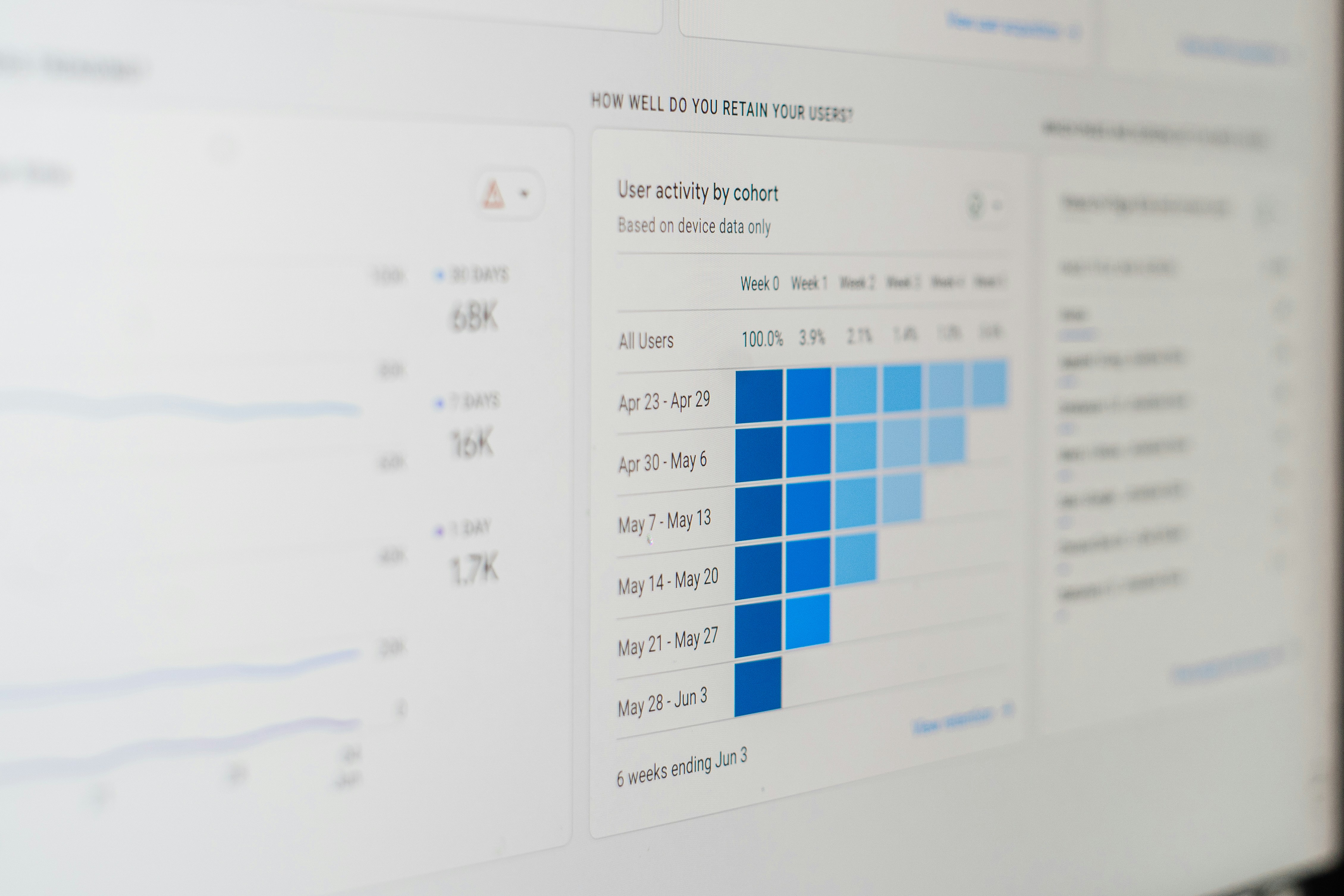
With Looker Studio, users can create interactive dashboards and reports that showcase real-time data analyses. Its powerful data modeling language, LookML, empowers users to customize their data models for greater analytical depth, making it a favorite among data analysts and executives alike. Furthermore, Looker Studio facilitates collaboration, as multiple users can work on data visualization projects simultaneously, enhancing team productivity.
This platform caters to a diverse range of users and organizations, from small businesses looking to understand their customer data better, to large enterprises that require extensive data management and analysis capabilities. By connecting Looker Studio to PostgreSQL, organizations can harness the full power of their database systems. This integration allows businesses to pull information directly from their PostgreSQL databases into Looker Studio, enabling seamless access to critical data and fostering a more comprehensive analytical environment.
As the demand for data insights grows, Looker Studio’s ability to connect with various data sources, including PostgreSQL, makes it an essential tool for organizations seeking to stay competitive. Understanding the fundamental capabilities of Looker Studio is vital for users aiming to leverage their data effectively and maximize their return on investment in business intelligence tools.
Understanding PostgreSQL
PostgreSQL is an advanced open-source relational database management system (RDBMS) renowned for its robustness, extensibility, and conformity to SQL standards. It was developed with a focus on providing a powerful, stable, and reliable solution for diverse data needs. As an advanced RDBMS, PostgreSQL supports a wide array of data types and offers sophisticated data integrity features not typically found in other systems. This makes it an ideal choice for both small and large-scale applications.
One of the primary strengths of PostgreSQL is its scalability. It can efficiently handle large volumes of data while maintaining high performance, making it suitable for varying use cases—from individual developers building small applications to large enterprises with complex data architectures. Additionally, PostgreSQL allows for horizontal scaling, meaning organizations can add more servers to manage increased loads without significant system overhaul.
Another notable feature is PostgreSQL’s support for advanced data types, including JSONB, arrays, and hstore. This flexibility allows developers to work with unstructured data effectively, further enhancing its attractiveness. Furthermore, PostgreSQL’s built-in support for various programming languages, such as PL/pgSQL, Java, and Python, facilitates easy integration with applications and the ability to create complex functions directly within the database.
In comparison to other database management systems, PostgreSQL stands out due to its emphasis on standards compliance and community-driven enhancements. Unlike some commercial offerings, its open-source nature promotes innovation, allowing users to modify and adapt the software to meet specific needs. This culture of collaboration results in a product that regularly receives updates and improvements from a global pool of contributors.
Ultimately, understanding PostgreSQL’s capabilities lays the groundwork for recognizing the advantages of connecting Looker Studio to PostgreSQL. This integration not only enhances data reporting capabilities but also leverages the database’s robustness for comprehensive data analysis.
Benefits of Connecting Looker Studio to PostgreSQL
Integrating Looker Studio with PostgreSQL offers numerous advantages that significantly enhance data management and analysis for organizations. One of the primary benefits is the ability to facilitate real-time data visualization. With Looker Studio connected to PostgreSQL, users can generate instant reports and dashboards that reflect the most current data. This real-time capability ensures that decision-makers have access to the latest insights, enabling them to respond swiftly to changing business conditions.
Furthermore, this integration improves reporting capabilities. Looker Studio is renowned for its robust reporting features, and when it connects to a PostgreSQL database, it can leverage the full spectrum of available data. Users can create sophisticated visual representations of their data, making it easier to identify trends and draw actionable conclusions. Such enhanced reporting tools empower teams to make informed decisions based on comprehensive data analysis without requiring deep technical expertise.
Another significant advantage is the scalability offered by this integration. As businesses grow, their data requirements evolve, necessitating a flexible infrastructure. PostgreSQL’s scalable nature allows organizations to handle increasing amounts of data efficiently, while Looker Studio’s versatile analytics capabilities enable users to adapt their reporting as needed. This adaptability is crucial for businesses aiming to maintain relevancy in a competitive market.
Security features are also a vital component of this connection. PostgreSQL is well-regarded for its stringent security protocols, ensuring that sensitive data remains protected. Meanwhile, Looker Studio provides additional layers of security, such as user access controls and audit logs. This combination allows businesses to manage data securely, safeguarding critical information against unauthorized access.
Lastly, the customizability of both Looker Studio and PostgreSQL allows organizations to tailor their solutions to meet specific needs. By integrating these powerful tools, businesses can optimize their analytics environment, ensuring that it is not only functional but also aligned with their strategic goals.
Prerequisites for Connection
Establishing a successful connection between Looker Studio and PostgreSQL requires careful preparation and certain prerequisites. To begin, you must ensure that you have access to a PostgreSQL server. This access is vital as it serves as the database that Looker Studio will query for data insights. The PostgreSQL server can be either a local instance or a cloud-based solution, depending on your organizational setup and requirements.
Additionally, it is essential to have the necessary permissions granted on the PostgreSQL server. Users must possess adequate privileges to connect to the database and execute queries. Typically, a user should have at least SELECT permissions on the tables from which they intend to extract data. If you’re unsure about your access level, consult your database administrator to confirm that you can establish the connection without hindrance.
Moreover, installing the required software and drivers is a critical step in the process. To connect Looker Studio to PostgreSQL, you may need to install a PostgreSQL ODBC driver or a JDBC driver depending on how Looker Studio will communicate with your PostgreSQL instance. These drivers act as intermediaries, facilitating robust communication between Looker Studio and the PostgreSQL database. Ensure you download the correct version compatible with your operating system and adhere to any specific configuration steps provided during installation.
Lastly, familiarize yourself with network settings and firewall configurations that may affect connectivity. Ensure that the server is accessible from your environment and that no firewall rules block traffic between Looker Studio and the PostgreSQL server. By fulfilling these prerequisites, you will prepare the groundwork needed for effectively connecting Looker Studio to PostgreSQL and subsequently extracting valuable insights from your data.
Step-by-Step Guide to Connect Looker Studio to PostgreSQL
Establishing a connection between Looker Studio and PostgreSQL is a systematic process that requires careful configuration and attention to detail. The following steps will guide you through the process effectively.
First, ensure that your PostgreSQL server is properly configured. You need to verify that PostgreSQL is installed and running. You can do this by using the command line or a GUI tool to check the status of your server. If the server is not running, start it using your system’s service manager. Furthermore, ensure that the necessary extensions and libraries required for Looker Studio are configured. Particularly, make sure that the PostgreSQL server is accessible remotely if you are using Looker Studio in a different environment.
Next, navigate to Looker Studio. In the interface, select the option to create a new data source. Looker Studio will display a list of various connectors; here you should find the option for PostgreSQL. Click on this to begin the connection process.
You will be prompted to enter your PostgreSQL connection details. This includes the database’s hostname, port (default is 5432), database name, user credentials, and password. It is vital to double-check these details for accuracy, as any errors could lead to connection failures. Enabling SSL is recommended for secure data transmission if your PostgreSQL server supports it.
After entering the required information, click “Authenticate”. Looker Studio will test the connection to ensure that everything is set up correctly. If successful, you will be taken to a screen where you can configure the data source settings further. Here, you can manage how data is pulled from PostgreSQL, including the selection of tables, views, or custom SQL queries.
Lastly, save the data source configuration, and you will now be able to utilize it within Looker Studio for building your reports and dashboards. Following these detailed steps will ensure a robust connection between Looker Studio and PostgreSQL, facilitating effective data analysis.
Creating Reports and Dashboards in Looker Studio
Once the connection between Looker Studio and PostgreSQL is successfully established, the next step involves harnessing this integration to create informative reports and dashboards. An efficient report serves not only to present data but also to tell a compelling story. It is essential to begin this process by selecting the right metrics that align with the objectives of your analysis. Metrics should be specific, measurable, attainable, relevant, and time-bound (SMART) to ensure clarity and actionability.
When designing your reports, consider the audience and the message you want to convey. Looker Studio offers a variety of visualizations—from bar charts and line graphs to heat maps and pie charts—that can enhance the reader’s understanding of the data. Choosing the appropriate visual representation of your PostgreSQL data is crucial; each type of visualization has its own strengths and is suited for different purposes. For instance, line graphs are ideal for illustrating trends over time, whereas bar charts are effective for comparing discrete categories.
Furthermore, report formats play a vital role in effective data presentation. Ensure that the layout is clean and intuitive, allowing users to navigate easily through the information. Utilize features such as filtering and drilling down to provide interactive elements that allow users to explore the data more thoroughly. Best practices in data storytelling also emphasize the significance of context; providing insightful annotations and legends will help clarify complex data points.
In summary, creating reports and dashboards in Looker Studio using PostgreSQL data involves a strategic approach to metrics selection, visualization types, and report formatting. By applying these principles, users can create powerful reports that not only display data but also drive actionable insights for better decision-making.
Common Issues and Troubleshooting Tips
When connecting Looker Studio to PostgreSQL, users may encounter a variety of common issues that can hinder their ability to access and visualize data effectively. Understanding these challenges is critical for determining the appropriate solutions, ensuring a seamless integration between Looker Studio and the PostgreSQL database.
One frequent problem is connection errors, which can arise from incorrect configurations or network issues. To resolve this, verify that the database host, port, and database name are accurately specified in Looker Studio. Additionally, ensure that the PostgreSQL server is running and that Looker Studio has the necessary network access to reach the server. Checking firewall settings may also help, as firewalls can sometimes block communication between Looker Studio and PostgreSQL.
Another prevalent issue involves permissions. Users need to ensure that the account being used to connect to PostgreSQL has the adequate privileges to access the required tables and data. If users encounter permission errors, they should consult with their database administrator to adjust the user roles and permissions accordingly, thus granting the necessary authorizations for a successful connection.
Data discrepancies can also occur when pulling data into Looker Studio from PostgreSQL. These discrepancies might stem from differences in data types, missing values, or erroneous mappings. To address these issues, it’s advisable to conduct a thorough data quality check within the PostgreSQL database before establishing the connection. Checking the data types in the database schema and ensuring consistency will help minimize interpretation errors in Looker Studio.
By being aware of these common issues and having the right troubleshooting strategies at hand, users can successfully connect Looker Studio to PostgreSQL, ensuring they leverage the full potential of their data in insightful visualizations. With the right preparation and knowledge, resolving these issues becomes a more manageable task.
Case Studies: Successful Integrations
In recent years, businesses across various sectors have begun to recognize the advantages of utilizing Looker Studio as a comprehensive data visualization tool in conjunction with PostgreSQL databases. The successful integration of these two platforms not only streamlines data management processes but also enhances decision-making capabilities through insightful analytics. This section will delve into notable case studies that illustrate the beneficial outcomes of this integration.
One prominent example is a mid-sized retail company that faced challenges in effectively analyzing sales and inventory data. By connecting Looker Studio to PostgreSQL, the business was able to centralize its data, which previously existed in disparate systems. The integration allowed real-time data streaming, enabling managers to access live sales metrics and inventory levels. Consequently, the company saw a 30% improvement in inventory turnover and significant cost savings as they made informed decisions based on accurate data visualizations.
Another case involved a healthcare organization struggling with patient data management and reporting. By implementing Looker Studio to connect to PostgreSQL, the organization significantly enhanced their analytics capabilities. This integration allowed for comprehensive dashboards that provided valuable insights into patient care and operational efficiency. The healthcare provider reported an increase in staff productivity, with a 25% reduction in the time spent on report generation and data analysis. This transition not only improved operational workflows but also ultimately enhanced patient care through timely decision-making.
These case studies exemplify the transformative potential of integrating Looker Studio with PostgreSQL. Businesses that have embraced this connection have reported improved efficiency and knowledge management, which leads to measurable ROI. As organizations continue to leverage data-driven strategies, integrating these powerful tools is likely to gain further traction.
Conclusion and Next Steps
Connecting Looker Studio to PostgreSQL opens a myriad of opportunities for businesses aiming to enhance their data visualization capabilities. Throughout this guide, we have explored the essential steps required for configuring this connection, from setting up your PostgreSQL database to effectively integrating it with Looker Studio. A successful connection allows users to harness the power of real-time data analytics, enabling informed decision-making based on up-to-date insights.
Ensuring a seamless connection between Looker Studio and PostgreSQL not only maximizes the value gained from these powerful tools but also improves reporting efficiency and accuracy. By following the steps outlined in this article, users can easily navigate the technical aspects of the integration while unlocking advanced analytical capabilities. Whether you are aiming to create custom dashboards or use pre-built templates, the links established between Looker Studio and PostgreSQL will support your analytical endeavors and empower your organization to achieve its data objectives.
For those looking to delve deeper into this subject, we recommend exploring additional resources that provide supplementary information on the use of Looker Studio for data analytics. Consider visiting our dedicated service page for more help with Looker Studio reporting at this link. Furthermore, our blog features content that tackles similar topics which could enhance your understanding; feel free to check it out here.
If you require personalized assistance or have further queries, we encourage you to reach out through our contact page found here. We are committed to helping you maximize your data potential through innovative solutions. Connecting Looker Studio to PostgreSQL is just the beginning of a transformative journey toward data-driven decision-making.