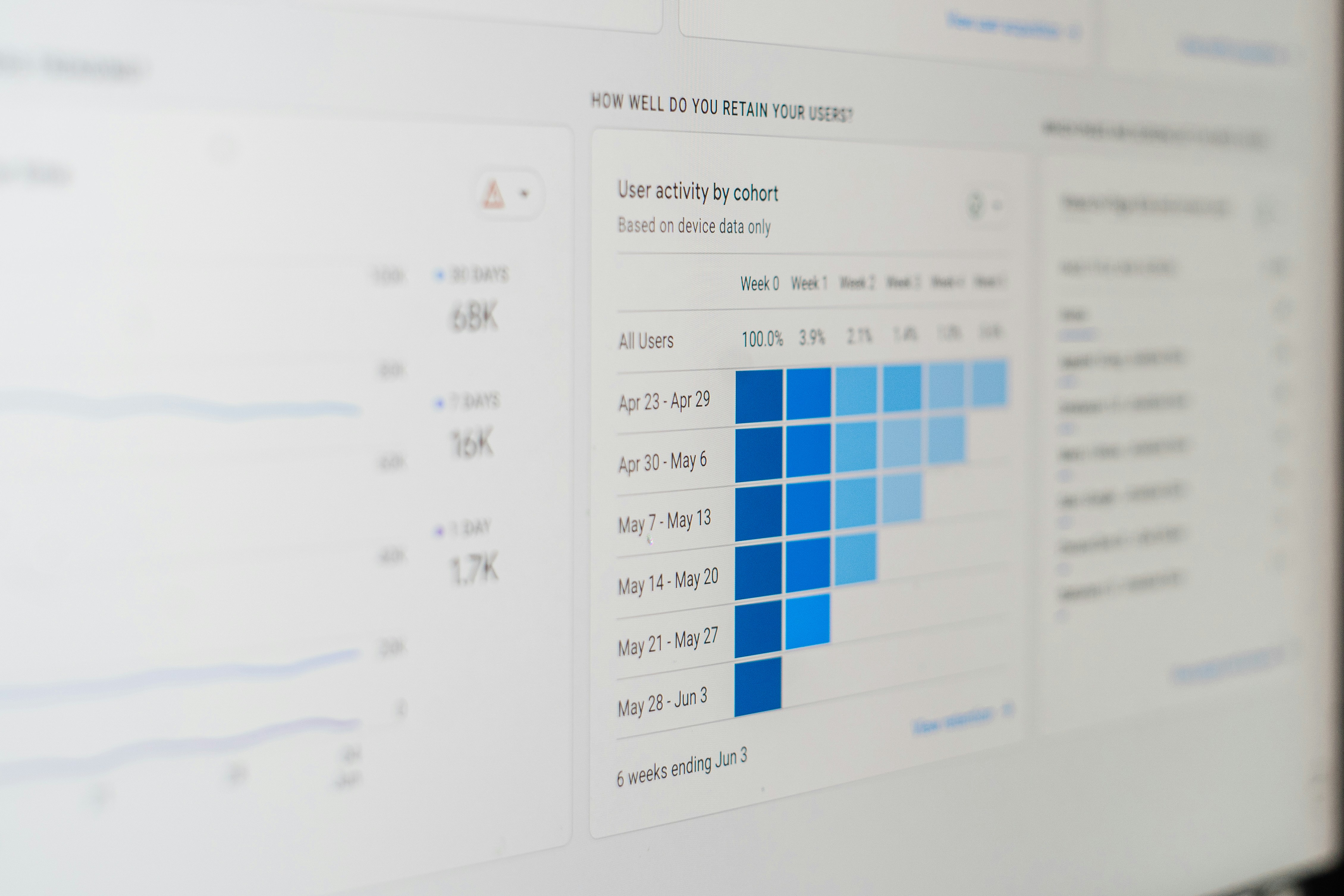
Introduction to Looker Studio
Looker Studio is an integral tool for organizations seeking to enhance their data visualization and analytics capabilities. As a cloud-based platform, it enables businesses to interact with their data in real-time, empowering them to derive actionable insights from their datasets. The importance of Looker Studio lies in its ability to simplify complex data interpretations through visually appealing and interactive formats, which significantly aids decision-making processes.
The core functionalities of Looker Studio encompass a wide range of analytical tools. These features allow users to create a variety of data visualizations, such as charts, graphs, and dashboards, that can be easily customized to meet specific business needs. By providing an intuitive interface, Looker Studio results in a user-friendly experience, allowing stakeholders at all levels to engage with data effortlessly. This accessibility ensures that data-driven decisions can be made swiftly, enhancing overall organizational performance.
Another significant aspect of Looker Studio is its versatility in connecting to various data sources, including SQL databases, BigQuery, and even third-party applications. This flexibility facilitates the integration of diverse datasets, which provides a comprehensive view for analysis. As businesses continually accumulate vast amounts of data, the need for an efficient solution like Looker Studio becomes paramount. The platform’s robust capabilities not only streamline the data visualization process but also enable collaborative efforts across teams. By using Looker Studio, companies can foster a data-driven culture, where insights are shared and leveraged to drive strategic initiatives.
In conclusion, Looker Studio stands as a pivotal tool in the modern analytics landscape. Its emphasis on usability, connectivity, and visualization equips businesses with the necessary tools to transform raw data into meaningful insights that inform critical decisions.
Why Choose Looker Studio?
In today’s data-driven world, the selection of an effective data reporting tool is paramount for businesses aiming to derive actionable insights from their data. Looker Studio stands out among competitors for several notable reasons. One of the most compelling advantages of Looker Studio is its user-friendly interface, which facilitates ease of use for both technical and non-technical users. This feature ensures that teams can quickly adopt the platform without extensive training, enabling organizations to maximize their data insights from the outset.
Another significant benefit of Looker Studio is its robust data integration capabilities. The platform allows users to connect seamlessly with a multitude of data sources, ranging from traditional databases to cloud storage solutions. This flexibility empowers users to aggregate and analyze data from various origins, providing a comprehensive view of business metrics. As organizations scale, the ability to incorporate and manage diverse data sources becomes crucial, positioning Looker Studio as a scalable option that grows with the business needs.
Customizability is yet another distinguishing feature of Looker Studio. Users can design personalized dashboards to reflect key performance indicators and metrics that matter most to their specific business context. Such tailored visualizations help teams focus on pertinent data, enhancing decision-making processes. Moreover, Looker Studio’s visualization tools offer various formats, ensuring that stakeholders at all levels can comprehend data effectively, regardless of their technical expertise. Overall, these advantages highlight why Looker Studio is a preferred choice for organizations seeking to enhance their data reporting capabilities. By choosing Looker Studio, businesses are equipped with a powerful and flexible reporting solution that meets the demands of modern analytics.
Key Features of Looker Studio
Looker Studio is a powerful analytics platform designed to enable users to extract meaningful insights from their data quickly and effectively. One of its foremost features is real-time data analytics, which allows users to connect to various data sources and visualize changes as they occur. For instance, businesses can monitor sales performance or website traffic in real time, facilitating prompt decision-making based on the most current information available.
Another notable aspect of Looker Studio is its collaboration tools. The platform supports team-based projects, allowing multiple users to interact with the data and share insights seamlessly. Through shared dashboards and reports, users can work together in assessing data trends and performance metrics, optimizing their strategies by leveraging collective input. The ease of collaboration fosters an environment where insights are quickly disseminated, reducing the time taken to derive actionable conclusions.
Furthermore, Looker Studio offers extensive visualization options that enhance data interpretation. Users can choose from a variety of charts, graphs, and dashboards to present their data in a meaningful way. Whether it’s a simple bar chart or a complex heat map, these visual aids substantially simplify the analysis process. For example, marketers can utilize these visualization features to identify customer patterns, improving their targeting strategies and ultimately increasing engagement and conversions.
Additionally, Looker Studio’s flexibility allows organizations from various sectors to customize their analytics and reports according to specific needs. By integrating diverse data sources, users can create tailored dashboards that reflect specific business objectives. This adaptability, paired with robust analytical capabilities, positions Looker Studio as a comprehensive tool for businesses aiming to harness the power of data-driven decision-making effectively.
Setting Up Looker Studio
Embarking on the Looker Studio Qwik Start Solution requires a straightforward setup process that ensures users can efficiently begin leveraging the platform’s capabilities. To optimize your experience, it is essential first to create an account on Looker Studio. Navigate to the official website, where you’ll find an option to sign up. If you’re already using Google services, you can simplify the process by logging in with your Google account, which also facilitates a seamless connection with numerous data sources.
After account creation, familiarize yourself with the Looker Studio interface. The dashboard presents various tools and functionalities that are key to navigating and utilizing the platform effectively. On the left side, you will encounter a menu that allows you to access reports, explore datasets, and manage users. The main area will present your active projects and reports. Take time to explore these sections to gain a comprehensive understanding of the user interface; this will prove beneficial as you develop your data analytics skills within Looker Studio.
Integration with different data sources is a pivotal aspect of utilizing Looker Studio efficiently. The platform supports various options such as Google Sheets, BigQuery, and other third-party databases. To connect to a data source, select “Create” from the main navigation, then choose “Data Source.” From here, you can select your desired connector and follow the prompts to authenticate the connection. When integrating these data sources, it is advisable to pay attention to the data schema and ensure that you properly configure the fields, as this will enhance the accuracy and efficacy of your visualizations.
By following these steps, you set a solid foundation for your Looker Studio journey. Ensuring an organized setup not only streamlines your experience but also paves the way for effective data analysis, which aligns with the Looker Studio Qwik Start Solution framework.
Creating Your First Dashboard
Creating a dashboard in Looker Studio is an empowering process that allows users to visualize data interactively. To begin this journey, first ensure you have access to the Looker Studio platform. Once logged in, the initial step is to select a data source. Looker Studio supports a variety of data connectors, including Google Sheets, BigQuery, and other databases through connectors. Navigating to the “Create” button will allow you to choose your desired data source, which is a critical step in leveraging the Looker Studio Qwik Start Solution.
After successfully connecting to your data, you will be directed to the dashboard interface where you can start adding different components. Begin by selecting “Add a Chart” from the menu options. Looker Studio provides various chart types, including bar charts, line graphs, pie charts, and tables. Consider the nature of your data and what insights you want to present when choosing your chart type. For example, if you want to track metrics over time, a line graph may be ideal. Keep in mind that your choice of visual representation significantly impacts data interpretation.
As you add charts to your dashboard, it is important to customize each element to enhance the visual appeal and clarity of information. Looker Studio enables users to modify chart colors, labels, and legends easily. Additionally, the platform offers the function to add filters and controls to allow viewers to interact with the data, contributing to a more dynamic user experience. Once you have configured the charts and layout to suit your preferences, reviewing your dashboard for readability and message clarity is advisable.
After refining your dashboard, you can save and share your creation with others or publish it for broader access. Following these steps to create your first dashboard in Looker Studio will set a solid foundation for utilizing the Qwik Start Solution effectively, simplifying the process of data storytelling. It is an excellent way to harness the full potential of your datasets by transforming them into actionable insights.
Exploring Data Sources
Looker Studio offers a versatile platform for data visualization by allowing users to connect a variety of data sources effortlessly. Among the most commonly utilized sources is Google Sheets, which enables users to import data directly from spreadsheets. This integration facilitates seamless updates, as changes made in Google Sheets automatically reflect in Looker Studio, ensuring that the reports display the most current data. Another popular data source is Google Analytics, which provides valuable insights into web traffic and user behavior. Through this integration, businesses can create reports that analyze key performance indicators, helping them make informed decisions based on user engagement trends.
Moreover, Looker Studio supports connections to SQL databases such as MySQL, PostgreSQL, and BigQuery. These databases cater to organizations that require advanced data management and custom queries to extract the necessary information for reporting. By leveraging SQL, users can perform complex data manipulations and create tailored datasets, thereby enhancing the depth and specificity of their analyses.
To ensure that the data visualizations in Looker Studio are effective, it is crucial to manage and clean the data appropriately. Data cleansing involves removing duplicates, correcting inconsistencies, and filtering out irrelevant entries. This process leads to the creation of a reliable dataset that enhances the quality of reports. Additionally, Looker Studio provides features that allow users to transform and customize the data according to their analytical needs. This ensures that users have access to meaningful insights rather than overwhelming numbers.
Ultimately, understanding the various data sources available and how to manage them is fundamental in harnessing the full potential of Looker Studio. By effectively utilizing these resources, users can create impactful reports that drive decision-making and support business success.
Sharing and Collaborating on Reports
Effective collaboration and sharing of dashboards are vital aspects of using Looker Studio, especially when teams need to work on data-driven projects. Looker Studio provides multiple options to share reports with team members and stakeholders, making it easier for organizations to leverage data collectively. Users can share dashboards directly via email or generate shareable links that allow access to various accounts.
One of the standout features is the ability to comment on dashboards. This collaboration tool enables users to engage directly with the data by leaving comments or feedback, thereby facilitating discussions around specific data points or findings. Users can tag team members in their comments, ensuring that relevant stakeholders are part of the conversation. This feature not only improves communication but also helps in addressing queries or suggestions effectively.
Another important aspect is the notification system. Looker Studio allows users to set up email notifications for updates on reports, ensuring that all relevant parties are kept informed about any changes made to the dashboards. This includes alerts for data refreshes or whenever the report is updated. Such a system is essential in maintaining awareness and keeping teams aligned on objectives and insights drawn from the data.
Additionally, users have control over permissions when sharing dashboards. Looker Studio provides various levels of access, allowing users to determine who can view, comment, or edit reports. By setting these permissions, users can protect sensitive information while still fostering a collaborative working environment. This ensures that stakeholders can access the information they need without compromising data integrity and security.
Through these collaboration features, the Looker Studio Qwik Start solution not only simplifies the process of data sharing but also enhances team collaboration and decision-making within organizations.
Troubleshooting Common Issues
As users embark on their journey with Looker Studio, they may encounter various challenges. Addressing these issues promptly is essential to ensure a smooth experience with this powerful data visualization tool. In this section, we will explore some common obstacles users face and provide effective solutions.
One prevalent issue pertains to data connections. Users may find difficulty connecting their data sources to Looker Studio, leading to incomplete or incorrect visualizations. To troubleshoot this, ensure that the data source is properly configured and that the necessary permissions are granted. Additionally, check for any network-related issues that may cause connectivity problems. If the issue persists, consider reviewing the documentation for your specific data source or reaching out to support for assistance.
Another common challenge involves visualizations. Users may struggle to represent their data effectively, resulting in unclear or misleading charts. To overcome this, start by reviewing the settings on your visual elements to ensure they are appropriate for the data being used. Utilize Looker Studio’s built-in templates and best practices for visualization to align your charts with industry standards. Remember that clarity is key; always strive for simplicity and accuracy in your visual outputs.
Sharing settings can also pose challenges for users. In some cases, even if a report is created meticulously, users may find that the intended audience cannot access it. Verify the sharing permissions within Looker Studio to ascertain that they are set correctly. Consider using team folders for organization and ease of access, enabling collaboration without compromising data integrity.
By addressing these common issues proactively, users can navigate Looker Studio with confidence, leveraging its qwik start solution to maximize data insights and enhance collaborative efforts.
Getting Support and Further Learning
As users embark on their journey with Looker Studio, they may find themselves in need of additional support or further learning to enhance their experience. Fortunately, a variety of resources are available to assist with this process. The Looker Studio support pages are an excellent starting point, providing comprehensive documentation that covers everything from installation to advanced user techniques. Here, users can find step-by-step guides, troubleshooting tips, and video tutorials to aid in navigating the platform.
In addition to the official support materials, users are encouraged to explore the FAQs section, which addresses common queries and challenges that individuals typically encounter. This resource is particularly valuable for new users who may require immediate answers without the need to contact support directly. The FAQ section is designed to be user-friendly, giving quick access to essential information that can help streamline the onboarding process.
For those seeking a community of like-minded individuals, various online forums and user groups exist where users can exchange ideas, share experiences, and ask questions. Engaging with these communities not only facilitates knowledge sharing but also fosters networking opportunities, which can be beneficial for professional growth and development. Participating in discussions on platforms such as Reddit or specialized user groups can enhance one’s understanding of Looker Studio, offering insights that might not be covered in traditional learning materials.
Lastly, should users encounter specific issues or require tailored assistance, visiting the contact page on the Looker Studio website is highly recommended. This page provides access to personalized support options, ensuring that users can obtain the help they need to make the most of the Looker Studio Qwik Start Solution. By leveraging these resources, users can confidently progress in their learning journey, gaining proficiency in utilizing Looker Studio effectively.