Introduction to Looker Studio and Arbona Facebook Ads Library
In today’s rapidly evolving digital landscape, businesses are increasingly turning to data to guide their advertising strategies. Two notable tools in this realm are Looker Studio and the Arbona Facebook Ads Library. Looker Studio is a powerful data visualization and business intelligence tool that allows organizations to explore, analyze, and visualize their advertising data effectively. By providing a robust platform for reporting and dashboarding, Looker Studio enables marketers to make informed decisions based on comprehensive insights.
On the other hand, the Arbona Facebook Ads Library serves as an extensive repository of ads running on Facebook’s platforms. This tool offers users a transparent view into the advertising practices of competitors and the industry at large. By analyzing the various ad formats, audiences targeted, and messaging employed, businesses can glean valuable insights that inform their own advertising strategies. Together, Looker Studio and the Arbona Facebook Ads Library empower marketers to focus on performance metrics and optimize campaigns in a data-driven manner.
The integration of these tools into a cohesive advertising strategy emphasizes the necessity of understanding consumer behavior and market trends. In a competitive environment, the ability to analyze and interpret data quickly is essential. Advertisers can foster a deeper connection with their target audiences by leveraging the insights obtained from Looker Studio and the Arbona Facebook Ads Library. Data-driven decision-making plays a pivotal role in identifying what works and what needs improvement, ultimately leading to more effective advertising campaigns. The continuous evaluation of performance metrics will provide businesses with a competitive edge in delivering tailored advertising solutions that resonate with their audience.
Understanding Looker Studio: Features and Benefits
Looker Studio is a powerful data visualization and reporting tool designed to help marketers and data analysts gain valuable insights from their data. As businesses increasingly rely on data-driven decision-making, Looker Studio emerges as an essential instrument that simplifies data analysis and presentation. One of its key features is the ability to connect to various data sources, allowing users to pull together data from multiple platforms such as databases, spreadsheets, and even cloud services. This flexibility ensures that users can have a comprehensive view of their marketing performance across all channels.
Another significant benefit of Looker Studio is its user-friendly interface, which caters to both technical and non-technical users. The drag-and-drop functionality allows users to create custom dashboards and reports without needing extensive coding skills. This feature is crucial for marketers who desire a quick turnaround on information without being heavily dependent on IT departments. The wide array of visualization options, including charts, graphs, and maps, enables users to present their data in visually appealing manners that make complex datasets more accessible and easier to comprehend.
Moreover, Looker Studio supports collaboration among team members. Users can share reports and dashboards seamlessly, facilitating real-time updates and discussions. This collaborative aspect enhances the decision-making process, as stakeholders can access the most up-to-date insights and trends together. Additionally, Looker Studio’s ability to automate data refreshes ensures that reports reflect the latest information, improving the accuracy of insights derived from the data.
Ultimately, by leveraging the features and benefits of Looker Studio, marketers can transform raw data into actionable insights. This transformation not only enhances reporting processes but also enables a more strategic approach to advertising and marketing initiatives.
Exploring the Arbona Facebook Ads Library
The Arbona Facebook Ads Library is a comprehensive tool that provides marketers with detailed insights into the advertising landscape on Facebook. This library serves as a centralized repository where users can access and analyze advertisements that are currently running across the platform. By utilizing the Arbona Facebook Ads Library, individuals or businesses can uncover trends, successful campaign elements, and competitor strategies, all of which are critical for optimizing their own advertising efforts.
Functionally, the library operates as a search engine for ads. Users can search by keywords, advertiser names, or specific demographic targeting criteria. This capability allows for a nuanced understanding of how different ads perform, revealing valuable information about content style, engagement rates, and audience targeting. Essentially, the Arbona Facebook Ads Library is designed to help marketers decode what makes certain advertisements more successful than others, providing transparency at a level that enhances advertising expertise.
The insights garnered from this resource can be applied in real-world advertising campaigns. For instance, a company seeking to improve its own ads can look at what type of messages resonate well with their target demographic by examining high-performing ads within the library. Furthermore, analyzing competitor ads can highlight effective calls to action, creative strategies, and audience engagement tactics. As the landscape of online advertising continues to evolve, the Arbona Facebook Ads Library remains an indispensable component in understanding and leveraging advertising insights, leading to informed decision-making and enhanced advertising strategies.
Integrating Looker Studio with Arbona Facebook Ads Library
The integration of Looker Studio with the Arbona Facebook Ads Library is a streamlined process that enhances the capabilities for reporting and analysis of advertising data. To begin the integration, users must first ensure that they have an active account with both Looker Studio and Arbona. Once the accounts are set up, the next step is to access the Looker Studio interface, where data integration functionalities are centralized.
Within Looker Studio, users can start by navigating to the ‘Data Sources’ section. Here, they will select the option to create a new data source. A list of connectors will appear, among which is the option for the Arbona Facebook Ads Library. Selecting this option prompts users to log into their Arbona account, authorizing Looker Studio to access the advertising data. This authorization is a critical step as it allows for the retrieval of campaign performance metrics directly from the Arbona platform.
Once the integration is established, users can craft customized reports by pulling relevant metrics such as ad engagement, impressions, and conversion rates from their Facebook advertising campaigns. Looker Studio’s intuitive interface enables the creation of visually appealing dashboards using graphs, charts, and tables. This visualization helps stakeholders gain insights into their advertising performance, facilitating data-driven decision-making.
Moreover, the responsive nature of Looker Studio allows for real-time data updates, ensuring that reports reflect the most current information. This feature is particularly valuable for advertisers who need to track campaigns closely and make adjustments based on performance metrics. By aligning the data from Arbona’s Facebook Ads Library with Looker Studio’s analytical tools, users can unlock deeper insights into their advertising strategies, thus optimizing their overall marketing efforts.
Case Studies: Success Stories Using Looker Studio and Arbona
In the rapidly evolving world of digital marketing, the integration of tools like Looker Studio and the Arbona Facebook Ads Library has proven transformative for many businesses. These case studies showcase how various organizations have effectively leveraged these platforms to enhance their advertising outcomes.
One exemplary case is of a mid-sized e-commerce business specializing in outdoor gear. By utilizing Looker Studio, they consolidated their advertising data, allowing for comprehensive analysis across multiple channels. Coupled with insights from the Arbona Facebook Ads Library, they were able to identify high-performing ad creatives and audience demographics. This data-driven approach led to a 40% increase in return on ad spend (ROAS) within just six months. Specifically, the insights garnered guided their content strategy, enabling them to tailor ads that resonate more with their target audience.
Another notable success story is that of a SaaS company that aimed to boost lead generation through Facebook advertising. They utilized Looker Studio to create detailed dashboards that visualized their KPIs in real time. By analyzing the performance data through the Arbona Facebook Ads Library, they discovered underperforming ads and optimized their targeting. This resulted in a substantial 50% increase in the number of qualified leads and a significant reduction in cost per acquisition (CPA).
Lastly, a non-profit organization looking to increase awareness and donations turned to these tools to refine their messaging. By analyzing historical data in Looker Studio and comparing it with relevant trends from the Arbona Facebook Ads Library, they crafted a targeted campaign that led to a 30% uptick in online donations. The actionable insights obtained allowed them to focus their advertising efforts on high-impact segments, proving that informed strategies can drive philanthropy.
These case studies illustrate the power of harnessing advertising insights through Looker Studio and Arbona, inspiring businesses to adopt a data-first mindset for their campaigns.
Building Effective Reports with Looker Studio
Crafting compelling reports using Looker Studio requires a comprehensive understanding of the platform’s features and capabilities. One of the fundamental steps in this process is the selection of relevant metrics that not only reflect the performance of advertising campaigns but also resonate with the objectives of stakeholders. Identifying key performance indicators (KPIs) that align with the overall strategy is crucial. For instance, while metrics such as click-through rates and conversion rates are essential, equally important are engagement metrics that help illustrate audience interaction with the advertisements.
Once the relevant metrics have been determined, effective data visualization plays a vital role in enhancing report readability and comprehension. Looker Studio offers a variety of visualization options, including charts, graphs, and tables, which can be customized to effectively communicate complex data. It is advisable to opt for visuals that facilitate quick insights; for example, line graphs can effectively demonstrate trends over time, while bar charts can compare different campaigns or ads side by side. By thoughtfully choosing the right visual representations, one can ensure that the report conveys the intended message clearly.
Furthermore, tailoring reports for specific audiences is a best practice that should not be overlooked. Different stakeholders may prioritize various aspects of performance; for instance, a marketing manager may be more interested in ROI, while a creative team may focus on ad engagement metrics. Customization allows for the inclusion of audience-specific insights, thereby making reports more relevant and impactful. Consistent formatting and clear labeling of visuals and metrics enhance user experience and foster better decision-making. By integrating these best practices, one can maximize the effectiveness of reports generated through Looker Studio, ensuring that insights garnered from the Arbona Facebook Ads Library are presented in a meaningful and actionable manner.
Key Metrics to Monitor in Facebook Advertising
In the realm of Facebook advertising, monitoring key performance indicators (KPIs) is essential for determining the success of campaigns. Knowing which metrics to focus on allows advertisers to refine their strategies, allocate budgets wisely, and ultimately achieve better results. One primary KPI is the Click-Through Rate (CTR), which indicates the effectiveness of ad content in driving traffic. A higher CTR suggests that the advertisement resonates with the target audience, which can lead to increased conversions.
Another important metric is the Cost Per Click (CPC), which measures the amount spent on each click generated by the ad. By analyzing CPC, advertisers can assess the efficiency of their spending. If the CPC is too high, it may signal the need for ad optimization or audience reevaluation to ensure a better return on investment (ROI). Conversely, a lower CPC could indicate that the ad is compelling and effectively reaching its intended audience.
Additionally, Conversion Rate is a critical metric that complements CTR and CPC. This measurement reflects the percentage of users who complete the desired action after clicking the ad, such as making a purchase or filling out a form. A strong conversion rate indicates that the landing page aligns well with the ad’s messaging, enhancing overall campaign effectiveness.
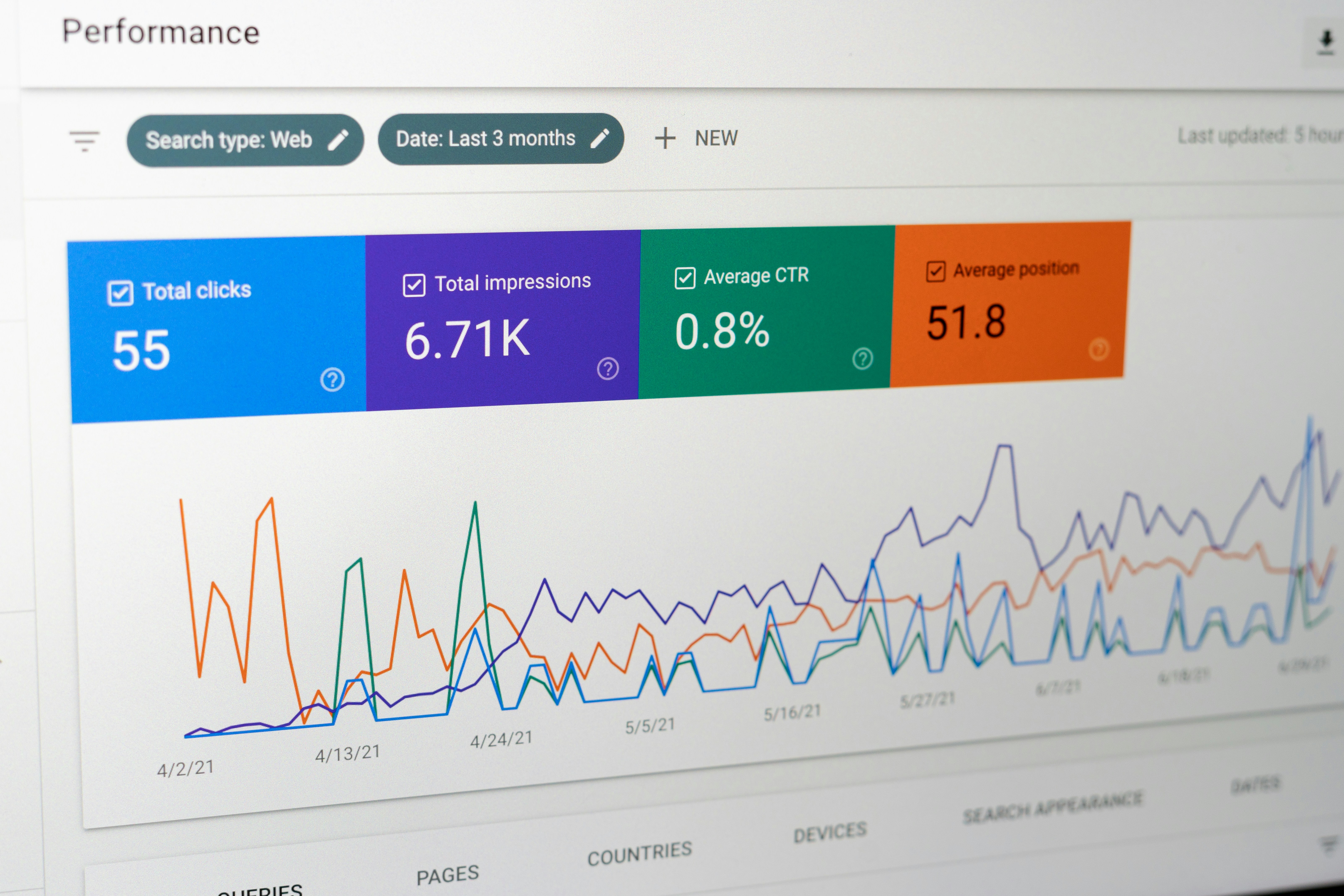
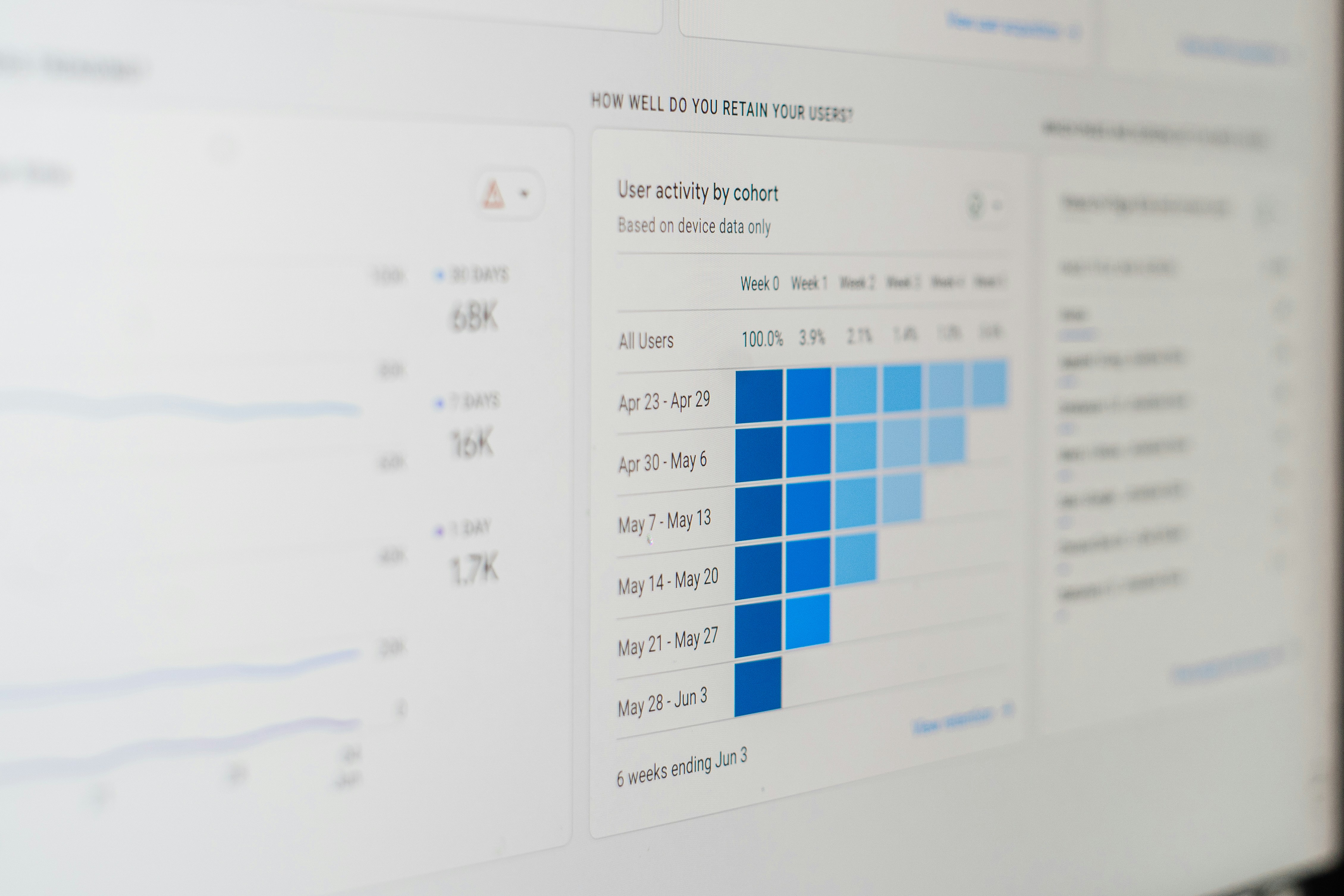
Lastly, utilizing Looker Studio to visualize these metrics offers a significant advantage. This data visualization tool enables advertisers to create comprehensive dashboards that showcase KPIs in real-time, making it easier to track performance and identify trends. By integrating Facebook Ads data with Looker Studio, organizations can achieve deeper insights and make data-driven decisions swiftly.
Challenges and Solutions When Using Looker Studio and Arbona
Utilizing Looker Studio in conjunction with the Arbona Facebook Ads Library presents various challenges that users may encounter. One significant issue involves data integration. Looker Studio excels in visualizing data, yet the complexity of aggregating diverse datasets can lead to discrepancies in reporting. To address this, users should ensure that they are using well-defined parameters and metrics consistently across both platforms. Establishing a clear data dictionary can greatly aid in maintaining uniformity and reducing integration headaches.
Another challenge is the learning curve associated with mastering Looker Studio’s functionalities. For beginners, navigating the platform’s extensive features may become overwhelming. To mitigate this issue, users are encouraged to take advantage of available online tutorials and resources that demonstrate best practices in using Looker Studio and the Arbona Facebook Ads Library. Additionally, considering a comprehensive training program can significantly enhance proficiency in leveraging both tools effectively.
Moreover, the rapidly changing landscape of digital advertising necessitates continuous updates and adaptations of strategies based on evolving trends. Users may struggle to stay informed about updates to the Arbona Facebook Ads Library or the features of Looker Studio. To counter this, regular engagement with community forums, webinars, and official documentation can provide valuable insights and updates. Setting up alerts for major updates in both platforms can also ensure that users remain informed about significant changes that could impact their advertising strategies.
Lastly, users should be aware of the potential for data overload, where excessive metrics can dilute the focus on actionable insights. To avoid this, it is recommended to prioritize key performance indicators (KPIs) relevant to specific advertising objectives. Establishing a streamlined dashboard within Looker Studio can facilitate the effective visualization of these selected KPIs, making data analysis more manageable and meaningful.
Getting Support and Resources
When utilizing Looker Studio and the Arbona Facebook Ads Library, users may find themselves in need of support or additional resources to maximize their advertising insights effectively. Both platforms offer various channels to assist users in navigating their features and optimizing their use of data.
For specific inquiries regarding Looker Studio, users can access the Looker Support portal. This resource provides extensive documentation, tutorials, and FAQs to aid in troubleshooting common issues and enhancing user understanding of the platform. Additionally, users can find helpful guides on effectively leveraging Looker’s capabilities for visualizing and analyzing data.
Similarly, Arbona offers a dedicated service page that outlines its various offerings and how users can integrate them into their advertising strategy. Here, users will find detailed information about the Arbona Facebook Ads Library, which serves as a valuable tool in understanding ad performance across different campaigns. The service page also directs users to useful resources such as webinars and case studies that showcase practical applications of the software.
For ongoing education, both platforms maintain a blog rich with insights and best practices. These blogs often feature updates, tips on maximizing advertising effectiveness, and discussions on industry trends that can aid users in making informed decisions. By subscribing to these blogs, users can ensure they remain up-to-date on any new features or enhancements that may benefit their advertising efforts.
In addition to these resources, clients needing personalized assistance can reach out through the contact pages provided on both Looker Studio’s and Arbona’s websites. By connecting with support teams, users can receive tailored solutions to their unique challenges, enhancing their overall experience with these powerful advertising tools.