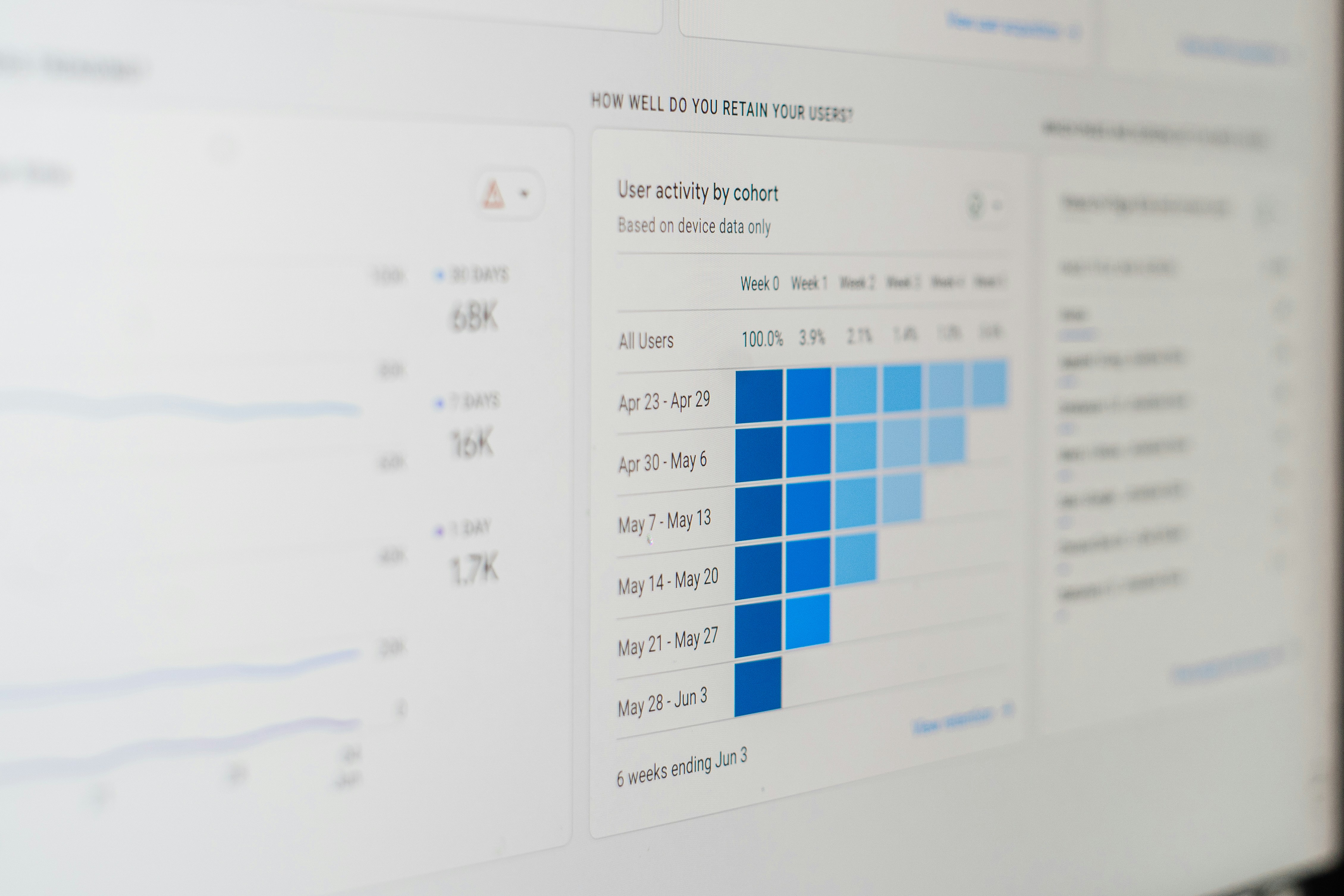
Introduction to Looker Studio
Looker Studio, formerly known as Google Data Studio, is a powerful data visualization and reporting tool designed to facilitate data analysis for various users, from businesses to individual analysts. Its core purpose is to enable users to transform raw data into visually compelling and interactive reports that can be easily interpreted. By integrating diverse data sources, including databases, spreadsheets, and social media platforms, Looker Studio empowers users to gain meaningful insights from their data.
One of the standout features of Looker Studio is its ability to connect seamlessly with social media platforms, such as Instagram. With the rise of social media’s significance in marketing and data analysis, Looker Studio offers the capability to access Instagram’s public database, allowing users to analyze engagement metrics, audience demographics, and content performance. This connectivity transforms how businesses understand their social media presence and helps tailor strategies to enhance viewer engagement. For instance, by visualizing Instagram data, users can identify trends, seasonal engagement spikes, and effective content strategies that resonate with their target audience.
The benefits of utilizing Looker Studio extend beyond just data visualization; it fosters collaboration among teams by allowing customizable dashboards that can be shared in real-time. This feature facilitates a collective understanding of data across departments, promoting data-driven decision-making. Moreover, Looker Studio’s user-friendly interface ensures that individuals with various levels of technical expertise can create and interpret analytical reports without the need for extensive training. By leveraging Looker Studio, organizations can draw actionable insights from Instagram’s public data, ultimately improving their marketing effectiveness and audience outreach.
Understanding Instagram’s Public Database
Instagram’s public database represents a rich reservoir of information that can be invaluable for various stakeholders, including businesses, marketers, and analysts. The database encompasses diverse types of data that users have shared, ranging from posts, stories, comments, and hashtags to user profiles and follower dynamics. This information is accessible publicly, which means that anyone can explore it without requiring special permissions, provided they are aware of the right tools and methods to utilize.
Accessing Instagram’s public database typically involves the use of Instagram’s Graph API, a powerful tool that allows developers and analysts to retrieve public data. By navigating through the API, users can extract metrics such as engagement rates, followership patterns, and content performance, making it a robust option for comprehensively analyzing social media trends. Researchers and brands can also utilize web scraping techniques to gather public insights, although it is essential to be compliant with Instagram’s terms of service to avoid any legal restrictions.
The significance of leveraging Instagram’s public database cannot be overstated. For businesses, it allows for targeted marketing strategies by identifying audience preferences and enhancing customer engagement. Analysts can derive actionable insights by observing how content performs in real time, informing future campaigns or product development. Furthermore, the dynamic nature of the database means that it continually evolves, capturing changes in user behavior and market trends. This agility provides marketers with the ability to pivot strategies swiftly based on real-time data, maximizing their reach and effectiveness.
In essence, understanding and utilizing Instagram’s public database is essential for entities aiming to thrive in the competitive landscape of social media, facilitating data-driven decisions that align with audience needs and expectations.
Setting Up Looker Studio for Instagram Data
To effectively harness the power of Looker Studio in accessing Instagram’s public database, it is essential to follow a systematic setup process. This involves several steps, including the installation of key tools, establishing the necessary connections, and overcoming potential challenges that may arise during this process.
First, ensure that you have a Looker Studio account. If you do not have one, you can create it through the Looker website. Following that, you will need to integrate Looker Studio with Instagram’s public API. To do this, access the Instagram Developer portal and register your application. This process requires providing essential information about your project, which will grant you access to Instagram’s public data.
Once registered, retrieve your Client ID and Client Secret to establish a secure connection between Looker Studio and Instagram. In Looker Studio, create a new data source and select the ‘Custom Connector’ option. You will need to input your Client ID and Client Secret into the connection settings. Be cautious to adhere to Instagram’s API use policy to ensure compliance, which will also assist in avoiding any disruptions.
Another essential tool for this process is Google Sheets, which can serve as an intermediary data collector. Google Sheets can pull data via the Instagram API and then be connected to Looker Studio. However, be aware of data limits set by Instagram to avoid hitting any quotas. Users should also anticipate common challenges, such as API rate limits and potential changes in Instagram’s public data access policies. These challenges may require troubleshooting efforts or adjustments in data extraction methods.
By following these steps and being prepared for obstacles, users can successfully set up Looker Studio to explore and analyze Instagram’s public database efficiently.
Creating Effective Reports with Looker Studio
Creating customized reports in Looker Studio utilizing data from Instagram’s public database can significantly enhance data analysis and decision-making processes. This platform allows users to visualize data efficiently, ensuring that complex information is transformed into easily digestible insights. The first step in creating effective reports is the selection of the right metrics. It is essential to identify which key performance indicators (KPIs) are most relevant to your objectives. Metrics such as engagement rate, follower growth, and post reach can provide a well-rounded view of performance on Instagram.
Once the right metrics have been determined, visualizing data becomes a critical aspect of report creation. Looker Studio offers various chart types and visualization formats, allowing users to choose the one that best represents their data. For instance, line graphs are effective for showing trends over time, while bar charts can help compare different data sets side by side. Using color coding, labels, and annotations can further enhance the clarity of the visual representations, making it easier for stakeholders to grasp key insights quickly.
Another important aspect is designing interactive dashboards. Looker Studio enables the incorporation of filters and controls, which allows users to refine data based on specific criteria, thus personalizing the viewing experience. Users can segment data by categories such as demographics or specific timeframes, thereby facilitating a deeper understanding of trends and patterns. Additionally, embedding interactive elements not only engages users but also encourages data exploration, leading to more informed decision-making.
By focusing on the right metrics, effective visualization strategies, and interactive design elements, users can create impactful reports within Looker Studio. This ensures comprehensive insights drawn from Instagram’s public database are presented in a manner that is both informative and user-friendly.
Analyzing Instagram Data for Insights
Analyzing Instagram data is a vital process for businesses and marketers looking to enhance their social media strategies. By leveraging Looker Studio’s Instagram Public Database, users can obtain a wealth of information that can be dissected to uncover actionable insights. Start by identifying key performance metrics, such as engagement rates, follower growth, and post reach, which can highlight how well content resonates with the audience. Utilizing Looker Studio, one can visualize this data to spot trends over time, enabling informed decisions on content strategy.
To gain deeper insights, it is essential to segment the data based on different criteria, such as demographics, geographic locations, and content types. This segmentation allows businesses to pinpoint what type of content is most appealing to specific audience segments. For example, posts that receive high engagement may indicate a preference for certain subjects, aesthetics, or formats. Recognizing these patterns can lead to a more tailored approach in delivering content that captures the target audience’s interest effectively.
Moreover, performing comparative analyses can prove beneficial. By measuring the performance of different posts or campaigns against one another, it is possible to identify which elements contribute to higher engagement or conversions. Techniques such as A/B testing can also be utilized to refine content strategies. Testing variations of captions, images, or posting times may reveal optimal practices that resonate with viewers.
Finally, regularly monitoring the data and adjusting strategies accordingly will ensure that brands remain responsive to audience preferences. By employing these analytical techniques on Instagram data, users are empowered to optimize their social media presence, ultimately aiding in the growth and success of their online endeavors. Overall, integrating these insights into a cohesive strategy enables brands to harness the full potential of Instagram as a powerful marketing tool.
Use Cases: Success Stories
Organizations across various sectors have successfully harnessed Looker Studio to analyze and draw insights from Instagram’s public database. These success stories showcase the transformative power of data analytics in enhancing marketing strategies, brand engagement, and customer understanding.
For instance, a leading fashion retailer utilized Looker Studio to integrate Instagram metrics with their sales data. By analyzing public posts, engagement levels, and hashtag performance, they identified key influencer partnerships that drove significant traffic to their online store. The company reported a 25% increase in sales directly correlated with targeted campaigns based on these insights. The ability to visualize and track Instagram data in real-time offered a competitive edge, allowing for quick adjustments to ongoing marketing strategies.
Similarly, a non-profit organization focused on wildlife conservation leveraged Looker Studio to analyze public sentiment on Instagram regarding their latest campaign. By tracking hashtags related to their initiatives, the organization could measure engagement levels and identify which messages resonated most with their audience. This analysis not only enhanced their outreach but also helped them secure increased funding through targeted appeals. Their findings revealed that posts with visual storytelling garnered 40% more engagement, leading to a redesign of their content strategy.
Moreover, a global beverage brand utilized Looker Studio to monitor trends and consumer preferences by analyzing Instagram data. By combining demographic information and user engagement patterns, they successfully launched a new product line that catered to emerging tastes among younger consumers. Through strategic use of Looker Studio’s powerful analytics capabilities, the brand achieved a remarkable 30% increase in market share within the first year of the product’s release.
These case studies illustrate how diverse organizations are capitalizing on Looker Studio’s integration with Instagram’s public database. By effectively analyzing social media data, they have achieved significant outcomes including increased sales, enhanced brand engagement, and improved fundraising efforts. The versatility and efficacy of Looker Studio continue to empower businesses and organizations to adapt and thrive in an ever-changing digital landscape.
Challenges and Limitations
While harnessing the capabilities of Looker Studio with Instagram’s public database presents many opportunities, it is essential to acknowledge the inherent challenges and limitations that users may encounter. One significant concern is data accuracy. Since Instagram’s public data can be influenced by numerous factors—such as changes in user behavior, fluctuating privacy settings, or the platform’s algorithms—users might find that the insights derived from Looker Studio do not always reflect the current trends and statistics. This discrepancy can lead to skewed interpretations or misguided strategic decisions.
Privacy concerns also play a crucial role when utilizing public data for analysis. Instagram incorporates robust privacy measures to safeguard user information. Consequently, the data available through Looker Studio may lack granularity or context, as it does not provide access to private user interactions and profiles. Users must be diligent when interpreting this information, ensuring they do not jump to conclusions based solely on aggregated metrics, as this may overlook significant nuances in user engagement.
Another limitation revolves around the restrictions placed on using Looker Studio itself. Users might face challenges regarding the integration of various data sources, especially when attempting to merge Instagram public data with other platforms. The potential for connectivity issues or compatibility hurdles necessitates a thorough understanding of both Looker Studio’s functionalities and Instagram’s database structure. Moreover, as social media platforms evolve, changes to their APIs could impact the accessibility and reliability of data over time.
Therefore, users must remain aware of these challenges and continuously adapt their methods and tools accordingly to derive the most accurate insights from Looker Studio’s capabilities in conjunction with Instagram’s public database.
Best Practices for Data Management
Effectively managing Instagram data within Looker Studio requires adherence to established best practices that ensure data integrity and usability. One paramount aspect of data management is data governance. This involves setting clear policies and frameworks for how data is collected, stored, and utilized. Organizing a dedicated team responsible for overseeing these processes can significantly enhance data governance. The team should establish guidelines that define data ownership, access controls, and security measures to ensure that sensitive information is appropriately managed.
Regular updates to the Instagram data are crucial for maintaining its relevance and accuracy. As social media trends evolve rapidly, frequent updates help in capturing the most current information. Establishing a routine schedule for data refreshes allows stakeholders to rely on timely insights for decision-making. Automated data pulls can be set up within Looker Studio to facilitate this process, ensuring that all users have access to up-to-date information without manual intervention.
Another critical aspect of data management is maintaining data hygiene. This refers to the ongoing process of ensuring that the data within Looker Studio is clean, accurate, and readily usable. Periodic audits should be conducted to identify any discrepancies or outdated entries in the Instagram dataset. During these audits, inferential relationships and trends should also be analyzed to understand better the metrics that drive performance. Implementing data validation checks can assist in identifying and rectifying errors before they affect reporting outcomes.
In conclusion, managing Instagram data effectively within Looker Studio involves a strategic approach that encompasses robust data governance, regular updates, and consistent data hygiene practices. By following these best practices, organizations can leverage Instagram data to generate accurate reporting and insightful analytics that inform strategic decisions.
Conclusion and Further Resources
In summary, leveraging the capabilities of Looker Studio’s Instagram Public Database can significantly enhance data analysis and visualization efforts. The platform’s robust features enable users to extract, display, and interpret Instagram data efficiently, making it an invaluable tool for marketers, analysts, and businesses looking to deepen their understanding of social media dynamics. By utilizing the extensive datasets available through Looker Studio, users can gain insights into audience behavior, content performance, and engagement metrics, which ultimately supports informed decision-making.
Throughout this blog post, we have examined the various functionalities that Looker Studio possesses, including its intuitive interface, customizable dashboards, and seamless integration with existing data sources. This highlights how users can maximize their analysis while reducing complexity in handling social media metrics. Further, the ability to generate comprehensive reports effortlessly encourages ongoing monitoring and strategic planning.
As you embark on your journey to harness the power of Looker Studio’s Instagram Public Database, we encourage you to explore further resources designed to enrich your knowledge and skills. Visit our contact page for any inquiries, or learn more about the services we offer on our service page. Additionally, consider checking out our related blog posts to discover more insights and best practices regarding data analysis and effective use of social media platforms. Embrace the potential of Looker Studio—not just as a data tool, but as a partner in your digital growth and success.