Introduction to Looker Studio
Looker Studio, formerly known as Google Data Studio, is a powerful data visualization and reporting tool that allows organizations to transform raw data into meaningful insights. This platform is invaluable for businesses seeking to analyze their data efficiently, particularly in monitoring organic traffic from various online channels. By streamlining the data visualization process, Looker Studio enhances decision-making capabilities for marketers and analysts alike.
The importance of Looker Studio lies in its ability to integrate seamlessly with multiple data sources. It supports a variety of connectors, enabling users to aggregate data from different platforms such as Google Analytics, Google Ads, and external databases. This flexibility empowers users to create comprehensive dashboards that provide an in-depth view of their organic traffic performance. Businesses can visualize key performance indicators (KPIs), track conversion metrics, and monitor overall engagement, all in one place.
Among its numerous features, Looker Studio offers an intuitive drag-and-drop interface that makes it user-friendly, even for those without extensive technical expertise. Users can customize their reports and dashboards, allowing for a tailored approach to data analysis. Additionally, the platform supports real-time data updates, ensuring that stakeholders have access to the latest information at their fingertips. With robust sharing options, teams can collaborate effortlessly, fostering a culture of data-driven decision-making.
In the constantly evolving landscape of digital marketing, the utilization of Looker Studio can significantly enhance an organization’s ability to dissect and interpret organic traffic trends. By leveraging this tool, marketers can identify opportunities for growth, optimize their strategies, and ultimately drive better outcomes for their business.
Understanding Organic Traffic
Organic traffic refers to the visitors who arrive at a website through unpaid search results. This means that these users find a site by performing a search query that yields a relevant link in the search engine results pages (SERPs). Unlike paid traffic, which is generated through advertisements, organic traffic results from optimizing a website’s content and structure in a way that appeals to search engines. This strategy often involves implementing search engine optimization (SEO) practices, allowing a website to rank higher for specific keywords and phrases.
One of the primary reasons organic traffic is essential is its cost-effectiveness. Over time, websites that successfully rank for relevant keywords can enjoy a steady stream of visitors without ongoing expenditure on advertisements. This sustained exposure can significantly enhance brand visibility and credibility. Furthermore, users often trust organic results more than paid advertisements, which leads to higher click-through rates and potentially increased conversions.
When comparing organic traffic to other types, such as paid traffic, nuances arise. Paid traffic typically offers immediate results, but its sustainability hinges on continuous financial investment. In contrast, organic traffic builds gradually but can yield longer-term benefits. Direct traffic, which includes users entering a website’s URL directly, often signifies brand loyalty or recognition, distinct from the search-driven aspect of organic traffic.
To effectively measure organic traffic, various metrics should be taken into account, including organic search visitors, page views from organic sources, organic conversion rates, and the overall return on investment (ROI) related to content marketing and SEO efforts. Analyzing these metrics offers insights into website performance, helping marketers refine their strategies. By understanding these components, businesses can enhance their online presence and ultimately drive growth through natural search avenues.
Setting Up Looker Studio for Traffic Analysis
To effectively analyze organic traffic through Looker Studio, the initial step involves configuring the data connections. Begin by logging into Looker Studio and selecting the option to create a new report. From there, it is essential to connect to the relevant data source; commonly used sources include Google Analytics, Google Ads, or even CSV files containing specific traffic metrics. For those utilizing Google Analytics, ensure that you select the correct property that tracks your website’s organic traffic.
Once the data source is connected, proceed to choose the relevant metrics that will serve your analysis purposes. Focus on metrics that directly relate to organic traffic, such as sessions from search engines, unique users, bounce rates, and conversion rates. Incorporating dimensions, like landing pages and traffic sources, allows for deeper insights into the performance of specific pages. This selection process is critical as it shapes the overall effectiveness and clarity of the dashboard.
With the relevant metrics identified, the next phase is to design the layout of the dashboard. A clean and comprehensible layout enhances user experience and data interpretation. Begin by segmenting the dashboard into logical sections, dedicating space for key metrics at the top, while more detailed visualizations can be placed beneath. Utilizing visual elements, such as graphs, tables, and scorecards, aids in presenting complex data in a digestible format. Ensure to maintain consistency in color schemes and fonts for a professional appearance.
Consider implementing filters that allow users to toggle between different views of the data, such as viewing performance by time period or by specific search engines. This interactive component increases the dashboard’s usability and empowers users to gain insights tailored to their unique needs. By following these steps, users will efficiently set up Looker Studio for organic traffic analysis, enabling informed decision-making based on their website’s performance metrics.
Key Metrics to Include in Your Dashboard
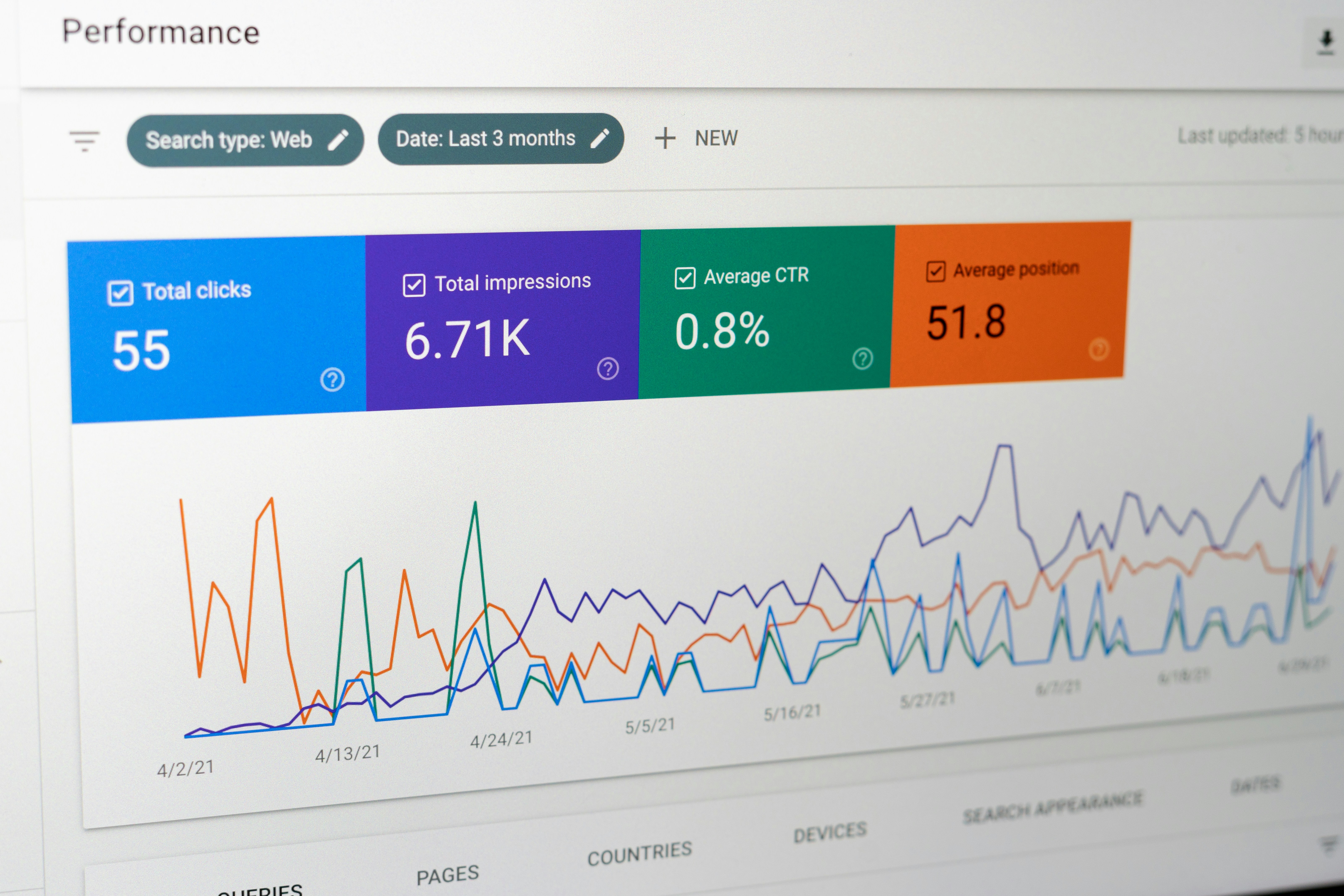
When constructing an effective Looker Studio Organic Traffic Dashboard, it’s essential to include key metrics that provide insights into the performance of your organic search efforts. These metrics will allow you to monitor and analyze user engagement, ultimately contributing to improved website performance. One of the primary metrics to track is organic sessions, which represents the number of visits originating from search engines. A higher number of organic sessions indicates successful SEO tactics and increased visibility.
Another vital metric is the bounce rate, which measures the percentage of visitors who leave your site after viewing only one page. A high bounce rate may suggest that the landing page does not meet user expectations, warranting further examination of content relevance and page loading speed. Thus, an effective dashboard should showcase this metric prominently, as it offers insights into user satisfaction and engagement levels.
The conversion rate is also a critical metric as it reflects the percentage of visitors who complete designated actions, such as filling out a form or making a purchase. By analyzing this metric, you can evaluate the effectiveness of your organic traffic in driving meaningful interactions on your site. Additionally, tracking the average session duration provides valuable information regarding how long visitors engage with your content, offering insights into content quality and relevance.
Finally, monitoring landing page performance allows for the assessment of individual pages in terms of traffic generated and user behavior. This can aid in identifying top-performing pages and those requiring optimization. Collectively, these metrics—organic sessions, bounce rate, conversion rate, average session duration, and landing page performance—are integral to building a comprehensive understanding of your organic traffic dynamics and their impact on overall website objectives.
Visualizing Traffic Data Effectively
Effective visualization of organic traffic data is crucial for deriving actionable insights and making informed decisions. When utilizing Looker Studio, it is essential to choose the right chart types, color schemes, and layout designs to enhance the clarity and comprehension of the data presented. The selection of chart types should align with the nature of the data and the insights you intend to communicate. For instance, line charts are particularly effective for demonstrating trends over time, while bar charts can effectively represent comparisons among different traffic sources.
Moreover, pie charts may be suitable for illustrating the distribution of organic traffic among various channels or campaigns. However, it is important to avoid overwhelming the viewer with unnecessary complexity; thus, one must prioritize simplicity. Limiting the number of elements in a visualization can help focus attention on key metrics rather than diluting the message with extraneous information.
Color schemes also play a significant role in effective data visualization. A well-thought-out color palette can enhance readability and make charts visually appealing. Utilizing color contrast to distinguish between different data types ensures that the viewer can quickly identify trends and outliers. For example, adopting a consistent color scheme that aligns with the organizational branding can reinforce recognition and convey professionalism.
Furthermore, the layout design of the dashboard merits careful consideration. A clean and organized layout allows users to navigate through the data smoothly, enhancing their overall experience. Grouping related metrics together and using white space can improve the flow and help highlight critical information. Ensuring the dashboard is responsive across different devices is also essential, as users may access the data from various platforms. Overall, the efficacy of visualizing organic traffic data in Looker Studio lies in the combination of appropriate chart types, a cohesive color scheme, and a streamlined layout. Adhering to these best practices will empower stakeholders to easily interpret and act upon the presented insights.
Analyzing Trends and Patterns
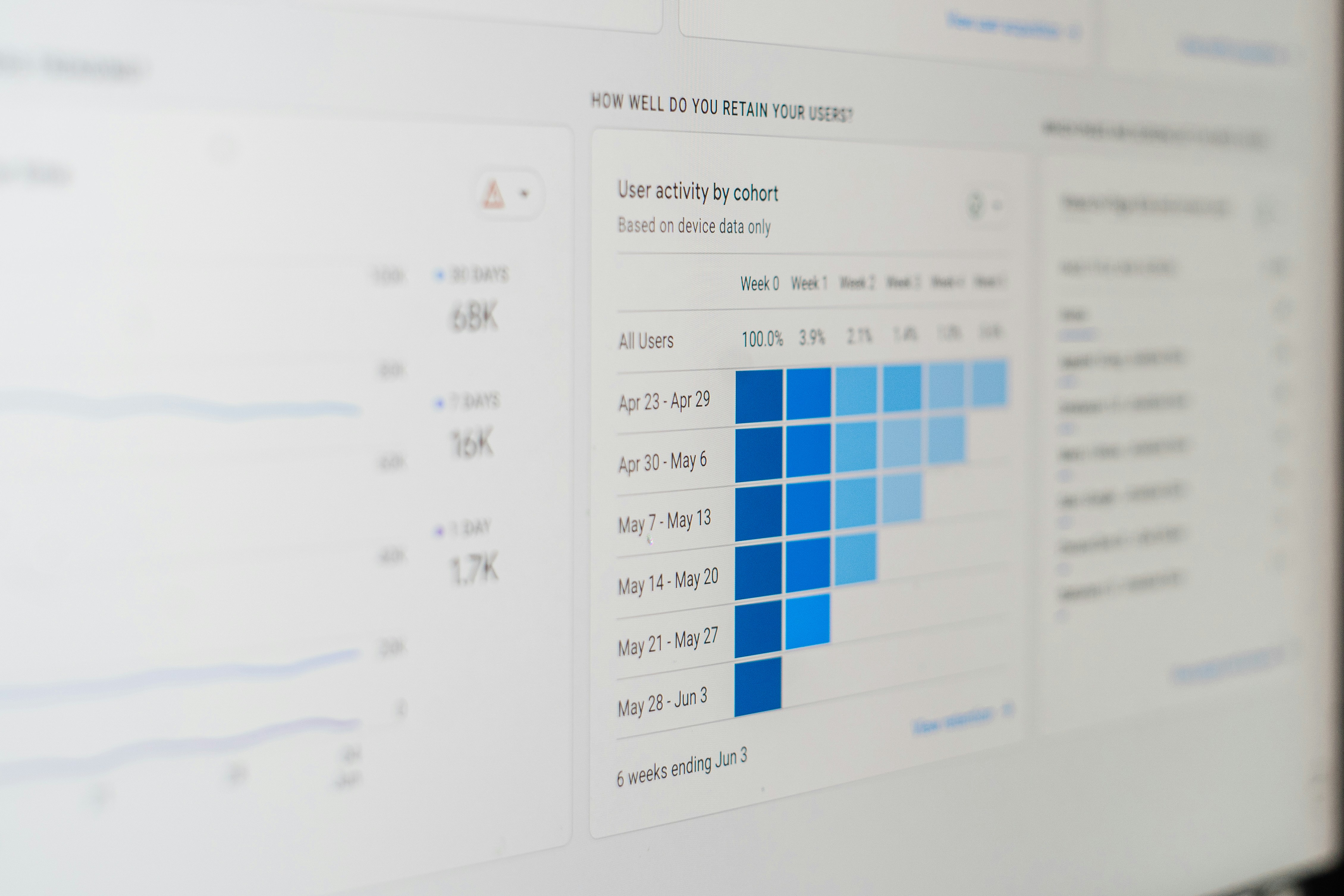
Analyzing trends and patterns in organic traffic is essential for businesses seeking to optimize their digital presence. Looker Studio provides an effective platform to visualize and interpret various data points, assisting users in identifying significant trends over time. A meticulous examination of organic traffic data can reveal seasonal fluctuations, allowing businesses to anticipate peak seasons and adjust their marketing strategies accordingly.
For instance, many industries experience predictable ebbs and flows based on seasonal events or holidays. By utilizing Looker Studio’s visualization tools, users can easily create charts and graphs that illustrate these cyclical patterns. Such insights enable marketers to strategically plan their content, promotions, and product launches to maximize organic traffic during high-demand periods.
Furthermore, the integration of campaign data into the dashboard allows for a comprehensive analysis of how specific marketing initiatives influence organic traffic. By comparing traffic data before, during, and after campaigns, organizations can evaluate their effectiveness and identify which strategies yield the best results. This iterative analysis fosters a culture of data-driven decision-making, empowering businesses to refine their marketing approaches continually.
Changes in consumer behavior also play a pivotal role in shaping organic traffic trends. External factors such as economic shifts, emerging technologies, and evolving consumer preferences can significantly influence how individuals search for and engage with content online. Utilizing Looker Studio to track these trends enables organizations to remain adaptive, adjusting their content strategies to align with current market demands. By integrating data from various sources, users can visualize the correlation between consumer behavior and organic traffic, informing future growth strategies.
In summation, harnessing Looker Studio for analyzing organic traffic trends equips businesses with valuable insights for optimizing their marketing efforts and forecasting future performance.
Sharing Insights with Stakeholders
Effectively sharing insights derived from the Looker Studio organic traffic dashboard is crucial for ensuring that stakeholders are informed and engaged with the data-driven decisions being made. To facilitate this, it is essential to present findings in a clear and concise manner. One of the best practices is to distill complex data into key takeaways that are relevant to each specific audience. Tailoring the presentation of insights to match the interests and expertise of the stakeholders significantly enhances comprehension and facilitates informed discussions.
Utilizing visually engaging formats is another effective strategy. Charts, graphs, and visual representations of data can aid in articulating trends and performance metrics clearly. Looker Studio provides various visualization options to illustrate organic traffic patterns, conversion rates, and user engagement levels, which can be included in reports or presentations. When creating visual content, it is vital to ensure that it conveys the intended message without overwhelming the audience with excessive information.
In addition to visual aids, consider utilizing reports as a medium for sharing insights. Comprehensive reports summarizing findings, key performance indicators, and actionable recommendations allow stakeholders to delve deeper into the data at their convenience. It is recommended to highlight significant data points, such as organic traffic growth or shifts in user demographics, to convey the impact of specific marketing strategies effectively. Furthermore, offering direct access to the Looker Studio dashboard enables stakeholders to explore the data themselves, fostering a more interactive relationship with the insights.
Finally, establishing regular check-ins or presentations provides an opportunity for ongoing dialogue and feedback with stakeholders. This ensures that insights are not only shared but also discussed, allowing for the integration of collective knowledge in decision-making processes. Emphasizing concise and meaningful communication can significantly enhance the impact of the Looker Studio organic traffic dashboard insights.
Case Study: Successful Use of Looker Studio for Organic Traffic
In a competitive digital landscape, effective utilization of data analytics tools is crucial for businesses aiming to enhance their organic traffic. One such instance can be observed through the experience of a mid-sized e-commerce company that implemented Looker Studio to bolster its online presence. Faced with stagnant organic traffic growth and an inadequately defined SEO strategy, the company sought to leverage data-driven insights to confront these challenges.
The initial challenge was to sift through a myriad of data points dispersed across various platforms, making it difficult to gain a coherent understanding of traffic patterns, user behavior, and content performance. To address this, the team initiated a comprehensive setup of Looker Studio, integrating data from Google Analytics, Google Search Console, and their content management system. This allowed the team to visualize and analyze cross-platform data seamlessly.
Once the dashboard was operational, the company was able to identify key insights related to its organic traffic. For instance, it discovered that certain blog posts drove higher traffic than anticipated, yet their SEO optimization was lacking. This realization prompted a strategic overhaul of their content, focusing on enhancing keywords, optimizing meta descriptions, and improving overall content quality to align with user intent. Furthermore, the dashboard revealed trends that indicated peak traffic times and the most effective referral sources, facilitating better scheduling of marketing efforts.
The results of this strategic data exploitation were significant. Within six months, the company reported a 40% increase in organic traffic and a noteworthy boost in user engagement metrics. This case study exemplifies how leveraging Looker Studio empowers businesses to turn data challenges into actionable insights, ultimately enhancing their organic traffic strategies effectively. The proper structuring of their dashboard not only streamlined their workflows but also provided invaluable data that informed strategic decisions.
Additional Resources and Support
For those interested in diving deeper into Looker Studio and enhancing their understanding of organic traffic, a wealth of resources is readily available. Numerous blogs and online guides focus on utilizing Looker Studio for data visualization and analytics. Websites like Google Developers and Looker’s own documentation provide comprehensive tutorials that can aid users in setting up their dashboards effectively, ensuring they gather relevant insights about organic traffic.
In addition to official sources, many data analytics enthusiasts have shared their experiences through personal blogs. These resources often include step-by-step instructions, best practices, and case studies, making it easier for users to understand how to leverage Looker Studio for organic traffic analysis. Engaging with these communities online, such as through forums or social media groups, can provide immediate assistance from peers who are also working with similar tools. Websites like Medium offer various articles detailing unique use cases and advanced features that can enhance your dashboard capabilities.
For those seeking personalized support, consulting professionals in the field can significantly accelerate your learning curve. R.G. Gupta offers tailored services for individuals and businesses looking to optimize their Looker Studio dashboards specifically for organic traffic metrics. His services encompass one-on-one coaching sessions, strategic planning assistance, and personalized advice on data visualization techniques, ensuring that clients can effectively track and analyze their organic traffic data.
In summary, whether through self-guided learning via blogs and online tutorials, or seeking expert assistance, there are ample resources available to support users in mastering Looker Studio for organic traffic analysis. Taking advantage of these offerings can empower you to make data-driven decisions and improve your overall digital strategy.