Introduction to Looker Studio
Looker Studio is an advanced data visualization platform that empowers users to transform raw data into meaningful insights through interactive reports and dashboards. This powerful tool is designed to cater to a variety of industries, making it accessible for both seasoned data analysts and novice users alike. By integrating seamlessly with numerous data sources, Looker Studio facilitates a streamlined approach to data analytics, enabling businesses to make data-driven decisions efficiently.
One of the key features of Looker Studio is its capability to create customizable visual representations of data. Users can select from a variety of chart types, tables, and graphs, allowing them to present data in a manner that best fits their specific needs. This flexibility enhances user experience and ensures that stakeholders can easily understand critical information at a glance. Furthermore, creating interactive reports enables collaborators to engage with the data, drill down into specific metrics, and view the information in real time, which is particularly beneficial for monitoring performance indicators, such as organic traffic.
The integration of different data sources is another noteworthy advantage of Looker Studio. It supports a multitude of connectors, from Google Analytics to SQL databases, which means users can pull in data from numerous platforms for a comprehensive view of their performance. This aggregation of diverse datasets allows users to pinpoint trends, identify growth opportunities, and assess the effectiveness of their marketing strategies. Consequently, understanding specific reports, including the organic traffic report, becomes more manageable and insightful.
Overall, Looker Studio is a robust solution for businesses aiming to harness the power of data. Its versatility and user-friendly interface, combined with its integration capabilities, make it an essential tool for anyone looking to improve their data visualization efforts and ultimately drive successful outcomes.
What is an Organic Traffic Report?
An organic traffic report is a crucial analytical tool that provides insights into the visitors arriving at a website through unpaid search results. This type of report highlights the performance of a website in organic search rankings and helps businesses assess the efficacy of their search engine optimization (SEO) efforts. Unlike traffic from paid advertisements or direct visitors, organic traffic stems from users who discover your website through search engines such as Google, Bing, or Yahoo.
The significance of organic traffic lies in its cost-effectiveness and sustainability. It represents visitors who are genuinely interested in the content, products, or services offered, as they have actively sought out relevant keywords that lead them to your site. Businesses that prioritize organic traffic typically enjoy long-term benefits, as high-quality content and effective SEO strategies can lead to continued visibility in search engine results, driving ongoing visitors to the website without constant expenditure on ads.
Organic traffic reports commonly include key metrics that inform businesses about their online performance. These metrics typically cover the number of organic visits, bounce rate, average session duration, and conversion rates. Additionally, they may provide insights into keyword rankings and search queries that drive traffic to the site. By consistently monitoring these metrics, businesses can refine their marketing strategies, align their content to meet audience needs, and improve their SEO performance. Understanding the intricacies of an organic traffic report is vital for any business invested in digital marketing, as it directly correlates with visibility, engagement, and potential revenue growth.
Key Metrics in the Organic Traffic Report
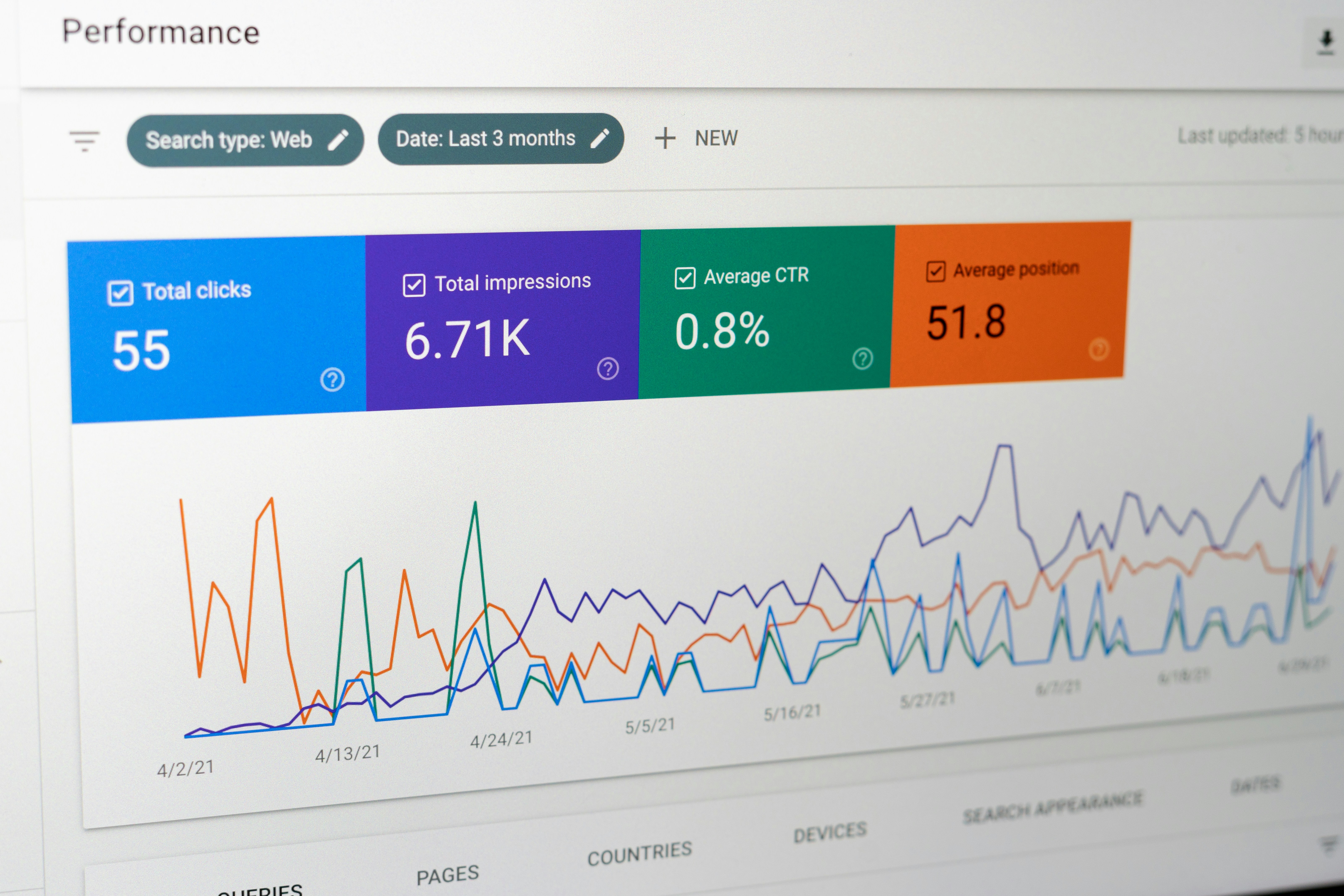
The Looker Studio Organic Traffic Report encompasses various key metrics that offer insights into the performance of a website. Understanding these metrics is vital for evaluating the effectiveness of marketing strategies and enhancing overall website performance. One of the most important metrics is the total visits, which reflects the number of times users accessed the site over a specified period. A high number of visits generally indicates that the website is attracting interest, while a lower count may suggest a need for improved marketing efforts or content relevance.
Another significant metric is the bounce rate, which measures the percentage of visitors who leave the website after viewing only one page. A high bounce rate may indicate that users are not finding the information they seek or that the landing pages are not engaging enough. Conversely, a low bounce rate can signify effective content and user experience, encouraging visitors to explore further.
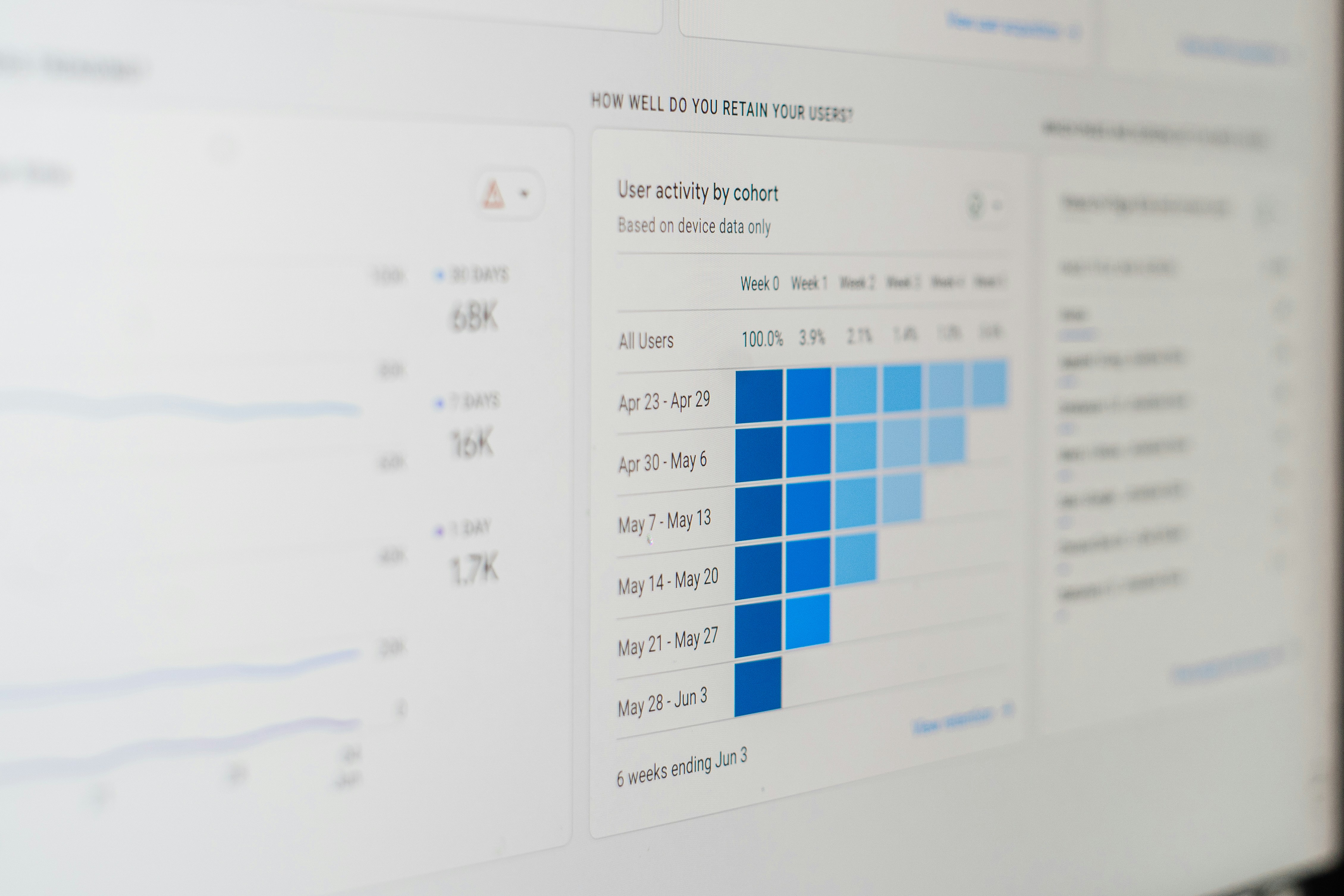
Average session duration is also a crucial metric, as it highlights how long visitors are staying on the site during their visits. Longer sessions typically suggest that users find the content valuable and worth their time. This metric can inform content creators about the areas that resonate most with the audience and those that may require adjustments to enhance user engagement.
Unique visitors represent the distinct individuals who visit the website within a given timeframe. This metric is essential for understanding the reach of a website and gauging its audience size. It helps marketers and website owners identify trends in visitor demographics and behavior over time. By analyzing these key metrics, businesses can refine their strategies, optimize content, and ultimately improve their organic traffic performance.
Setting Up Your Organic Traffic Report in Looker Studio
Setting up an organic traffic report in Looker Studio involves a systematic approach to ensure accurate and insightful reporting. The first step in this process is to connect data sources that hold your web traffic information. This typically includes Google Analytics, as it provides comprehensive insights into user behavior and traffic sources. To connect data sources, navigate to the ‘Data Sources’ section within Looker Studio. Here, you can either select an existing connection or add a new one by following the prompts to authorize your Google Analytics account.
Once your data source is connected, the next step is to select the relevant metrics for your organic traffic report. Consider which aspects of organic traffic are most valuable for your analysis—this may include metrics such as organic sessions, bounce rate, and average session duration. Utilizing Looker Studio’s intuitive interface, you can easily adjust the available metrics by dragging them into your report canvas. It’s essential to prioritize metrics that align with your analytical goals to make your report focused and actionable.
After selecting the relevant metrics, customization of data visualization options is paramount to present your findings effectively. Looker Studio offers various visualization tools including bar charts, line graphs, and tables, allowing you to represent data in a format that resonates with your audience. For instance, while line graphs are excellent for demonstrating trends over time, bar charts can effectively highlight comparative data. Be sure to leverage colors and labels appropriately for clarity, making it easy for stakeholders to interpret the information at a glance.
Furthermore, consider adding filters to your report, enabling viewers to refine data by dimensions such as device type, location, or acquisition channel. This adds an interactive element and allows users to explore the data in a more personalized manner. By following these steps, you will successfully create a comprehensive organic traffic report tailored to your analytical needs within Looker Studio.
Analyzing and Interpreting the Data
Understanding the data presented in the Looker Studio Organic Traffic Report is essential for any digital marketer looking to enhance website performance and SEO strategies. The report encompasses various metrics, including organic sessions, bounce rates, user behavior, and traffic sources, which together provide a comprehensive overview of how your website interacts with its audience.
To effectively analyze this data, begin by identifying key performance indicators (KPIs) that align with your business goals. For instance, if the objective is to increase organic traffic, pay close attention to the total number of organic sessions over time. A rising trend could suggest that your SEO efforts are paying off, whereas a decline may indicate areas needing improvement, such as content optimization or keyword targeting.
Another useful technique for interpreting the report is to segment your traffic data. By filtering results based on specific criteria, such as demographics or geographic locations, you can uncover insights regarding which audience segments are yielding higher engagement or conversion rates. This information enables more targeted marketing initiatives tailored to the preferences and needs of different user groups.
Tracking user behavior metrics, such as bounce rate and session duration, is also vital in this analysis. A high bounce rate may indicate that visitors are not finding relevant content, signaling a need for improved content quality or user experience. Conversely, increased session duration might reflect engaging material that encourages users to explore your site further.
Finally, correlating organic traffic data with content updates or campaigns can provide clearer insights into what strategies resonate with your audience. By combining these analytical methods, you can derive actionable insights from the Looker Studio Organic Traffic Report that not only inform your SEO tactics but also foster continuous improvement in your website’s overall performance.
Common Challenges and Solutions
When utilizing the Looker Studio Organic Traffic Report, users may encounter several challenges that can hinder their analytics process. Understanding these common issues can significantly improve the user experience and enhance data interpretation. One prevalent challenge is data mismatches, which often occur when comparisons are drawn between different sources of information. To mitigate this, users are advised to ensure consistency in tracking methodologies across platforms. Regular audits of the tracking setup can also help identify discrepancies, ultimately leading to more accurate reporting.
Another frequent issue users face is the complexity of metrics displayed in organic traffic reports. Metrics such as bounce rate, session duration, and unique visitors can be overwhelming for those unfamiliar with digital analytics. To address this, it is recommended that users invest time in building their understanding of each metric’s implications on overall performance. Looker Studio offers tutorial resources and guides that break down these complex metrics into more digestible formats. Familiarity with these statistics not only aids in comprehension but also assists users in making informed data-driven decisions.
Visual design challenges can also complicate the analysis of organic traffic data. Users may struggle with creating visually engaging reports that effectively communicate their findings. A practical solution to this is utilizing Looker Studio’s built-in design templates, which can enhance report clarity and aesthetic appeal. Additionally, users should consider the effective use of colors and graphs to highlight significant data points, which can make reports more accessible to non-technical audiences. Adopting a user-centered approach in design will further streamline report interpretation and improve engagement with stakeholders.
Comparing Organic Traffic with Other Traffic Sources
In today’s digital landscape, understanding the performance of organic traffic is crucial for assessing the effectiveness of a website’s overall marketing strategy. Organic traffic, generated from search engines without paid advertising, often serves as a key indicator of a brand’s online presence and authority. However, to fully assess its significance, it is essential to compare organic traffic with other traffic sources, such as paid search, social media, direct visits, and referral traffic. This comparative analysis allows marketers to discern the strengths and weaknesses of each channel, thereby informing data-driven decisions conducive to enhancing overall performance.
To effectively include this comparison in Looker Studio reports, one can start by creating a segmented view of traffic sources. By utilizing data visualization tools that highlight traffic trends over time, marketers can easily interpret how organic traffic stacks up against other sources. Additionally, employing metrics such as conversion rates, bounce rates, and average session durations concurrently can provide valuable insights on the user experience across different channels. A lower bounce rate from organic search compared to paid or social media traffic may illustrate organic traffic’s quality and relevance to user intent.
The impact of these comparisons extends beyond merely understanding user preferences; it forms the basis for optimizing marketing strategies. For instance, if organic traffic significantly outperforms other channels, it may warrant further investment in content marketing or search engine optimization efforts. Conversely, if a particular paid channel is yielding better engagement metrics, reallocating resources from lower-performing segments could prove beneficial. Ultimately, by closely examining organic traffic alongside various channels, marketers can create a more cohesive and informed strategy that aligns with both user behavior and business objectives.
Best Practices for Using Looker Studio Reports
To leverage the full potential of Looker Studio reports for organic traffic analysis, there are several best practices that users should adhere to. Firstly, it is essential to establish clear reporting goals. By defining specific objectives—whether it is to track traffic trends, monitor keyword performance, or assess user engagement—users can tailor their reports to meet defined metrics that align with overall business objectives. Setting such goals not only helps in producing focused reports but also aids in identifying key performance indicators (KPIs) that are critical for evaluating organic traffic success.
Another best practice is the routine updating of reports. Organic traffic analysis is dynamic; thus, keeping reports current ensures that insights are based on the latest data. Regularly scheduled updates not only reflect real-time changes in traffic patterns but also allow teams to adapt strategies timely based on recent findings. This continuity helps in maintaining up-to-date information for stakeholders, ultimately facilitating informed decision-making processes.
Furthermore, sharing insights gathered from Looker Studio reports is crucial for organizations. Communicating findings with teams and stakeholders fosters collaboration and aligns everyone on traffic performance. This can be accomplished through scheduled meetings, detailed presentations, or shared dashboards that highlight pertinent data. Ensuring that all relevant parties are informed about organic traffic trends encourages collaborative strategizing and enhances overall operational efficiency.
Lastly, visualize your data through graphs and charts offered in Looker Studio. Visual representations make it easier to interpret organic traffic data and identify patterns that may not be apparent in raw figures alone. By adhering to these best practices, users can maximize the effectiveness of Looker Studio reports, leading to a more thorough understanding of organic traffic performance.
Conclusion and Next Steps
In the exploration of the Looker Studio Organic Traffic Report, we have highlighted the critical components essential for understanding organic traffic data and its implications for your digital marketing strategy. The Looker Studio platform offers a robust framework that enables users to visualize and analyze traffic sources effectively. With the aid of this tool, marketers can gain valuable insights into user behavior, facilitating informed decision-making.
We discussed the features that make Looker Studio a powerful ally in tracking organic traffic metrics, such as user engagement and conversion rates. By leveraging these insights, you can refine your content strategies, improve search engine optimization efforts, and ultimately drive higher traffic to your website. It is pivotal to regularly review these reports to adapt to ever-changing market dynamics and consumer preferences.
As you move forward, consider implementing the techniques and strategies outlined in this blog post. Familiarize yourself with the various functionalities of Looker Studio, and take time to explore its integration with other data sources. This holistic approach will bolster your understanding of website performance, leading to more effective marketing campaigns. To further assist you on this journey, we encourage you to visit our contact page for personalized support or access additional resources related to digital analytics and reporting.
Engaging with these tools and learning how to interpret organic traffic data can significantly impact your long-term business success. By embracing the capabilities of Looker Studio, as discussed in this blog post, you are well on your way to enhancing your online presence and achieving your desired results.
Additional Resources and Links
As you delve deeper into the Looker Studio Organic Traffic Report, you may require further information or assistance. To aid your understanding and enhance your reporting capabilities, we have compiled a list of valuable resources and links. These resources cover various aspects of Looker Studio, particularly concerning its functionality in tracking and analyzing organic traffic.
First and foremost, if you have specific inquiries about the Looker Studio platform or its features, we encourage you to visit our Contact Page. Here, you can find multiple channels to reach out to our support team, who are equipped to provide timely and expert assistance. Whether you prefer email or live chat, our team is dedicated to ensuring that your questions are addressed efficiently.
In addition, for those looking to leverage Looker Studio more effectively, our Service Page provides an overview of our reporting services. These services can help you maximize your organic traffic insights and optimize your data visualization strategies. Engaging with our specialists can enable you to streamline your reporting processes, ensuring that you gain the most meaningful insights from your data.
Finally, we recommend exploring our related blog posts, which offer detailed guidance on various topics associated with Looker Studio. These articles provide in-depth analysis and practical tips on interpreting organic traffic metrics and utilizing the platform for your reporting needs. By expanding your knowledge through these resources, you can enhance your proficiency in handling Looker Studio reports.
For a comprehensive understanding of your organic traffic patterns and the overall performance of your digital efforts, these resources are indispensable. Make sure to leverage them in your journey with Looker Studio.