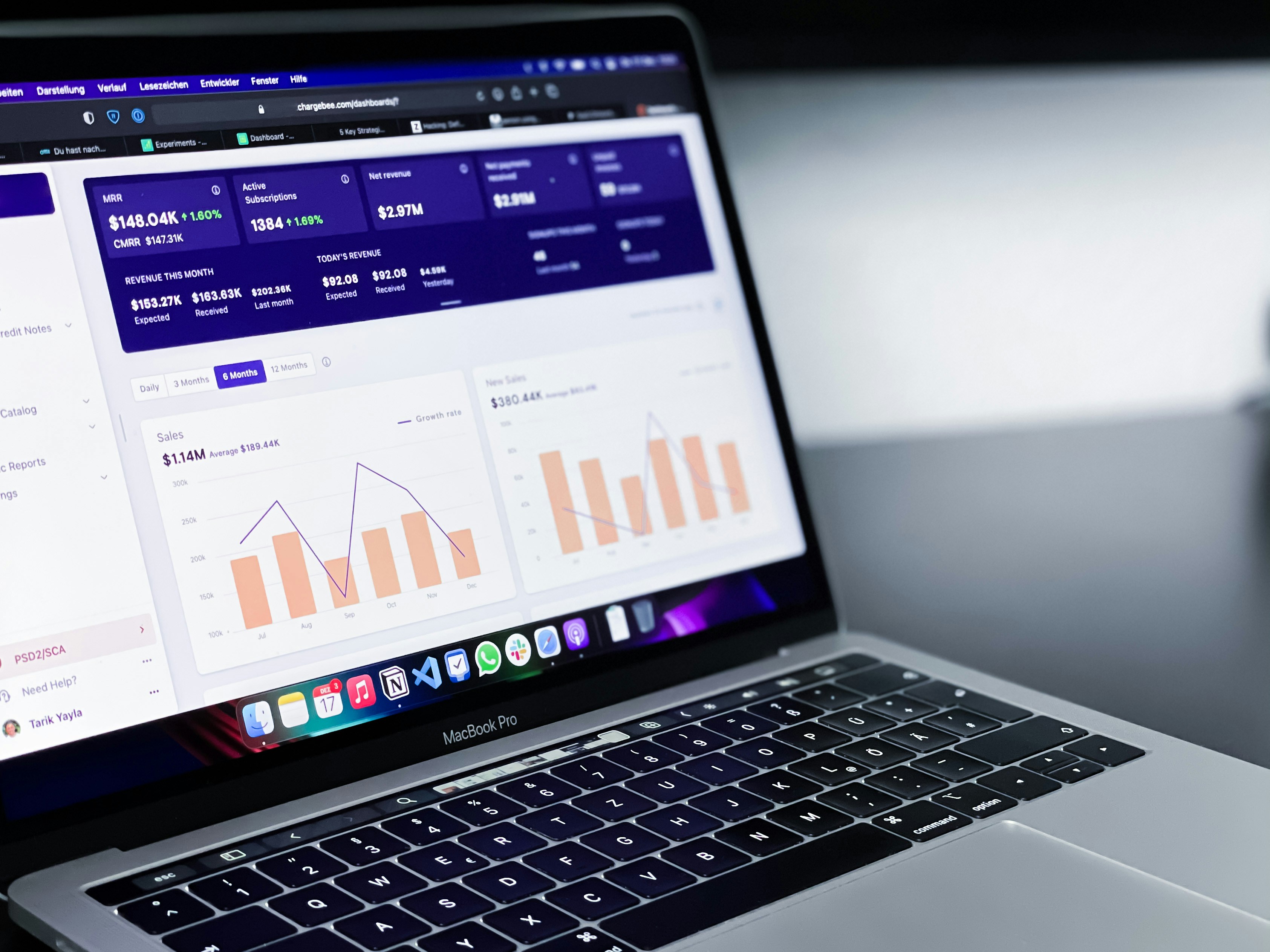
Introduction to Business Intelligence Tools
Business intelligence (BI) tools play a vital role in today’s data-driven landscape, enabling organizations to analyze vast amounts of data and derive insights that inform strategic decision-making. These tools are designed to collect, process, and present actionable information, allowing stakeholders at all levels to make informed choices based on empirical evidence rather than intuition. As the amount of data generated across sectors continues to grow exponentially, the significance of robust BI solutions has never been more pronounced.
Among the myriad of available BI platforms, Looker and Data Studio emerge as two of the most popular options, each with distinct functionalities and advantages. Looker is known for its data exploration capabilities and high degree of customization, allowing users to create comprehensive dashboards and reports that reflect their specific analytical needs. By employing a modeling language called LookML, Looker enables users to define data relationships and complex metrics, making it particularly advantageous for organizations seeking thorough and scalable analytics solutions.
On the other hand, Google Data Studio focuses on ease of use and accessibility, appealing to those who may not have extensive technical expertise. Its intuitive interface allows users to transform raw data into visually appealing reports and dashboards with relative ease. Data Studio’s seamless integration with other Google services and third-party data sources enhances its utility, enabling businesses to consolidate their data and visualize it effectively. Ultimately, both Looker and Data Studio aim to solve the increasingly complex problem of data analysis and visualization for businesses, catering to different operational preferences and organizational requirements.
Overview of Looker
Looker is a powerful business intelligence tool designed to facilitate data analytics and enhance reporting for organizations. As a comprehensive platform, Looker stands out for its robust data modeling capabilities, which enable users to define and manipulate their data sets effectively. This feature allows businesses to create a semantic model that accurately reflects unique business metrics, ensuring that all stakeholders operate from a single source of truth.
One of the most significant strengths of Looker is its ability to generate customizable dashboards and reports tailored to the specific needs of users. The platform supports a variety of visualization options that help to present data in an engaging and easily interpretable manner. Users can combine multiple data sources and create interactive reports that drive informed decision-making across teams. Furthermore, Looker employs the LookML language, a proprietary modeling language that allows developers to define business logic, enabling greater flexibility and scalability in data interpretation.
Another key selling point of Looker is its collaborative nature. The platform provides features that facilitate sharing insights among team members and stakeholders, enhancing transparency and fostering a data-driven culture within an organization. With proper user permissions, Looker allows individuals to access relevant data while maintaining compliance and security protocols. Additionally, Looker integrates seamlessly with other cloud-based tools and databases, making it a versatile choice for businesses looking to enhance their analytical capabilities.
Overall, Looker positions itself as a premier analytics solution by providing organizations with the tools necessary to explore their data in an in-depth and meaningful way. It empowers users to create customized visualizations and derive actionable insights, ultimately accelerating growth and improving strategic decision-making processes.
Overview of Data Studio
Google Data Studio is a powerful and versatile data visualization tool that allows users to transform raw data into informative, interactive dashboards. As part of the Google Cloud suite, Data Studio is particularly designed to facilitate data analysis and reporting, making it a popular choice for businesses and organizations seeking to enhance their data-driven decision-making processes. Its intuitive user interface caters to both novice and experienced users, enabling effective data presentation without requiring extensive technical knowledge.
One of the key features of Google Data Studio is its ability to create dynamic dashboards that can be easily customized according to users’ needs. Users can integrate a variety of data sources, ranging from Google Sheets and Google Analytics to other external databases, enabling comprehensive analytics capabilities. By utilizing these integrations, Data Studio empowers users to visualize their data in real-time, promoting enhanced understanding and insights into business performance.
The platform also supports an array of visualization options, including charts, graphs, and maps, which can be tailored to meet specific reporting requirements. Users can take advantage of features such as date range controls, filters, and clickable elements to enhance interactivity, making data exploration more engaging and accessible. Moreover, Data Studio allows for collaborative efforts, permitting multiple users to work on the same report simultaneously while providing options for sharing dashboards with stakeholders or team members securely.
Ultimately, Google Data Studio stands out for its seamless integration with other Google services, enhancing its capabilities further. For instance, users can effortlessly pull data from Google Ads and Google Marketing Platform, creating comprehensive marketing and performance reports. This interconnectedness fosters a holistic view of business metrics, supporting organizations in refining strategies and improving outcomes.
Key Differences Between Looker and Data Studio
Looker and Data Studio serve as powerful tools for data visualization and business intelligence; however, they differ significantly across various parameters. Pricing is one of the most notable distinctions. Looker operates on a subscription model that can be quite costly for smaller businesses, while Data Studio offers a free tier, making it more accessible to startups or businesses with limited budgets. The pricing structure of Looker reflects its advanced capabilities, appealing primarily to enterprises requiring sophisticated data analytics.
Ease of use is another factor that sets these two platforms apart. Data Studio is designed with simplicity in mind, featuring an intuitive drag-and-drop interface that allows users to create reports and dashboards rapidly. This user-friendly approach caters particularly to users who may not have extensive technical expertise. In contrast, Looker’s learning curve can be steeper, as it offers more complex data modeling capabilities, which require users to have a deeper understanding of SQL and data analytics principles.
Data modeling capabilities further differentiate Looker from Data Studio. Looker excels in providing robust data modeling options, allowing users to create custom data models that enhance data exploration and reporting. This functionality is particularly valuable for larger organizations that need detailed analysis across various metrics. Conversely, Data Studio lacks such advanced modeling features, making it more suitable for straightforward reporting and analysis rather than complex data transformations.
Integration options must also be considered when comparing these tools. Looker integrates seamlessly with various data sources, including cloud databases and enterprise applications, whereas Data Studio offers more limited connectivity options. As a result, businesses that rely on extensive integration with multiple data sources may find Looker to be more suitable. Ultimately, the choice between Looker and Data Studio should rest on the specific needs and capabilities of the organization, as well as budget considerations.
Data Visualization Capabilities
Data visualization serves as an essential component in effectively communicating analytical insights derived from complex datasets. Both Looker and Data Studio are robust platforms in the realm of data visualization, each offering unique features that cater to different user needs and preferences. An examination of their capabilities can guide users in selecting the ideal tool for their specific requirements.
Looker excels in its rich set of visualization options that extend beyond basic charts and graphs. It provides users with an extensive library of customizable visualizations, including heat maps, scatter plots, and sophisticated multi-dimensional charts. Furthermore, Looker’s integration with LookML allows for the creation of tailored visualizations adhering specifically to the needs of a business. Users can adjust parameters and choose from multiple formats to best represent their data, ensuring that insights are conveyed effectively. This flexibility fosters an environment conducive to complex data analysis, making Looker highly suitable for organizations that require in-depth explorations of their datasets.
On the other hand, Data Studio focuses on user accessibility, making it an appealing option for those who prioritize ease of use. With a straightforward interface, users can create visualizations rapidly. Data Studio also integrates seamlessly with various Google products, making it efficient for those already in the Google ecosystem. While it provides a robust selection of charts, graphs, and tables, the platform may not match the advanced customization options found in Looker. However, Data Studio shines in its collaborative capabilities, allowing multiple users to edit reports in real time and share them easily across teams.
Both Looker and Data Studio offer unique advantages in terms of data visualization capabilities. Depending on the complexity of the data and the desired outcome, organizations can choose the platform that best aligns with their visualization needs. When deciding between Looker and Data Studio, consideration must be given to the specific requirements of the user community and the overall data landscape.
Collaboration and Sharing Features
Effective collaboration and sharing mechanisms play a crucial role in any data visualization tool. Both Looker and Data Studio offer diverse functionalities to facilitate teamwork and streamline the sharing of insights. Users of these platforms can generate dashboards and reports that serve as collaborative spaces for teams within organizations.
Looker fosters collaboration through its robust features, enabling users to work simultaneously on data projects. It incorporates features such as version control, which helps users track changes made to reports and dashboards, ensuring transparency within the working environment. Additionally, Looker provides an integrated commenting system, allowing team members to engage in discussions directly within the platform while analyzing various data visualizations. The ability to share insights in real-time simplifies decision-making processes and promotes active communication among stakeholders.
On the other hand, Google Data Studio emphasizes ease of use in its collaboration tools. Designed with accessibility in mind, it allows users to share reports and dashboards quickly through easily manageable links. You can define user access levels, determining who can view or edit the reports at a granular level. This feature is particularly useful for organizations with different teams needing varying levels of access to data insights. Google Data Studio also integrates seamlessly with other Google Workspace applications, facilitating a fluid experience for users who are accustomed to tools like Google Sheets or Google Docs.
Both tools enable users to export and share their work in various formats such as PDF or image files. However, Looker’s enhanced security features appeal to enterprises that prioritize data governance. The ability to define user permissions across different organizational roles ensures that sensitive information remains protected while allowing relevant stakeholders access to important data analyses.
In conclusion, while both Looker and Data Studio provide strong collaboration and sharing features, their approaches differ. Looker offers a more comprehensive system for enterprises looking for extensive control and version tracking, whereas Data Studio shines in its user-friendliness and integration with Google applications, making it suitable for teams that require quick and efficient sharing of insights.
Use Cases for Looker vs. Data Studio
In the realm of business intelligence and data visualization, determining the right tool for your organization can significantly impact decision-making processes. Both Looker and Data Studio offer unique capabilities that cater to different use cases depending on the organization’s requirements.
Looker excels in complex data environments, making it an ideal choice for large enterprises that require comprehensive data modeling and advanced analytical capabilities. For instance, companies in the financial services sector can leverage Looker to dive deep into their datasets, allowing analysts to create custom metrics and perform intricate data exploration. The ability to connect to multiple databases efficiently facilitates real-time reporting, providing enterprises with critical insights that influence strategic initiatives.
On the other hand, Google Data Studio serves smaller businesses and teams that prioritize simplicity and quick accessibility. Organizations looking for straightforward reporting solutions can benefit immensely from Data Studio’s user-friendly interface. For example, marketing teams can utilize Data Studio to visually represent campaign performance metrics, allowing stakeholders to make informed decisions rapidly. The seamless integration with other Google services makes it particularly advantageous for companies already entrenched in the Google ecosystem.
Furthermore, Looker’s strong focus on data governance ensures that organizations can maintain control over access to sensitive data, thus, making it suitable for data-intensive industries, such as healthcare and pharmaceuticals. These sectors often require robust data security and compliance, areas where Looker demonstrates significant strengths.
In conclusion, while Looker is geared towards organizations needing in-depth analytics and rigorous data governance, Data Studio serves those seeking to generate insightful visual reports with less complexity. Understanding these use cases will guide companies in selecting the right tool tailored to their specific data needs and strategic objectives.
Pricing Comparison
When evaluating analytical tools such as Looker and Data Studio, understanding their pricing structures is critical for businesses in making an informed decision. Both platforms offer distinct pricing models that cater to various organizational needs. Looker typically operates on a subscription-based pricing model, which is influenced by the number of users and data activities. Customers can expect to pay for a base license fee that varies typically from $3,000 to $4,500 per month. Additional costs may arise depending on the data volume and specific functionalities required, which could lead to significant expenses as data complexity increases.
Conversely, Google Data Studio adopts a different approach by providing a free-to-use platform. This availability allows users to utilize the tool without any upfront financial commitment. However, businesses should consider that while Data Studio itself is free, there may be costs associated with integrating external data sources or other Google services to fully leverage its capabilities. Organizations using Google Cloud services may incur fees related to data storage, processing, or API access, which can ultimately influence the total cost of ownership.
It is also vital to recognize that Looker may provide a more comprehensive solution tailored for larger enterprises requiring detailed analytics functionalities. This can lead to higher initial investments compared to the cost-effective structure of Data Studio. Small to mid-sized businesses might find that Data Studio meets their analytics needs at a lower financial risk. Hence, it is crucial to carefully assess not only the pricing but also the potential additional fees associated with either platform as part of the overall financial landscape. Ultimately, the choice between Looker and Data Studio will depend on the specific analytical requirements and budgetary constraints of an organization.
Conclusion: Which Tool is Right for You?
In evaluating the effectiveness of Looker and Data Studio, it is evident that both platforms cater to distinct needs within the realm of data visualization and reporting. Each tool possesses its unique strengths and is tailored to specific organizational requirements. Looker, with its sophisticated data modeling capabilities, is ideally suited for enterprises that demand in-depth analytics across versatile datasets. It allows for complex querying and scalable reporting, making it an excellent choice for data-centric organizations that prioritize comprehensive insights.
On the other hand, Data Studio offers an intuitive interface that excels in facilitating quick and straightforward reporting. It is particularly advantageous for teams seeking a user-friendly solution to visualize data from multiple sources with minimal complexity. For smaller businesses or those with less complex reporting needs, Data Studio stands out as an accessible option that promotes immediate understanding and collaboration across various stakeholders.
When deciding between Looker and Data Studio, organizations should consider factors such as team capabilities, data requirements, and overall business objectives. Teams with a stronger technical background may benefit more from Looker’s advanced functionalities, as they can leverage its full potential to drive data-driven decisions. Conversely, organizations with less technical expertise or those that require faster implementation might find Data Studio to be a more fitting solution for their analytics endeavors.
The best choice ultimately hinges on the specific use case of the organization. Assessing the scale of data operations, the complexity of required reports, and the need for collaborative features will guide teams in selecting the most suitable tool. Thoroughly understanding these dynamics ensures that businesses can optimize their data visualization efforts, leading to more informed strategic planning and operational efficiencies.