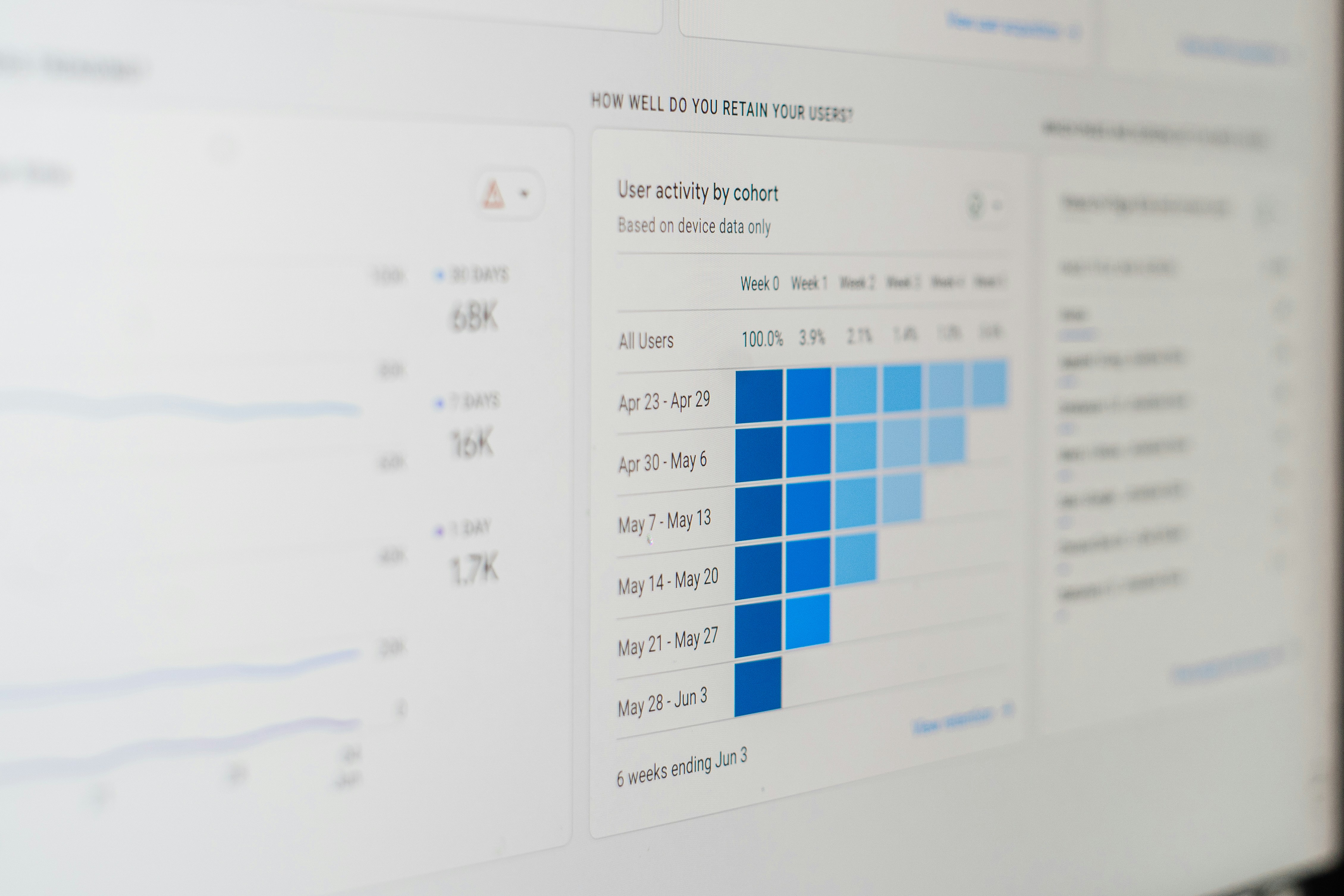
Introduction to Looker Studio and Campaign Manager 360
Looker Studio is an advanced data analytics and visualization platform that empowers marketers to access and analyze their data effectively. By offering a user-friendly interface and versatile features, Looker Studio enables users to create customizable reports and dashboards that provide valuable insights into various aspects of digital marketing. One of the standout tools integrated within Looker Studio is Campaign Manager 360, a robust campaign management solution that allows marketers to monitor and optimize their advertising efforts seamlessly.
Campaign Manager 360 plays a critical role in digital marketing by consolidating tracking capabilities, allowing businesses to assess the performance of their advertising campaigns across multiple channels. With this powerful tool, users can manage ad placements, perform detailed audience analysis, and evaluate the effectiveness of their campaigns in real-time. The integration of Campaign Manager 360 with Looker Studio enhances the reporting process, enabling marketers to visualize complex data sets and uncover patterns that influence decision-making.
The importance of Looker Studio lies in its ability to bring together various data sources for comprehensive analysis, making it easier to gauge the effectiveness of marketing strategies. This holistic approach is particularly beneficial for marketers who require a centralized platform to monitor KPIs and understand their audience’s behavior. By leveraging features such as customizable visualizations, collaborative tools, and data blending, marketers can derive actionable insights that lead to improved campaign outcomes.
Ultimately, Looker Studio, complemented by Campaign Manager 360, forms a crucial alliance for digital marketers. This combination facilitates informed decision-making and facilitates data-driven strategies to enhance overall marketing effectiveness. As the digital landscape evolves, these tools provide the necessary support for marketers looking to stay ahead of the competition and achieve their goals through optimized campaign management.
Understanding the Looker Studio Dashboard
The Looker Studio dashboard serves as a vital hub for users to access and analyze their data effectively. Upon logging into the platform via Campaign Manager 360, users are greeted with a comprehensive interface designed to facilitate data visualization and reporting. The dashboard layout is intuitive, featuring a customizable workspace that allows users to arrange their widgets and tools according to their specific needs.
At the top of the dashboard, users will find the navigation menu, which provides access to various functionalities, including creating new reports, exploring existing datasets, and adjusting settings. This menu is essential for ensuring seamless movement throughout the Looker Studio environment. The left sidebar typically houses the project and report folders, allowing for organized access to different data sources and previous analyses.
Within the dashboard, the central area displays active reports and visualizations. Each report can consist of various widgets, such as charts, tables, and graphs, all of which can pull real-time data from Campaign Manager 360. Users have the flexibility to delve into specific metrics which can be displayed in customizable layouts that suit their analytical preferences. Furthermore, filtering options allow users to focus on particular segments of data, enabling more precise insights into campaign performance.
Additionally, collaboration features are integrated into the dashboard, facilitating sharing and commenting among team members. This enhances productivity as teams can work collectively on reports without needing external communication tools. Overall, the Looker Studio dashboard is designed to empower users to leverage their campaign data effectively, providing them with the necessary tools to create insightful reports and make informed decisions.
How to Access Campaign Manager 360 Login
Accessing the Campaign Manager 360 login page is a straightforward process, provided users are prepared with the necessary requirements. Before attempting to log in, ensure you have a valid user account, which typically includes a username and password issued by your organization. Familiarize yourself with the credentials, and if you do not possess them, contact your system administrator to facilitate access.
Once you’re ready, navigate to the Campaign Manager 360 login URL. This can usually be found on the respective marketing platform’s website or through direct links accompanied by your organization’s internal documentation. It is essential to use the correct URL to avoid issues during the login process. Upon reaching the login page, enter your credentials; ensure that both the username and password are entered accurately, as they are case-sensitive.
If you encounter issues during the login attempt, several common problems may arise. For instance, if you receive an error message stating that your credentials are incorrect, confirm that you are not inadvertently engaging the Caps Lock key or mistyping any portion of your password. In instances where users forget their passwords, the Campaign Manager 360 provides a ‘Forgot Password’ option that initiates a reset process via email. Ensure you have access to the associated email account for a successful recovery.
Another frequent issue involves encountering a locked account after several unsuccessful login attempts. In this case, it is advisable to wait a specified duration before attempting to log in again, or reach out to your technical support team for account unlocking services. By following these guidelines, users can efficiently access the Campaign Manager 360 login page without complications, making it easier to manage their advertising campaigns effectively.
Creating and Managing Reports in Looker Studio
Creating reports in Looker Studio offers marketers and analysts powerful tools for customizing and tracking campaign metrics. The first step in this process involves accessing the Looker Studio platform through the Campaign Manager 360 login. Once logged in, users can begin by selecting the ‘Reports’ option from the main dashboard. This will allow them to either create a new report or edit an existing one.
To establish a new report, users should click on the ‘Create Report’ button. This action initiates a report setup wizard, where users are prompted to select the type of data they wish to analyze, including specific campaign metrics such as impressions, clicks, conversions, and return on ad spend. After selecting the desired data points, users can choose to apply filters and create segments to further refine the report based on the campaign’s unique needs.
Customization plays a significant role in the effectiveness of reports. Looker Studio provides a variety of visualization options, such as bar charts, line graphs, and pie charts, enabling users to present the data in a format that best highlights key performance indicators. Furthermore, users can modify the layout, colors, and overall design to align with branding guidelines or personal preferences. Each report can include titles, annotations, and summary statistics, ensuring that the insights contained within the report are clear and actionable.
Moreover, collaboration is encouraged in Looker Studio. Users can share generated reports with team members, providing insights that inform strategic decisions. The platform also allows for saving reports, enabling teams to refer back to previous analyses for ongoing campaigns. Continuous monitoring and adapting of reports will help in making informed decisions that drive campaign performance and optimize marketing efforts.
Integrating Looker Studio with Other Marketing Tools
Looker Studio serves as a comprehensive data analytics platform that seamlessly integrates with various marketing tools and platforms. By leveraging these integration capabilities, users can enhance their data analysis processes and streamline campaign management workflows. The flexibility of Looker Studio allows for connection with tools such as Google Analytics, Google Ads, and Campaign Manager 360, enabling marketers to unify their data sources and gain valuable insights into campaign performance.
One of the primary advantages of integrating Looker Studio with other marketing platforms is the ability to access real-time data. This feature empowers users to make informed decisions quickly, as they can monitor campaign metrics and respond to performance trends effectively. For example, integrating Google Ads with Looker Studio allows marketers to visualize ad performance directly within the dashboard, making it easier to analyze key performance indicators and adjust strategies as needed.
Furthermore, Looker Studio’s integration capabilities extend beyond Google’s ecosystem. Users can connect to third-party tools such as Salesforce, HubSpot, and various social media platforms. This versatility enables organizations to pull in data from multiple channels, fostering a comprehensive view of their marketing efforts. As a result, users can create more cohesive reports that highlight the interdependencies between different campaigns and platforms.
To maximize the benefits of these integrations, users should consider customizing their data sources to align with specific marketing goals. By tailoring the way data is visualized and reported within Looker Studio, organizations can uncover deeper insights and drive targeted strategies that resonate with their audience. Consequently, successful integration can lead to a more efficient campaign management process and, ultimately, better marketing outcomes.
Best Practices for Using Looker Studio and Campaign Manager 360
Leveraging Looker Studio and Campaign Manager 360 effectively can significantly enhance your marketing strategies through improved data analysis and reporting. To maximize the benefits of these powerful tools, it is crucial to implement certain best practices. First and foremost, ensure you have a clear understanding of the key performance indicators (KPIs) that matter most to your campaigns. By defining these metrics upfront, you can tailor your data views and reporting within Looker Studio, making it easier to analyze and interpret the results.
Another vital practice is to maintain data accuracy. Regularly auditing your data sources and validating that they are pulling the correct information into Campaign Manager 360 is essential. Discrepancies in data can lead to misguided strategies and ineffective marketing efforts. Additionally, consider automating data entry as much as possible to minimize human error and increase overall efficiency.
Utilizing shared dashboards in Looker Studio can also improve collaboration between teams. By creating accessible, real-time reports, all stakeholders can contribute to the analysis and adapt strategies quickly. Using interactive elements in your dashboards will enhance the user experience and allow users to explore data in a more meaningful way. It’s also advisable to invest time in training for your team members. Familiarity with the tools will enable them to utilize advanced features and functions effectively.
Lastly, integrating Campaign Manager 360 with other marketing applications can further streamline your reporting processes. Consider how data flows between different systems to create a cohesive marketing strategy. By following these best practices, users can optimize their use of Looker Studio and Campaign Manager 360, leading to improved insights, better decision-making, and ultimately, enhanced marketing efficacy.
Common Challenges and Solutions
While utilizing Looker Studio in conjunction with Campaign Manager 360, users may encounter several common challenges that can hinder their experience. Recognizing these challenges and implementing effective solutions can significantly enhance productivity. One frequent issue is difficulty in logging in, which may arise due to incorrect credentials or account permissions. It is essential to ensure that the username and password are entered correctly, and if users are uncertain about their credentials, utilizing the password recovery feature can provide a solution. Additionally, administrators should verify that users have the necessary permissions to access the platform, as restricted access can lead to login failures.
Another challenge pertains to data integration between Looker Studio and Campaign Manager 360. Users often find discrepancies in data due to improper configuration of data connectors or filters. To address this, it is vital to comprehensively review data sources and ensure that connectors are set up correctly. Applying the right filters and configurations can reduce the likelihood of data irregularities and enhance the accuracy of reports generated within Looker Studio.
Performance issues, such as slow loading times or unresponsive interfaces, may also arise during the use of Campaign Manager 360. These problems can be mitigated by ensuring a robust internet connection, regularly clearing the browser cache, and using updated versions of web browsers. Furthermore, checking the system’s compatibility with the platform can prevent performance-related hurdles.
Lastly, users may struggle with interpreting complex reports generated by Looker Studio. This can be resolved by taking advantage of training resources and documentation provided by Google. Engaging with tutorials or attending webinars can significantly enhance understanding and ease of use. By proactively addressing these challenges with appropriate strategies, users can enjoy a more effective and seamless experience with Looker Studio and Campaign Manager 360.
Case Studies: Success Stories Using Looker Studio
Looker Studio has become a vital tool for businesses aiming to optimize their marketing strategies through data-driven insights. One prominent case study is that of a large e-commerce company that utilized Looker Studio to analyze their campaign performance across multiple channels. By integrating data from their Campaign Manager 360 accounts, they gained a holistic view of their advertising efforts, which allowed them to identify high-performing campaigns and adjust their marketing budget accordingly. The result was a 25% increase in return on ad spend (ROAS) within just two quarters.
Another successful implementation of Looker Studio can be observed in a leading B2B SaaS company. They leveraged Looker Studio to create visually appealing dashboards that provided real-time insights into their customer acquisition campaigns. By segmenting their audience data and analyzing user behavior through Looker’s advanced analytics, they discovered specific demographics that were underperforming. With this insight, they restructured their targeting strategies, leading to a 15% increase in qualified leads. Additionally, the company reported a 30% reduction in the customer acquisition cost (CAC) due to their optimized campaigns.
A third illustrative example is from a nonprofit organization that utilized Looker Studio to analyze donor engagement through Campaign Manager 360. By monitoring the effectiveness of their digital marketing efforts, they were able to tailor their messaging and outreach initiatives based on donor preferences. As a result, their annual fundraising campaign saw a 40% increase in donations, demonstrating how powerful data insights can drive revenue even in a nonprofit context.
These case studies highlight the flexibility and effectiveness of Looker Studio in various sectors. Through the strategic application of Looker’s analytics capabilities, businesses can achieve significant improvements in campaign performance, emphasizing the importance of data-driven decision-making in today’s competitive landscape.
Conclusion and Further Resources
In summary, accessing Looker Studio and navigating Campaign Manager 360 is a crucial skill for professionals looking to harness the full potential of data analytics in their marketing efforts. Throughout this guide, we have explored the step-by-step processes involved in logging into Campaign Manager 360, integrating it with Looker Studio, and utilizing its features to gain valuable insights. It is evident that familiarity with both platforms can significantly enhance decision-making and reporting capabilities, allowing marketers to create more effective and data-driven campaigns.
For those seeking to deepen their understanding of Looker Studio and Campaign Manager 360, various resources are available. We recommend starting with the official documentation provided by Google, as it offers comprehensive information on features, use cases, and troubleshooting tips. Additionally, online forums and professional communities can serve as platforms for sharing experiences, tips, and best practices, which can be particularly beneficial for new users or those encountering specific challenges.
Further, there are numerous webinars and video tutorials hosted by industry experts that delve into advanced techniques and innovative uses of Looker Studio in conjunction with Campaign Manager 360. Engaging with these formats can help users stay updated on the latest developments and strategies in data analytics.
For continued learning, consider visiting our website, where we share regular updates, articles, and case studies related to Looker Studio and various marketing analytics topics. This serves not only as a beneficial resource but also as a community hub for professionals aiming to optimize their data utilization.
By actively pursuing these resources, marketers can enhance their proficiency with Looker Studio and Campaign Manager 360, thereby driving more impactful marketing strategies and improving overall business outcomes.