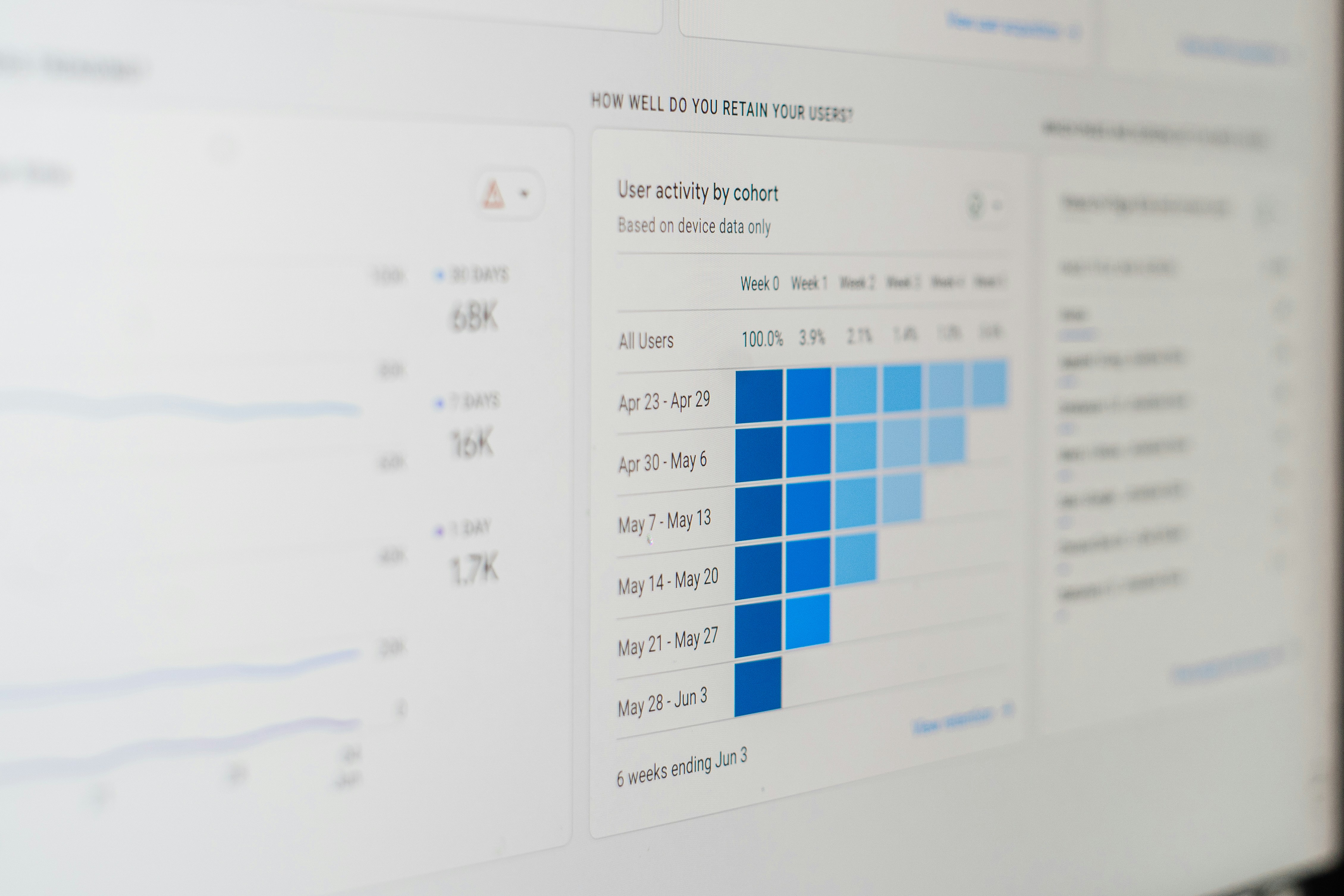
What is Looker Studio?
Looker Studio is a sophisticated data analytics and business intelligence platform designed to convert raw data into meaningful insights. This tool empowers organizations to harness their data effectively, transforming it into actionable information that can drive strategic decision-making. With the increasing complexity of data management, Looker Studio stands out by providing a user-friendly interface combined with powerful analytical capabilities.
One of the primary purposes of Looker Studio is to facilitate data exploration and visualization. By enabling users to build comprehensive dashboards and reports, this tool allows businesses to comprehend trends and patterns within their data seamlessly. Users can gain real-time insights that are critical when making informed strategic choices. The platform supports a wide array of data sources, which can be integrated effortlessly, ensuring that all relevant information is at the fingertips of decision-makers.
Looker Studio features various functionalities that enhance data reporting and visualization. For instance, it empowers users with customizable dashboards that can be tailored to meet specific organizational needs. Additionally, Looker Studio provides a robust modeling layer, allowing data analysts to define metrics, create custom dimensions, and ensure that the data being analyzed is accurate and relevant. These features create a foundation for creating insightful reports that can be disseminated across teams, improving overall collaboration and data literacy within organizations.
Furthermore, Looker Studio is designed to support a culture of data-driven decision-making. By offering capabilities that simplify complex data interactions, it encourages teams to utilize analytics in their daily tasks. This, in turn, fosters an environment where making informed decisions based on data is standard practice. Overall, Looker Studio serves as an indispensable tool for organizations aiming to leverage data analytics to its fullest potential.
How Looker Studio Works
Looker Studio operates by utilizing a robust architecture that streamlines the process of data reporting and visualization. At its core, Looker Studio employs a unique data modeling layer, which is essential for transforming raw data into user-friendly, visual reports. This data modeling process is executed through LookML, a powerful modeling language designed specifically for Looker. LookML allows data analysts to define relationships between different data sources, create measures and dimensions, and ultimately enable data exploration for end-users.
Once the data is modeled, users can delve into data exploration. Looker Studio provides an intuitive interface that enables users to construct ad hoc queries without needing advanced coding skills. This empowerment means that business users can independently explore data and generate insights, thereby enhancing the overall productivity of organizations. The capability for real-time data exploration makes the platform particularly effective for decision-making processes, as it facilitates quick answers to complex business questions.
The visualization capabilities of Looker Studio are equally impressive. Users can create informative dashboards and reports using a myriad of visualization options, such as charts, graphs, and tables. This flexibility allows businesses to present data in a way that is both visually appealing and easy to interpret. Furthermore, Looker Studio supports integration with other applications and platforms, enhancing its functionality and ensuring seamless data flow across environments.
Technical requirements for getting started with Looker Studio are fairly straightforward. Organizations need to ensure they have access to the cloud infrastructure that supports the platform, particularly if utilizing Looker’s API for integration purposes. Additionally, a basic understanding of database management and SQL may benefit users seeking to leverage the full potential of Looker Studio.
Key Features of Looker Studio
Looker Studio stands out in the world of data reporting and analysis due to its robust and versatile feature set that accommodates a wide range of users, from data analysts to business stakeholders. One of the prominent features of Looker Studio is its advanced data visualization tools, which allow users to create compelling graphical representations of complex datasets. These visualizations include a wide array of charts, graphs, and maps that facilitate the easy interpretation of data trends and patterns, thereby enhancing decision-making processes.
Another significant feature is the ability to create custom dashboards. Looker Studio empowers users to design their dashboards by selecting relevant metrics that matter most to their specific business needs. This customization ensures that the data presented is not only relevant but also actionable, enabling organizations to respond swiftly to changing market dynamics. The drag-and-drop interface simplifies the customization process, making it accessible for users regardless of their technical expertise.
Real-time data exploration is yet another powerful aspect of Looker Studio. Users can access up-to-the-minute data insights, which is crucial for organizations that operate in fast-paced environments. This feature allows stakeholders to engage with their data dynamically, driving deeper analysis and informed decision-making on the fly. Additionally, the collaboration tools integrated within Looker Studio enable seamless communication between team members. Users can share insights, comment on data points, and work collectively on reports, thus fostering a collaborative culture around data-driven strategies.
Furthermore, the platform is designed to be user-friendly, making it an attractive option for both technical and non-technical users. The intuitive interface and comprehensive support resources ensure that individuals can leverage the power of Looker Studio without the steep learning curve typically associated with complex data tools. By combining advanced features with accessibility, Looker Studio truly enhances the effectiveness of data reporting in various organizational contexts.
Setting Up Looker Studio
To effectively utilize Looker Studio, a methodical setup process is crucial. Begin by accessing the Looker Studio platform through your preferred web browser. Once logged in, the first step is to connect your data sources. Click on the ‘Add Data Sources’ option, where you will find a variety of connectors to integrate databases, spreadsheets, or other applications. Select the appropriate connector for your data source, such as Google Sheets or a SQL database, and follow the prompts to establish the connection. Ensure that you grant the necessary permissions for Looker Studio to access your data.
After establishing your data connections, the next vital step is to configure the environment. This involves setting up the Looker Studio workspace according to your organization’s needs. You can customize the workspace layout, create folders for projects, and apply templates to maintain consistency across reports. Additionally, aim to define the key parameters and metrics that will be predominantly utilized in your reporting to enhance clarity and focus.
Ensuring secure and efficient data handling is paramount, and this hinges on effectively managing user permissions. Navigate to the ‘User Management’ section within Looker Studio. Here, you can invite team members by sending them an invitation link or adding their email addresses directly. Assign specific roles to each user based on their responsibilities, such as Viewer, Editor, or Admin, which will dictate their level of access to the data and reports. It is also advisable to regularly review user permissions to ensure alignment with any changes in team composition or project requirements.
Following these steps will provide a solid foundation in Looker Studio, setting the stage for streamlined data reporting and insightful analysis.
Creating Your First Report in Looker Studio
Creating a report in Looker Studio is a straightforward process that allows users to visualize and interpret their data effectively. To begin, launch Looker Studio and select “Create New Report.” The first step is to connect your data source. This can be a spreadsheet, database, or cloud service. Click on the “Add Data” button and choose your preferred data source. Follow the prompts to authorize and link it to Looker Studio.
Once your data is connected, you will be directed to a blank report canvas. Here, you can start building your visualizations. First, select the type of chart or graph that best represents the information you want to convey – options include bar charts, line graphs, or pie charts. Drag your selected visualization onto the canvas. Utilize the panel on the right to customize your data fields by dragging dimensions and metrics into the appropriate sections for the visualization. It’s important to consider what insights you want to extract, allowing the data to dictate the choice of visualization.
Next, you can add filters to your report to help narrow down the data being displayed. This is done by selecting “Add a Filter” from the toolbar. You can set rules, such as including data points that meet specific criteria, providing a more focused view of your data trends. Filters can be especially useful when you want to analyze subsets of your dataset, such as sales by region or customer demographics.
As you experiment with Looker Studio, try integrating different visual styles and comparative metrics to see the diverse ways of presenting your data. The flexibility of Looker Studio allows you to customize your reports in numerous ways. By practicing and exploring various report types, you’ll become more adept at using Looker Studio to enhance your overall data reporting capabilities.
Best Practices for Using Looker Studio
Utilizing Looker Studio effectively requires adherence to best practices that enhance data reporting through clean, well-structured, and meaningful presentations. First and foremost, ensure that all data imported into Looker Studio is meticulously curated. This means validating source data for accuracy and completeness before it is uploaded to the platform. Clean data is crucial to generating reliable reports, as errors in data can lead to misleading insights, impacting decision-making processes. Use tools available within Looker Studio to assess data quality and rectify any inconsistencies prior to analysis.
Following data importation, focus should shift to designing clear and intuitive visualizations. Looker Studio provides a variety of visualization options, allowing users to tailor data presentations based on the target audience. When crafting reports, prioritize simplicity and clarity. Choose visual elements that effectively communicate the story behind the data. Avoid clutter by limiting the number of visualizations per report and maintaining a consistent design theme, which aids in the comprehension of complex information. Integrating filters and drill-down functionalities can further enhance interaction, enabling users to explore data at varying levels of detail.
Additionally, maintaining robust data governance is essential when using Looker Studio. This involves establishing clear protocols for who can access, modify, and share reports, ensuring that data remains secure and trustworthy. Regular audits should be conducted to monitor compliance with these governance practices. Ensure that all users are trained not only in how to utilize Looker Studio but also in understanding the significance of data accuracy and integrity. By fostering a culture of responsible data management, organizations can leverage Looker Studio to its fullest potential, transforming raw datasets into impactful insights.
Case Studies: Looker Studio in Action
Companies across various sectors have turned to Looker Studio to elevate their data reporting and analytics capabilities. One notable case is that of a global e-commerce retailer. By implementing Looker Studio, the organization achieved a significant enhancement in their reporting processes. They customized dashboards to align with key performance indicators (KPIs), enabling real-time monitoring of sales trends and inventory levels. With the integration of Looker Studio’s robust data visualization tools, decision-makers gained immediate access to actionable insights, leading to more informed strategic choices that bolstered their revenue growth.
Another compelling example comes from a healthcare provider that aimed to improve patient outcomes through better data analysis. By adopting Looker Studio, the organization was able to compile disparate data sources into a centralized platform. This integration allowed healthcare professionals to visualize patient demographics, treatment efficacy, and resource allocation effortlessly. The insights derived from Looker Studio facilitated data-driven decisions that enhanced healthcare delivery and optimized operational efficiencies. Consequently, they achieved improved patient satisfaction scores and reduced wait times, further affirming the positive impact of Looker Studio on their reporting capabilities.
In the financial services industry, a leading investment firm utilized Looker Studio to refine its portfolio management processes. The firm began leveraging Looker Studio’s data exploration functionalities to uncover insights into market trends and client behavior. By visualizing this data through intuitive dashboards, analysts delivered concise reports to stakeholders, drastically reducing the time spent on data aggregation and analysis. The insights gained empowered them to adjust investment strategies swiftly, ultimately leading to a stronger position in the market.
These case studies illustrate the transformative potential of Looker Studio in enhancing reporting efficiency and decision-making across various industries. By leveraging the platform’s capabilities, organizations can not only gain insights but also align their actions with strategic objectives, thereby realizing substantial improvements in performance and outcomes.
Common Challenges and Troubleshooting
As users engage with Looker Studio, they may encounter several common challenges that can hinder the reporting process. Understanding these issues and their corresponding troubleshooting strategies is essential for maximizing the effectiveness of Looker Studio. One frequent challenge revolves around data connections. Users may experience difficulties connecting to data sources, leading to incomplete reports. To address this, it is advisable to verify data source credentials and ensure that access rights are adequately configured. Additionally, checking the compatibility of the data source with Looker Studio can offer further insights into resolving connectivity issues.
Another area where users often face challenges is report creation. Report-building can become complex, especially for those unfamiliar with the environment. In such cases, utilizing Looker Studio’s built-in templates can expedite the creation process. Furthermore, users should leverage the community forums and documentation provided by the platform for instructional resources and examples. This practice not only aids in learning the tool but also helps in overcoming specific barriers related to formatting and layout adjustments.
User access rights can also present a significant hurdle. In organizations with multiple stakeholders, ensuring that the right individuals have the appropriate access levels is critical. Issues often arise when trying to provide user permissions that align with organizational roles. To resolve this, it is recommended to familiarize oneself with Looker Studio’s user management features to audit and adjust access settings accurately. Regular reviews of access rights can prevent inadvertent restrictions and facilitate smoother collaboration across teams. By understanding these common challenges and implementing practical troubleshooting tips, users can optimize their experience with Looker Studio, facilitating more effective data reporting.
Getting Support and Further Learning
When utilizing Looker Studio, it is essential to have access to comprehensive support resources and learning opportunities to maximize its potential for data reporting. Various avenues exist for users seeking assistance or wishing to deepen their understanding of the Looker Studio platform.
First and foremost, the official documentation serves as a vital resource. It offers in-depth explanations of features, detailed guides on functionality, and troubleshooting tips for common issues. Users can reference this documentation to familiarize themselves with Looker Studio’s capabilities, making it an invaluable entry point for both beginners and advanced users alike.
In addition to the formal documentation, community forums provide a platform for interaction. Here, users can pose questions, share experiences, and exchange best practices with fellow Looker Studio enthusiasts. These discussions often yield practical solutions and innovative approaches to leveraging the tool effectively. Engaging in such forums can help users build a network, thus facilitating knowledge sharing and fostering a supportive community.
For those seeking more personalized assistance, professional services are available. Looker offers a range of consulting services, where expert teams can provide tailored support to address specific business requirements or data challenges. These services can reinforce a user’s capabilities, ensuring that they fully harness the power of Looker Studio.
To elevate your skills further, numerous online tutorials and courses can be accessed, covering topics from basic functionality to advanced data visualizations. Platforms like Udemy and Coursera frequently update their content with the latest trends and best practices surrounding Looker Studio. Participating in these structured learning experiences can enhance not only individual skills but also the overall effectiveness of data reporting.
By leveraging available support and continuous learning resources, users can effectively utilize Looker Studio, leading to more insightful data analyses and improved decision-making processes.
Connect with Us
If you are interested in maximizing the potential of Looker Studio for your data reporting needs, we encourage you to reach out to us for personalized assistance. Whether you are just starting to explore the capabilities of Looker Studio or you are looking for advanced reporting solutions, our team is here to support you. By connecting with us, you can gain access to tailored advice that suits your specific business requirements.
To get in touch, please visit our Contact Us page. Here, you will find various options for reaching our support team, and we will be more than happy to answer your questions or assist you in navigating Looker Studio. Our experts are well-versed in its functionalities and can help ensure that you are making the most of your data reporting process.
Moreover, if you wish to explore our Looker Studio reporting services, you can learn more about the range of services we offer by heading over to our Looker Studio Reporting Services page. This page includes detailed descriptions of various services that can help you improve your data analysis and reporting effectiveness, empowering you to make informed decisions based on comprehensive insights.
Additionally, we invite you to visit our blog for ongoing insights and updates related to Looker Studio. Our blog is regularly updated with informative articles, tips, and best practices that can enhance your understanding and application of Looker Studio in your organization. By leveraging these resources, you can stay informed about the latest developments and optimize your use of this powerful tool.