Introduction to Instagram Insights
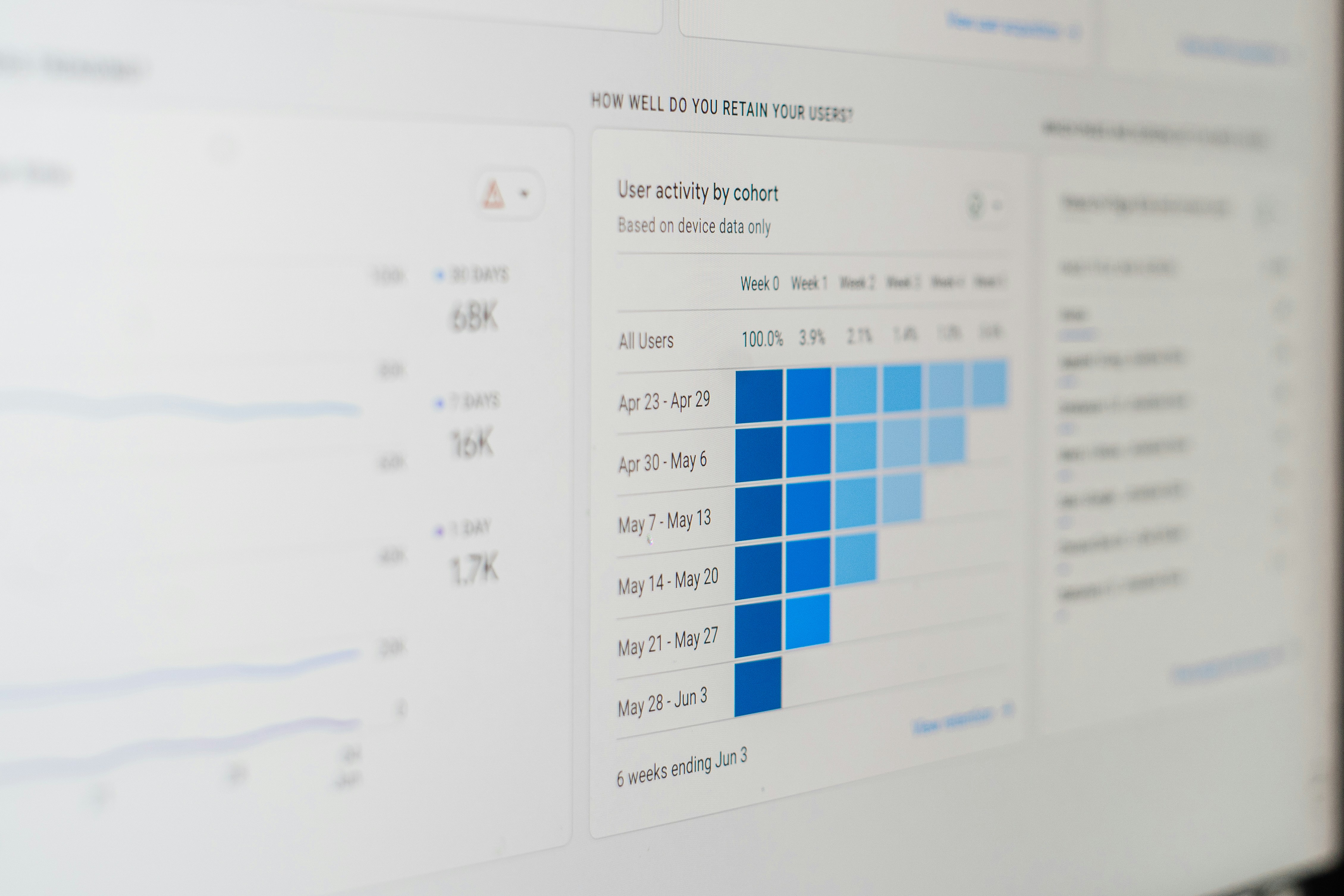
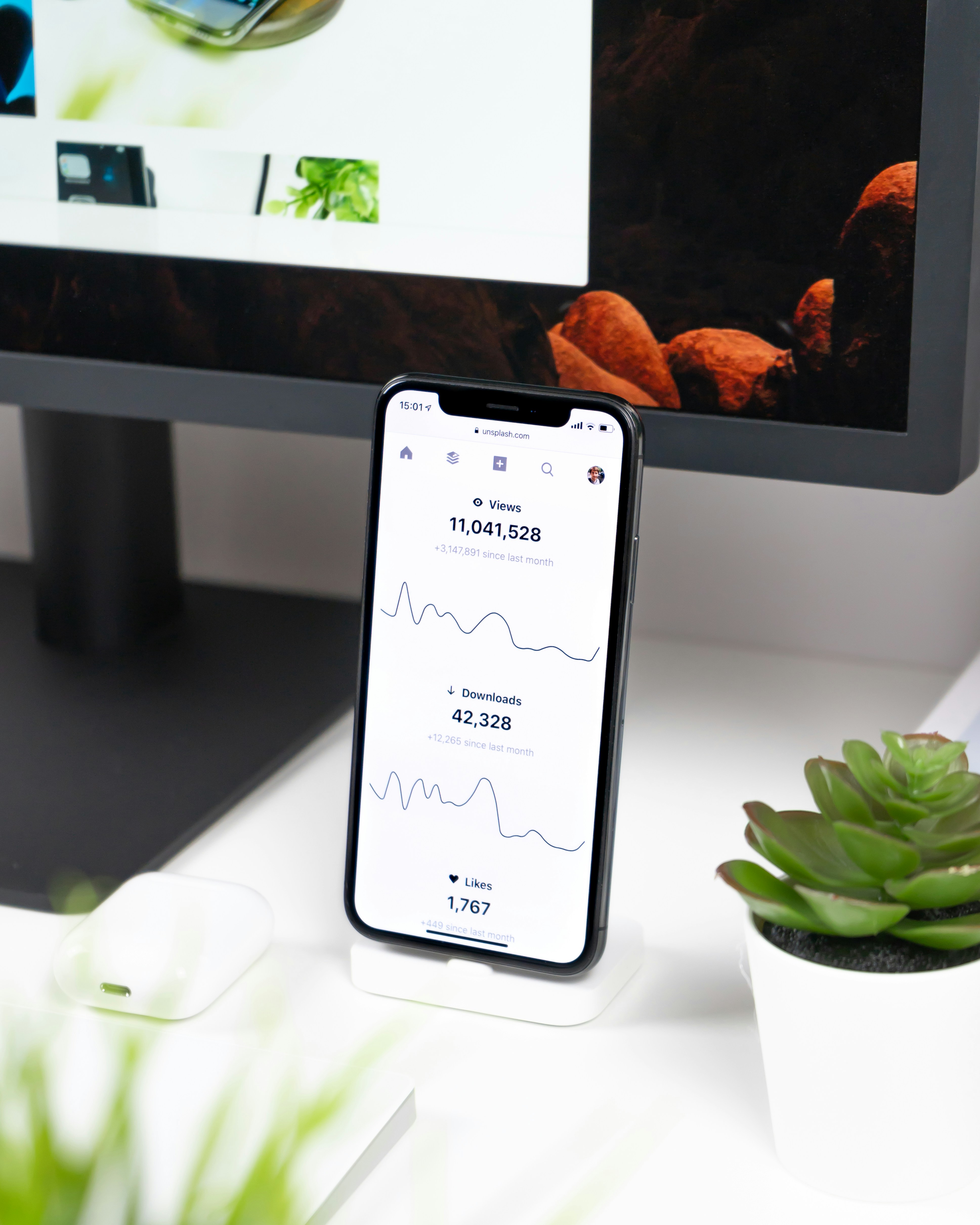
Instagram Insights serves as an invaluable tool for users aiming to refine their social media strategy. Designed specifically for business accounts and creators, it offers a robust analysis of how posts perform on the platform. By providing metrics on audience engagement, reach, and impressions, it empowers users to comprehend their content’s effectiveness and to make informed decisions based on accurate data. Understanding the performance of posts is essential in today’s competitive digital landscape, where audience attention is fleeting.
The significance of Instagram Insights extends beyond mere data tracking. It allows users to analyze who their audience is, how they interact with content, and what types of posts generate the most interest. This analytical capability enables businesses and creators to tailor their Instagram strategies to better meet the needs and preferences of their audience. Moreover, the insights provided cover demographics, including age, gender, location, and the times when their audience is most active. Such details are crucial not only for content creation but also for scheduling posts at optimal times to maximize engagement and reach.
When asking if Instagram Insights are accurate, it is vital to recognize that the precision of these analytics directly influences the effectiveness of strategies implemented by users. Accurate data allows for a clearer understanding of audience behavior and enables content adjustments that align with viewer preferences. Fostering an environment where data-driven decisions are made is key in cultivating an effective Instagram presence, ultimately leading to enhanced user experience and brand visibility. As users delve deeper into Instagram Insights, the importance of accuracy in interpreting these metrics cannot be overstated. A keen awareness of how to decipher these insights will aid in crafting a successful and engaging Instagram strategy.
Understanding the Metrics: What Instagram Insights Tracks
Instagram Insights is a robust analytics tool designed to provide users with a comprehensive understanding of their account performance. It tracks various metrics that are crucial for gauging the effectiveness of social media marketing efforts. Primarily, four key metrics are highlighted: reach, engagement, impressions, and follower demographics.
Firstly, reach refers to the total number of unique accounts that have viewed a post or story. This metric is vital as it indicates the potential audience size and the effectiveness of content in reaching new users. A higher reach signifies that the content is being seen by a wider audience, which often correlates with increased brand awareness.
Secondly, engagement measures the interactions that users have with your content, encompassing likes, comments, shares, and saves. This metric is significant because it reflects how well your audience resonates with the material. Higher engagement rates typically indicate that the content is engaging and relevant to the target audience, making it an important indicator of social media success.
Impressions, on the other hand, track the total number of times a post or story is displayed, regardless of whether it was clicked or interacted with. While impressions provide insight into overall visibility, they should be analyzed alongside reach to understand the effectiveness and frequency of the content’s exposure.
Lastly, follower demographics provide further clarity into who your audience is, including age, gender, location, and activity times. This data plays a critical role in tailoring content strategies to better meet the preferences and habits of your target audience.
In conclusion, understanding these metrics allows businesses and creators to assess the effectiveness of their marketing strategies on Instagram. By leveraging these insights, you can make informed decisions that can enhance engagement and expand your reach in a competitive landscape.
Factors Influencing Instagram Insights Accuracy
Understanding the accuracy of Instagram Insights is crucial for brands and content creators who rely on analytics to guide their social media strategies. However, several factors can significantly influence the reliability of the data presented. One primary concern relates to the limitations in data sampling. Instagram may not capture 100% of user interactions or engagement, leading to potential discrepancies in reported metrics. For instance, if a post garners a vast amount of engagement within a short period, the system might sample that data, resulting in less accurate insights regarding reach and impressions.
Algorithm changes also play a significant role in determining how insights are calculated and displayed. Instagram frequently updates its algorithms, which may impact visibility, user engagement, and the way insights are derived. These updates may cause fluctuations in data, making it challenging for users to assess the true performance of their content over time. Consequently, insights may not always reflect actual audience reactions or engagement levels, which can be concerning for those looking to measure the effectiveness of their social media efforts.
Additionally, user behavior patterns can affect the objectivity of Instagram Insights. Different demographics may interact with content differently, influenced by cultural trends, norms, and preferences. External events, such as trending topics or seasonal holidays, can also skew engagement metrics. For example, during major events or holidays, users may exhibit heightened interaction with certain content types, leading to spikes in engagement that do not represent long-term trends. Hence, when evaluating Instagram analytics, one must consider these factors, as they collectively contribute to the question of whether Instagram Insights are accurate representations of actual performance.
Common Misconceptions About Instagram Insights
Despite Instagram Insights providing various metrics regarding account performance, several misconceptions persist regarding the accuracy and significance of this data. One prevailing misconception is the belief that all engagement metrics are equally significant. Users often assume that a high number of likes is indicative of overall success, neglecting the importance of comments and shares. While likes can provide a glimpse into content popularity, they do not capture the depth of audience engagement. Comments and shares can often reflect a deeper connection with the audience, suggesting that varied engagement types should be assessed in conjunction to form a comprehensive view of performance.
Another common belief is that the data presented in Instagram Insights is entirely reliable and free of errors. In reality, while the platform strives for accuracy, fluctuations can occur due to algorithm changes or data reporting delays. Users must be cautious when relying solely on these metrics for decision-making. Misinterpretation of Insights data can lead brands and influencers to draw incorrect conclusions about their audience’s preferences, resulting in misguided marketing strategies. For optimal outcomes, it is essential to corroborate Instagram Insights with additional analytics tools or metrics from other platforms, allowing for a more rounded understanding of performance.
Moreover, there is a tendency to overlook the context behind the numbers. For instance, seasonal trends, current events, and audience demographics can significantly influence engagement rates and should be considered when analyzing Insights. Ignoring these factors might lead to misconstrued assumptions about the effectiveness of specific posts or campaigns. Understanding these nuances is critical, as it allows users to make informed, strategic decisions regarding their content. Addressing these misconceptions surrounding Instagram Insights ultimately enables brands and influencers to harness the platform effectively while leveraging accurate, meaningful data.
Comparing Instagram Insights with Other Analytics Tools
Instagram Insights provides users with valuable data about their posts and audience interactions directly within the app. However, the question of whether Instagram Insights are accurate is often raised, prompting users to explore alternative analytics platforms. In the ever-evolving landscape of social media metrics, various third-party tools have emerged, each with its own set of strengths and weaknesses compared to native Instagram data.
One notable advantage of third-party analytics tools is their ability to aggregate data across multiple social media platforms. Unlike Instagram Insights, which is limited to Instagram-specific metrics, platforms like Hootsuite, Sprout Social, and Buffer offer a holistic view of a brand’s performance across various channels such as Facebook, Twitter, and LinkedIn. This cross-platform data can be beneficial for businesses aiming to measure overall social media effectiveness, as it allows for a comprehensive evaluation of content performance regardless of where the audience engages.
Additionally, many third-party tools provide advanced reporting features and data visualizations that can facilitate deeper analysis. For instance, they can track custom KPIs and tailor insights according to specific business goals. This added layer of customization may prove advantageous for brands looking to find correlations between efforts on Instagram and other platforms, thereby enhancing their strategy.
However, relying solely on external analytics tools may come with drawbacks. Costs associated with these platforms can escalate, and some tools might not capture Instagram data as comprehensively as Instagram Insights itself. Users may find that outliers in data are more prevalent in third-party applications due to differences in tracking methods. Therefore, while Instagram Insights are accurate within the confines of Instagram, using external tools can provide a broader perspective, albeit with potential limitations. It’s crucial for brands to weigh these options to decide the best approach for their analytics needs.
Real-Life Case Studies: Success Stories with Insights
Many businesses and influencers have experienced significant growth and engagement on Instagram by utilizing the platform’s analytics features effectively. One notable case is the beauty brand Glossier, which meticulously monitored their Instagram Insights to understand audience preferences. By studying the data, Glossier identified their most popular posts and themes, allowing them to create content that resonated with their audience. This approach led to a substantial increase in follower engagement, ultimately resulting in boosted sales and brand loyalty.
Another example comes from a travel blogger who harnessed Instagram Insights to enhance their content strategy. By analyzing their audience demographics and engagement metrics, they discovered that their followers were particularly interested in eco-friendly travel tips. Armed with this knowledge, they pivoted their content to focus more on sustainable travel practices. The result was a marked increase in likes, shares, and comments on their posts. The insights proved to be a valuable asset in steering their content towards what the audience genuinely desired, emphasizing how Instagram insights are accurate reflections of user interests.
Similarly, a fitness instructor leveraged Instagram Insights to inform their marketing strategy. By tracking which types of fitness tutorials garnered the most interest, they adjusted their posting schedule and content themes. This data-driven approach brought about a 30% increase in engagement over three months. These case studies illustrate the potential of utilizing Instagram Insights accurately to refine one’s strategy, raise audience engagement, and ultimately elevate performance on the platform.
Tips to Enhance the Accuracy of Your Instagram Reports
To maximize the accuracy of your Instagram Insights, users must actively engage in practices that foster a clearer understanding of their analytics. One effective approach is to conduct regular audits of your insights. By systematically reviewing your data at consistent intervals, you can identify trends and fluctuations in engagement and reach. This ongoing evaluation allows you to discern whether the reported metrics align with your expectations and the overall goals of your social media strategy.
Understanding demographic shifts is another critical aspect of ensuring the accuracy of your Instagram reports. Your audience’s interests and behaviors can evolve over time, influencing how they interact with your content. By analyzing demographic data such as age, gender, and location available through Instagram Insights, you can adapt your content and marketing strategies to resonate more effectively with your followers. This proactive approach not only enhances engagement but also contributes to more reliable data interpretation.
Additionally, aligning your posting schedule with audience activity can significantly improve the accuracy of your insights. Instagram Insights provide information on when your followers are most active online. By utilizing this knowledge to time your posts optimally, you can increase visibility and engagement rates, thus providing clearer metrics in your reports. This strategic scheduling helps ensure that the reports generated accurately reflect the performance of your posts, leading to more informed decisions based on the data.
Implementing these strategies will help refine your understanding of Instagram Insights and ensure that the information you glean is both accurate and actionable. Regularly auditing insights, being conscious of demographic changes, and timing your posts according to audience activity are all steps toward enhancing the reliability of your Instagram reporting.
The Future of Instagram Analytics
The landscape of social media analytics is continuously evolving, and Instagram Insights is no exception. Looking ahead, we can expect significant advancements in data accuracy and the overall functionality of Instagram’s analytics tools. As the demand for precise information and actionable insights grows, Instagram is likely to invest in improving the algorithms that power these metrics. The focus on authentic engagement over superficial likes could lead to a more robust understanding of audience behavior and interaction levels, allowing users to measure their performance more accurately.
In the near future, users may see the introduction of new metrics that capture nuanced audience interactions. For instance, as brands look to build deeper connections with their followers, metrics that track sentiment analysis or emotional engagement could become standard components of Instagram Insights. Such advancements would not only provide businesses with richer data but also enable them to tailor their content strategies more effectively.
Furthermore, the integration of artificial intelligence (AI) and machine learning into Instagram analytics is anticipated to revolutionize how users interpret their data. Advanced predictive analytics could allow users to forecast trends based on historical data, offering a more proactive approach to content planning. With AI algorithms, brands will likely gain the ability to automatically identify the best times to post, optimal content types, and audience segments most likely to engage.
As these technologies evolve, it is essential for users to stay updated on how Instagram Insights adapts. Understanding these changes will be crucial in navigating the future of social media marketing effectively. Ultimately, the accuracy and reliability of Instagram Insights are expected to enhance, empowering users to make data-driven decisions with confidence.
Conclusion: Navigating Instagram Insights Effectively
In wrapping up our exploration of Instagram Insights, it is crucial to recognize the significance of accurate analytics in shaping a successful social media strategy. Many users often question whether Instagram Insights are accurate, and while the platform provides valuable metrics, understanding the context of these numbers is essential. Instagram offers data about engagement rates, follower demographics, and post performances, yet interpreting these metrics requires a nuanced approach.
To effectively navigate Instagram Insights, users must engage with their analytics regularly. This includes analyzing trends over time, identifying what content resonates most with their audience, and adjusting strategies based on informed decisions. Rather than viewing insights as definitive measures of success, consider them as stepping stones toward greater engagement and brand recognition. Recognizing the limitations of the platform’s analytics ensures that users maintain realistic expectations about performance. It is acknowledged that there can be discrepancies in data reporting, which may lead users to question the question: are Instagram insights accurate enough for strategic decision-making?
Moreover, continuous learning is essential in the digital landscape. Users are encouraged to explore additional resources that delve deeper into social media analytics. These resources can offer insights on interpreting data trends, understanding algorithm changes, and refining content strategies. By staying informed, users can harness the potential of Instagram Insights effectively, allowing for a more data-driven approach to their social media endeavors. This not only enhances content performance but also builds a more engaged community. Thus, leveraging the benefits of Instagram analytics while acknowledging its challenges is key to navigating this dynamic platform successfully.