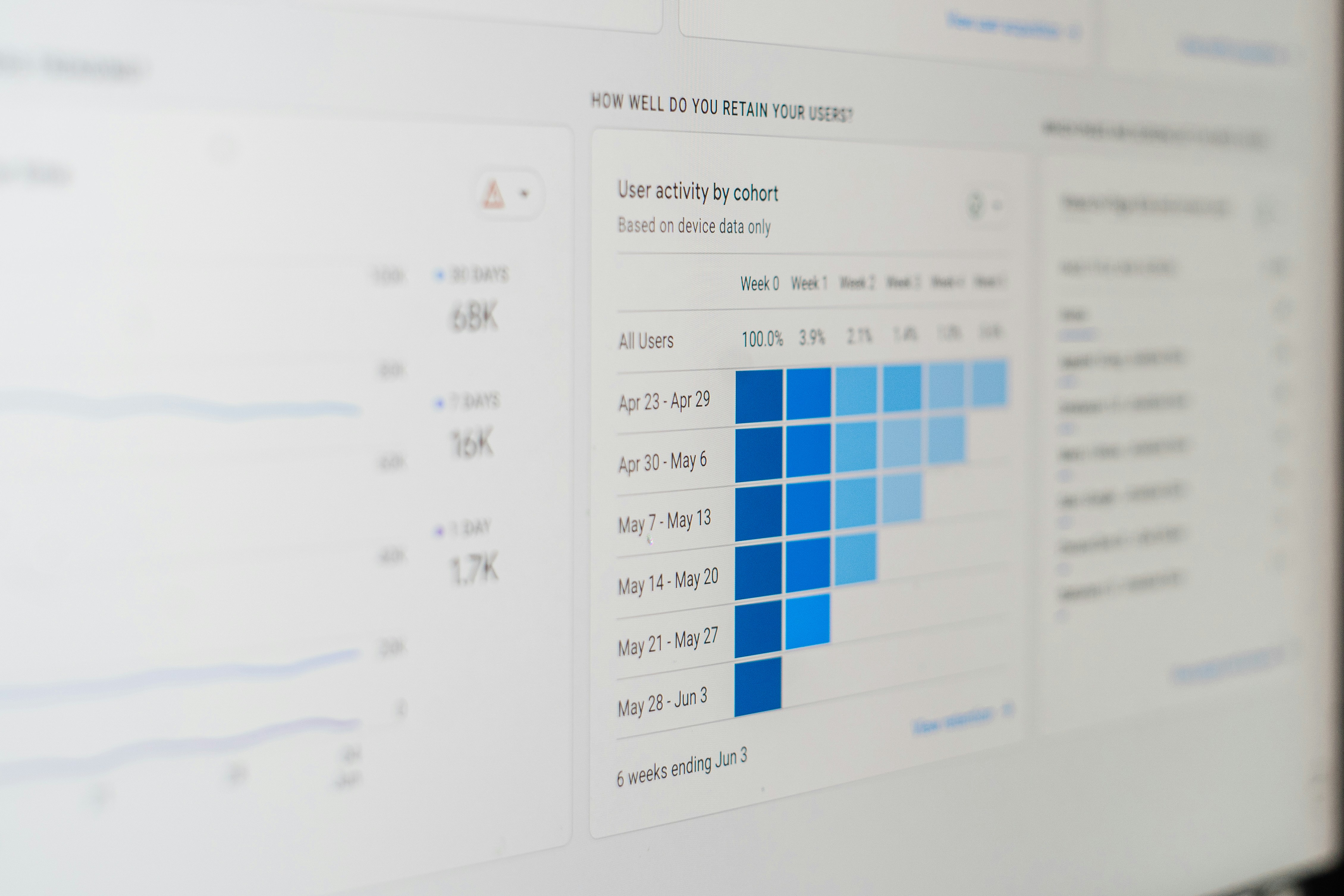
Introduction to Looker Studio Connectors
Looker Studio is a powerful data visualization and reporting tool that facilitates in-depth analysis through interactive dashboards and reports. It allows users to connect to various data sources, enabling seamless access to insights essential for decision-making processes. The significance of Looker Studio in the realm of data analytics cannot be overstated, as it provides businesses with the capability to transform raw data into meaningful visual narratives.
Within Looker Studio, connectors play a crucial role by serving as bridges between the platform and data sources. A connector is a component that enables Looker Studio to extract data from external systems, such as databases, spreadsheets, and cloud storage services. These connectors facilitate data accessibility by ensuring that users can easily import and visualize their information without requiring extensive technical expertise. By leveraging connectors, organizations can streamline their data processes and enhance their overall analytical capabilities.
Custom connectors offer even greater advantages, allowing businesses to tailor data integration to their unique requirements. Instead of relying solely on pre-built connectors that may not fit specific business models or data architecture, creating a custom connector provides the flexibility needed to address particular use cases. This approach ensures that organizations can access the precise data they need in a format that aligns with their reporting and visualization goals.
In summary, Looker Studio’s connectors are fundamental to its functionality, facilitating access to diverse data sources. Understanding their importance and the potential benefits of creating custom connectors is vital for organizations looking to optimize their data reporting and visualization efforts, ensuring that they can effectively address their specific business needs.
Why Build Your Own Connector?
Creating a custom connector for Looker Studio offers distinct advantages over relying on pre-existing solutions, particularly when dealing with unique data requirements. By building your own connector, you can create a tailored data solution that fulfills specific organizational needs, ultimately enhancing the comprehensiveness and relevance of your reporting. This customization allows for seamless integration with unique data sources that may not be adequately supported by standard connectors, thereby ensuring that all critical data is accessible for analysis.
One of the primary benefits of constructing a custom connector is the ability to design it specifically for your organization’s data architecture. This ensures that you can efficiently query and manipulate your data in ways that align with your business objectives. For example, if your business relies on niche databases or exclusive APIs, a custom connector can be developed to optimize the data extraction process and streamline the integration, leading to timely and accurate insights.
Moreover, a custom connector fosters better decision-making capabilities by enabling deeper analytical processes that align closely with unique business requirements. The flexibility to define which datasets to include and how to visualize them can lead to more meaningful insights. When stakeholders are able to tailor the data they analyze, it not only promotes data-driven decision-making but also enhances team collaboration and engagement. This alignment of data presentation with strategic priorities is a significant advantage of building a custom connector over using generic pre-packaged options.
In conclusion, creating a custom connector for Looker Studio can yield substantial benefits that enhance both the integration of unique data sources and the quality of insights derived from them. This approach ensures that businesses can leverage their data effectively, leading to improved overall performance and strategic planning.
Understanding the Basics of API Integration
API integration is a fundamental concept that underpins the creation of custom connectors, particularly in tools like Looker Studio. An Application Programming Interface (API) serves as a bridge between different software applications, allowing them to communicate and share data seamlessly. This integration streamlines processes, enhances functionality, and expands the capabilities of existing software solutions.
At its core, an API defines the methods and data formats that applications can use to request and exchange information. Understanding the terminology associated with APIs is essential for developers. Key terms include endpoints, which are specific URLs provided by the API for accessing data or services; requests, which are the calls made by the client to access this data; and responses, which are the messages returned by the API, usually in formats like JSON or XML.
Different types of data can be retrieved using APIs, ranging from basic information such as user profiles to complex datasets screening a variety of parameters. This capability is crucial for data integration, as it allows users to bring disparate data sources together into a cohesive framework. The ability to pull in real-time data, automate processes, and integrate analytics significantly boosts the effectiveness of business operations.
Furthermore, APIs are vital for ensuring that data remains up-to-date and accurate across platforms. They enable organizations to leverage existing data and incorporate it into their analysis and reporting efforts without manual intervention. This automatic retrieval of data enhances decision-making processes, making API integration an invaluable asset for developers looking to build custom connectors for Looker Studio.
Steps to Build Your Own Connector for Looker Studio
Developing a custom connector for Looker Studio is a methodical process that involves several critical steps. Begin by setting up API access, which is paramount to ensure that your connector can communicate seamlessly with the desired data source. First, navigate to the API provider’s developer console to create a new application. This will typically generate credentials such as a client ID and client secret, necessary for authentication.
Once you have secured your API access credentials, the next step involves coding your connector. It is advisable to use JavaScript for this purpose, as Looker Studio primarily supports this language for custom connectors. You can initiate this by leveraging the Looker Studio connector template available in the official documentation. This template provides a solid foundation by illustrating necessary functions like getSchema() and getData(), which are essential for mapping data fields and retrieving data, respectively.
Next, focus on defining the schema of your datasets. This involves outlining all the fields that will be accessible through Looker Studio. You can utilize examples in the documentation as a guide to structure your outputs properly. Typical considerations include field names, types, and any metadata that users need to understand the nature of the data being fetched. Remember to ensure that your field definitions align well with the data structure SDK.
After establishing the schema, the following action is to implement the logic for fetching data from your API. This code will depend significantly on the format of the API responses such as JSON or XML. Take care to handle delays or errors gracefully to enhance user experience. Once you have coded the fetch logic, it’s time to test your connector thoroughly.
Finally, configure your connector in Looker Studio by uploading the script along with the necessary configuration settings. This integration process allows you to validate your connector’s functionality by producing preview data that you can analyze in reports. Completing these steps will enable you to efficiently build and utilize your own connector within Looker Studio.
Common Challenges and Solutions in Building Connectors
Creating your own connectors for Looker Studio often presents various challenges that can hinder the development process and the effectiveness of the connector itself. This section aims to identify common obstacles and offer practical solutions.
One of the most frequent issues encountered is authentication problems. Connectors must authenticate users reliably to deliver data seamlessly. To address this, implement robust authentication methods such as OAuth2, which provide a standardized protocol for secure access. Additionally, it is essential to ensure that error messages generated during authentication are clear and informative, allowing users to take corrective actions without confusion.
Another challenge is related to data fetching errors. When building connectors, developers may experience issues with fetching data accurately or efficiently. This can be attributed to various factors, including inadequate API configurations or network connectivity problems. To mitigate these issues, it is advisable to thoroughly review and test API endpoints prior to deployment. This step allows developers to confirm that the connector can retrieve data as expected. Furthermore, implementing logging mechanisms can assist in diagnosing and troubleshooting any data retrieval issues that arise during operations.
Performance concerns also emerge as a significant challenge in connector development. As data volumes grow, ensuring optimal performance becomes paramount. Developers can enhance the performance of their connectors by leveraging techniques such as caching responses and limit the amount of data fetched during each request. This strategy can reduce load times and improve the user experience when interacting with Looker Studio. Regular performance testing can also help identify bottlenecks and areas where optimizations are necessary.
In summary, while building connectors for Looker Studio can be fraught with challenges, embracing best practices and proactive troubleshooting techniques can significantly alleviate these issues and yield a successful integration.
Testing and Deploying Your Connector
Once you have developed your own connector for Looker Studio, the next crucial step is to rigorously test its functionality and reliability. Testing involves running various scenarios to ensure that the connector performs as expected under diverse conditions. Begin by checking the data integrity by sending test queries to your data source through the connector. Look for accuracy in the returned data, and make sure it aligns with the source data, thus confirming that your connector transmits data correctly.
Another essential aspect of testing is to evaluate the performance of the connector. Focus on response times, particularly with larger data sets, as slow performance may hinder user experience. Make necessary optimizations based on the test results, such as adjusting query structures or improving caching mechanisms, which can enhance the speed and efficiency of the data retrieval.
After successful testing, the next step is deploying the connector within Looker Studio. This typically involves uploading your connector code to the appropriate environment as per the documentation provided by Looker Studio. Ensure that you have all required permissions and follow their deployment guidelines meticulously to prevent any errors during the launch phase. During deployment, consider utilizing version control systems, which can provide a method for tracking changes and reverting to previous iterations if issues arise.
Lastly, it is beneficial to follow best practices during the integration phase. These may include documenting your connector’s functionality and potential issues, which can be helpful for troubleshooting later. Additionally, setting up monitoring tools can help track the connector’s performance post-deployment, allowing you to quickly respond to any emerging problems. By adhering to these testing and deployment strategies, you can ensure a smooth rollout of your custom connector, facilitating seamless integration with Looker Studio.
Use Cases for Custom Looker Studio Connectors
Custom connectors in Looker Studio provide a versatile solution that can cater to a wide array of industries, enabling businesses to optimize their data analysis process. One notable use case can be found in the e-commerce sector, where companies require real-time performance insights from multiple data sources. By developing a specialized connector, these businesses can seamlessly aggregate data from their shopping platforms, inventory management systems, and customer relationship management (CRM) software. This centralization allows for more insightful reporting, empowering stakeholders to make informed marketing and operational decisions based on live data analysis.
In the healthcare industry, custom Looker Studio connectors have proven invaluable. For instance, a healthcare provider might connect patient management systems, electronic health records, and billing software through a tailored connector. This integration not only enhances the visibility of patient journeys but also supports compliance with regulations, as stakeholders can monitor processes and outcomes effectively. Institutions can generate detailed reports that help enhance patient care while ensuring financial sustainability.
Financial services also stand to benefit from custom connectors. A bank, for example, can use a dedicated connector to integrate transactional data from various platforms such as mobile banking, online portals, and ATM usage. This real-time integration enables the bank to perform sophisticated analyses of spending patterns and customer behavior, allowing for personalized service offerings and improved risk management.
Moreover, custom connectors can assist businesses in manufacturing by streamlining operations and enhancing reporting capabilities. By linking different machinery and supply chain systems, manufacturers can monitor productivity levels, track supply chain logistics, and anticipate maintenance needs, thus improving overall efficiency and reducing operational costs. These examples illustrate how developing tailored Looker Studio connectors not only addresses unique business needs but also adds significant value across sectors.
Maintenance and Updates for Your Connector
Once a connector is fully operational within Looker Studio, the journey does not end; ongoing maintenance is essential to ensure the continuous performance, accuracy, and relevance of the data being presented. Effective management starts with a clear understanding of how to monitor the connector’s performance, along with determining when updates are necessary.
One of the primary strategies for maintenance involves actively monitoring the performance metrics associated with the connector. Utilizing logs and analytics tools can provide insights into usage patterns and operational efficiency. Regular performance audits help identify areas that may require optimization. For example, if feedback indicates slow response times or frequent errors, these issues should be addressed promptly to maintain user satisfaction.
Additionally, as business needs evolve, the underlying data sources or schema might change. Therefore, monitoring for any updates or alterations in these data sources is critical. This requires establishing a communication plan with data providers to remain informed of any imminent changes that could impact data flow. When modifications are necessary, testing those changes in a development environment before live implementation is advisable. This prevents potential disruptions to users and ensures that the connector delivers accurate insights.
Another crucial aspect of maintenance is ensuring the security and compliance of the connector. Regular security audits and updates can mitigate risks and protect sensitive data. Keeping abreast of compliance regulations that govern data handling will also safeguard the connector against unforeseen issues.
In summary, effective maintenance of your Looker Studio connector requires a proactive approach that encompasses performance monitoring, regular updates aligned with evolving business needs, and adherence to security protocols. By implementing a thorough maintenance strategy, you can ensure that your connector remains efficient and continues to deliver relevant and accurate data to its users over time.
Conclusion and Next Steps
In this comprehensive guide, we explored the essential elements required to build your own connector for Looker Studio. Understanding the fundamentals of Looker and its connector architecture is crucial for leveraging the platform’s full potential. By following the step-by-step processes outlined, you now have the knowledge needed to create a custom connector that meets your unique data requirements.
We discussed various programming languages and tools, alongside the best practices for designing a user-friendly and efficient connector. Additionally, we highlighted the importance of testing and optimization, ensuring that your connector performs seamlessly within your data ecosystem. As you embark on your journey to build a connector, remember to pay close attention to the specific data sources and structures that will enhance your reporting capabilities.
To further facilitate your efforts and enhance your skill set, we recommend exploring additional resources such as official Looker documentation, forums, and community discussions. Engaging with other developers can provide valuable insights and assistance as you refine your connector. Consider looking into online tutorials or courses that focus on Looker Studio and API integrations; these can offer practical examples and deepen your understanding of the concepts covered in this guide.
Finally, as you move forward, keep an iterative mindset. Building a connector is not a one-time task but rather a continuous improvement process. Always be on the lookout for new features in Looker Studio and emerging best practices in data connectivity that can enrich your connector’s performance. By staying informed and adaptable, you will cultivate a robust data strategy that maximizes the utility of Looker Studio for your organization.