Introduction to Looker Studio and Custom Connectors
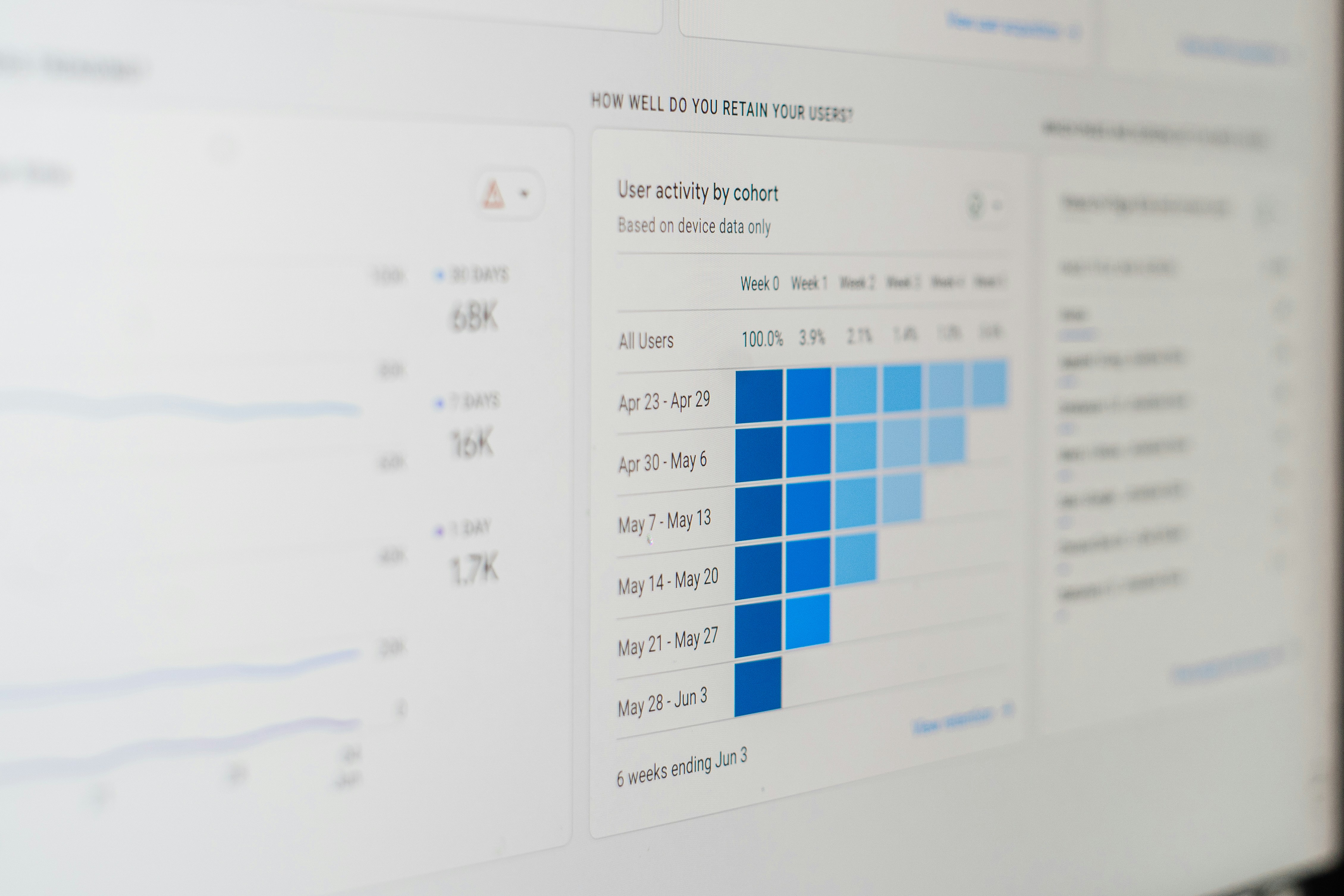
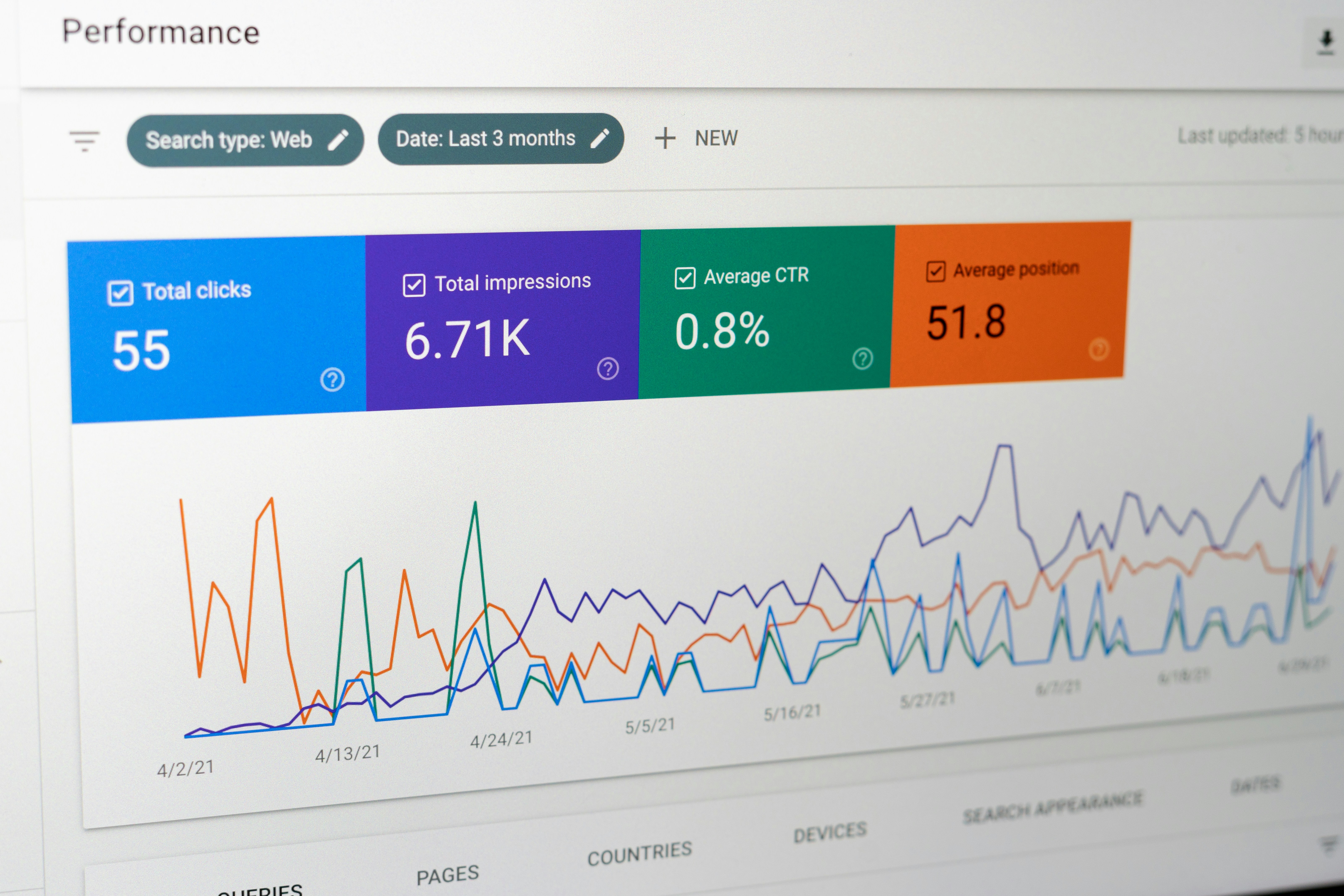
Looker Studio is a powerful data visualization and reporting tool that enables users to create interactive dashboards and insightful reports. By seamlessly integrating with various data sources, Looker Studio provides a versatile platform for organizations to visualize their data, analyze trends, and derive actionable insights. Its capabilities extend beyond mere visualization; it empowers users to understand complex data relationships and facilitates data-driven decision-making.
The significance of building custom connectors in Looker Studio cannot be understated. Custom connectors allow users to integrate unique data sources that may not be supported out of the box. This feature enhances data integration by enabling businesses to access, analyze, and visualize data from specialized systems or proprietary databases. By utilizing custom connectors, organizations can ensure that they are working with the most relevant and comprehensive data available, ultimately leading to more accurate reporting and better business outcomes.
Artificial intelligence plays a crucial role in the development of these custom connectors. By leveraging AI, users can streamline the process of data integration, allowing for efficient extraction and transformation of information from various sources. Machine learning algorithms can improve data mapping, deduplication, and cleansing processes, enabling a smoother connection between Looker Studio and disparate data systems. This integration not only saves time but also elevates the quality of data analysis and reporting. Thus, as businesses increasingly rely on data to drive strategic initiatives, the ability to build effective custom connectors with AI support represents a significant advantage in the competitive landscape.
Why Use AI for Building Connectors?
In the ever-evolving landscape of data analytics, the integration of Artificial Intelligence (AI) into the process of developing custom connectors in Looker Studio can bring numerous advantages. One significant benefit is improved efficiency. AI algorithms can automate repetitive tasks, allowing developers to focus on more complex and strategic aspects of connector development. By leveraging AI, the time required to build a connector is substantially reduced, thus facilitating faster deployments of data integrations.
Another crucial advantage is enhanced data accuracy. AI-driven connectors can continuously learn from input data, allowing them to adapt and modify their functionalities over time. This means that as data sources evolve or as new data structures are introduced, the connectors will adjust accordingly to maintain accuracy. The capability of AI to perform real-time monitoring and validation ensures that data fed into the system is reliable, significantly reducing the chances of errors that can lead to misguided insights.
Additionally, AI excels in handling complex data transformations. With the capability to analyze vast datasets and recognize patterns, AI can automate data cleansing and transformation processes that traditionally require manual intervention. This ensures that the users receive data in the format they require, thus streamlining the entire data workflow. Developers can take advantage of AI’s analytical prowess to implement advanced transformation rules without needing extensive coding knowledge, making the process more accessible to various stakeholders.
In summary, employing AI when building connectors in Looker Studio not only enhances productivity but also delivers higher quality data insights through increased accuracy and streamlined data handling. The integration of AI is thus a strategic move for any organization aiming to optimize its analytical capabilities.
Prerequisites for Creating Custom Connectors in Looker Studio
Embarking on the process of building custom connectors in Looker Studio requires a foundation of technical skills and knowledge. Firstly, a solid understanding of programming is crucial. Familiarity with programming languages such as JavaScript, Python, or SQL will significantly aid in developing efficient connectors. Each of these languages plays a critical role in enabling seamless communication between Looker Studio and various data sources.
In addition to programming skills, expertise in working with APIs is indispensable. Custom connectors typically leverage Application Programming Interfaces (APIs) to extract and push data. Understanding how to make API calls, handle authentication, and process JSON data are all necessary skills for successfully implementing custom connectors. Resources available for learning API usage include online courses, documentation from API providers, and community forums dedicated to programming.
Moreover, grasping the architecture of Looker Studio is vital to ensure compatibility and proficient connector performance. Familiarity with Looker Studio’s data models, the structure of its dashboards, and its underlying concepts such as LookML can facilitate more effective custom solutions. Engaging with official documentation, tutorials, and community support can enhance your understanding of these architectural elements.
Lastly, while not mandatory, having experience with data visualization principles can elevate the quality of the custom connectors you develop. This knowledge ensures that the connectors not only function properly but also present data in meaningful and insightful ways. Comprehensive learning resources, including forums such as Stack Overflow, specialized webinars, and detailed courses on platforms like Coursera or Udemy, can provide further insight into these prerequisites.
Step-by-Step Guide to Building Your Own Connector
Creating a custom connector in Looker Studio can significantly enhance your data visualization and reporting capabilities. This guide will detail the process using AI tools to streamline your development. Follow these steps to build your own connector.
Step 1: Set Up Your Environment
Before you start building, make sure you have the necessary tools and frameworks. Install Node.js on your machine, as it will be crucial for running JavaScript code. You’ll also need a code editor, such as Visual Studio Code, for writing your connector code.
Step 2: Create a New Project
Open your code editor and create a new directory for your project. Navigate to this directory in your terminal and run the command npm init -y to initialize a new Node.js project. This will create a package.json file, where you can list dependencies.
Step 3: Install Required Packages
Install any necessary npm packages. For instance, you might need axios for making HTTP requests and dotenv for environment variables management. Run the following command:npm install axios dotenv
Step 4: Develop the Connector Logic
Now, create a JavaScript file, such as connector.js. Here, you will write the core logic of your connector. For example, use axios to fetch data from your API:
const axios = require('axios');async function fetchData() {const response = await axios.get('YOUR_API_ENDPOINT');return response.data;}Step 5: Publish Your Connector
Finally, ensure that your connector is ready for Looker Studio by following the publishing guidelines provided in their documentation. This often includes creating a manifest file that defines the connector details and API endpoint.
By following these steps methodically, you can build a custom connector in Looker Studio using AI tools effectively. This knowledge not only enhances your ability to pull data but also allows for greater customization in your reporting and analytics efforts.
Common Challenges and Solutions in Connector Development
Building custom connectors in Looker Studio can be a powerful way to integrate data from various sources; however, developers often encounter several challenges during the process. Understanding these common pitfalls can help streamline development and ensure a successful outcome.
One major challenge that developers face is the limitations imposed by APIs. Many third-party services offer APIs that may have restrictions on the amount or type of data that can be retrieved. This can complicate the data integration process, potentially leading to incomplete datasets in Looker Studio. To mitigate this issue, it is essential to conduct thorough research on API documentation before starting the connector development. Ensuring that the selected API meets the project requirements is crucial. In cases where the API is restrictive, developers might also consider utilizing alternative data sources or employing a data aggregation approach.
Another significant challenge relates to data quality issues. Connectors often pull data from multiple sources, which can lead to inconsistencies, duplicates, or missing values when aggregating this information in Looker Studio. To address data quality issues effectively, implement data validation mechanisms within the connector. This could involve verifying data formats, normalizing values, and setting rules to handle duplicate entries. By proactively ensuring data integrity, developers can enhance the overall reliability of the custom connector.
Lastly, performance concerns can arise, especially when handling large datasets. Slow response times can hinder user experience and lead to frustrations. To optimize performance, developers should focus on efficient querying techniques and consider implementing caching strategies where applicable. By analyzing common usage patterns, developers can streamline data retrieval methods, resulting in quicker and more efficient access to the required information.
Best Practices for Custom Connector Development
Developing custom connectors for Looker Studio with the aid of artificial intelligence (AI) can significantly enhance data integration and reporting capacities. However, to achieve effective and reliable functionality, it is crucial to adhere to best practices throughout the development process. One of the foremost considerations in this context is comprehensive documentation. Detailed documentation serves as a foundational resource for both developers and end-users. It should include installation guidelines, configuration options, and data mapping instructions. This not only streamlines the development process but also provides a reference point for troubleshooting and user support.
Another key aspect of successful custom connector development is rigorous testing. Testing should encompass various scenarios, including performance under different loads, compatibility with various data sources, and response to erroneous inputs. Automated testing tools can facilitate this process by enabling continuous integration and ensuring that changes do not inadvertently disrupt functionality. Additionally, user feedback during a beta testing phase can uncover unforeseen issues, allowing for timely adjustments before full deployment.
Performance optimization is also a vital component of developing a robust connector. This includes streamlining data retrieval processes, minimizing latency, and enhancing the overall user experience. Efficient data fetching and processing speeds are essential to maintain responsiveness in Looker Studio dashboards. Developers should consider caching strategies and efficient querying mechanisms to mitigate performance bottlenecks.
Furthermore, adhering to coding best practices, such as clean code principles and version control, lays the groundwork for maintainability and scalability. Regularly reviewing code and incorporating peer feedback can improve quality and foster innovative solutions. In conclusion, by focusing on thorough documentation, extensive testing, and performance optimization, developers can ensure that custom connectors not only function efficiently but also fulfill user requirements effectively.
Real-World Applications of Custom Connectors in Looker Studio
Custom connectors in Looker Studio have revolutionized the way businesses interact with their data, providing tailored solutions that meet specific organizational needs. Leading companies have harnessed the potential of these connectors to drive enhanced data reporting and enable informed decision-making processes. For instance, a major e-commerce company developed a custom connector to integrate sales data from multiple platforms into Looker Studio. This implementation allowed them to create comprehensive dashboards, providing real-time insights into sales performance across various channels. As a result, the business could streamline its inventory management and respond swiftly to market trends, significantly increasing operational efficiency.
Another noteworthy application involves a financial services firm that created a custom connector to pull data from disparate financial systems into a unified reporting environment. Previously, analysts spent considerable time collating data manually, which delayed the analytical process. After deploying their custom connector, the firm witnessed a drastic reduction in reporting time, enabling the team to focus on data analysis rather than data preparation. This shift not only improved accuracy but also facilitated quicker strategic decisions, enhancing the firm’s competitiveness in a rapidly changing market.
Similarly, healthcare organizations have utilized custom connectors to integrate patient data from Electronic Health Records (EHR) systems with other operational data sources. By establishing seamless connections through Looker Studio, healthcare professionals can gain a holistic view of patient outcomes, treatment efficiencies, and resource allocation. This comprehensive data visibility has led to improved patient care and optimized operational processes, ultimately contributing to better health outcomes.
The implementation of custom connectors in Looker Studio illustrates the transformative potential they hold for businesses across industries. By tailoring data integrations to meet specific needs, companies can leverage their data more effectively, resulting in improved decision-making capabilities and operational excellence.
Future Trends in AI and Data Connectivity
As we delve into the future of artificial intelligence (AI) and its implications for data connectivity, it becomes imperative to explore the potential advancements that can revolutionize how businesses interact with data. Currently, AI is already playing a pivotal role in enhancing data integration processes, but emerging technologies promise to expand capabilities even further.
One significant trend is the growing adoption of machine learning algorithms for predictive data analytics. By utilizing advanced machine learning techniques, organizations can develop connectors that not only facilitate data access but also predict user needs and preferences through automated recommendations. This predictive ability can significantly enhance user experience while streamlining data workflows.
Moreover, the integration of natural language processing (NLP) in data connectivity tools is set to become a game-changer. With NLP, users can interact with their data more intuitively by posing queries in natural language. This shift towards conversational interfaces can democratize data access, allowing non-technical users to exploit data insights without the barrier of programming languages or complex query syntax.
Another trend on the horizon is the rise of decentralized data storage solutions through blockchain technology. This approach not only enhances data security and integrity but also facilitates faster and more reliable data sharing among disparate data sources. As businesses increasingly seek to ensure trustworthiness in data transactions, the fusion of blockchain with AI-driven connectors could emerge as a vital solution for future data architecture.
In conclusion, as industries continue to prioritize efficient data integration, the potential of AI, along with its complementary technologies, will play an influential role in shaping the future landscape of custom connector development. Staying abreast of these trends will be essential for organizations aiming to maintain competitive advantages through effective data connectivity solutions.
Conclusion and Resources
In this blog post, we have explored the process of building your own connector with AI in Looker Studio. The primary takeaway is that the integration of artificial intelligence into Looker Studio can significantly enhance data visualization and analytics capabilities. By leveraging custom connectors, users can streamline the process of accessing diverse datasets, ultimately enabling more informed decision-making.
Moreover, we highlighted the importance of understanding the underlying principles of both Looker Studio and AI applications to maximize the effectiveness of your connectors. This involves familiarizing yourself with the documentation and utilizing available resources, such as tutorials and community forums, to overcome any challenges in the development process.
For those who wish to dive deeper into the functionalities offered by Looker Studio, as well as its AI applications, several resources are available:
- Looker Studio Documentation – Official documentation that provides comprehensive guidance on using Looker Studio and creating custom connectors.
- Google AI Documentation – Insightful resources on implementing AI solutions that can complement your workflows in Looker Studio.
- Looker Video Tutorials – A series of instructional videos that help users navigate through Looker Studio’s features.
- Looker Community Forum – A platform to connect with other Looker users, share experiences, and seek help on various topics, including custom connector building.
By utilizing these resources, readers can enhance their understanding and skills in developing custom connectors with AI in Looker Studio. Ultimately, this empowers them to leverage data in innovative ways, fostering better insights and outcomes for their organizations.