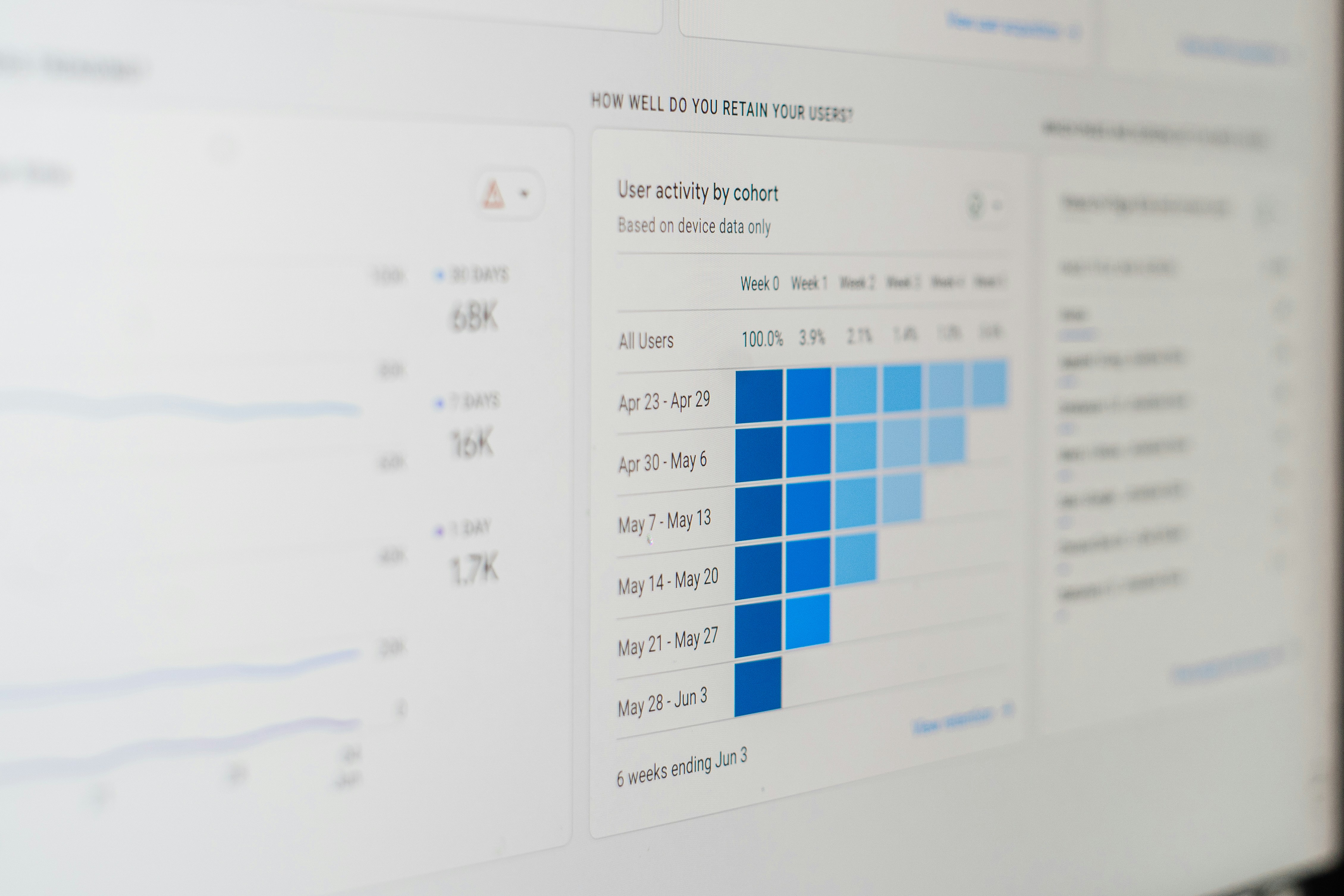
Introduction to Looker and Jepto
Looker and Jepto are two powerful tools that play a significant role in the realm of data analysis and reporting. Looker, a part of Google Cloud, is a business intelligence platform that empowers organizations to explore, analyze, and share real-time data insights. It offers a robust framework for data modeling, allowing users to create custom visualizations and dashboards tailored to specific business needs. Its intuitive interface and data exploration capabilities make it a valuable asset for data-driven decision-making.
On the other hand, Jepto serves as an advanced analytics automation tool specifically designed to enhance the reporting process. It integrates seamlessly with Looker, enabling users to automate the generation and delivery of reports. This functionality allows businesses to streamline workflows, decrease manual reporting tasks, and focus more on analyzing trends and data patterns rather than preparing reports. Jepto’s ability to connect different data sources and automate insights makes it a vital companion for teams that rely on Looker for data analysis.
Both Looker and Jepto are crucial for maximizing the utility of data within organizations. Their integration with Excel further amplifies this functionality, as many professionals still rely heavily on spreadsheets for data manipulation and reporting. By connecting Looker Jepto to Excel, users gain the benefit of automated reporting and advanced analytics capabilities, enhancing the overall efficiency of their data processes. The synergy between these tools fosters effective collaboration and ensures that decision-makers have timely access to critical insights, ultimately leading to better-informed strategic decisions.
Why Connect Looker Jepto to Excel?
The integration of Looker Jepto with Excel presents numerous advantages that enhance data manipulation, reporting, and the analysis process. Excel is widely recognized for its user-friendly features and flexibility, making it a preferred tool for data analysts and business users. One primary reason for connecting Looker Jepto to Excel is the ability to leverage the robust analytical capabilities of Excel alongside the powerful data visualization and exploration offered by Looker Jepto. By utilizing both platforms, users can perform complex calculations and analysis in Excel while benefiting from the comprehensive datasets available through Looker Jepto.
This connection facilitates effective data accessibility, allowing users to extract valuable insights quickly. Organizations often have data scattered across various platforms, making it challenging to assemble and analyze data sets effectively. Integrating Looker Jepto with Excel enables users to streamline workflows by consolidating data from different sources into one familiar interface. Furthermore, professionals engaged in data reporting may feel more comfortable utilizing Excel’s array of built-in functions, pivot tables, and macros, thus providing a tailored approach to their reporting needs.
Another significant advantage of this integration is the enhancement of collaboration capabilities. In many business environments, team members may work with different software applications, leading to gaps in communication and data sharing. By allowing users to connect Looker Jepto to Excel, teams can easily share insights, reports, and customized analyses without requiring extensive retraining on new tools. In this way, Excel acts as a bridge, enabling efficient collaboration across departments while maintaining the integrity of the data drawn from Looker Jepto.
In summary, connecting Looker Jepto to Excel empowers users to combine the strengths of both platforms, ensuring greater flexibility, accessibility, and collaborative potential in their data workflows.
Prerequisites for Integration
Integrating Looker Jepto with Excel requires several prerequisites to ensure a seamless connection and optimal functionality. Initially, it is important to have access to both Looker Jepto and Excel. Looker Jepto is a business intelligence tool that provides insights through data visualization, while Excel is a widely-used spreadsheet application, prominent in data analysis and reporting. Users should confirm that they have license subscriptions for both platforms that enable integration features.
Next, users must ensure that they are utilizing the appropriate versions of these software tools. Looker Jepto should be the most recent version to benefit from its latest functionalities and security updates. Similarly, it is recommended that users operate on an updated version of Microsoft Excel to avoid compatibility issues that could hinder data transfer. Additionally, users can enhance their experience by having a stable internet connection, as this will facilitate real-time data extraction from Looker Jepto to Excel.
Furthermore, accounts must be verified and properly configured within both platforms. Users must have sufficient permissions in Looker Jepto to access the data sets they wish to integrate into Excel. This may involve setting up user roles and permissions within Looker’s administrative settings. In Excel, users may need to enable specific add-ins to support data connections. Additionally, having an understanding of the data schema in Looker will assist in defining how data fields will map between the two platforms.
Lastly, it is advisable for users to familiarize themselves with the Looker SDK and API, as these may be necessary for advanced integrations or customizations within Excel. Following this outline will help to ensure that all prerequisites are met, setting the stage for a successful integration of Looker Jepto with Excel.
Step-by-Step Guide to Connect Looker Jepto to Excel
Connecting Looker Jepto to Excel can streamline data analysis and reporting processes, providing users with robust insights from their data sets. This guide outlines a comprehensive five-step approach to facilitate a seamless integration experience.
Firstly, access your Looker Jepto environment. Ensure that you have the required permissions to access data sets. Log into your Looker account and navigate to the respective dashboard that contains the data you wish to export. Familiarity with Looker’s data structure will be beneficial during this process, as it allows for precise data extraction.
The second step involves acquiring the necessary API keys. Go to the ‘Admin’ section in your Looker account. Under the ‘API’ tab, generate API credentials, which will be used to authenticate your requests. These keys are crucial for allowing Excel to communicate with Looker Jepto’s data repository securely. Store these keys safely, as they will be needed in subsequent steps.
Next, utilize either an Add-On or a custom script in Excel. For users opting for an Add-On, the Looker for Excel Add-In integrated into Microsoft Office can simplify the connection process. Install this Add-In, then enter your API key to establish the connection. Alternatively, for advanced users, using a custom script with the Looker API can provide customized data retrieval functionalities.
After establishing the connection, the fourth step involves importing data into Excel. You can either import specific reports created in Looker or run custom queries via the Add-In or script. Ensure that exported data is formatted appropriately for Excel analysis, as this will facilitate reporting and visualization.
Finally, refresh the data connection to ensure that the latest Looker Jepto data is reflected in your Excel sheets. By following these steps, users can effectively harness the capabilities of Looker Jepto within the versatile environment of Microsoft Excel, enhancing their data analytics capabilities.
Common Issues and Troubleshooting
When integrating Looker Jepto with Excel, users may encounter various challenges that hinder seamless data flow and analysis. Understanding these common issues and knowing how to address them can significantly enhance the user experience.
One prevalent issue is data import errors, which often occur due to discrepancies in the data formats between Looker Jepto and Excel. To resolve these errors, it is essential to ensure that the data types are compatible and correctly formatted before import. Double-checking the Looker data models and ensuring they align with Excel’s requirements can help mitigate these problems. In some instances, users may need to adjust their LookML code to refine the data being exported.
Connectivity problems are another common hurdle during the integration process. Users may notice that Excel fails to connect to Looker Jepto, which can be attributed to network issues or incorrect configuration settings within the connection parameters. It is advisable to verify that the Looker instance is operational and that the necessary credentials are correctly entered in Excel. Additionally, checking firewall settings and network connections can prevent disruptions.
Technical glitches may also surface, leading to unexpected behaviors such as freezing or crashing during data sync. In these situations, ensuring that both Looker Jepto and Excel are updated to the latest versions can help eliminate bugs and improve functionality. Clearing the cache and temporary files in both applications can also be an effective troubleshooting step, allowing for a clean slate for the integration process.
Lastly, consulting the support documentation from both Looker and Excel can provide insights and step-by-step guidance for resolving specific issues. Engaging with user forums may also present valuable solutions shared by others facing similar challenges. By proactively addressing these common problems, users can foster a more efficient integration experience.
Enhancing Data Analysis with Looker and Excel
With the integration of Looker Jepto and Excel, data analysis can be significantly enhanced, providing users with a flexible and powerful toolset. Looker Jepto, a robust data exploration platform, facilitates the gathering and manipulation of data, while Excel is renowned for its spreadsheet functionalities which allow for intricate calculations and visualization.
One of the primary advantages of utilizing Looker data within Excel is the capability to perform advanced data visualizations. Excel offers various chart types and graphing options, simplifying the process of representing complex datasets in a visually appealing manner. By importing Looker Jepto data directly into Excel, users can create meaningful dashboards that highlight key performance indicators (KPIs), trends, and comparisons. Streamlining this process ensures that decision-makers can quickly grasp insights derived from the underlying data.
In addition to visualization, Looker data can augment the analytical capabilities in Excel through sophisticated calculations. The built-in Excel functions, such as VLOOKUP, INDEX, and MATCH, empower users to perform rich data manipulations. For instance, a business analyst might use these functions to calculate month-over-month growth rates or derive insights from various data columns sourced from Looker. Furthermore, Excel’s support for PivotTables enables users to easily summarize large volumes of data, making it an ideal tool for executives and analysts alike.
Moreover, Excel’s features extend to conditional formatting and the use of data validation tools, ensuring that users can easily interpret and analyze data sourced from Looker Jepto. Effective data validation promotes accuracy, while conditional formatting highlights significant changes in data trends. This multifaceted approach helps to create a clearer understanding of the data relationship.
In allocating time effectively, organizations can use the synergy of Looker Jepto and Excel to make informed decisions, backed by visualizations and advanced analytical techniques. Ultimately, this powerful combination maximizes data’s potential, contributing significantly to enhanced data analysis.
Best Practices for Data Management
Effectively managing data after integrating Looker Jepto with Excel is crucial for maximizing the benefits of this powerful combination. The following best practices provide essential guidance for users looking to enhance their data organization and reporting consistency.
First and foremost, establish a clear organizational structure for your data within Excel. Utilize a hierarchical format with dedicated folders and files that categorize data according to functions, projects, or departments. This approach not only aids in quick retrieval but also helps in avoiding confusion, especially when dealing with large datasets. Utilize Excel’s built-in features, such as tables and named ranges, to create a manageable and intuitive layout for your data.
Consistency in reporting is another fundamental aspect that cannot be overlooked. When pulling data from Looker Jepto, standardized metrics and reporting formats should be defined upfront. This ensures uniformity across all reports, making comparisons straightforward and insights more reliable. Consider creating a style guide that outlines font choices, color schemes, and layout specifications for better consistency across all reports generated from the data.
Maintaining data integrity is vital for accurate analyses and decision-making. Regularly update and audit your datasets to account for new information or deleted entries. Implement automated processes where possible, such as scheduled data retrieval from Looker Jepto, to minimize human error. It is also helpful to incorporate version control strategies, which allow tracking of changes over time and help in restoring previous versions if discrepancies arise.
In conclusion, the integration of Looker Jepto with Excel opens up vast possibilities for data management. By following these best practices, users can ensure their data organization, reporting consistency, and integrity remain intact, thus leveraging the full advantages of this integration effectively.
Case Studies: Success Stories
The integration of Looker Jepto and Excel has proven to be transformative for various organizations, facilitating enhanced data analysis and decision-making processes. One notable example is a mid-sized retail company that struggled with understanding customer purchasing patterns. By connecting Looker Jepto to Excel, the organization successfully consolidated sales data, enabling its analysts to generate robust reports effortlessly. The integration allowed users to visualize key performance indicators (KPIs) directly within Excel, leading to deeper insights into customer behaviors and inventory management. As a result, the company experienced a 15% increase in sales through targeted marketing campaigns derived from the data analysis.
Another compelling case study involves a global manufacturing firm that faced challenges with supply chain optimization. The company utilized Looker Jepto to gather and analyze data across multiple sources. By linking with Excel, it created a seamless workflow that facilitated real-time updates on inventory levels and supplier performance metrics. Decision-makers were able to utilize this consolidated data to make informed choices concerning supplier contracts and logistics, resulting in a significant reduction of operational costs by approximately 20%. This case illustrates how the Looker Jepto and Excel integration can streamline processes and enhance overall productivity.
A third example is found in the non-profit sector, where an organization focused on disaster relief implemented the integration to assess the impact of its programs. By using Looker Jepto to visualize funding allocation and project outcomes, combined with Excel’s data manipulation capabilities, the organization could provide stakeholders with transparent reports showcasing the effectiveness of their initiatives. This led to a boost in donor confidence and a 30% increase in funding, underscoring how data-driven approaches derived from the Looker Jepto and Excel connection can significantly influence organizational success, even in the non-profit realm.
Additional Resources and Support
For those looking to enhance their understanding of Looker, Jepto, and Excel, a wealth of resources is available to assist you. The integration of Looker Jepto with Excel can provide businesses with powerful data visualization and reporting capabilities. To further explore these tools and their features, consider visiting the service page dedicated to Looker Studio reporting at here. This resource offers detailed insights and guidance on how to utilize Looker effectively for your data reporting needs.
Additionally, for more specialized knowledge and updates related to Looker, Jepto, or Excel, our blog page can be a valuable resource. You can find various articles that cover topics ranging from basic functionalities to advanced integrations. Visit the blog page at this link to access a collection of informative posts that cater to all levels of expertise. Whether you are a beginner seeking foundational knowledge or an experienced user looking for advanced strategies, the blog has something for everyone.
If you require personalized support or have specific questions regarding the integration process or the tools themselves, please do not hesitate to reach out. Professional assistance can make a significant difference in navigating the complexities of these technologies. For this reason, we encourage you to contact us through our contact page at this link. Our team is dedicated to providing the help you need to successfully implement and leverage Looker, Jepto, and Excel in your projects. Taking advantage of these resources will facilitate a smoother integration experience and optimize your data analysis endeavors.