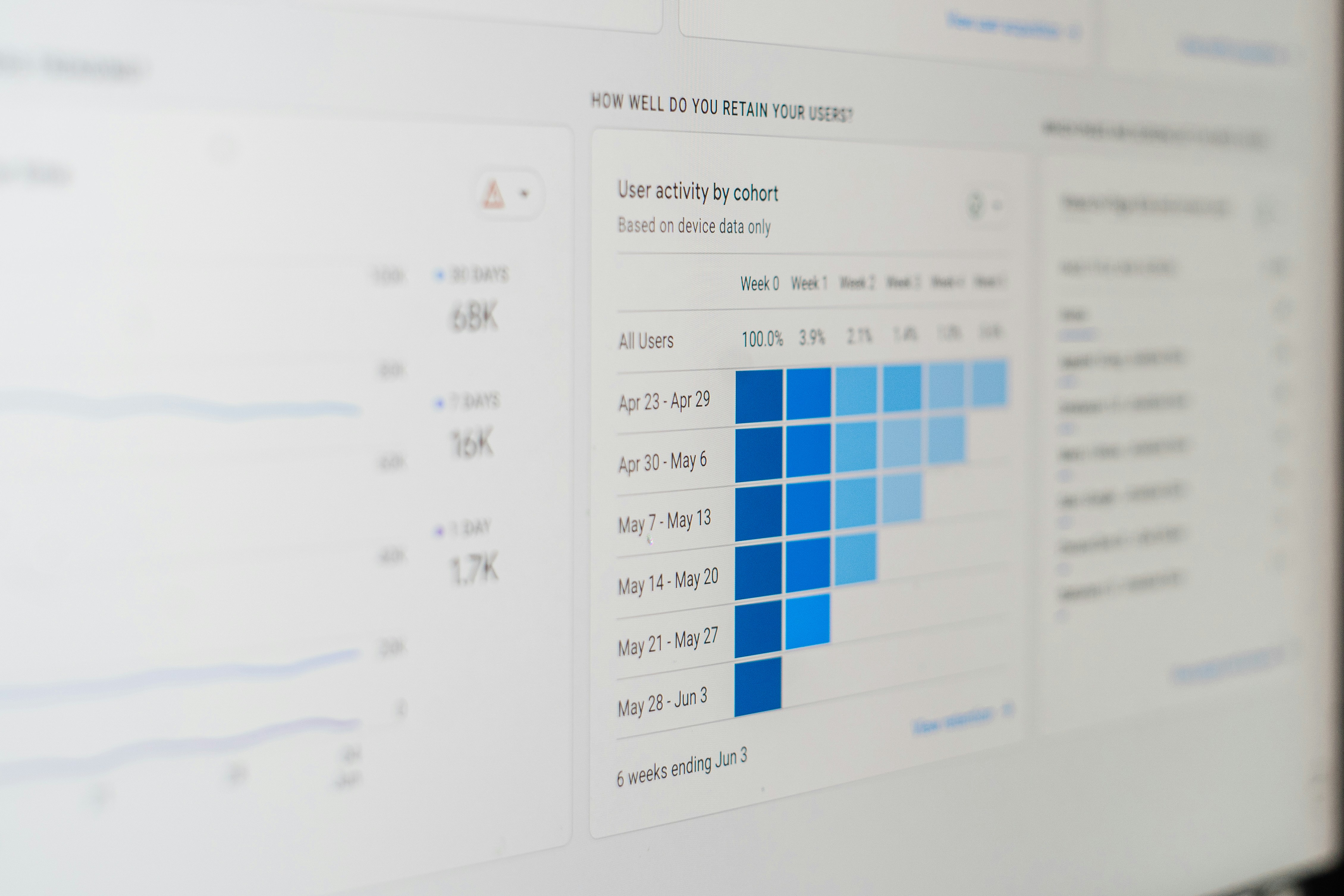
Introduction to Looker Studio and BigQuery
In the ever-evolving landscape of data analytics and business intelligence, Looker Studio and BigQuery stand out as exemplary tools designed to empower organizations. Looker Studio, a modern business intelligence platform, offers users the ability to visualize and analyze their data through intuitive dashboards and reports. Its primary features, including customizable visualizations, drag-and-drop functionality, and advanced data modeling capabilities, allow users to derive meaningful insights from even the most complex datasets. By facilitating collaborative data exploration, Looker Studio enables teams to make informed decisions based on real-time data analysis.
On the other hand, BigQuery serves as a powerful data warehouse solution developed by Google Cloud. Known for its ability to handle vast amounts of data, BigQuery enables organizations to perform rapid SQL queries across large datasets without the necessity of managing physical infrastructure. Its capabilities include automatic scaling, built-in machine learning functionalities, and sophisticated security measures, making it an ideal choice for businesses looking to harness the potential of their data. The efficiency of BigQuery allows for prompt data processing, significantly enhancing the performance of analytics projects.
The combination of Looker Studio and BigQuery presents organizations with a robust framework for data reporting and analysis. When Looker Studio connects to BigQuery, users can access and visualize extensive datasets seamlessly, transforming complex data into actionable insights. This integration not only optimizes the data querying process but also provides users with the necessary tools to showcase trends, patterns, and anomalies through dynamic dashboards. Understanding the distinct qualities of Looker Studio and BigQuery is essential for any organization aiming to enhance its data strategy and drive better business outcomes.
Why Connect Looker Studio to BigQuery?
Integrating Looker Studio with BigQuery provides significant advantages for businesses aiming to enhance their data analytics capabilities. One of the primary benefits of this connection lies in the robust data visualization features that Looker Studio offers. By using Looker Studio to connect to BigQuery, users can create dynamic dashboards and reports that present complex data in a visually appealing manner, making insights more accessible to stakeholders across the organization.
Another key advantage is the capability for real-time analytics. When data is fed directly from BigQuery to Looker Studio, users can monitor performance metrics and operational statistics in real-time. This immediacy empowers businesses to react more swiftly to changing conditions, thereby improving responsiveness and strategic decision-making. Rather than relying on outdated reports, teams can leverage current data trends, enhancing the overall agility of the organization.
Moreover, Looker Studio’s integration with BigQuery ensures improved reporting consistency. By centralizing data storage and management in BigQuery, organizations can maintain a single source of truth. This reduces discrepancies in reporting and fosters trust in the data being analyzed. Teams across various departments can access the same datasets, promoting collaboration and alignment on business objectives.
Finally, the connection allows for the efficient handling of large datasets. BigQuery is designed to manage and process enormous volumes of data seamlessly. Coupled with Looker Studio’s analytical capabilities, businesses can explore vast amounts of information without experiencing performance bottlenecks. This is particularly beneficial for organizations that rely on comprehensive data analysis for their operations, strategizing, and decision-making processes.
Ultimately, connecting Looker Studio to BigQuery empowers organizations to harness their data more effectively, facilitating data-driven decisions and improving collaborative efforts across teams.
Setting Up Your BigQuery Environment
To begin connecting Looker Studio to BigQuery, it is essential first to set up your BigQuery environment properly. This foundational step involves meeting certain requirements, creating a project within Google Cloud, and establishing datasets that will hold your data.
Firstly, ensure that you have a Google Cloud account. If you do not have one, visit the Google Cloud website to create a new account. Upon completion, you need to access the Google Cloud Console. This console is the central hub for managing your Google Cloud resources, including BigQuery.
Next, initiate the creation of a new project. Click on the project dropdown at the top of the Google Cloud Console interface and select “New Project.” Provide a name for your project, and ensure that it corresponds to your organizational structure or data requirements. After the project is created, it is crucial to enable the BigQuery API. Navigate to the “API & Services” section, select “Library,” and search for the BigQuery API to enable it.
Once the BigQuery API is activated, proceed to create datasets. In the BigQuery interface, click on your project name and select “Create Dataset.” You will need to name the dataset and configure various settings, such as data location and expiration. These datasets will serve as containers for your tables, where the actual data will reside.
It is also important to set appropriate permissions for users who will access this data. You can manage permissions within the “IAM & Admin” section of the console, ensuring that users have the necessary roles, such as BigQuery Data Editor, to perform their tasks effectively.
By properly setting up your BigQuery environment, you lay the groundwork for a seamless connection to Looker Studio, allowing for efficient data visualization and analysis. With the project created and datasets configured, you are now prepared to start integrating your data sources with Looker Studio connect to BigQuery.
Connecting Looker Studio to BigQuery: Step-by-Step Instructions
To effectively connect Looker Studio to BigQuery, follow these systematic steps to ensure a seamless integration. Initially, launch Looker Studio and log into your account using your credentials. If you do not have an account, you will need to create one or enable your organization’s access to Looker Studio. Upon logging in, you will find yourself on the Looker Studio homepage.
The next crucial step is selecting the appropriate project. Click on the “+ Create” button or the “New Report” option. This will prompt you to select your data source. Look for the “BigQuery” option in the list of available connectors. Once selected, you will need to authorize access to your BigQuery projects. This involves giving Looker Studio the necessary permissions to read your data stored in BigQuery.
After authorizing access, you will need to choose the specific project you want to connect to. A dialog box will present a list of your available BigQuery projects. Carefully select the desired project from the dropdown menu. Once you’ve selected the project, navigate to the “Dataset” section and select the specific dataset you wish to pull data from. Every dataset contains tables that can be used for analysis within Looker Studio.
Next, configure your data source settings by clicking on “Add” next to the table you wish to connect. From here, you can adjust the desired fields, such as metrics and dimensions, ensuring they align with your reporting needs. It is essential to understand how the data fields relate to your reporting objectives to maximize the effectiveness of your Looker Studio reports.
Finally, once all configurations are in place, click “Connect” to finalize the setup. This process will allow you to harness reliable insights from your BigQuery data, making your reporting more effective. With these steps, connecting Looker Studio to BigQuery becomes a straightforward task, enabling users to access and analyze their data efficiently.
Creating and Customizing Reports in Looker Studio
Once you have successfully established a connection between Looker Studio and BigQuery, the next step is to harness that integration for effective reporting. The report creation process in Looker Studio is intuitive, allowing users to design robust visualizations that cater to unique business requirements. To begin, you should select the appropriate data sources imported from BigQuery, which serve as the foundation for your reports.
Designing a report in Looker Studio starts with laying out the structure. Users can choose from various visual components, such as charts, tables, and scorecards, to represent their data effectively. The platform allows for customizable dashboards, where you can arrange visualizations according to your preferences. For instance, combining different chart types can help illustrate trends and compare metrics at a glance, making it easier for stakeholders to derive insights swiftly.
When customizing your report, consideration must be given to the specific metrics that are essential to your business. Use filters and parameters to allow for dynamic report updating based on user selections. Additionally, you can leverage Looker Studio’s features for style enhancements, such as incorporating company branding elements or adjusting color palettes to increase visual appeal.
Performance optimization plays a crucial role in report design as well. Avoid overcrowding your dashboard with excessive visuals, which can lead to slower load times and diminish user engagement. Instead, focus on delivering the most impactful visuals that facilitate quick decision-making. Looker Studio also provides performance monitoring tools that can help identify areas needing adjustments, ensuring a seamless experience when viewing reports connected to BigQuery.
By carefully crafting and customizing your reports in Looker Studio, you can create powerful insights powered by your BigQuery data, tailored to meet the specific analytical needs of your organization.
Best Practices for Data Management with Looker Studio and BigQuery
Managing data efficiently is crucial when integrating Looker Studio with BigQuery, as it ensures that organizations can derive actionable insights from their datasets. One of the primary best practices is to organize datasets logically. A structured and well-organized dataset will facilitate easier data navigation and access. Implementing a naming convention that reflects the content and purpose of each dataset is advisable. Additionally, consider segmenting data into relevant categories, which can significantly enhance the user experience when accessing data within Looker Studio.
Maintaining data integrity is another critical aspect of effective data management. It is essential to use appropriate techniques to validate and clean the data being ingested into BigQuery. This can involve routine checks for duplicate entries, missing values, or any anomalies that could skew analysis results. Leveraging Looker Studio’s built-in features to create dashboards that monitor data quality can prove beneficial. Establishing data governance policies will lay the groundwork for securing data quality and reliability.
Optimizing queries for performance is also vital when using Looker Studio connect to BigQuery. Users should write efficient SQL queries, use partitioning, sharding, and clustering when necessary, and avoid unnecessary complexity in queries. Simplifying queries can lead to lower resource consumption and reduced costs, thereby improving overall performance. Another consideration is the scheduling of frequent queries during off-peak hours to balance load and enhance performance.
Ensuring security compliance must not be overlooked. Implement access controls within BigQuery, allowing only authorized users to view or modify datasets. It is also advisable to implement encryption for sensitive data. Regular audits of access logs and permissions can help maintain compliance and ensure that data protection measures are upheld. By following these best practices, organizations can effectively manage their data within the Looker Studio and BigQuery ecosystems.
Common Issues and Troubleshooting
When connecting Looker Studio to BigQuery, users may encounter a variety of challenges that can hinder a seamless integration process. One prevalent issue is authentication errors, which often arise due to incorrect credentials or inadequate permissions. To resolve this, ensure that the service account associated with Looker Studio has the necessary roles granted for BigQuery access. Additionally, verify that the API is enabled in the Google Cloud Console.
Another common pitfall is data latency, which can occur when querying large datasets from BigQuery. Users might experience delays in data retrieval, leading to dissatisfaction with performance. To mitigate this, consider optimizing your queries and using appropriate filtering techniques in BigQuery to reduce dataset size before it is sent to Looker Studio. Moreover, leveraging the data caching options available within Looker Studio can significantly speed up report generation.
Configuration complexity can also pose a challenge during the integration of Looker Studio with BigQuery. Users often struggle with setting up the right data sources or defining the correct metrics and dimensions in Looker. To ease this process, familiarize yourself with both platforms’ documentation and explore the various resources provided by Google. Contextual guides and tutorials can be instrumental in clarifying steps and ensuring accurate configurations.
In case of connectivity issues, double-check the network configurations and firewall settings that may block Looker Studio’s requests to BigQuery. Increased security measures can sometimes lead to unintentional disruptions. Regularly review network logs to identify potential roadblocks that could hinder access.
By proactively addressing these common concerns, users can ensure a more effective and efficient connection when using Looker Studio with BigQuery, ultimately enhancing their data analysis capabilities.
Case Studies: Real-World Applications of Looker Studio and BigQuery Integration
The integration of Looker Studio with BigQuery has proven to be transformative for organizations across various industries, enhancing data practices and enabling data-driven decision-making. For instance, a retail chain employed this integration to analyze customer behavior and inventory management. By connecting Looker Studio to BigQuery, the chain was able to aggregate vast amounts of sales data and customer interactions, thereby gaining valuable insights into purchasing patterns and preferences. This insight allowed them to tailor marketing strategies and optimize inventory levels, leading to a 15% increase in sales over six months.
Similarly, a healthcare provider implemented Looker Studio connected to BigQuery to improve patient care by analyzing health data and outcomes. By utilizing BigQuery’s powerful data processing capabilities, the provider was able to aggregate data from various sources, including EHR systems and lab results. The integration facilitated real-time analysis, enabling healthcare professionals to identify trends in patient conditions and adapt their treatment approaches accordingly. As a result, the provider reported a significant reduction in patient readmission rates, underscoring the effectiveness of the Looker Studio and BigQuery combination.
Furthermore, a financial services firm integrated Looker Studio with BigQuery to enhance its risk management processes. With access to real-time data analytics, the firm could visualize and evaluate risk factors across its portfolio. By channeling data into Looker Studio from BigQuery, analysts developed dynamic dashboards that provided insights into market trends and risks. This capability allowed the firm to make informed investment decisions, safeguarding assets during volatile market conditions.
These case studies exemplify how organizations are leveraging the connection between Looker Studio and BigQuery to revolutionize their data strategies, drive operational efficiencies, and achieve measurable results. As industries continue to delve into data analytics, the synergy between Looker Studio and BigQuery remains a pivotal element in fostering data-driven innovation.
Conclusion and Next Steps
Throughout this guide, we explored the process of integrating Looker Studio with BigQuery, highlighting essential steps and considerations to ensure a seamless connection. Establishing this link allows users to leverage the powerful capabilities of both platforms, enabling advanced data analysis and visualization. With Looker Studio’s robust reporting functionalities combined with BigQuery’s efficient data handling, organizations can unlock new insights and make data-driven decisions.
In this comprehensive guide, we discussed the prerequisites for establishing the connection, the step-by-step process of setting it up, and tips for troubleshooting common issues. Understanding how to effectively connect Looker Studio to BigQuery empowers users to harness the full potential of their data. Moreover, the integration offers flexibility in managing large datasets, allowing teams to tailor their analyses based on specific business needs.
As you consider your next steps, you may wish to implement the integration discussed. If you feel comfortable proceeding on your own, you are well-equipped to set up Looker Studio to connect to BigQuery and begin analyzing your data. Alternatively, you may seek additional resources or support. For those looking for more in-depth guidance or customized solutions, consulting services may be beneficial. Our dedicated team is available to provide expert advice and assistance tailored to your organizational requirements.
We encourage you to explore the links provided in this blog post, which include direct access to our contact page and service page for additional information. Whether you decide to take the plunge into this integration independently or seek professional help, connecting Looker Studio to BigQuery can significantly enhance your data utilization and strategy.