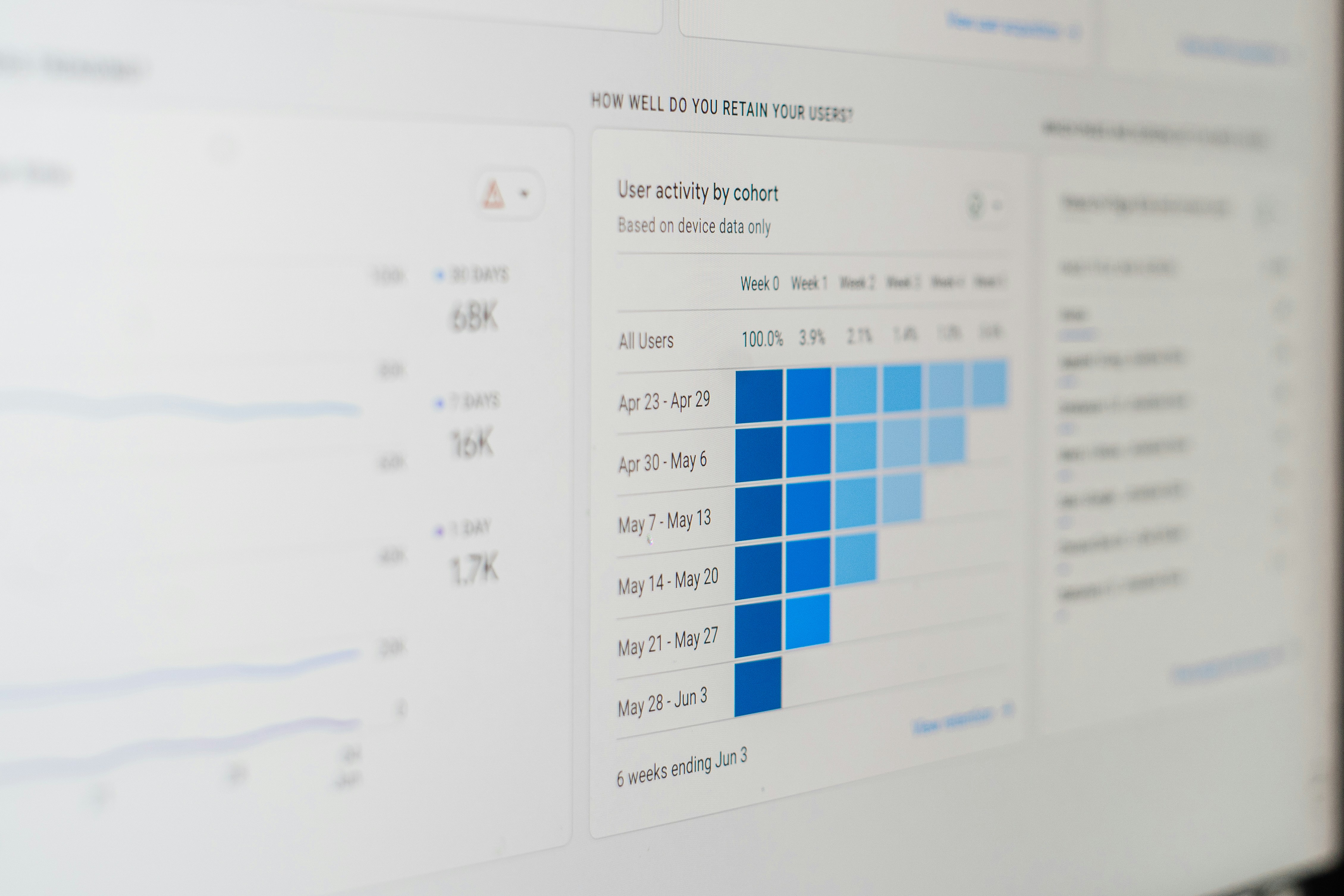
Introduction to Looker and Jepto Management
Looker is an advanced business intelligence tool that empowers companies to analyze their data effectively. By utilizing Looker’s robust capabilities, users can explore and visualize complex datasets through intuitive dashboards and reports. This platform focuses on providing meaningful insights from raw data, facilitating improved decision-making. Looker operates on the principle of modern data modeling, enabling organizations to transform their data into actionable insights in real-time. Businesses can leverage Looker to maintain a competitive edge by ensuring their analytics are both precise and current.
On the other hand, Jepto Management is a specialized platform designed for the holistic management of digital marketing data. This tool enables users to centralize data from various marketing channels, offering a complete view of marketing performance. Jepto simplifies the complexities involved in data aggregation, allowing businesses to manage their data more strategically. Its functionalities include automated reporting, performance tracking, and actionable insights, essential for optimizing marketing strategies.
The integration between Looker and Jepto Management is crucial for organizations seeking to enhance their data analysis capabilities. By connecting these two platforms, businesses can harness the advanced analytics of Looker alongside the comprehensive marketing insights provided by Jepto. This synergy not only streamlines data management but also amplifies the clarity and utility of marketing performance metrics. As organizations increasingly rely on data-driven strategies, the connection between Looker and Jepto Management becomes a fundamental asset for obtaining deeper insights and fostering informed decision-making. The ability to visualize and analyze data seamlessly from both platforms positions businesses for greater success in their operational endeavors.
Benefits of Integrating Looker with Jepto
The integration of Looker, a leading data exploration and visualization tool, with Jepto Management systems presents numerous advantages for organizations seeking to enhance their data handling capabilities. One of the primary benefits is the improvement in data visualization. With the robust analytical functions provided by Looker, businesses can transform complex datasets into intuitive visual representations. This approach not only aids in simplifying large amounts of information but also makes insights more accessible to stakeholders at all levels, facilitating a deeper understanding of operational dynamics.
Moreover, integrating Looker with Jepto greatly enhances efficiency in decision-making processes. By providing real-time analytics and dashboards, Looker allows users to track performance metrics and key performance indicators (KPIs) seamlessly. This integration ensures that decision-makers are equipped with timely and accurate information, which is crucial for developing strategies that can respond to the constantly changing market landscape. Teams can collaboratively analyze data rather than working in silos, leading to more informed and synchronized decisions across departments.
Another significant benefit of this integration is the improvement in reporting accuracy. When Looker is connected to Jepto, the flow of data remains consistent and accurate, reducing the risk of human error that often arises from manual data handling. Automated reporting capabilities ensure that businesses can generate reports that reflect the most current data, thus increasing reliability and accountability in reporting practices. Additionally, the combined power of these platforms allows organizations to obtain actionable insights, enabling them to pivot their strategies based on comprehensive analysis.
Ultimately, the merger of Looker with Jepto Management stands out as a strategic move for businesses seeking to optimize their data utilization, facilitating enhanced visual representations, more efficient decision-making processes, and greater accuracy in reporting methods.
Step-by-Step Configuration of Looker for Jepto Integration
To successfully integrate Looker with Jepto Management, a structured approach is essential. Initially, users must ensure they have the appropriate accounts set up for both platforms. For Looker, an active user account with permission to access and modify settings is required. Meanwhile, Jepto Management users should possess their own active account, alongside the necessary rights to retrieve data from third-party applications.
Before beginning the integration process, it is advisable to confirm that both Looker and Jepto Management are up and running. For Looker, confirm that the instance is accessible and that all user roles are up-to-date. In Jepto Management, verify that the API is enabled, as this will allow Looker to communicate effectively with the Jepto environment.
Next, gather relevant API credentials from Jepto Management. These typically include an API key and a secret, which must be stored securely, as they will be needed for authentication during the connection process. These credentials can usually be found within the Jepto dashboard under the API settings section. Users should also make certain that their API key has the necessary permissions for accessing the desired data sets.
Once prerequisites are verified, the integration can be initiated within Looker. This is done by navigating to the ‘Connection’ settings and selecting ‘Add Connection’. Input Jepto as the connection name and provide the API endpoint details, along with the gathered credentials. Make sure to test the connection to confirm it is functioning as intended. If the test is successful, users can proceed to configure data models and explore the datasets available through Jepto Management.
Through these steps, a seamless configuration of Looker with Jepto Management can be achieved, paving the way for enhanced data analytics capabilities.
Connecting Looker to Jepto Management
Establishing a connection between Looker and Jepto Management is essential for enhancing data analytics capabilities. This process involves several key technical configurations that ensure seamless integration and functionality. The primary step in this integration is obtaining the necessary API keys from Jepto. These keys facilitate secure communication between the two platforms, allowing Looker to access data stored within Jepto.
To begin, navigate to the Jepto Management dashboard and locate the API section. Here, you can generate a new API key, which should be stored securely as it will be used in Looker for authentication purposes. Additionally, review the associated permissions to ensure that the API key has the appropriate access rights to retrieve the required data.
Next, turn your attention to Looker, where you will need to configure a data connection that utilizes the API key obtained from Jepto. In Looker, access the Admin panel and select the Database Connections option. From here, you will be prompted to define a new connection. Fill in the necessary information, including the connection name and the type of database you wish to connect.
For Jepto, you will select the API connection method. Input the Jepto API endpoint, which is critical for the data requests that Looker will make. Incorporate the API key in the authorization section, ensuring that the connection can retrieve data seamlessly. It’s important to test the connection at this stage to verify that the settings are correctly configured and that Looker can successfully pull data from Jepto Management.
Finally, review any additional settings required, such as data modeling options and caching behavior, to optimize performance. With these configurations in place, your Looker instance will be integrated with Jepto Management, providing you with robust capabilities for data analysis and reporting.
Customizing Reports in Looker After Integration
Once Looker is successfully integrated with Jepto, the process of customizing reports becomes an essential aspect for businesses aiming to derive valuable insights. Looker provides a robust suite of features that allows users to create dynamic and informative reports tailored to their specific needs. Central to this process is the ability to manipulate the data visualizations and layout options to create meaningful narratives.
To begin customizing reports, users should familiarize themselves with Looker’s Explore feature. This allows for interaction with the data, enabling users to select the specific dimensions and measures they wish to analyze. By utilizing filters, users can segment their data according to various criteria, providing a more targeted view that can be essential for informed decision-making. Additionally, users can create calculated fields to derive new metrics that may not be directly available, enhancing the depth of the analysis.
When it comes to presenting findings, Looker provides numerous visualization options, such as bar charts, line graphs, and pie charts. Selecting the appropriate visualization is crucial in conveying the intended message effectively. It is advisable to use visualizations that are not only visually appealing but also easy for stakeholders to comprehend. For example, using color coding can highlight key performance indicators and draw attention to critical areas of the report.
Best practices dictate that reports should be kept concise while ensuring that they meet the intended purpose. Labels and legends should be clear and descriptive, enabling viewers to understand the context without unnecessary confusion. It may also be beneficial to gather feedback from end-users during the customization process, as this can lead to further refinements that enhance the overall quality and utility of the report.
Incorporating these strategies ensures that reports generated within Looker, after integrating with Jepto, are not only informative but also tailored to the needs of the business, serving as valuable tools for strategic planning and execution.
Automating Data Transfers Between Looker and Jepto
Automating data transfers between Looker and Jepto Management is a vital process that can enhance the efficiency and accuracy of your data reporting and analytics. By establishing an automated flow of information, organizations can ensure that the data utilized in Looker remains up-to-date, allowing for timely and informed decision-making. The benefits of this automation are significant; they contribute to a reduction in human error, save valuable time, and provide stakeholders with timely insights into their operations.
To achieve automation between Looker and Jepto Management, organizations can utilize various tools and settings that facilitate data integration. One common approach is employing ETL (Extract, Transform, Load) tools, which can schedule regular transfers of data from the Jepto Management system into Looker’s data modeling process. This integration not only streamlines the data flow but also ensures that the metrics and reports generated within Looker reflect the most current data without requiring manual intervention.
Within Looker, setting up data pulls can be achieved using the Looker API, allowing for customized queries and optimizations tailored to specific data needs. Coupled with Jepto Management’s capabilities, this can enhance the synchronization process of metrics, ensuring consistency across both platforms. Furthermore, schedule jobs and webhook notifications can be set up to trigger data updates at defined intervals or based on specific events, further promoting the longevity of accurate data availability.
The use of automation also aids in maintaining compliance with data governance policies by ensuring data integrity throughout the transfer process. Regular automated data updates help reduce discrepancies that can arise from manual inputs, thus preserving a trustworthy data ecosystem. In conclusion, adopting automated data transfers between Looker and Jepto Management is a strategic choice that not only bolsters operational efficiency but also enhances decision-making capabilities across the organization.
Case Studies: Companies Successfully Using Looker with Jepto
Numerous organizations across various industries have successfully integrated Looker with Jepto Management, demonstrating the practical benefits of this powerful combination. One notable case is a retail company that experienced difficulties in managing its inventory and sales data. Prior to the integration, the organization faced challenges in deriving actionable insights from their data, leading to decisions that impacted sales performance and inventory levels. Once they integrated Looker with Jepto, they could visualize their data more effectively, enabling them to make data-driven decisions that boosted sales by 15% within six months.
Another illustrative example is a healthcare provider that struggled with patient data management and reporting. The provider found it increasingly difficult to navigate through vast amounts of data using traditional methods. After implementing Looker alongside Jepto Management, they streamlined their reporting processes, ensuring that healthcare professionals could access accurate patient information in real-time. This integration allowed the provider to improve patient care by identifying treatment trends and optimizing resource allocation, leading to a 20% increase in patient satisfaction ratings.
A tech startup also adopted Looker integrated with Jepto to address their analytics challenges. They faced issues with data silos and inconsistent reporting from multiple departments. By leveraging the integration, the startup achieved a unified view of their performance metrics, thus aligning their teams towards common goals. Within a year, the startup reported a 30% enhancement in operational efficiency, as employees could access reliable data quickly, driving collaboration and informed decision-making.
These case studies illustrate how diverse organizations have harnessed the synergy between Looker and Jepto Management to overcome challenges, leading to measurable improvements. As companies continue to navigate the complexities of data management and analytics, the combined use of these platforms proves to be a strategic asset in achieving organizational goals.
Common Issues and Troubleshooting Tips
Integrating Looker with Jepto can greatly enhance data visualization and management capabilities. However, users may encounter several common issues during the setup and operational phases. Understanding these challenges and how to resolve them is essential for a smooth connection.
One of the frequent problems is authentication errors. When users attempt to connect Looker to Jepto, they may experience issues due to incorrect API keys or OAuth tokens. It is crucial to ensure that the credentials used are valid and have the necessary permissions for data access. Verifying the settings in both Looker and Jepto, and ensuring the keys are correctly copied and pasted without any extraneous characters, can often resolve these errors.
Another common issue pertains to data syncing discrepancies. Sometimes, the data may not reflect in real-time between Looker and Jepto, leading to outdated reports. This issue can often be attributed to improper configuration of data sync schedules or network connectivity problems. Users should check their refresh intervals in both platforms and ensure that network settings permit the required data exchange.
Users may also face challenges related to dashboard performance. Complex queries and a high volume of data can slow down the responsiveness of dashboards in Looker. To mitigate this, utilizing aggregate tables or optimizing query performance by indexing relevant fields may help speed up the loading times. Remember to test the performance after making adjustments to validate improvements.
Lastly, documentation and communication between team members can become a hurdle when multiple users are involved in the setup process. Ensuring that everyone follows the same guidelines as presented in Looker and Jepto documentation can help streamline operations. Regular check-ins or setting up a shared platform for updates can improve collaboration, minimizing potential errors.
By keeping these common issues and troubleshooting tips in mind, users can enhance their experience when connecting Looker to Jepto, leading to more effective data management and visualization outcomes.
Getting Further Assistance and Resources
If you require additional assistance while integrating Looker with Jepto Management, there are numerous resources available to guide you through the process. The integration of these two powerful platforms can be intricate, and seeking help from established experts can significantly streamline your efforts.
The first step in addressing any concerns you may have is to visit the dedicated service page for Looker. This page offers a plethora of resources that can assist you with your queries, providing valuable information on best practices, troubleshooting tips, and FAQs regarding Looker and its functionalities. You can find updated guides and detailed instructions tailored to help users on their journey towards successful integration.
For immediate support, contacting customer service is a viable option. You can reach out through the contact page, where you can submit your inquiries or request assistance from trained professionals who specialize in Looker and Jepto Management. They will provide personalized responses to ensure your integration runs smoothly and effectively.
Additionally, it’s beneficial to explore related articles and insights on the blog page. This resource contains a variety of blog posts that cover a broad spectrum of topics related to Looker functionalities and integration with Jepto Management. Reading through these posts can provide you with deeper insights and practical examples that may address specific challenges you might encounter.
By utilizing these resources, you can gain further clarity and expert guidance as you navigate the integration of Looker with Jepto Management, ensuring your project is both efficient and successful.