Introduction to Looker Studio and Matomo Analytics
Looker Studio and Matomo Analytics are two powerful tools that significantly enhance data analysis and visualization capabilities for businesses and organizations. Looker Studio is a cloud-based platform designed for data exploration and visualization, enabling users to create interactive dashboards and reports that draw insights from various data sources. Its user-friendly interface facilitates collaboration among team members, allowing individuals from different departments to make data-driven decisions by visualizing and interpreting complex data sets easily.
On the other hand, Matomo Analytics, an open-source web analytics platform, offers extensive tracking capabilities of digital properties. It allows businesses to gather essential data about website visitors, user interactions, and overall online performance. The platform emphasizes privacy and data ownership, ensuring that organizations retain full control over their analytics data, a significant advantage in today’s data-centric landscape. Its advanced features, such as heatmaps, session recordings, and goal tracking, provide a thorough understanding of user behavior, which is critical for optimizing website performance and enhancing user experience.
The integration of Looker Studio with Matomo Analytics is paramount for effective data analysis and visualization. By combining the extensive data collection capabilities of Matomo with the robust visualization features of Looker Studio, users can create comprehensive dashboards that present insightful metrics and key performance indicators in an easily digestible format. This synergy allows businesses to track and analyze their online strategies proactively, enabling timely adjustments and fostering a culture of data-informed decision-making. In light of these capabilities, organizations should consider building dashboards that leverage the data provided by Matomo, enhancing their ability to visualize trends, monitor performance, and ultimately drive growth.
Benefits of Using Looker Studio for Matomo Analytics
Leveraging Looker Studio for Matomo Analytics offers a myriad of advantages, significantly enhancing how data insights can be interpreted and utilized for strategic decision-making. One of the primary benefits of this integration is the enhanced data visualization capabilities that Looker Studio provides. With its robust suite of visualization tools, users can transform complex Matomo data into intuitive, digestible formats. This allows stakeholders to easily grasp key performance metrics at a glance, thus facilitating a deeper understanding of website traffic, user engagement, and conversion rates.
Moreover, Looker Studio allows for highly customizable reporting, enabling organizations to tailor dashboards according to specific business needs. Users can select the metrics that matter most to them, adjust visualization styles, and even set automated report generation schedules. This level of customization ensures that teams can focus on the data points that directly align with their business objectives and allows for a more agile response to emerging trends or anomalies.
Another significant advantage is the improvement in decision-making processes that arise from insightful data analysis. The clarity and interactivity of Looker Studio dashboards empower teams to draw actionable conclusions from the analytics provided by Matomo. By enabling fast access to critical data insights, organizations can make informed decisions that enhance overall performance and drive business growth.
Collaboration among team members is also notably improved with the use of Looker Studio. The platform’s ability to create shared dashboards fosters a culture of transparency and collective understanding, allowing teams to collaboratively analyze data and share insights seamlessly. This shared analytical environment not only streamlines communication but also enhances the overall effectiveness of data-driven initiatives.
Setting Up Matomo Analytics for Data Tracking
To begin utilizing Matomo Analytics for effective data tracking, the first step is to create a Matomo account. This can be done by visiting the official Matomo website and selecting the option to sign up. Users are required to provide basic information, such as their email address and website details, to initiate the account creation process. Once registered, users can log in to their new Matomo dashboard and start configuring their settings.
The next crucial step involves installing the Matomo tracking code on your website. After logging into the Matomo dashboard, navigate to the ‘Administration’ section, where you will find the ‘Tracking Code’ option. Here, you will be presented with a JavaScript code snippet that needs to be copied and pasted into the HTML of your website. It is recommended to place this code in the footer of your site for optimal performance, ensuring that it loads after the content of your page. For websites built on popular platforms like WordPress, plugins are available that can simplify the integration process, ensuring a seamless setup.
Once the tracking code is successfully implemented, users should dedicate time to configure various settings to ensure comprehensive data capturing. In the ‘Settings’ tab of the Matomo dashboard, you can customize goals, track e-commerce data, and set up additional tracking features, such as site search and campaigns. It is also essential to properly configure user permissions to protect sensitive data access while enabling appropriate team members to analyze the analytics. Adhering to these best practices will enhance the accuracy of data collected and provide valuable insights into user behavior, ultimately improving the effectiveness of marketing strategies.
Connecting Matomo with Looker Studio
To create a robust Looker Studio dashboard using Matomo Analytics, the initial step involves establishing a connection between these two platforms. This integration allows users to visualize their analytics data seamlessly. Below is a structured guide on how to access and authenticate Matomo data within Looker Studio.
Begin by ensuring that you have the necessary permissions in Matomo to access the API. Log into your Matomo account and navigate to the settings where you will find the API token. This token is crucial as it serves as the key to allow Looker Studio to retrieve your data securely. Note down this token as it will be required during the connection setup.
Next, open Looker Studio and select the option to create a new report or dashboard. Once in the editor, look for the “Add Data” option, where you can choose to connect to a new data source. In this case, you would select Matomo from the list of available connectors. You will need to input the API token you obtained earlier, along with additional details such as the Matomo URL and the site ID you wish to track. This configuration enables Looker Studio to access and visualize the data from your Matomo instance.
Ensure that both Matomo and Looker Studio are set up correctly to facilitate a smooth integration. Common issues can arise when there are misconfigurations, such as incorrect API tokens or site IDs. Should you encounter issues, double-check all input fields for accuracy or consult the documentation of both platforms for finer details. Additionally, verifying that your Matomo instance is publicly accessible may resolve connectivity problems. Following these steps will help to ensure a successful link between Matomo Analytics and Looker Studio, ultimately enhancing your data analysis capabilities.
Designing Your Dashboard: Key Metrics and Visualizations
Creating an effective Looker Studio dashboard for Matomo Analytics requires careful consideration of key metrics that provide valuable insights into website performance. Among these metrics, visitor counts stand out as fundamental indicators of traffic levels. Understanding the number of visitors to a site can help assess the effectiveness of marketing strategies and overall site engagement. Therefore, it is beneficial to track both unique visitors and total sessions, as this distinction provides a clearer understanding of user behavior.
Alongside visitor counts, conversion rates emerge as another critical metric. These rates represent the percentage of visitors who complete a desired action, such as making a purchase, signing up for a newsletter, or downloading resources. Monitoring conversion rates allows website owners to identify successful elements of their site while unveiling areas that may require enhancement. Both goal completions and e-commerce conversions should be included, depending on the website’s objectives.
User engagement metrics, such as average session duration and pages per session, further enrich the dashboard. These metrics indicate how effectively users interact with the content, revealing patterns regarding audience interest and retention. For example, a longer average session duration may indicate that users find the content valuable, while a lower rate might suggest a need for improvement.
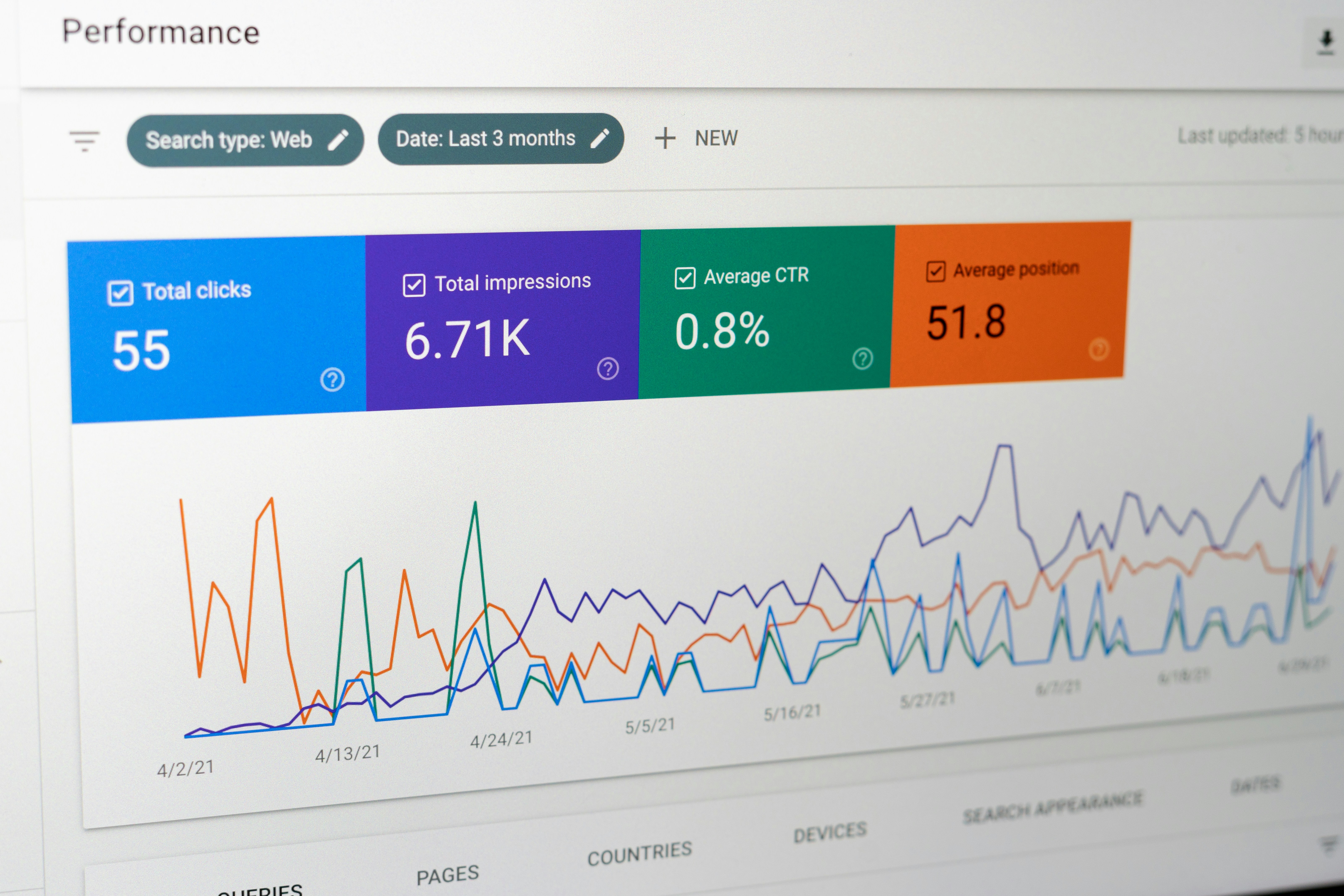
As for visualizations, selecting the right type can greatly enhance the representation of these metrics. Line graphs are particularly effective for displaying trends in visitor counts over time, while bar charts can visually contrast conversion rates across different marketing campaigns. Tables may be useful for summarizing user engagement metrics, allowing for quick comparisons. Always consider the nature of the data when choosing visual formats to ensure that insights are communicated clearly and effectively.
Advanced Data Analysis Techniques in Looker Studio
When utilizing Looker Studio for analyzing Matomo Analytics data, advanced data analysis techniques such as calculated fields, data blending, and filtering play a crucial role. These functionalities empower users to develop more detailed and customized reports, enabling them to derive deeper insights from their data.
Calculated fields are an essential feature that allows users to create new data metrics or dimensions directly within Looker Studio. By applying mathematical formulas or logical operations, users can compute values based on existing data from their Matomo reports. This capability is beneficial for measuring specific performance indicators, such as conversion rates or user engagement metrics, which may not be readily available in raw data. For example, a user can derive an average session duration by creating a calculated field using total session duration divided by total sessions.
Data blending is another powerful technique offered by Looker Studio which enables users to combine data from multiple sources. By merging Matomo data with other datasets, such as marketing campaign performance metrics or sales data, users can generate comprehensive insights that would otherwise be difficult to analyze in isolation. This technique allows decision-makers to recognize correlations between various elements of their business strategy, informing more effective planning and execution of their initiatives.
Filtering plays a critical role in refining reports to focus on specific metrics or segments relevant to user analysis. Looker Studio provides a variety of filtering options, allowing users to drill down into their data effectively. Whether filtering by date range, user demographics, or specific user actions tracked through Matomo, this capability enhances the clarity of data presentations, facilitating better decision-making processes.
In summary, leveraging advanced data analysis techniques in Looker Studio significantly enhances the ability to create valuable insights from Matomo Analytics data. By incorporating calculated fields, engaging in data blending, and effectively applying filters, users can construct highly customized and insightful reports that drive informed business decisions.
Sharing and Collaborating on Dashboards
When it comes to optimizing the use of Looker Studio dashboards for Matomo Analytics, the options for sharing and collaborating stand out as vital features. Sharing these dashboards can enhance decision-making processes by enabling multiple users to access the same data, thereby fostering collaboration across teams. Looker Studio offers a variety of permissions settings that allow the dashboard owner to manage who can view, edit, or share the dashboards. By customizing access levels, teams can ensure that sensitive data remains secure while still facilitating effective communication.
In addition to permissions settings, users can choose to share their dashboards publicly. This would make the visualizations accessible to anyone with the link, which can be particularly useful for organizations that aim to share insights with broader audiences, such as stakeholders or clientele. The public sharing option enhances transparency and allows external stakeholders to gain valuable understanding from the data presented in the dashboard.
Furthermore, Looker Studio provides embedding options, enabling users to incorporate their dashboards into other web pages or applications. This flexibility allows organizations to showcase critical insights without requiring additional logins, thus making data more accessible to different audience segments. Embedding can help create a seamless experience, where team members can engage with the data in context, improving overall analysis capabilities.
Successful collaboration in data analysis and reporting relies not just on robust sharing options but also on the culture of teamwork within an organization. When team members can actively view, discuss, and edit dashboards together, they can derive deeper insights and drive informed decision-making. Ultimately, effective sharing and collaboration within Looker Studio dashboards can significantly elevate the use of Matomo Analytics, leading to better data-driven outcomes.
Best Practices for Maintaining Your Dashboard
Maintaining a Looker Studio dashboard for Matomo Analytics is crucial to ensure ongoing accuracy and relevance in data reporting. One of the best practices is to establish a regular review schedule for the dashboards. A consistent timeline, such as quarterly or bi-annual reviews, allows for the identification of outdated metrics or visualizations. This strategic approach not only keeps the dashboard current but also adapts the data presentation to reflect the evolving business goals and priorities.
In addition to a review schedule, training team members on the effective usage of the Looker Studio dashboard is essential. Regular training sessions can empower users with the skills necessary to interpret the data correctly and utilize it for making informed decisions. As users become more proficient, they can provide valuable feedback on the dashboard’s functionality and any potential improvements. Engaging team members in dashboard discussions encourages collaboration and fosters a culture of data-driven decision-making.
Furthermore, ensuring data accuracy through routine checks of the Matomo Analytics configurations is vital. Regular audits of data imports and metric calculations can unveil discrepancies that need addressing. By cross-verifying with original data sources and confirming that analytics tracking is set up correctly, users can reduce the chances of inaccurate data impacting business decisions. This proactive step minimizes errors and enhances the reliability of the insights derived from the dashboard.
In conclusion, implementing these best practices creates a robust framework for maintaining Looker Studio dashboards for Matomo Analytics. A structured review schedule, team training, and rigorous data accuracy checks contribute significantly to maximizing the dashboard’s effectiveness, ensuring that organizational decisions are based on precise, actionable insights.
Case Studies: Successful Implementations of Looker Studio with Matomo
Implementing Looker Studio alongside Matomo Analytics has proven beneficial for various organizations, allowing them to harness the power of data visualization effectively. One noteworthy case study involves a leading e-commerce company that faced challenges in tracking customer engagement. By integrating Matomo with Looker Studio, the organization developed a customized dashboard that provided real-time insights into user behavior. This integration enabled the marketing team to optimize their strategies promptly, leading to a 25% increase in conversion rates over six months. The key takeaway here emphasizes how tailored dashboards can facilitate informed decision-making.
Another compelling example comes from a non-profit organization focused on environmental conservation. They utilized Looker Studio to visualize data collected through Matomo Analytics, particularly around their web initiatives and donor engagement metrics. The tailored dashboard allowed them to identify peak traffic periods and understand visitor behavior better. As a result, the non-profit was able to strategize their outreach efforts effectively, leading to a 40% increase in donations during their annual campaigns. This implementation reiterates the importance of data visualization in enhancing campaign outcomes.
A healthcare provider also found success through the combination of Looker Studio and Matomo Analytics. By developing an interactive dashboard, they could monitor patient feedback and website interactions efficiently. The information gathered facilitated swift responses to patient queries and improved service delivery, ultimately enhancing patient satisfaction scores. This unique case shows how Looker Studio can empower organizations within the healthcare sector to utilize data effectively for operational excellence.
Through these varied examples, it becomes clear that implementing Looker Studio with Matomo Analytics offers organizations the tools necessary to transform raw data into actionable insights, improving decision-making and overall performance. Each case demonstrates the platform’s adaptability across different sectors, showcasing its potential to drive significant results through effective data visualization.