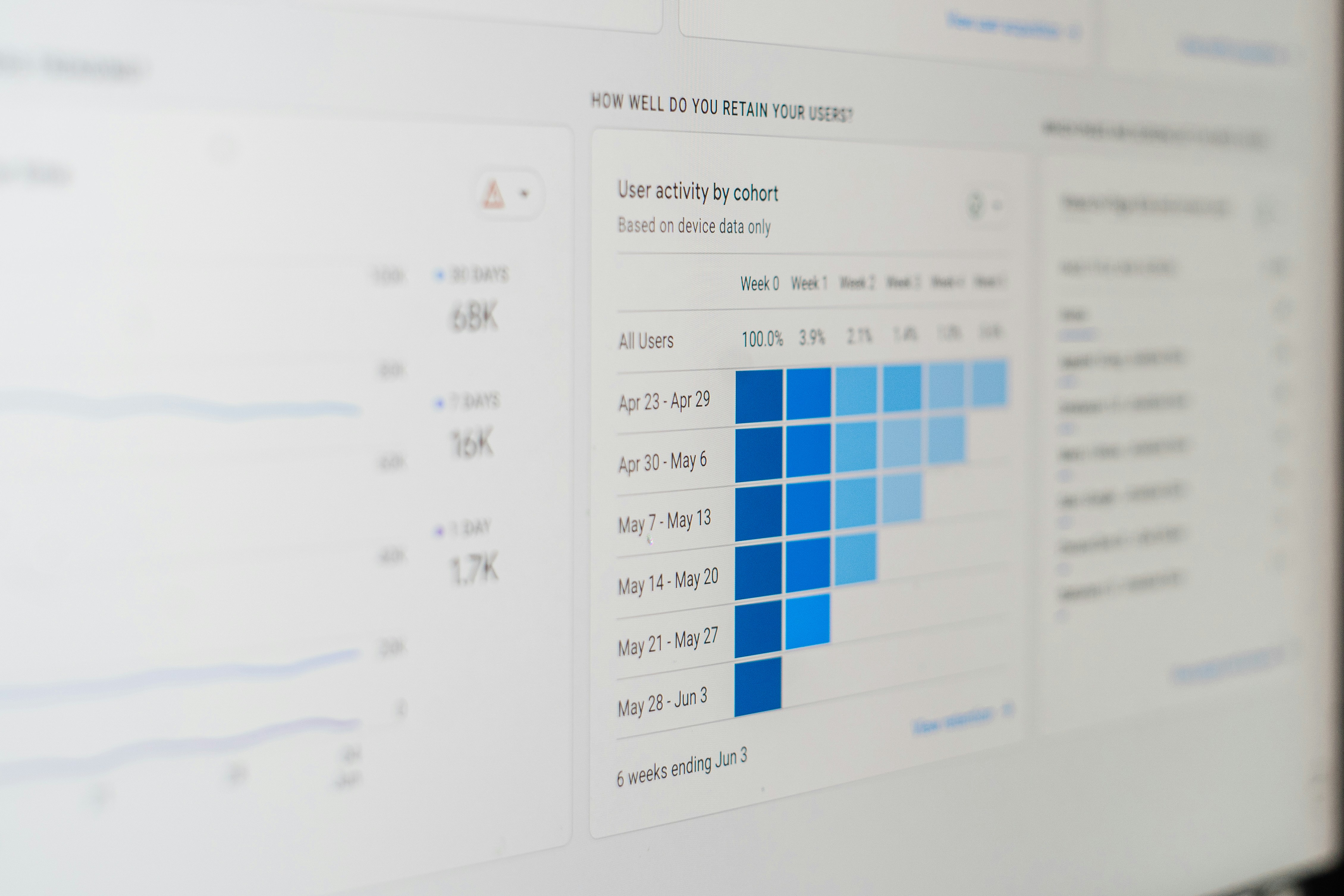
Introduction to Looker Studio and Its Benefits
Looker Studio is a powerful data analytics platform that helps businesses transform raw data into meaningful insights. One of its most beneficial applications is the creation of customized dashboards, which streamline the monitoring and analysis of critical metrics. In particular, the Looker Studio Amazon dashboard serves as an essential tool for organizations engaged in e-commerce, enabling them to collate and visualize data from their Amazon sales, inventory levels, and customer behaviors.
One of the foremost advantages of Looker Studio is its ability to connect with a multitude of data sources. This versatility allows users to pull in data from various platforms, not limited to Amazon. As a result, businesses can gain a holistic view of their performance, ensuring that all relevant metrics are easily accessible in one centralized location. The integration of Amazon data within Looker Studio enhances this capability, allowing for comparative analysis against competitor performance and broader market trends.
Moreover, Looker Studio facilitates the creation of visually appealing reports that can be customized to meet varying business needs. Users can employ a range of visualizations such as charts, graphs, and tables, making it easier to communicate data-driven insights to stakeholders. With the Looker Studio Amazon dashboard, for instance, users can track sales performance, understand customer preferences, and monitor inventory turnover with improved clarity. This usability also extends beyond mere analytics; it empowers decision-making processes by presenting data in an understandable manner.
In an age where data-driven decisions are paramount, leveraging Looker Studio for Amazon data not only promotes informed strategic planning but also enhances operational efficiency. With its robust analytics capabilities and user-friendly interface, Looker Studio remains a crucial asset for businesses seeking to thrive in a competitive landscape.
Why Monitor Amazon Metrics?
In the ever-evolving landscape of e-commerce, tracking Amazon metrics has become paramount for businesses that aim to thrive on this competitive platform. Implementing a looker studio Amazon dashboard is an effective way to keep a pulse on crucial metrics, providing insights that can drive informed decision-making. Understanding key performance indicators (KPIs) is essential to identify the strengths and weaknesses of one’s online selling strategy.
Sales performance is often the first metric that comes to mind when evaluating success on Amazon. Keeping a close watch on sales trends allows businesses to identify peak buying seasons, assess the impact of marketing campaigns, and gauge customer preferences. Analyzing sales data in real-time helps sellers respond quickly to fluctuations in demand, ensuring they do not miss out on potential revenue opportunities.
Equally important is monitoring inventory levels. A looker studio Amazon dashboard facilitates easy tracking of stock, enabling sellers to prevent stockouts or overstocking situations. This proactive approach minimizes lost sales due to unavailable products and reduces the carrying costs associated with excess inventory. Understanding inventory metrics is key to maintaining operational efficiency and meeting customer expectations.
Customer satisfaction metrics, such as feedback ratings and return rates, provide insights into the customer experience. By prioritizing these indicators, businesses can strive for continuous improvement in their offerings. Understanding how customers perceive a brand can significantly influence future sales and customer loyalty.
Lastly, assessing advertising efficiency is vital in maximizing return on investment. Tracking ad performance through specific metrics such as cost-per-click (CPC) and conversion rates allows for optimizing ad spend. All these aspects highlight the necessity for a comprehensive dashboard that aggregates important Amazon metrics into a single view, supporting strategic decisions that ultimately lead to business growth.
Setting Up Looker Studio
To begin harnessing the capabilities of Looker Studio for your Amazon dashboard, the first step involves creating your Looker account. Navigate to the Looker Studio homepage and click on the sign-up option. You will be required to provide basic information, including your email address and a password. Once registered, check your email for a verification message. Click the link provided to activate your account, which will grant you access to the dashboard.
After successfully logging into Looker Studio, the next step is to establish a data connection. For an Amazon dashboard, you will typically want to integrate your Amazon data sources such as Amazon S3, Redshift, or third-party tools like Google Sheets. To connect your data, click on the “Create” button on the top right corner of the dashboard, followed by “Data Source.” Choose your preferred data connector and follow the prompts to authenticate and pull in your data. Ensure that the data imports are correct, as this will directly impact the functionality of your Looker Studio Amazon dashboard.
Once your data connections are established, take some time to familiarize yourself with the Looker Studio interface. The layout primarily consists of the navigation bar on the left, where you can access your projects and existing dashboards. The central area serves as your canvas where visualizations and components can be created. Understanding key features such as fields, charts, and filters will be essential in customizing your dashboard. Efficient use of these elements allows users to build a dynamic Amazon dashboard tailored to specific needs, helping to provide deeper insights into their Amazon metrics. Familiarizing yourself with the interface and functionalities will empower you to leverage Looker Studio more effectively.
Connecting Amazon Data to Looker Studio
Integrating Amazon data into Looker Studio is a pivotal step in creating a comprehensive and insightful dashboard. This process can be achieved through several methods, including the use of APIs, importing data via CSV files, and employing third-party tools tailored to facilitate data transfer.
One of the most efficient methods for connecting your Amazon Seller Central data is through Amazon’s API. The Amazon Selling Partner API (SP-API) provides developers with the capability to access data programmatically, allowing for real-time updates and automated data pulls. To utilize this approach, users must register for Amazon’s Developer Services and create an application that acquires the necessary access credentials. Once connected, the API delivers a wealth of information ranging from sales metrics to inventory levels, all of which can be directly visualized within Looker Studio.
For those who prefer a more manual approach, importing data from CSV files serves as a practical alternative. Amazon Seller Central allows merchants to export performance reports as CSV files easily. After downloading relevant data reports, users can upload these files to Looker Studio. While this method might not offer real-time updates, it provides a quick way to conduct analyses based on historical data.
Another option worth considering is the use of third-party tools that specialize in bridging the gap between Amazon Seller Central and Looker Studio. These tools streamline the data flow, automating the synchronization process and often supporting different types of data integration formats. Numerous options are available in the marketplace, each providing a user-friendly interface and eliminating the complexities involved in direct API management.
By selecting a suitable method for connecting Amazon data to Looker Studio, users can ensure their dashboards are not only informative but also reflective of the most current insights. This foundational step lays the groundwork for creating a robust looker studio amazon dashboard tailored to specific business needs.
Building Your Amazon Dashboard
Creating an effective Amazon dashboard in Looker Studio necessitates thoughtful planning and execution. The initial step in building your dashboard is determining the specific business objectives you aim to achieve. Consider the key performance indicators (KPIs) vital for your analysis, such as sales performance, inventory levels, and customer feedback. Once you have identified these metrics, you can begin to select the appropriate visualizations that not only communicate the data effectively but also enhance user engagement.
When choosing the right charts for your Looker Studio Amazon dashboard, it is crucial to align the types of visualizations with the nature of the data. For instance, line charts are ideal for tracking sales trends over time, while bar charts are beneficial for comparing sales across different product categories. Pie charts can be effective in illustrating market share, whereas tables may provide a detailed view of individual product performance. Each chosen visualization should serve to clarify the insight you wish to convey and fit seamlessly into the overall narrative of your dashboard.
Data organization plays a critical role in the development of an Amazon dashboard in Looker Studio. Ensure that your data is structured logically, allowing users to drill down into specifics as necessary. Grouping related metrics will help in maintaining clarity and coherence throughout the dashboard. Customization is another vital aspect; leveraging Looker Studio’s features, you can tweak the layout, colors, and fonts to resonate with your brand identity or preferences, thus making the dashboard not only functional but visually appealing as well.
Finally, it is essential to test your dashboard to ensure that it meets your business needs effectively. Solicit feedback from stakeholders and make iterative improvements based on their insights. This ongoing refinement will help in creating a dynamic Looker Studio Amazon dashboard, ultimately enhancing decision-making and strategic planning for your business.
Key Metrics to Include in Your Dashboard
When creating an effective Amazon dashboard in Looker Studio, it is crucial to identify and include key metrics that provide actionable insights. These metrics help sellers and analysts diagnose performance, optimize campaigns, and make informed business decisions. Several core performance indicators should be prioritized.
First and foremost, tracking sales trends is essential. By analyzing historical sales data, users can discern seasonal patterns, measure the impact of marketing efforts, and forecast future sales. This trend analysis enables stakeholders to adjust their strategies accordingly to capitalize on peak selling periods.
Conversion rates represent another critical metric. The conversion rate indicates the percentage of visitors who complete a desired action, such as making a purchase. Monitoring conversion rates helps identify any issues with product listings, pricing, or customer engagement, facilitating timely adjustments to improve overall performance.
Furthermore, advertisement ROI is fundamental for evaluating the effectiveness of paid marketing campaigns. This metric assesses the returns generated by advertising efforts, allowing businesses to determine which channels yield the best results and ensuring that marketing budgets are allocated effectively.
Another vital metric to include is customer reviews. These reviews not only influence purchasing decisions but also provide feedback that can guide product improvements. By aggregating review scores and analyzing sentiment, firms can enhance customer satisfaction and drive long-term loyalty.
Finally, incorporating metrics such as inventory levels, return rates, and customer acquisition costs can further enrich the dashboard. These elements collectively create a comprehensive overview of business performance, enabling users to make data-driven decisions that enhance visibility and profitability in the competitive Amazon marketplace.
Leveraging Looker Studio Features for Enhanced Insights
Creating a robust Amazon dashboard in Looker Studio requires a deep understanding of the platform’s advanced features. By utilizing features such as filter controls, date range selectors, and calculated fields, users can significantly enhance the interactivity and depth of insights provided by the dashboard. These tools allow users to tailor data analysis to their specific needs, ensuring that they can extract meaningful information quickly and efficiently.
Filter controls are an essential component of an effective Looker Studio Amazon dashboard. They enable users to focus on particular datasets or segments, eliminating extraneous information that may cloud the analysis. For instance, a user could filter sales data by product category or region, facilitating a targeted assessment of performance trends. This concentration allows stakeholders to identify opportunities for improvement or growth based on the most relevant data points.
Date range selectors are another critical feature that enhances the usability of the dashboard. These selectors grant users the flexibility to analyze trends over specified periods, whether daily, weekly, or monthly. By viewing data through various timeframes, businesses can track seasonal fluctuations, promotional impacts, and other temporal dynamics that influence performance metrics. The ability to adjust the date range seamlessly empowers organizations to make timely decisions based on current data rather than being confined to predefined reports.
Lastly, calculated fields add an extra layer of customization to the Amazon dashboard in Looker Studio. Users can create new data fields derived from existing datasets, enabling them to perform complex analyses without the need for external calculations. For instance, defining a calculated field to determine profit margins based on sales and costs helps in better financial assessments. This functionality not only saves time but also enhances the comprehensiveness of insights garnered from the dashboard.
In conclusion, leveraging advanced features in Looker Studio, such as filter controls, date range selectors, and calculated fields, can significantly elevate the interactivity and depth of insights in an Amazon dashboard. By transforming raw data into actionable insights, organizations can make informed decisions that drive growth and efficiency.
Common Challenges and How to Overcome Them
Creating an Amazon dashboard in Looker Studio presents various challenges that users may encounter during the process. Addressing these issues effectively requires understanding the potential obstacles and implementing practical solutions.
One of the most common challenges is data synchronization. Users often find it difficult to ensure that data from various Amazon services is seamlessly integrated into Looker Studio. This can lead to delays in data updates and inaccuracies in reporting. To overcome this challenge, it is essential to establish a robust data connection and ensure that data sources are properly configured. Regularly scheduling data refreshes can help keep the information up-to-date, allowing users to rely on accurate metrics for informed decision-making.
Another issue that arises is the overwhelming volume of data available from Amazon. Users may struggle to extract meaningful insights from large datasets, which can lead to analytic paralysis. To tackle this problem, it is crucial to define clear objectives for the dashboard ahead of time. Identifying key performance indicators (KPIs) and focusing on specific metrics that matter most to the business can simplify the data analysis process. Additionally, employing filters and drill-down options can help users navigate complex datasets more effectively.
Visual clutter is also a significant concern when designing dashboards. Aesthetically pleasing and functional dashboards are essential for user engagement and comprehension. Overloading the dashboard with too many visuals can confuse users. To avoid this, it is advisable to use a minimalistic design approach, prioritizing clarity and simplicity. Grouping related metrics and using consistent color schemes can enhance visual appeal while maintaining a user-friendly experience.
In summary, overcoming these challenges when creating an Amazon dashboard in Looker Studio involves understanding data synchronization, managing extensive data, and minimizing visual clutter. By implementing strategic solutions, users can develop effective and insightful dashboards that drive valuable business outcomes.
Conclusion and Next Steps
Creating an effective Amazon dashboard in Looker Studio is a crucial step for any data-driven organization looking to leverage their e-commerce insights. By utilizing Looker Studio, businesses can visualize their data in meaningful ways, enabling them to track performance metrics, optimize product offerings, and enhance customer participation. A well-structured dashboard allows users to make informed decisions based on real-time data, ultimately contributing to improved operational efficiency and increased revenues. The capabilities of Looker Studio can transform the way data is perceived and utilized in the context of Amazon sales metrics.
As you embark on this journey of mastering Looker Studio for your Amazon dashboard, it is essential to continuously enhance your analytical skills. The tools and features available within Looker Studio provide a dynamic platform for experimenting with various dashboard layouts, visualizations, and data integration methods. Engaging with these elements not only solidifies your understanding but also augments your ability to derive deeper insights from complex data sets.
In addition to the foundational knowledge gained through creating your Amazon dashboard, several resources are available to further your learning. We encourage you to delve into additional articles and tutorials focused on advanced techniques in Looker Studio, which can expand your skill set even further. Furthermore, if you encounter challenges or wish to share your experiences, please feel free to reach out through our contact page. Connecting with a community of like-minded individuals can foster collaboration and innovation.
By embracing the power of Looker Studio for your Amazon dashboard, you open the door to a wealth of possibilities for your business. We wish you success as you explore this new avenue for data analysis and visualization.