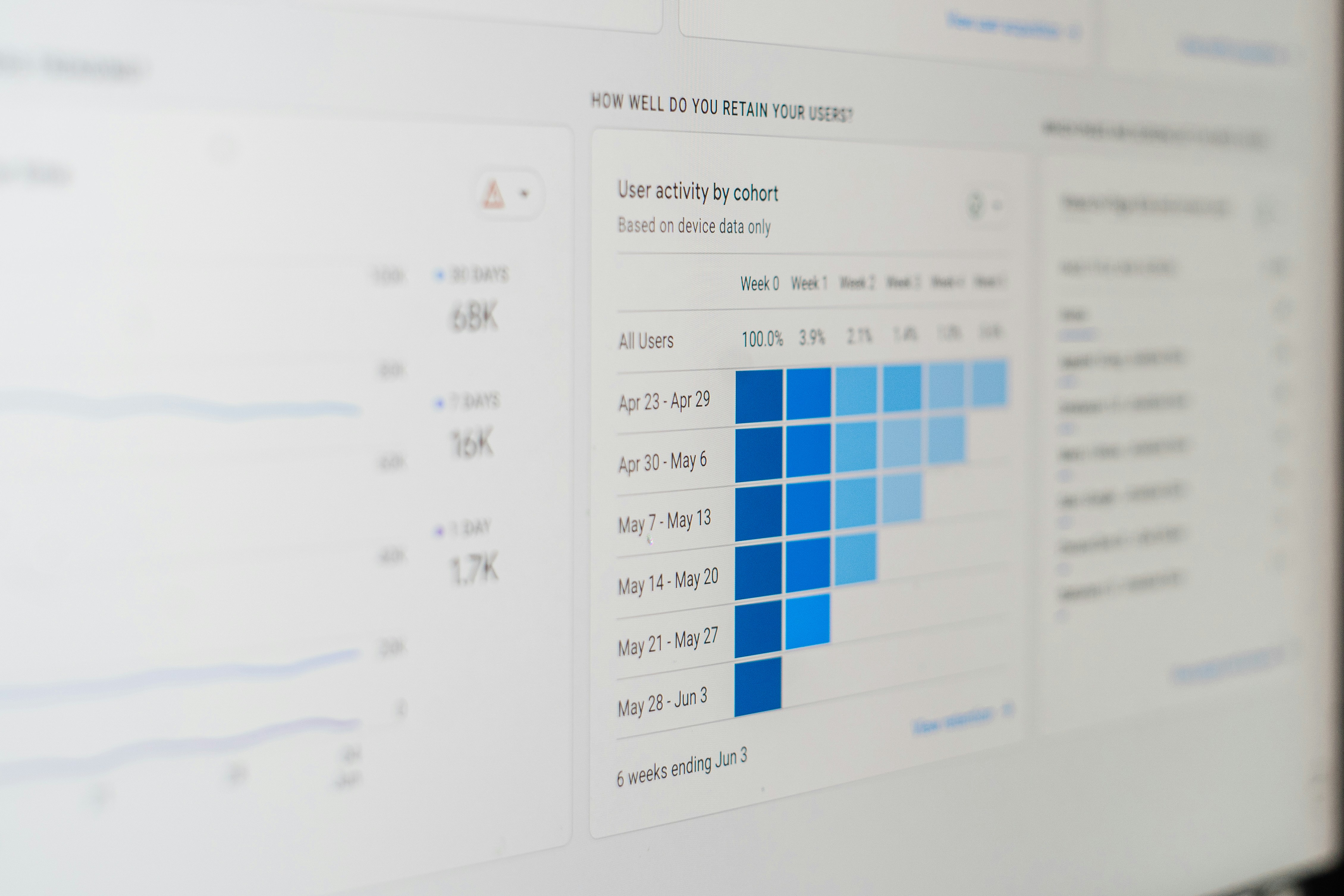
Introduction to Looker Studio
Looker Studio is an advanced data analytics and visualization platform designed to empower organizations to turn their raw data into meaningful insights. This powerful tool is particularly beneficial for creating interactive dashboards that provide real-time analytics, enabling users to make informed decisions quickly. Looker Studio allows businesses to connect with various data sources, thus facilitating seamless integration and comprehensive analysis. One of the key features of Looker Studio is its ability to create custom metrics and compelling visualizations, which enhance both the aesthetic and functional aspects of the dashboards.
The benefits of utilizing Looker Studio are manifold. For starters, it provides users with a flexible and user-friendly interface that allows individuals, regardless of their technical expertise, to interact with their data effectively. Users can employ an array of visualization options—ranging from simple bar charts to sophisticated geographical maps—to represent data in a manner that is not only informative but also easily interpretable. Furthermore, Looker Studio supports collaboration amongst teams, enabling multiple users to access and modify dashboard elements, ensuring that insights are shared and understood across departments.
The importance of Looker Studio in the realm of data visualization cannot be overstated. In today’s data-driven environment, organizations require tools that not only analyze data but also contextualize it, aiding stakeholders in understanding trends and making actionable decisions. By leveraging Looker Studio, businesses can cultivate a culture of data literacy, where all team members can engage with data confidently. This leads to improved business strategies and outcomes, ultimately enhancing overall organizational performance. Additionally, Looker Studio’s seamless compatibility with various data sources allows for real-time updates, ensuring users always have access to the latest information.
Understanding API4Com Integration
API4Com is a versatile tool designed to facilitate seamless data integration and communication across various platforms. It provides a robust Application Programming Interface (API) that allows developers and businesses to connect their systems and applications with ease. This capability is crucial in today’s data-driven environment, where organizations need to aggregate information from multiple sources to drive insights and decision-making. By leveraging API4Com, users can streamline their data flows, ensuring that the most pertinent information is available when needed.
One of the standout features of API4Com is its ability to enhance the efficiency of data processing. By automating the collection and transfer of data, API4Com reduces the manual effort traditionally required in these tasks. This leads to faster response times and improved accuracy, as human error is minimized. Furthermore, the integration of API4Com with Looker Studio serves to bolster these efficiencies. Users can seamlessly pull real-time data from various sources into Looker Studio, which then enables them to create visually compelling dashboards that offer deep insights into their business operations.
Combining API4Com with Looker Studio offers significant advantages for businesses looking to enhance their data reporting capabilities. The integration allows for dynamic updates to dashboard data, meaning users can make informed decisions based on the latest trends and metrics. The API’s capacity to communicate effectively with various data systems ensures that organizations can maintain a holistic view of their data landscape. This integration not only improves operational efficiency but also empowers businesses to make data-informed decisions more swiftly. Overall, utilizing API4Com alongside Looker Studio represents a powerful strategy for enhancing data reporting and the overall analytical process.
Setting Up API4Com with Looker Studio
Integrating API4Com with Looker Studio involves several steps that ensure a seamless connection between your data sources and visualization platform. This process begins with a clear understanding of the prerequisites, which include a valid API4Com account and a Looker Studio account. Ensure you have the necessary permissions to access and manipulate the data you wish to visualize.
Once you have confirmed the prerequisites, the first step is to install any necessary libraries associated with the API4Com service. You can typically do this using a package manager like npm, by executing the following command in your terminal:
npm install api4com-sdkAfter installing the SDK, configure your API4Com settings. You’ll need to identify your API key and endpoint URL, which can be found in your API4Com dashboard. Proper configuration can be achieved by creating a configuration file (config.js) with the following content:
const API4Com = require('api4com-sdk');const api4com = new API4Com({apiKey: 'YOUR_API_KEY',endpoint: 'https://api.api4com.com',});module.exports = api4com;Next, it’s important to establish the connection between Looker Studio and API4Com. Utilize the built-in connectors provided by Looker Studio, or employ custom code to fetch data from the API4Com service. When creating a data source in Looker Studio, select the “Create New Data Source” option and choose the API4Com connector.
During the configuration process, ensure to map API parameters correctly to avoid common pitfalls, such as incorrect data types and missing parameters. A typical mistake occurs when API rate limits are exceeded, leading to failed data retrieval. To mitigate this, review API4Com’s documentation for limit specifications and implement backoff strategies in your code.
Completing these steps will enable you to successfully set up API4Com with Looker Studio, allowing you to leverage your data into impactful visualizations. In the next sections, we will further explore how to create insightful dashboards with the established connection.
Designing Your Dashboard
Effectively designing a dashboard within Looker Studio is essential for conveying information clearly and engaging users. The layout is the foundation upon which effective data visualization is built. A well-structured layout helps users quickly grasp key insights while navigating through the data effortlessly. Consider implementing a grid-based design to promote organization and balance between data elements. This approach will enhance comprehension and ensure that users can focus on important metrics without feeling overwhelmed.
Color schemes play a crucial role in dashboards, as they can influence how information is perceived. Select a color palette that enhances readability and ensures sufficient contrast between various elements. Using a limited color set, typically between three to five colors, helps maintain visual cohesion. Additionally, functional colors—such as red for warnings and green for positive outcomes—can help users immediately discern significant changes in the data. Consistent color usage across the dashboard fosters familiarity and assists in navigating the information presented.
User-friendly navigation is vital for keeping end-users engaged with the dashboard. Incorporating intuitive filters, drop-down menus, and actionable buttons allows users to interact with the data seamlessly. Tabs may be utilized to segregate different categories or sections, leading users toward targeted insights without overwhelming them with information. Incorporate tooltips that provide explanations for specific data points or visualizations, further assisting in user comprehension.
When selecting data to visualize, prioritize metrics that align with user goals and relevant business objectives. Focus on data that can drive decision-making, enhance performance tracking, or identify trends. Utilize various visualization types, such as bar charts for comparison, line graphs for trends, and pie charts for part-to-whole relationships, to create an engaging and informative dashboard environment. Effectively designed dashboards not only present data clearly but also empower users to derive meaningful insights from their information.
Customizing Data Visualizations
Looker Studio offers an extensive range of customization options for data visualizations, enabling users to tailor dashboards to specific business needs. Whether you are analyzing sales performance, customer engagement, or operational efficiency, choosing the right visualization is critical to effectively conveying your insights. Various types of visualizations are available, including charts, graphs, and tables, each serving different purposes based on the nature of the data being presented.
When selecting a visualization type, the first step is to assess the data’s structure and the story you wish to tell. For instance, line graphs are excellent for displaying trends over time, making them ideal for monitoring sales data or user engagement metrics. On the other hand, bar charts are suitable for comparing categories, such as sales performance across different regions. Pie charts, while sometimes critiqued for clarity, can effectively illustrate proportions when comparing parts of a whole, provided they are not overloaded with too many slices.
Customizations extend beyond selection; Looker Studio enables users to modify the aesthetics of data visualizations, enhancing both functionality and appearance. This includes changing colors to match brand guidelines, adjusting axis scales to provide better insights, and altering fonts for improved readability. Additionally, users can incorporate interactive elements, such as filters and tooltips, allowing stakeholders to engage with the data dynamically. For example, applying filters to a dashboard may enable users to examine specific date ranges, hence providing deeper insights into sales fluctuations.
It is also beneficial to leverage Looker Studio’s capabilities for integrating various data sources, including those retrieved via API4Com. This integration can enrich visualizations, presenting a more comprehensive view of the business landscape. By utilizing these customization options effectively, organizations can create impactful dashboards that not only meet their specific needs but also resonate with their target audience.
Utilizing Filters and Controls
The integration of filters and controls in Looker Studio dashboards is crucial for enhancing user interaction with data, as these features empower users to dynamically explore and analyze information tailored to their specific needs. Filters allow users to isolate segments of data, enabling a more profound examination of patterns and trends, which can lead to better-informed decision-making. By providing a mechanism for granular data analysis, filters play an integral role in the overall effectiveness of any dashboard built using Looker Studio.
To implement filters and controls effectively, one must first understand the nature of the data being presented within the dashboard. One can employ various types of filters, including date range selectors, category filters, or numerical filters. Date range filters assist users in analyzing data over specific time intervals, while categorical filters allow users to narrow down data points based on predefined categories. This targeted approach in the filtration process not only improves the dashboard’s efficiency but also enhances the user experience, as it allows stakeholders to focus on what truly matters to their specific analysis.
Moreover, controls such as dropdown menus, sliders, and checkboxes can be incorporated into Looker Studio dashboards to further facilitate interactivity. These controls provide an intuitive interface through which users can adjust parameters and observe real-time changes in data visualization. This interactivity is essential for users looking to drill down into specific segments of data, helping them identify anomalies and derive actionable insights more easily.
In summary, the thoughtful implementation of filters and controls in Looker Studio dashboards greatly enhances user interaction. By offering dynamic interaction with data, users are equipped to perform in-depth analyses and make decisions based on precise and filtered information. The strategic use of these features is vital for creating efficient and effective dashboards that cater to the diverse needs of users.
Automating Updates with API4Com
One of the significant advantages of utilizing API4Com in conjunction with Looker Studio is the ability to automate data updates seamlessly. This feature facilitates the continuous integration of data sources, ensuring that the dashboards reflect real-time information without requiring manual intervention. For businesses that rely on timely insights for decision-making, such automation is indispensable.
API4Com offers robust features that allow users to set up automated data fetching processes. For instance, organizations can schedule regular intervals for data retrieval, ensuring that the data sourced from various platforms is consistently up-to-date. This scheduling can range from hourly to daily updates, allowing decision-makers access to the most current data, thereby enhancing their analytical capabilities.
Additionally, API4Com supports webhooks that can trigger automatic data fetching based on specific events. For example, if a customer places an order on an e-commerce platform, a webhook can notify API4Com to fetch the most recent sales data. This immediate data integration ensures that stakeholders have real-time visibility into sales performance, inventory levels, or any other crucial metrics monitored through Looker Studio dashboards.
The integration process is highly customizable, allowing businesses to select which datasets need to be updated and how often. By reducing the time spent on manual data entry and maintaining data accuracy, organizations can focus on analyzing the insights generated. With these automation features, API4Com not only simplifies the data management process but also enhances the overall effectiveness of Looker Studio dashboards.
Ultimately, by leveraging API4Com’s automation capabilities, organizations can ensure that their Looker Studio dashboards remain current and relevant, providing vital insights that can drive strategic decision-making in a rapidly changing business environment.
Testing and Debugging Your Dashboard
Testing and debugging are crucial steps in the development of dashboards using Looker Studio and API4Com. These processes ensure that the final product is not only aesthetically pleasing but also functionally accurate and reliable. Before launching a dashboard, it is vital to validate data integrity and accuracy of visualizations, as these elements directly affect decision-making based on the dashboard’s insights.
One commonly adopted testing methodology is the unit testing approach, where individual components of the dashboard are evaluated for functionality in isolation. This technique helps identify errors at an early stage, enabling developers to make necessary adjustments before other components are integrated. Functional testing is another vital methodology, focusing on whether the dashboard meets specified requirements and behaves as expected when subjected to various inputs.
Regarding debugging tools, Looker Studio offers several features that facilitate troubleshooting. For example, the built-in data exploration capabilities enable users to query datasets directly, examining raw data to verify that it aligns with visualizations. Additionally, data validation checks can be implemented to highlight discrepancies early in the development process. External tools such as browser developer tools can also be employed to monitor network requests and responses, helping to identify potential issues in real-time data fetching.
To ensure data integrity in your dashboard, it is advisable to conduct rigorous data source validation. This involves confirming that the data being pulled into Looker Studio from API4Com and other sources is accurate, complete, and up-to-date. Users should also review visualization configurations to guarantee that the displayed information accurately reflects the underlying data. Engaging in comprehensive testing and debugging not only enhances reliability but also builds confidence among stakeholders who depend on the insights provided by the dashboards.
Conclusion and Future Prospects
In this discussion on creating efficient dashboards through the integration of Looker Studio and API4Com, several key points have emerged. The seamless connection between Looker Studio, a powerful data visualization tool, and API4Com, which enhances data efficiency, enables businesses to craft intuitive dashboards that significantly aid decision-making processes. This integration not only streamlines data handling but also empowers organizations to gain actionable insights quickly, thus fostering a data-driven culture. Moreover, the customizable nature of dashboards allows organizations to tailor visualizations that align closely with their specific needs, thereby enhancing user engagement and understanding.
Looking ahead, the trends in data visualization are expected to evolve significantly. The increasing reliance on data-driven decision-making across various sectors underscores the importance of effective dashboards. In the future, we may witness advancements such as the incorporation of artificial intelligence, which will enable predictive analytics and automated insights, creating even more impactful dashboards. Furthermore, the proliferation of cloud-based solutions is anticipated to enhance collaboration and accessibility, allowing teams to work together more efficiently, regardless of geographic barriers.
Another notable trend is the growing emphasis on user experience in data visualization tools. As organizations recognize the value of compelling storytelling through data, enhanced visual elements and user-friendly interfaces will become essential components of dashboards. Future iterations of tools like Looker Studio and API4Com will likely focus on providing richer visualization options and personalization features, facilitating better engagement and understanding for users at all technical levels.
In conclusion, the integration of Looker Studio and API4Com marks a significant step toward creating impactful dashboards that meet evolving business requirements. As data visualization trends continue to unfold, these tools are poised to play a crucial role in helping organizations leverage their data for informed decision-making moving forward.