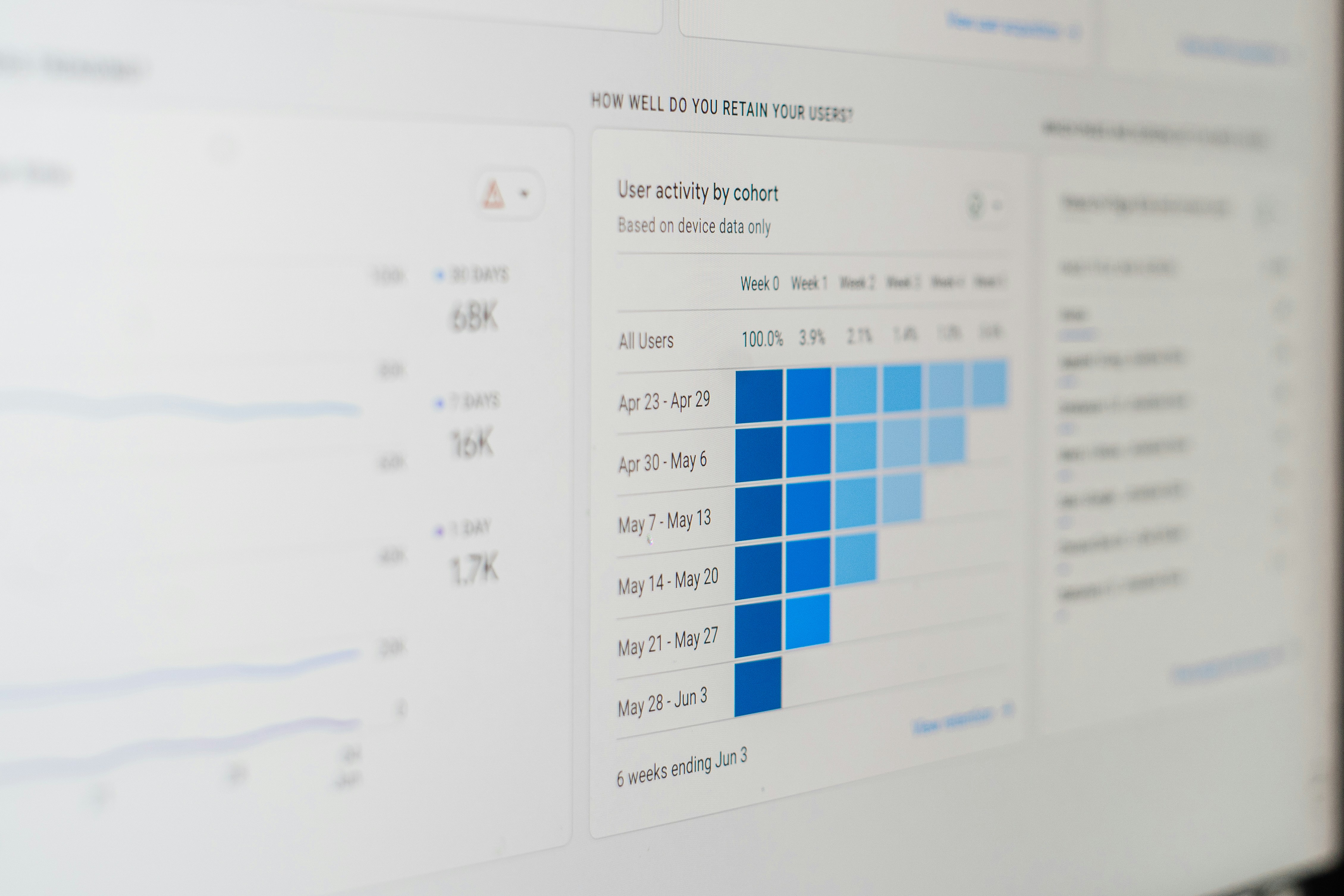
Introduction to Looker Studio Illumin
Looker Studio Illumin is a powerful data visualization tool that empowers users to transform complex data into interactive and easily digestible visual formats. The platform serves as an integral component of business intelligence, enabling organizations to harness the full potential of their data. By providing dynamic visualizations, Looker Studio Illumin allows users to uncover patterns, trends, and insights that might otherwise remain obscured within raw data. This capability is crucial not only for data analysts but also for decision-makers who rely on accurate information to guide their strategic choices.
The primary purpose of Looker Studio Illumin is to enhance data accessibility and interpretation across various sectors. Businesses often generate vast amounts of data that can be overwhelming without the right tools to distill that information into actionable insights. By utilizing Looker Studio Illumin, users can create custom reports and dashboards tailored to their specific needs, facilitating better communication of data-driven findings and supporting collaborative decision-making processes.
Moreover, the importance of data visualization tools such as Looker Studio Illumin cannot be overstated in today’s data-driven landscape. As organizations seek to gain competitive advantages, the ability to effectively present data visually becomes paramount. These tools not only improve comprehension but also foster a culture of data literacy within organizations, allowing team members from various departments to engage with data confidently.
In conclusion, Looker Studio Illumin stands out as a crucial asset for any organization aiming to improve their data analysis capabilities. By facilitating robust visual data representation, it not only enhances business intelligence but also reinforces the significance of making informed decisions based on data insights. The transformative power of data visualization thus highlights the value of implementing tools like Looker Studio Illumin in the contemporary business environment.
Reasons to Deactivate Looker Studio Illumin
There are various reasons one might consider deactivating Looker Studio Illumin, and these often stem from performance concerns, shifts in organizational needs, or the exploration of alternative data visualization tools. Understanding these motives can be crucial for users contemplating whether to continue with this platform.
First and foremost, performance issues can significantly impact a user’s experience with Looker Studio Illumin. Some users report that the platform may lag or slow down when handling large datasets, leading to frustration and inefficiencies in workflow. If data processing speeds and responsiveness become problematic, users may find themselves seeking alternatives that can handle their needs more efficiently. This is particularly pertinent for organizations managing complex datasets where lag can result in lost productivity.
Another reason to deactivate Looker Studio Illumin may stem from a lack of need for advanced features it provides. For smaller teams or organizations with basic data visualization requirements, the extensive capabilities of Looker Studio Illumin might be unnecessary. In such cases, users may decide that simpler, more cost-effective options would suffice for their data analysis and reporting purposes, leading to the consideration of deactivation.
Additionally, some users might be transitioning to other tools that offer different functionalities or integration capabilities better aligned with their current technology stack. As the landscape of data visualization tools evolves, new solutions emerge that may better meet specific demands, prompting organizations to explore these alternatives. In this context, deactivating Looker Studio Illumin could reflect a strategic decision to optimize resources and enhance analytical capabilities.
Step-by-Step Guide to Deactivate Looker Studio Illumin
Deactivating Looker Studio Illumin involves a straightforward process that can be accomplished with careful attention to detail. Follow these steps to ensure that you successfully deactivate the service without encountering any issues.
Begin by launching your Looker Studio account. Once logged in, navigate to the ‘Settings’ section, which can typically be found in the top-right menu under your profile name. Select this option to access a variety of user settings and preferences.
Inside the Settings menu, look for the “Illumin Settings” tab. This is where you can manage the functionalities associated with Looker Studio Illumin. Click on it to display the relevant settings available for adjustment.
Within the “Illumin Settings” area, locate the option that mentions “Deactivate Illumin.” It is important to thoroughly read any prompts or notices that appear when you click this option, as they may provide essential information about what deactivating entails for your account.
After selecting the Deactivate option, you will likely be presented with a confirmation dialog. This dialog is crucial as it confirms your intention to deactivate Looker Studio Illumin. Carefully examine the implications stated in the dialog, which may include a loss of access to certain features linked to the service.
Upon confirming your decision, you should receive a notification that the deactivation process is underway. The duration for this process can vary, but it generally concludes within a few moments. Once deactivation is complete, you will no longer have access to the features provided by Looker Studio Illumin.
It is advisable to log out and back into your account after the process to ensure all settings have been adjusted properly. If additional issues arise during this procedure, consult the help documentation provided by Looker Studio or contact their customer support for further assistance.
Impact of Deactivation on Existing Reports
Deactivating Looker Studio Illumin can have significant repercussions for existing reports, dashboards, and data visualizations within your organization. Understanding these impacts is crucial for any data-driven team considering this action, as it directly affects business intelligence workflows and the accessibility of historically collected data.
Once Looker Studio Illumin is deactivated, users may notice that all associated data visualizations become unavailable. Deactivation essentially severs the connection to Looker Studio’s data sources, and as a direct result, all reports created using these data points may lose their functionality and insights. It is essential to note that while the data contained within the reports may not be deleted immediately, the ability to access it through Looker Studio is compromised, leading to potential blind spots in your analytics.
Moreover, the deactivation process may not automatically back up or preserve data visualizations or custom metrics. Therefore, it is advisable for users to take necessary precautions prior to proceeding with deactivation. This can include exporting existing reports, utilizing data export options, or saving configurations to another secure platform. By taking these steps, teams can mitigate the risk of data loss and ensure continuity in reporting practices, even following the withdrawal from Looker Studio Illumin.
In summary, the deactivation of Looker Studio Illumin presents a clear risk to existing reports and visualizations. Therefore, it is critical for users to not only consider the immediate effects of this decision but also to implement effective backup strategies to preserve valuable data insights before initiating the deactivation process.
Alternatives to Looker Studio Illumin
When looking for alternatives to Looker Studio Illumin, various tools offer similar functionalities that cater to different business needs, ensuring efficient data visualization and analytics. Below are several noteworthy options:
1. Tableau: Tableau is a powerful data visualization software known for its intuitive interface and robust analytics capabilities. It allows users to create interactive dashboards and visuals from a multitude of data sources. Tableau is ideal for businesses interested in advanced analytics and real-time insights, making it a suitable substitute for Looker Studio Illumin.
2. Microsoft Power BI: Microsoft Power BI is another strong contender in business intelligence. This tool offers seamless integration with other Microsoft products, which is advantageous for organizations already using Microsoft Office Suite. Power BI provides comprehensive data modeling options, making it a good alternative when collaboration and ease of use are priorities.
3. Qlik Sense: Qlik Sense focuses on user-driven data exploration and offers associative data indexing for enhanced data capturing. The tool is designed to allow users to make data-driven decisions quickly. Organizations that prioritize self-service analytics and team collaboration may find Qlik Sense a fitting alternative.
4. Sisense: Sisense offers a unique approach by embedding analytics within existing applications. Its capability to manage large datasets with high performance makes it a great option for businesses looking for an all-in-one solution for data preparation and visualization. This platform is particularly useful for those with complex data environments.
5. Google Data Studio: As a free tool from Google, Data Studio allows users to transform data into informative, easy-to-read dashboards and reports. It integrates well with other Google services and is suitable for teams on a budget or those needing basic analysis functionalities.
Choosing the right alternative depends on specific business requirements, including budget, team skill level, and desired features. Each option mentioned provides unique strengths that could serve as effective substitutions for Looker Studio Illumin.
Common Issues During Deactivation and How to Resolve Them
Deactivating Looker Studio Illumin can present a variety of challenges for users, often leading to confusion and frustration. Understanding these common issues and their practical solutions can help ensure a smooth deactivation process.
One of the most frequently encountered issues is an incomplete or failed deactivation attempt. This problem can arise from several factors, including poor internet connectivity or user session timeouts. To resolve this, it is advisable to check your internet connection and, if necessary, refresh the session before attempting to deactivate again. Additionally, clearing your browser’s cache can help prevent potential conflicts during this process.
Another common hurdle is the presence of dependent reports or dashboards that may still utilize data from Looker Studio Illumin. When attempting to deactivate, the system may prevent this action if it detects active dependencies. To overcome this, users should identify and either remove or modify any linked reports that rely on the data from Looker Studio Illumin before proceeding with deactivation.
Some users have reported receiving error messages during deactivation. Such messages can be cryptic, leaving users unsure of how to proceed. In these cases, carefully reviewing the error message is crucial; it often contains hints about what needs to be addressed. Consult the official Looker documentation or community forums for specific guidance related to the error encountered. Resolving any backend issues, as indicated by support documentation, is also vital.
In summary, whether it’s connectivity issues, dependencies, or error messages, being aware of these common challenges can empower users to tackle them effectively. By following the outlined steps, deactivating Looker Studio Illumin can be a more straightforward and less stressful process.
User Testimonials and Feedback on Deactivation Experience
Receiving user testimonials can provide valuable insights regarding the Looker Studio Illumin deactivation process. Many users have shared their thoughts around their experiences, ranging from ease of use to challenges faced during the deactivation. For instance, a marketing analyst noted, “The deactivation process was straightforward, as I was guided by the intuitive interface. I followed the instructions provided on the platform, and it took less than ten minutes to complete the process.” This highlights the fact that for some users, the procedure proved to be efficient.
Conversely, other users have described aspects of the process that were less than ideal. One data scientist recounted, “I encountered a few hiccups while attempting to deactivate Looker Studio Illumin. After initially completing the steps, I received an error message that confused me. However, after reaching out to customer support, I was able to resolve the issue promptly.” This emphasizes the importance of having support resources available for users who may face obstacles during the deactivation.
Additionally, some users have expressed concerns about the impact of deactivation on their ongoing projects. A project manager noted, “I was worried about losing access to crucial reports linked to my Looker Studio Illumin account. Fortunately, the deactivation process made it clear how to export my data beforehand, ensuring that I did not lose any valuable insights.” Such feedback demonstrates how necessary it is for users to understand the implications of deactivation on their existing data and workflows.
Overall, the spectrum of feedback received regarding the deactivation experience of Looker Studio Illumin indicates that while many users found the process user-friendly, others encountered obstacles that required additional assistance. Understanding these perspectives may help future users navigate their deactivation journey more effectively.
Future of Data Visualization Post-Deactivation
The deactivation of Looker Studio Illumin marks a significant turning point in the realm of data visualization. Users have relied heavily on this platform to create insightful and engaging data presentations. As organizations transition away from Looker Studio Illumin, they will be compelled to explore alternative data visualization strategies that may offer innovative solutions tailored to their specific needs.
In the absence of Looker Studio Illumin, users can adopt a more diverse toolkit, exploring various visualization tools and platforms that suit their specific requirements. This exploration may lead to the integration of open-source tools such as Apache Superset or Metabase that provide flexible data visualization capabilities. These platforms can empower users to create custom dashboards, offering unique functionalities that can adapt to changing workflows.
Moreover, the deactivation may encourage professionals to deepen their knowledge of data visualization best practices and principles, fostering a more robust understanding of data storytelling. As a result, organizations may also invest in training programs that focus on designing impactful visualizations, ensuring that their teams are well-equipped to convey their insights effectively. Improved visualization literacy will enhance the ability of users to communicate complex information clearly and persuasively.
Additionally, the shift away from Looker Studio Illumin will stimulate advancements in collaborative data visualization. Many organizations are now recognizing the importance of cross-team collaboration when working with data. By leveraging cloud-based visualization tools, teams can collaboratively analyze data and share insights in real-time, promoting a culture of data-driven decision-making.
Ultimately, while the deactivation of Looker Studio Illumin presents challenges, it also opens new avenues for users to refine their approach to data visualization. Embracing a broader range of tools and methodologies ensures that organizations continue to thrive in an increasingly data-centric landscape.
Conclusion and Recommendations
In the realm of data analytics and visualization, understanding how to effectively manage platforms such as Looker Studio Illumin is crucial for maximizing productivity and ensuring relevant insights. Throughout this guide, we have highlighted the importance of recognizing the right circumstances to deactivate the Looker Studio Illumin. Knowing when to take this step not only conserves resources but also helps streamline workflows and avoid unnecessary clutter in your analytics setup.
To reiterate, the deactivation process should be approached with careful consideration of your current analytical needs. Users should regularly assess whether Looker Studio Illumin continues to serve their objectives or if it can be temporarily or permanently deactivated. This approach not only facilitates optimal use of data tools but also allows for a smoother transition to other platforms if needed.
As a final recommendation, it is advisable that users maintain proper documentation and clear communication within their teams regarding the activation and deactivation of Looker Studio Illumin. This ensures that all stakeholders are aware of the tool’s operational status and can adapt their strategies accordingly. Furthermore, consider establishing regular check-ins to revisit the effectiveness of your analytics tools, as the evolving landscape of data analytics may warrant revisiting past choices.
Ultimately, managing Looker Studio Illumin effectively requires not just technical knowledge but also strategic foresight. Equipping yourself and your team with the proper skills and insights surrounding deactivation can lead to enhanced productivity and more targeted data analysis. By following these recommendations, users will be better positioned to leverage their available resources for optimal results.