Introduction to Looker Studio and AppSheet
In the evolving landscape of data analytics and app development, Looker Studio and AppSheet emerge as two pivotal platforms that significantly enhance business capabilities. Looker Studio, a robust data visualization and business intelligence tool, empowers organizations to transform their raw data into meaningful insights. Its main features include interactive dashboards, a user-friendly interface, and advanced data modeling capabilities. By allowing users to explore data through customizable reports, Looker Studio facilitates informed decision-making and strategic planning, making it essential for businesses aiming to leverage their data effectively.
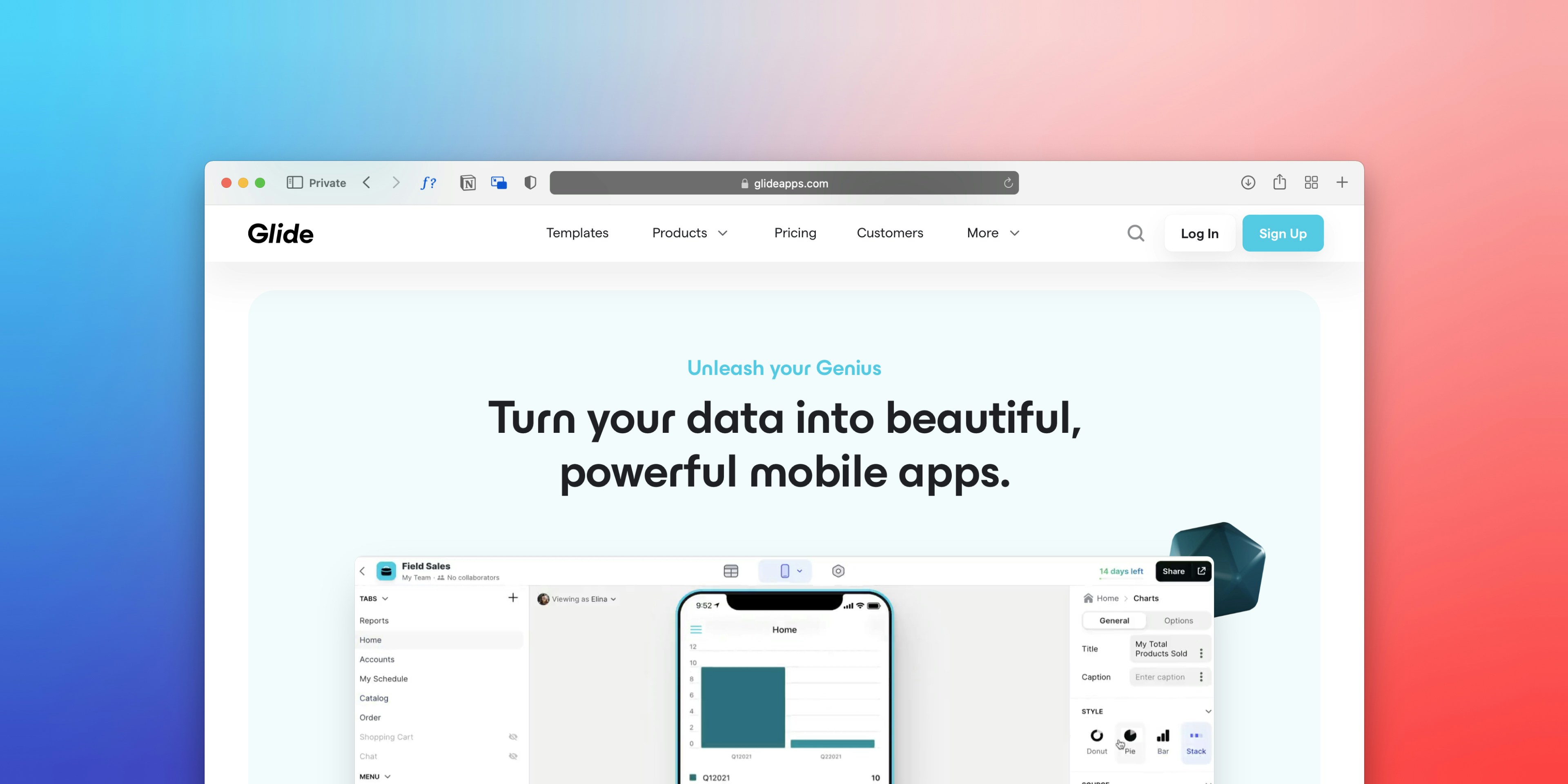
On the other hand, AppSheet is a no-code application development platform that enables users to create and deploy applications without the need for extensive programming knowledge. This platform simplifies app development by offering pre-built templates and integration with various data sources, including Google Sheets and SQL databases. With features such as automated workflows, geolocation capabilities, and real-time updates, AppSheet allows businesses to streamline their operations and enhance productivity through custom applications tailored to specific organizational needs.
The synergy between Looker Studio and AppSheet creates a powerful ecosystem for data-driven decision-making and application functionality. By integrating these two platforms, organizations can effectively visualize data insights using Looker Studio and simultaneously develop tailored applications through AppSheet that operationalize those insights. This integration not only encourages collaboration across different departments but also accelerates the analytics lifecycle, enabling a more agile response to changing business conditions. Through the strategic use of Looker Studio and AppSheet, companies can optimize their performance, adapt to market demands, and ultimately drive growth.
The Power of Data Visualization with Looker Studio
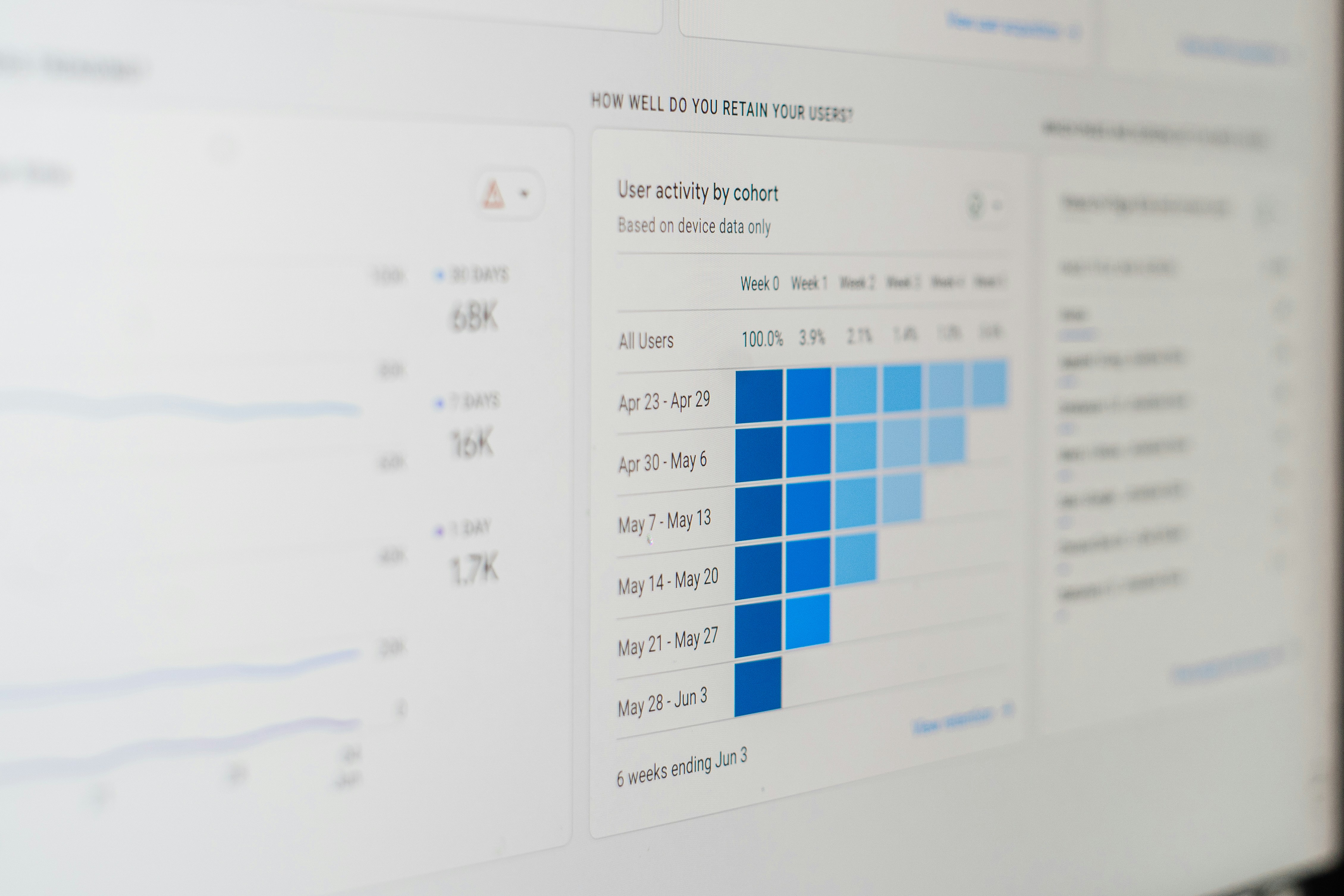
In an era where data informs almost every decision-making process, harnessing the power of effective data visualization is paramount. Looker Studio emerges as a crucial tool in this context, transforming complex data sets into easily digestible visual representations. Users can present their findings through an array of chart types, including bar graphs, line charts, pie charts, and even interactive dashboards that facilitate deeper insights into business performance.
One of the standout features of Looker Studio is its ability to allow users to craft bespoke dashboards tailored to their unique data visualization needs. These customizable dashboards enable stakeholders to monitor key performance indicators (KPIs) in real-time, leading to informed decision-making. Moreover, by deploying these visual tools, users can identify trends, anomalies, and correlations that might otherwise remain obscured in raw data formats. This heightened visibility empowers organizations to react swiftly to market changes, optimize their strategies, and ultimately drive better business outcomes.
Additionally, Looker Studio supports sharing insights across teams and departments, fostering collaboration and a unified approach to data-driven decision-making. In an environment where data is often siloed, the ability to visualize and share information in an accessible manner encourages a culture of transparency and accountability. The synergy between Looker Studio and AppSheet further amplifies this capability, enabling users to automate workflows and streamline processes based on visualized data insights. By integrating these powerful tools, organizations not only enhance their business intelligence strategies but also ensure that every team member has the resources needed to make insightful decisions rooted in data.
Creating Dynamic Applications with AppSheet
AppSheet stands out as a powerful tool that enables businesses to create custom applications without needing extensive coding knowledge. This no-code development platform allows users to build applications tailored specifically to their unique needs. By leveraging AppSheet, organizations can automate processes, streamline workflows, and ultimately enhance productivity across teams.
One significant advantage of using AppSheet is its ability to improve data collection. Businesses can design applications that facilitate data entry, ensuring that information is captured accurately and efficiently. With features such as customizable forms and automated notifications, users can gather critical insights that can drive decision-making. Moreover, the integration of AppSheet with various data sources, including Google Sheets and existing databases, allows organizations to pull real-time data into their applications, enabling informed choices based on the latest information.
Furthermore, AppSheet empowers businesses to enhance team coordination through tailored applications. By creating dynamic applications tailored to specific roles or tasks, organizations can foster better collaboration among team members. For instance, sales teams can utilize customized apps to manage leads and track performance, while project teams can develop applications to monitor project timelines and milestones. This level of customization ensures that all personnel have access to the tools necessary for their success, thereby promoting efficiency within the organization.
Moreover, with the ability to integrate AppSheet with Looker Studio, businesses can extend their data analytics capabilities. By utilizing the insights derived from Looker Studio within their custom applications, users can visualize performance metrics and adjust strategies as needed. The combination of Looker Studio and AppSheet exemplifies how businesses can harness technology to create dynamic applications that not only meet their current needs but also adapt to future challenges.
Integrating Looker Studio with AppSheet
The integration of Looker Studio and AppSheet offers businesses a powerful combination of advanced data visualization and efficient app development. This synergy enables organizations to transform their data into actionable insights while simultaneously facilitating the creation of applications tailored to specific operational needs. By merging data management capabilities with user-friendly interfaces, the integration empowers users to leverage business intelligence like never before.
One significant advantage of integrating Looker Studio with AppSheet is the ability to create custom dashboards that can directly influence app functionality. For example, a retail business could use Looker Studio to analyze sales data and visualize trends, which can then be embedded within an AppSheet application. This integration allows sales representatives to access real-time sales performance metrics directly within the app they use while on the field, enhancing decision-making processes and driving productivity.
Moreover, the combination of Looker Studio’s robust visualization tools and AppSheet’s agile app creation capabilities paves the way for more data-driven app features. For instance, a logistics company might integrate their delivery tracking systems into Looker Studio. They can then build an AppSheet application that not only shows delivery status in real time but also incorporates visual representations of route efficiency and resource allocation, ultimately enhancing operational insights.
Additionally, this integration facilitates the automation of data reporting. Organizations can set up automated reports in Looker Studio, which can be directly linked to their AppSheet applications, allowing stakeholders to receive timely insights without the need for manual intervention. Such efficiency underlines the potential of Looker Studio and AppSheet working in harmony, leading to increased efficiency and smarter business practices.
Use Cases of Looker Studio and AppSheet in Various Industries
Looker Studio and AppSheet have emerged as powerful tools across various industries, allowing organizations to harness data-driven decision-making capabilities. Their versatility is evident in sectors such as retail, healthcare, and manufacturing, where companies have effectively addressed specific challenges with these platforms.
In the retail sector, Looker Studio enables businesses to analyze customer trends and preferences in real-time. For example, a national clothing retailer utilized Looker Studio to consolidate data from various sales channels. This integration provided insights into which products were performing well and which were not, ultimately guiding inventory management and promotional strategies. The ability to visualize key metrics significantly improved operational efficiency, resulting in a notable increase in sales and customer satisfaction.
Similarly, in the healthcare industry, Looker Studio is leveraged to manage patient data and streamline operations. A regional hospital implemented Looker Studio to monitor patient flow and treatment outcomes. By integrating data from electronic health records, they could identify bottlenecks in patient care and optimize scheduling, leading to improved service delivery and shorter waiting times. The insights gained from this data analysis directly contributed to enhanced patient experiences and better health outcomes.
Manufacturing firms also benefit from the integration of Looker Studio and AppSheet. For instance, a company specializing in automotive parts faced challenges in tracking production metrics. By employing AppSheet, they created a mobile application for real-time tracking of production workflows. Integrating this with Looker Studio allowed the management team to visualize production data and identify inefficiencies quickly. This proactive approach to data usage resulted in reduced downtime and improved output quality.
In conclusion, the successful implementations of Looker Studio and AppSheet across different industries exemplify their impact on addressing specific challenges and improving operational efficiencies. As businesses continue to embrace data-driven decision-making, these tools are likely to play an increasingly vital role in enhancing business insights.
Best Practices for Using Looker Studio and AppSheet Together
To optimize the use of Looker Studio and AppSheet as complementary tools in your business, it is essential to adopt certain best practices that focus on data management, app design, and user engagement. The synergy between Looker Studio and AppSheet can significantly enhance your ability to derive insights while simplifying application accessibility.
First and foremost, data management is critical. It involves creating a cohesive data ecosystem where data sources are aligned, and data integrity is maintained. Ensure that the necessary data for your applications is properly structured and stored, using Looker Studio to visualize and organize this data effectively. Make use of Looker Studio’s capabilities to generate meaningful reports and dashboards that inform your app’s functionalities. This ensures that the data presented to users in AppSheet is both relevant and actionable.
Next, it is important to focus on the design of applications created within AppSheet. Prioritize user experience by crafting intuitive UI elements that reflect the insights generated by Looker Studio. Your app should be both aesthetically pleasing and functionally robust. Incorporating features such as charts or graphs from Looker Studio can help present the data in a visual format that is easy for users to grasp. This not only enhances engagement but also leads to more informed decisions made by users on the data displayed.
Finally, fostering user engagement is crucial in maximizing the utility of Looker Studio and AppSheet. Encourage feedback from users to iterate on app functionalities continually. Training and support are pivotal; providing users with the resources to fully understand both tools can significantly improve their experience. By integrating Looker Studio’s insights into daily operations via AppSheet, businesses can empower their workforce to thrive in a data-driven culture.
Challenges and Solutions in Using Looker Studio and AppSheet
While Looker Studio and AppSheet offer robust capabilities for visualizing data and creating applications, users often encounter several challenges that can hinder their experience. One prevalent issue is data integration. Many businesses rely on multiple data sources, and ensuring seamless integration within Looker Studio can be complex. Without proper data harmonization, users may face inconsistencies in reporting, which can lead to poor decision-making. To address this, it’s advisable to devise a comprehensive data strategy that evaluates data sources before they are integrated into Looker Studio. Employing data preparation tools can facilitate this process by cleaning and structuring data effectively.
Another challenge is the steep learning curve associated with mastering Looker Studio and AppSheet. Many users come from a non-technical background, making it difficult for them to fully leverage the advanced features these platforms offer. To mitigate this issue, organizations should invest in training programs tailored to different user skill levels. Online tutorials, webinars, and community forums can also serve as valuable resources, allowing users to ask questions and share insights as they navigate the tools. Furthermore, creating a supportive internal team that encourages knowledge sharing can enhance overall proficiency.
User adoption represents yet another significant challenge. Resistance to new tools can be a barrier to success, particularly if employees perceive Looker Studio and AppSheet as overly complex or unnecessary. Engaging stakeholders early in the implementation process is crucial. This includes demonstrating the tangible benefits of using these tools, conducting pilot projects to showcase their potential, and actively seeking user feedback. By addressing concerns and customizing the experience to meet user needs, organizations can foster a culture of acceptance and innovation, ultimately enhancing analytics-driven decision-making.
Comparative Analysis: Looker Studio vs. Other Data Visualization Tools
In the realm of data visualization, various tools are available to assist businesses with the interpretation of their data. Looker Studio has emerged as a noteworthy contender among these tools, offering distinct features that set it apart from its competitors. A critical analysis of Looker Studio compared to other leading data visualization solutions can provide deeper insights into its unique capabilities and advantages.
One of the key features that distinguishes Looker Studio is its robust integration capabilities. The tool seamlessly connects with various data sources, allowing users to consolidate data from multiple platforms effortlessly. This integration is a quintessential aspect for businesses looking to create comprehensive reports and dashboards, which may not be as straightforward in other tools such as Tableau or Power BI. Furthermore, Looker Studio facilitates real-time data updates, ensuring that visualizations reflect the most current information available.
Ease of use is another significant aspect when comparing Looker Studio to its counterparts. While some visualization tools may require a steep learning curve, Looker Studio is designed with user-friendliness in mind. Its intuitive interface allows users, regardless of technical background, to create impactful visualizations without extensive training. This contrasts with other tools that may necessitate a deeper understanding of coding or complex configurations.
Considering pricing, Looker Studio offers competitive and flexible pricing structures that are appealing to businesses of all sizes. Unlike other platforms that may impose higher costs based on the level of features or user count, Looker Studio’s pricing is straightforward, with a focus on delivering value. This affordability can be particularly advantageous for startups and small to medium enterprises aiming to leverage data visualization without incurring exorbitant costs.
Ultimately, while tools like Tableau and Microsoft Power BI possess their strengths, Looker Studio stands out through its easy integration, user-friendly design, and cost-effective options, making it a superb choice for businesses seeking to enhance their data visualization capabilities.
Getting Started with Looker Studio and AppSheet
To embark on your journey with Looker Studio and AppSheet, the first step involves creating an account with Google, as both tools are integral components of the Google Cloud ecosystem. Begin by navigating to the Google Cloud website, where you will be prompted to sign up for an account if you do not already possess one. Having a Google account not only unlocks access to Looker Studio but also integrates seamlessly with AppSheet, enhancing your data management capabilities.
Once your account is established, accessing Looker Studio is straightforward. You can readily find it through the Google Apps menu or direct your browser to the Looker Studio homepage. This platform allows you to create data visualizations and reports, contributing significantly to your business insights. It is advisable to familiarize yourself with the interface and available features. The dashboard is intuitive, offering various options for data connectors, visualizations, and report customizations that will be crucial as you advance in your data analysis journey.
Following your first login, initial settings configurations are essential. Begin by integrating your data sources; Looker Studio supports a wide range of databases and applications. To connect AppSheet, you will need to ensure that your applications are set up correctly, allowing for smooth data flows between both platforms. Documentation and tutorial videos are valuable resources provided by Google to guide you through these setups. Leveraging these resources can significantly reduce the learning curve associated with both Looker Studio and AppSheet.
With your account created and initial configurations completed, you are now prepared to explore the myriad of features these tools offer. As you gain familiarity, the process of generating actionable insights will become more intuitive. This foundational knowledge will empower you to leverage Looker Studio and AppSheet effectively, ultimately enhancing your ability to make data-driven decisions.
Conclusion and Future of Looker Studio and AppSheet
In conclusion, the integration of Looker Studio and AppSheet has significantly enhanced the capacity for businesses to derive actionable insights from their data. Looker Studio provides a robust platform for data visualization and analytics, allowing users to transform complex datasets into intuitive and informative visualizations. On the other hand, AppSheet empowers users to create custom applications without the need for coding, enabling seamless data interaction across various platforms. Together, these tools present a comprehensive solution for organizations seeking to optimize their data-driven decision-making processes.
As we look ahead, the future of Looker Studio and AppSheet seems promising. Both platforms are likely to undergo continuous improvements aimed at enhancing user experience and expanding functionality. Emerging trends, such as the integration of artificial intelligence and machine learning capabilities, are expected to play a crucial role. Such advancements could enable predictive analytics within Looker Studio, allowing businesses to anticipate trends and respond more dynamically to market changes.
Furthermore, as data privacy regulations become increasingly stringent, future iterations of Looker Studio and AppSheet will need to place a greater emphasis on security features. This is important as organizations must ensure compliance while managing sensitive data. Additionally, the user-friendly nature of AppSheet may see further enhancements, allowing even those with limited technical expertise to create highly effective applications tailored to their specific needs.
Ultimately, the synergy between Looker Studio and AppSheet represents a forward-thinking approach to business analytics and application development. Organizations that embrace these platforms are well-positioned to thrive in an ever-evolving landscape. As technological innovations continue to unfold, Looker Studio and AppSheet will undoubtedly adapt and expand to better meet the needs of businesses and drive industry standards forward.