Introduction to Looker Studio
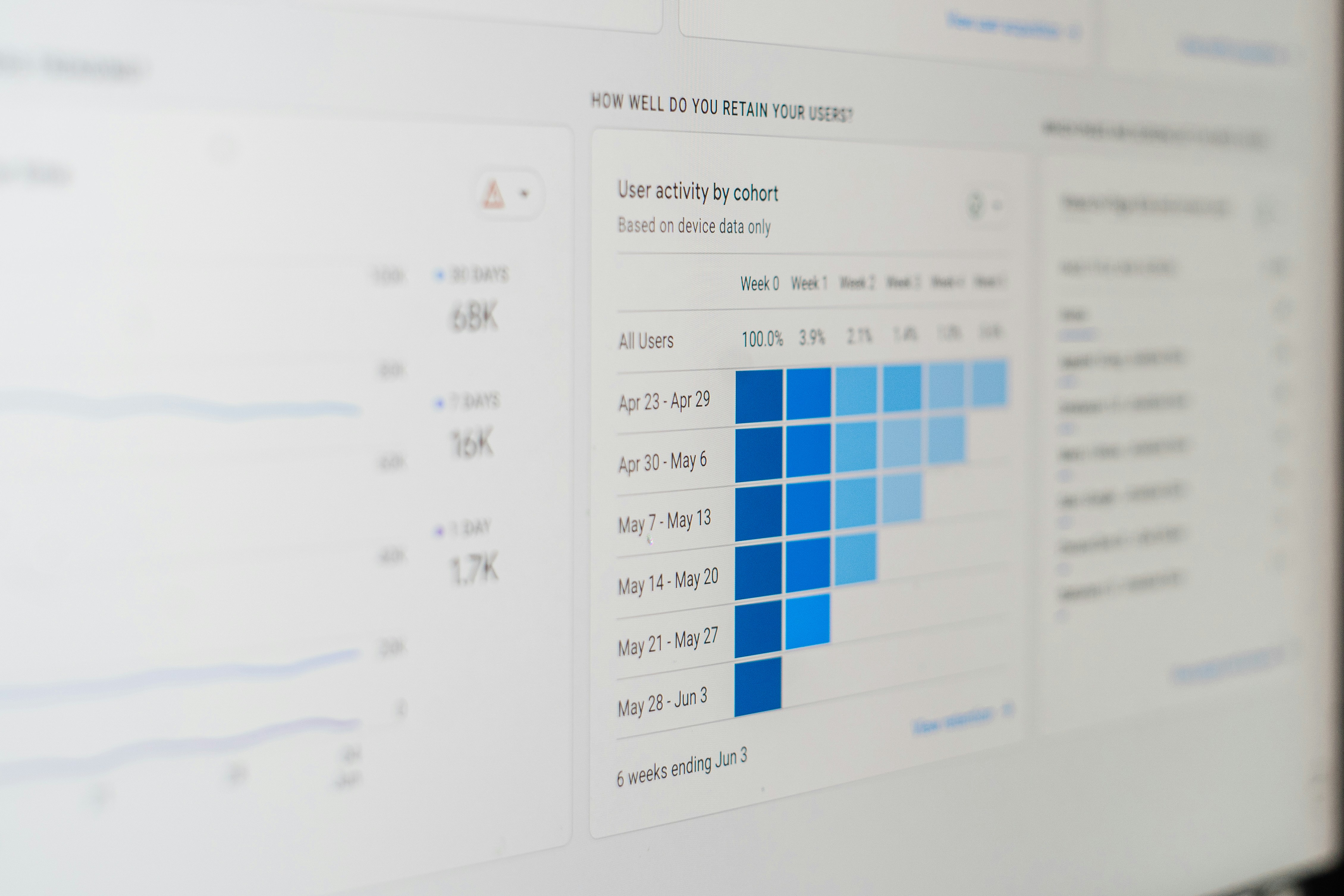
Looker Studio is a robust business intelligence platform designed to help organizations harness the power of their data. By providing advanced tools for data visualization and analysis, Looker Studio enables businesses to transform raw data into meaningful insights. This capability is essential for informed decision-making and strategic planning in today’s data-driven environment.
At its core, Looker Studio allows users to create interactive dashboards and reports, facilitating the exploration of data from multiple angles. It supports a wide range of data sources and integrates seamlessly with various applications, allowing companies to unify their data landscape. Within Looker Studio, users can connect to databases, spreadsheet files, and other data repositories, ensuring that their analytics reflect a comprehensive view of overall performance.
One of the key features of Looker Studio is its user-friendly interface, which simplifies the process of creating visualizations. Users benefit from drag-and-drop functionality, making it accessible for those who may not have extensive technical expertise. Additionally, Looker Studio offers customizable templates and visualization options, empowering businesses to present their data in a way that resonates with their stakeholders.
Another significant aspect of Looker Studio is its emphasis on collaboration. The platform supports real-time sharing of insights and reports, enabling teams to work together regardless of their geographical locations. This collaborative feature enhances communication within organizations, ensuring that everyone remains aligned with data-driven objectives.
In essence, Looker Studio serves as a powerful tool for businesses aiming to optimize their data utilization. By offering advanced functionalities and a focus on collaboration, Looker Studio not only enhances data visualization but also positions organizations to derive actionable insights that can drive growth and improve overall efficiency.
Understanding Qooqie Call Tracking
Qooqie Call Tracking is an innovative tool designed to provide businesses with the ability to monitor and analyze their inbound phone calls effectively. By implementing call tracking, organizations can gain valuable insights into customer interactions, allowing them to understand how clients engage with their services and products. This technology is particularly relevant in today’s digital marketing landscape, where tracking lead sources through phone calls is essential for measuring the effectiveness of marketing campaigns.
At its core, Qooqie Call Tracking offers functionalities that enable businesses to assign unique phone numbers to specific campaigns or sources. This allows companies to identify which advertising channels are generating phone calls. When a customer calls, Qooqie captures detailed information, including the caller’s phone number, the time of the call, and the duration. Such analytics empower businesses to evaluate their marketing strategies and make data-driven decisions aimed at increasing their return on investment (ROI).
Moreover, Qooqie enhances customer interaction by enabling organizations to analyze call recordings. This feature allows companies to listen to conversations with customers to assess caller experiences, pinpoint areas for improvement, and train staff more effectively. By bridging the gap between customer service and marketing, businesses can enrich the overall customer journey.
In an era where digital marketing continues to dominate, Qooqie Call Tracking provides crucial insights that traditional analytics cannot capture. By understanding how customers arrive at their business via phone calls, organizations can refine their messaging, target audiences more effectively, and ultimately enhance their offer to meet client needs. In this competitive landscape, leveraging call tracking solutions like Qooqie is not just advantageous but vital for sustaining growth.
Integrating Qooqie with Looker Studio
Integrating the Qooqie Call Tracking API with Looker Studio is a strategic approach that allows businesses to enhance their data analytics capabilities, thereby optimizing decision-making processes. The integration requires several technical steps and adherence to specific API requirements. First, it is essential to ensure that you have valid API credentials from Qooqie, which are necessary for authentication and data retrieval.
Begin the integration process by accessing the Looker Studio environment. Once logged in, navigate to the data connection settings where new data sources can be added. Select the option for connecting to an API and input the Qooqie API endpoint along with the necessary query parameters. This establishes a connection that allows Looker Studio to pull in call tracking data, such as call volume, duration, and caller demographics from Qooqie.
Next, you need to configure the data import settings. This may involve setting up specific filters and data transformations that align with your reporting objectives. The use of Looker Studio’s data manipulation tools can help streamline this process. For instance, you may want to visualize trends over time; thus, using data types like timestamps will facilitate this analysis effectively.
The benefits of integrating Qooqie with Looker Studio are manifold. This synergy enables users to combine the rich call analytics offered by Qooqie with the powerful visualization and reporting capabilities of Looker Studio. For example, businesses can create comprehensive dashboards that showcase real-time call metrics alongside other performance indicators, thus providing a holistic view of customer engagement and campaign effectiveness.
Moreover, this integration enhances the ability to conduct detailed data analysis. Users can leverage Looker Studio to segment call data and draw insights on customer behavior, facilitating more informed strategic decisions. The integration of Qooqie with Looker Studio not only promotes operational efficiency but also empowers businesses to utilize data analytics as a core component of their growth strategy.
Benefits of Using Looker Studio for Call Tracking Analytics
Looker Studio revolutionizes the approach to analyzing call tracking data, particularly when leveraged in conjunction with APIs like Qooqie. One of the primary benefits of utilizing Looker Studio is its ability to transform complex datasets into easily interpretable visuals. This streamlining of data interpretation allows businesses to make informed decisions swiftly, enhancing their overall agility in responding to market dynamics.
Moreover, Looker Studio provides a diverse array of visualization tools, which enable users to create bespoke reports that cater to specific business needs. By utilizing these tools, organizations can visually track key performance indicators related to their telephony system. For instance, companies can identify call duration trends, peak calling times, and customer engagement levels through intuitive dashboards. Such insights are invaluable for optimizing marketing strategies and enhancing customer service approaches.
Another significant advantage is the collaborative capabilities of Looker Studio. Multiple stakeholders can access the same reports in real-time, fostering transparent communication and decision-making across departments. This is particularly important in multi-disciplinary teams where alignment on strategy and performance metrics is crucial. Furthermore, the built-in sharing functionalities allow teams to disseminate insights quickly, ensuring that timely data drives operational effectiveness.
To illustrate these benefits, consider a hypothetical scenario where a retail chain utilizes Looker Studio alongside Qooqie for call tracking. By analyzing customer calls, the business identifies specific product inquiries that peak during promotional events. By visualizing this data, the retail chain can adjust its marketing strategies and customer service training to better address high-demand products, ultimately leading to increased sales and improved customer satisfaction.
In conclusion, the integration of Looker Studio with call tracking analytics provides organizations with dynamic tools for visualizing trends, collaborating on data-driven strategies, and enhancing overall decision-making processes.
Creating Dynamic Reports with Looker Studio
Leveraging Looker Studio in combination with the Qooqie Call Tracking API opens the door to creating dynamic and real-time reports. This powerful synergy allows users to visualize and analyze their call data effectively, leading to enhanced decision-making capabilities. To get started, it is essential first to connect the Qooqie Call Tracking API with Looker Studio. Begin by ensuring that your API access credentials are at hand. This setup will facilitate the seamless integration of your call data into Looker Studio.
Once the connection is established, navigate to the Looker Studio interface and select the option to create a new report. In the data source settings, opt for adding a new data source and select the Qooqie Call Tracking API. As you integrate the API, you will be prompted to specify the data fields you wish to import, such as call duration, call source, and metrics indicating conversion rates. Selecting the most pertinent data points will ensure a comprehensive report that reflects your business’s call performance.
After the data has been imported, focus on designing your dashboard. Looker Studio offers various visualization options, including scorecards, tables, and charts. Each visualization type is vital in presenting the call metrics and KPIs clearly and efficiently. For instance, using time series charts can illustrate trends in call volumes over periods, while scorecards can succinctly display key performance indicators. Be sure to customize your dashboard by incorporating filters, allowing for drill-down analysis by region, time frame, or call outcome.
Finally, don’t forget to save and share your report with stakeholders. This will empower team members to stay informed about call performance, enabling them to make data-driven decisions swiftly. Regularly updating your dashboard will ensure that it reflects the most current data, maximizing its effectiveness. By following these steps, you can maximize the potential of Looker Studio and the Qooqie Call Tracking API to create dynamic reports that foster insightful business strategies.
Best Practices for Call Tracking and Reporting
Utilizing Qooqie Call Tracking in tandem with Looker Studio can significantly enhance an organization’s analytics capabilities. To maximize the effectiveness of these tools, it is crucial to implement best practices that ensure seamless data management, accuracy, and relevance of reports. One of the first steps organizations should take is to establish clear objectives for call tracking. This includes determining the key metrics to track, such as call volume, conversion rate, and customer engagement levels.
Data accuracy is paramount in call tracking. Organizations must ensure that the tracking systems are properly configured to capture relevant data points consistently. Regular audits of the call tracking data can help identify discrepancies or inaccuracies. Implementing quality control measures, such as recording and reviewing calls, provides an additional layer of assurance that the information being reported is valid. Accurate data is essential for making informed decisions based on the results generated by Looker Studio.
Furthermore, organizations should focus on keeping reports both relevant and actionable. This can be achieved through the use of dynamic dashboards within Looker Studio that showcase real-time data derived from Qooqie Call Tracking. Tailoring these dashboards to the specific needs of different stakeholders within the organization ensures that the reports generated are meaningful and directly linked to strategic goals. Regularly combining insights from call analytics with other marketing and sales data will also provide a holistic view of performance, helping in the identification of trends and areas for improvement.
In summary, best practices for call tracking and reporting involve clear objectives, ensuring data accuracy, and creating tailored, actionable reports. By following these guidelines, organizations can harness the full potential of Qooqie Call Tracking and Looker Studio, thereby enriching their business insights and enhancing overall decision-making processes.
Common Challenges and Solutions in Integration
Integrating Qooqie Call Tracking API with Looker Studio presents several challenges that businesses may encounter. Understanding these potential pitfalls is crucial to ensuring a smooth integration process. One of the primary challenges is the inconsistency in data formats between the API and Looker Studio. This often leads to difficulties in data mapping, resulting in incorrect visualizations. To circumvent this issue, it is advisable to conduct a thorough analysis of data structures before integration. Maintaining a consistent schema will minimize discrepancies and facilitate a seamless data flow between the two platforms.
Another common challenge is authentication and authorization hurdles when connecting Qooqie Call Tracking API with Looker Studio. Users may face issues in accessing their data due to improper API key usage or insufficient permissions. It is essential to carefully review the documentation provided by Qooqie for generating and managing API keys. Additionally, ensuring that the appropriate scopes and permissions are granted will prevent potential access issues.
Furthermore, performance can be negatively impacted by querying large volumes of call data through the Qooqie API. Slower responses and timeouts can hinder user experience and productivity. To address this, optimizing API requests by utilizing efficient query parameters and filtering options is recommended. This approach will limit the amount of data retrieved and enhance the responsiveness of the integration.
Finally, users may encounter difficulties troubleshooting during integration. The lack of comprehensive logging and error reporting can make diagnosing issues challenging. Employing robust monitoring tools and regularly reviewing integration logs can provide insights into any abnormalities. In addition, leveraging community forums and support resources tailored to Looker and Qooqie can lead to effective solutions for common problems encountered during integration.
Future Trends in Call Tracking and Data Analytics
As businesses increasingly rely on data-driven decision-making, the landscape of call tracking and data analytics is poised for significant evolution. Emerging technologies such as artificial intelligence (AI), machine learning (ML), and advanced predictive analytics are set to transform how organizations understand customer interactions and optimize marketing strategies. These innovations promise enhanced data collection capabilities, allowing for deeper insights into call behavior and customer preferences.
One of the most promising trends is the integration of AI with call tracking systems. With AI-powered tools, businesses can analyze large datasets more efficiently and identify patterns that may not be apparent through traditional analysis methods. For example, natural language processing (NLP) can be employed to assess the sentiment of customer interactions, helping companies gauge customer satisfaction and improve service delivery. This increased granularity in data analytics will lead to more informed decision-making processes and ultimately enhance customer experience.
Additionally, as data privacy regulations become more stringent, businesses will need to navigate compliance while still harnessing valuable insights from call tracking. This balance will require sophisticated strategies to ensure data integrity and adhere to legal standards without sacrificing the quality of analytics. Companies will likely invest in secure data environments and transparent practices to retain customer trust while leveraging call tracking insights.
Moreover, the fusion of call tracking analytics with omnichannel marketing strategies will become more prevalent. As customers engage across multiple platforms, the ability to track calls alongside other digital interactions will provide a holistic view of customer journeys. Businesses that embrace this integrated approach will be well-positioned to tailor their strategies, ultimately maximizing ROI through effective allocation of marketing resources.
To thrive in this evolving landscape, organizations must stay abreast of technological advancements and adapt their call tracking systems accordingly. Continuous learning and flexible integration of new tools will be essential for leveraging call tracking effectively and maintaining a competitive edge.
Conclusion
In the rapidly evolving landscape of business analytics, the significance of integrating advanced tools cannot be overstated. Through the discussions presented, it has become evident that the combination of Qooqie Call Tracking API with Looker Studio can dramatically enhance business insights. By harnessing the capabilities of both platforms, organizations can gain a more comprehensive view of their operations, leading to improved decision-making and strategic planning.
Qooqie Call Tracking API serves as a pivotal resource, providing actionable data on customer interactions, which, when analyzed in tandem with Looker Studio’s robust visualization and reporting features, enables companies to transform raw data into meaningful metrics. This synergy empowers businesses to identify trends, monitor performance, and understand customer behaviors more effectively. By integrating these tools, organizations stand to benefit from a unified approach to data that maximizes the utility of their information assets.
Moreover, the enhanced capability to visualize and interpret call data means that businesses can act on insights that directly impact customer engagement and operational efficiency. As competition intensifies, the ability to leverage data effectively is crucial. Embracing Qooqie and Looker Studio integration thus not only aids in unlocking the potential of existing data but also lays the groundwork for sustained growth and innovation.
Ultimately, adapting these advanced analytical tools is not merely a tactical move, but a strategic imperative for organizations aspiring to lead in their respective markets. By fully embracing this integration, businesses can position themselves to drive improved performance and foster deeper connections with their customers, ensuring that they are equipped to navigate the challenges of today’s business environment.