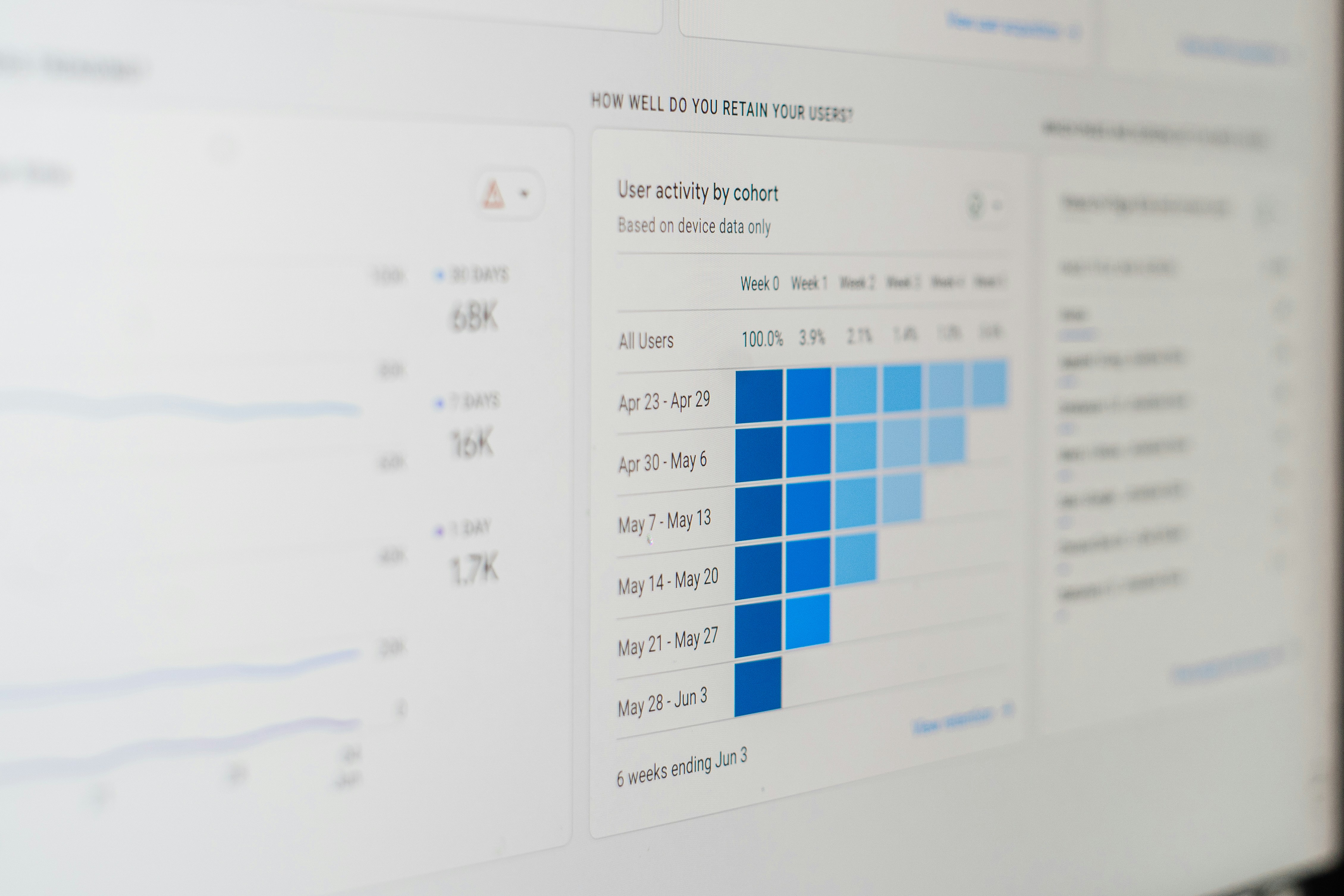
Introduction to Looker Studio and Capsule Reporting
Looker Studio is a prominent business intelligence platform designed to enable organizations to harness their data effectively. It is recognized for its capacity to facilitate data exploration, visualization, and analysis through an intuitive interface, thereby empowering decision-makers to derive meaningful insights. One of the primary functions of Looker Studio is to allow users to create comprehensive reports and dashboards that can illustrate complex data sets in a visually appealing manner. This functionality extends beyond basic reporting; it supports users in identifying trends, making predictions, and ultimately driving strategic business decisions based on data-driven narratives.
A key feature within Looker Studio is Capsule Reporting, which enhances the platform’s ability to organize and visualize data. Capsule Reporting focuses on the aggregation and presentation of data in a structured format, making it easier for users to comprehend and utilize the information at hand. With Capsule Reporting, users can create a variety of reports that cater to different organizational needs, thus ensuring that the right insights reach the appropriate stakeholders. This feature is particularly significant for businesses that operate in environments where timely and informed decision-making is crucial for success.
The significance of Looker Studio and Capsule Reporting transcends mere data analysis; it fosters a culture of collaboration and transparency across teams. By utilizing these tools, businesses can ensure that their teams have access to relevant data, facilitating informed discussions and collaborative efforts in strategy and execution. Furthermore, as data becomes an increasingly integral aspect of business operations, the capabilities provided by Looker Studio and Capsule Reporting will undoubtedly remain vital for organizations striving to maintain a competitive edge in the marketplace.
Key Features of Looker Studio
Looker Studio is a powerful platform that thrives on its ability to enhance data analysis and reporting through a multitude of features. One of its key functionalities is data integration, which allows users to connect seamlessly to various data sources. This capability enables businesses to gather data from diverse platforms—be it databases, cloud services, or flat files—providing a holistic view of their data landscape. The result is improved decision-making, as stakeholders gain insights from a single source of truth.
Another standout feature is the real-time dashboard capabilities. Users can monitor their metrics as they change, providing instant access to live data. This feature is tremendously beneficial for organizations that require data-driven decisions on the fly. It allows for immediate adjustments based on newly available information, enhancing operational efficiency and responsiveness in dynamic environments.
Customizable report generation also sets Looker Studio apart from other analytics tools. Users can create tailored reports that meet specific business needs, complete with an extensive range of visualization options. This not only caters to the unique preferences of different stakeholders but also aids in telling a compelling story through data. The flexibility to adjust layouts, incorporate various graphic elements, and highlight key metrics ensures that reports are clear, concise, and easily digestible.
Lastly, the user-friendly interface of Looker Studio enhances the overall user experience, making it accessible to individuals with varying levels of technical expertise. The intuitive design allows even novice users to navigate the tool efficiently, reducing the learning curve and promoting wider adoption within organizations. By combining these features, Looker Studio equips businesses with the tools necessary for enhanced data analysis and visualization, ultimately paving the way for informed decision-making.
Understanding Capsule Reporting
Capsule Reporting is a distinctive feature within Looker Studio that allows users to seamlessly consolidate and analyze data from various sources. This capability is essential for organizations that seek to streamline their reporting processes and ensure that all relevant information is available within a singular, cohesive framework. By aggregating disparate data sources, Capsule Reporting enables users to create comprehensive reports that provide valuable insights into key business metrics.
The operational mechanism of Capsule Reporting revolves around its ability to link multiple data sources, such as databases, spreadsheets, and cloud services. This linkage not only simplifies the data management process but also enhances the accuracy and relevance of the reports generated. Users can select specific data dimensions and metrics, and the Capsule Reporting function will automatically update them as the underlying data evolves. This dynamic feature ensures that businesses are always working with the most current information available, which is crucial for timely decision-making.
One of the unique advantages of Capsule Reporting is its capacity to present complex data in a user-friendly manner. This functionality allows users to design visualizations and dashboards that can be easily interpreted, allowing stakeholders at all levels to gain insights without needing extensive data analysis training. Furthermore, Capsule Reporting supports collaboration among team members by enabling sharing and commenting on reports, which facilitates a more interactive analytical process.
Overall, Capsule Reporting significantly enhances the reporting capabilities within Looker Studio, offering users an effective tool to combine data, generate insightful reports, and drive business growth. With its emphasis on integration and usability, Capsule Reporting stands out as a vital component for organizations aiming to leverage their data for strategic decision-making.
Common Challenges Users Face with Looker Studio
Users of Looker Studio often encounter a variety of challenges when trying to leverage its capabilities for Capsule Reporting. One major issue is data integration. Many organizations utilize multiple data sources, and aggregating this information into Looker can be cumbersome. Users frequently report difficulties in connecting disparate systems smoothly, which can lead to delays in reporting and data accuracy issues. Ensuring that all data flows seamlessly into Looker Studio requires meticulous planning and sometimes a complex understanding of data connectors.
Another significant hurdle is the necessity for comprehensive user training. While Looker Studio offers a rich feature set, its complexity can be overwhelming for newcomers. Users often find that they need extensive training to fully utilize the platform’s functionalities. This often results in a steep learning curve, which can be a barrier to quick adoption. Organizations may need to invest in training programs or resources to equip their teams with the necessary skills to navigate Looker efficiently, emphasizing the importance of a well-structured onboarding process.
Performance constraints also present challenges for users. As with any data visualization tool, the performance of Looker Studio can be affected by the volume of data being processed. Users have noted slow load times and latency, particularly when dealing with large datasets or complex queries. This can hinder the ability to generate timely insights, which is critical in data-driven decision-making processes. Consequently, optimizing queries and understanding data modeling within Looker Studio is essential for enhancing performance.
Through addressing these challenges, users can cultivate a more effective experience with Looker Studio and Capsule Reporting, enabling them to harness the full potential of the tool in their data-driven initiatives.
Strategies to Overcome Capsule Reporting Challenges
Capsule reporting in Looker Studio can present challenges such as inefficient data management, user adoption hurdles, and slow report generation. However, implementing specific strategies can significantly enhance the user experience and optimize reporting capabilities. The following solutions are designed to address these common issues effectively.
First and foremost, optimizing data sources is crucial. One approach is to streamline the data integration process by utilizing pre-built connectors that integrate seamlessly with various data platforms. This enables users to access data more efficiently, reducing the time it takes to prepare reports. Additionally, regularly reviewing and cleaning data sources can help eliminate redundancy and ensure that only relevant, high-quality data is used in reporting. Utilizing caching techniques can also enhance the speed of data retrieval, thereby improving overall report performance.
Enhancing user adoption is another critical aspect of overcoming capsule reporting challenges. One effective method is to provide comprehensive training sessions tailored to the specific needs of users. By offering hands-on workshops and creating user-friendly documentation, organizations can empower individuals to confidently navigate Looker Studio and make the most of its features. Creating a community of practice can further support users in sharing tips and best practices, fostering a culture of collaboration.
Lastly, improving report generation efficiency is essential for maximizing the utility of capsule reporting. Automating report scheduling can help by ensuring that stakeholders receive timely updates without manual intervention. Additionally, utilizing templates for common reporting scenarios can save time, enabling users to focus on analysis rather than formatting. By putting these strategies into practice, organizations can effectively address the challenges of capsule reporting, thereby enhancing the overall efficacy of reporting within Looker Studio.
Best Practices for Utilizing Looker Studio
Utilizing Looker Studio efficiently requires adherence to a set of best practices that enhances the overall experience and the effectiveness of Capsule Reporting. Firstly, effective report design is paramount. The layout should prioritize clarity and facilitate ease of understanding. Utilizing consistent color schemes, fonts, and visualizations can help users quickly interpret data insights. Employing dashboards that cater to various user proficiency levels—ranging from beginners to advanced users—will improve accessibility and engagement with the reports created.
Another critical aspect to consider is maintaining data accuracy. Organizations must establish data governance policies that outline data quality standards, along with a regular monitoring system to audit the data inputs. Data integrity should be a central focus, as any discrepancies can lead to misleading insights, adversely affecting decision-making. Tools provided within Looker Studio, such as automated validation processes and alerts for data anomalies, can significantly enhance the accuracy of the reports.
Furthermore, cultivating a data-driven culture within organizations is essential for maximizing the benefits of Looker Studio. This involves providing team members with training and resources to leverage the platform fully. Encourage stakeholders to engage with data directly and integrate insights gained from Capsule Reporting into their daily operations. For example, a retail chain could utilize Looker Studio to analyze customer purchasing trends, allowing them to tailor marketing strategies and enhance inventory management based on real-time data. In turn, these practices not only empower employees but also foster a proactive approach towards data utilization at all organizational levels.
Ultimately, successful implementation of these best practices will enable organizations to harness the full potential of Looker Studio and Capsule Reporting, leading to more informed decision-making and strategic planning.
Comparing Looker Studio with Other BI Tools
Business intelligence (BI) tools have gained traction in recent years, providing organizations with the ability to analyze data and derive actionable insights. In this context, Looker Studio stands out for its unique capabilities, but it is essential to compare it with other BI tools available on the market to evaluate its effectiveness comprehensively.
When assessing ease of use, Looker Studio offers a user-friendly interface that allows users to create reports and dashboards with minimal technical expertise. This contrasts with some competitors, like Tableau, which, while powerful, may present a steeper learning curve for new users. The intuitive design of Looker Studio enables quick onboarding, making it accessible to a broader audience. Additionally, other platforms such as Power BI provide simple drag-and-drop features, enhancing usability; however, Looker Studio maintains a clarity of structure that many find beneficial.
In terms of feature set, Looker Studio excels with its emphasis on data modeling and exploration capabilities. Its built-in analytics allow users to delve deeper into their data, unlike some tools such as Google Data Studio, which emphasize visualization but may lack advanced analytical functions. Moreover, the capacity to integrate seamlessly with various data sources, including cloud-based platforms, gives Looker Studio an edge over competitors. Looker, now a part of Google Cloud, enhances its integration capabilities even further, creating a cohesive ecosystem for businesses keen on managing their data effectively.
Ultimately, the overall effectiveness of any BI tool hinges on how well it meets the users’ specific needs. While Looker Studio holds its own against competitors in functionality and ease of use, organizations must weigh these factors against their unique requirements. Gaining insights from industry experts can provide more clarity and direct comparison, leading to informed decisions regarding the best BI platform for their data analytics endeavors.
Future Trends in Data Reporting and BI Tools
The landscape of data reporting and business intelligence (BI) tools is continuously evolving, with emerging trends forecasting significant developments in the near future. One of the most prominent trends is the integration of artificial intelligence (AI) and machine learning (ML) within reporting frameworks like Looker Studio. These technologies enhance data analysis by automating complex processes, thus enabling organizations to derive actionable insights from vast datasets more efficiently.
A key advantage of incorporating AI and ML into data reporting is the ability to facilitate predictive analytics. By employing algorithms that can analyze historical data patterns, businesses can forecast future trends and behaviors, enhancing decision-making capabilities. This shift towards predictive insights allows teams to be proactive, leading to increased operational efficiency and improved strategic planning. Hence, the future of BI tools will likely center on maximizing the use of data through intelligent technologies.
Another critical component shaping the future of data reporting is automation. Automation of reporting processes reduces manual intervention, minimizes the likelihood of errors, and accelerates the delivery of insights. As firms increasingly prioritize speed and accuracy, automated reporting tools will become indispensable. Looker Studio and similar platforms are likely to integrate sophisticated automation features, allowing users to generate comprehensive reports with minimal effort.
Moreover, the growing emphasis on real-time data processing cannot be overlooked. The demand for timely insights means that businesses require systems that can deliver up-to-the-minute information. As such, future BI tools will likely prioritize connectivity and integration, allowing seamless access to real-time data from various sources, ensuring that stakeholders have the most current information at their fingertips.
Overall, the marriage between AI, automation, and real-time analytics will undoubtedly redefine how organizations approach data reporting, enabling a more nuanced understanding of their operational landscapes.
Conclusion: The Value of Looker Studio and Capsule Reporting
In the ever-evolving landscape of data analysis, Looker Studio stands out as a powerful tool that enhances the way organizations visualize and interpret their data. By leveraging capsule reporting, businesses can gain clearer insights and drive informed decisions. This dynamic feature not only simplifies data presentation but also allows for deeper analysis and exploration of key metrics. Through its user-friendly interface, Looker Studio enables teams to access relevant data quickly, thereby promoting agility in decision-making processes.
The integration of capsule reporting aligns well with the overall objectives of data-driven strategies. It enhances the ability to tell compelling data stories, which is crucial for stakeholders who rely on accurate and actionable insights. Furthermore, the versatility of Looker Studio allows users to customize reports according to their unique needs, making it a valuable asset for a variety of business contexts. With its robust analytics capabilities, organizations can identify trends, monitor performance, and make predictions that foster growth.
In addition to improving data analysis, the use of Looker Studio and capsule reporting cultivates a culture of data literacy within teams. This is essential in a time where data plays a pivotal role in shaping business strategies. By investing time to understand these tools, organizations not only refine their current reporting methods but also empower employees to engage effectively with data. Thus, the value of investing in Looker Studio and capsule reporting cannot be overstated.
Ultimately, for businesses aiming to elevate their data capabilities, exploring these tools deeper is a necessary step. Through comprehensive understanding and strategic application, organizations can fully maximize their potential, leading to enhanced decision-making and improved overall performance.