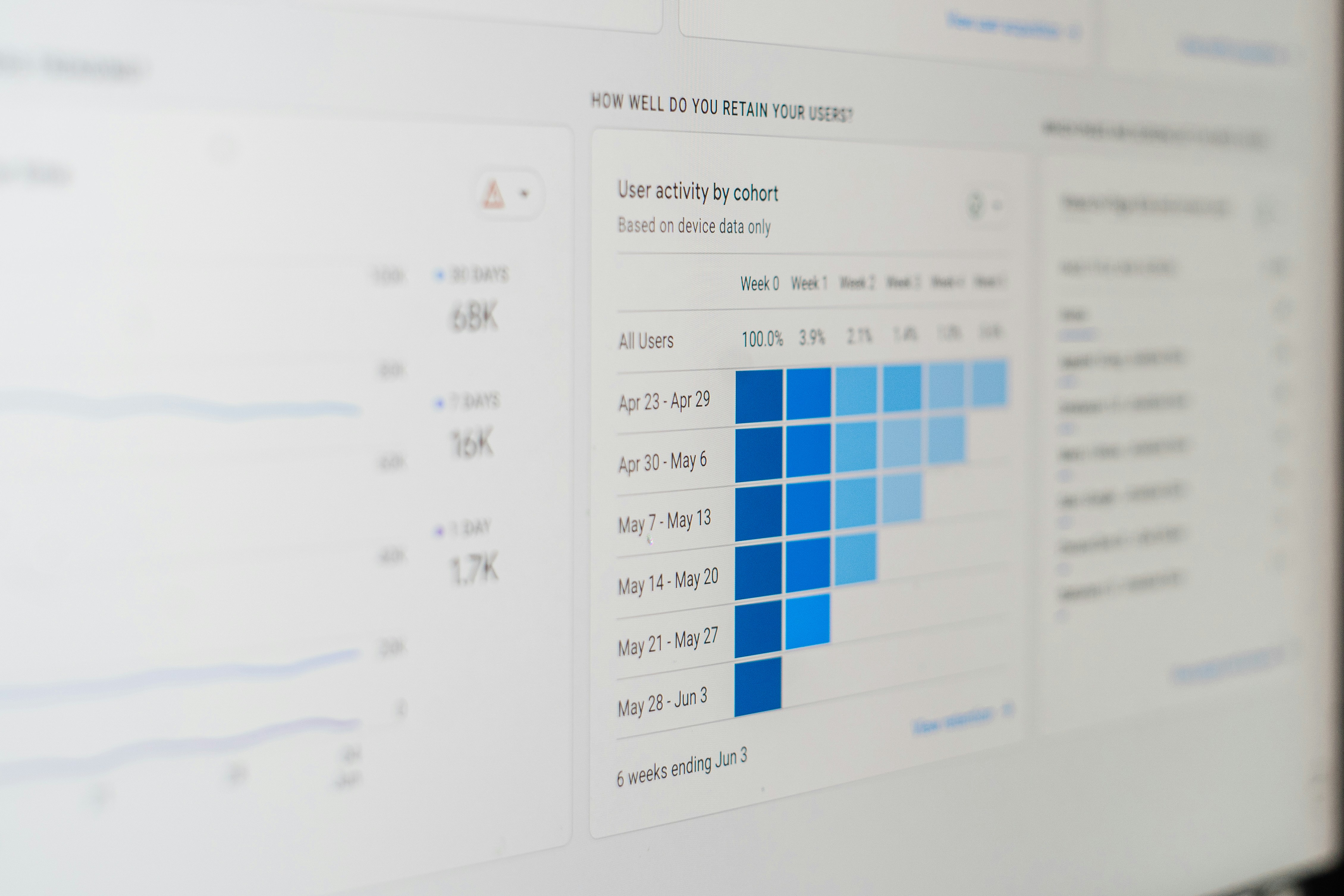
Introduction to Looker Studio
Looker Studio, a product from Google Cloud, is a robust data visualization and business intelligence platform designed to enhance the way organizations analyze their information. Its primary purpose lies in allowing users to connect, process, and visualize data from various sources, thereby simplifying the decision-making process across multiple levels of an organization. Businesses often face the challenge of transforming large volumes of raw data into actionable insights. Looker Studio addresses this need by providing tools that enable seamless data connections, comprehensive analysis, and effective reporting.
The significance of Looker Studio in the realm of data visualization cannot be understated. It empowers users, including analysts and non-technical stakeholders, to explore and understand their data intuitively. The platform’s interface is designed to facilitate a user-friendly experience, where complex data sets can be transformed into clear, interactive dashboards. Features within Looker Studio, such as customized reports and shared visualizations, ensure that teams can collaborate efficiently, promoting data-driven decision-making.
One of the standout features of Looker Studio is its connection maps. These visual representations illustrate how different data sources relate to one another, making it easier for users to comprehend the intricate web of information that drives their business strategies. By utilizing connection maps, analysts can gain a holistic view of their data landscape, enabling them to identify patterns, trends, and potential areas for improvement. Ultimately, Looker Studio serves as a critical asset in the toolkit of modern businesses, enhancing not only efficiency but also the quality of insights derived from data. This foundational understanding of Looker Studio underscores why mastering its connection maps is invaluable for anyone looking to leverage the power of their data effectively.
Understanding Connection Maps
Connection maps in Looker Studio serve as a crucial tool for visualizing and comprehending the intricate relationships within data sets. These maps visually represent how different data sources interact, providing an overview that facilitates better understanding and navigation for users aiming to leverage data effectively. By showcasing the relationships between tables and the flow of data, connection maps help users identify dependencies and connections that may not be immediately apparent through traditional data representations.
The primary function of a connection map is to illustrate the pathways through which data flows, thereby assisting in the identification of potential insights. Each node on the map signifies a data source or table, while the connecting lines represent the relationships or queries tying them together. This visualization allows users to quickly ascertain how data points are interconnected, making it easier to navigate complex data landscapes. Understanding these connections is essential for effective analysis and decision-making, as it enables users to grasp how different elements influence one another.
Moreover, connection maps play an integral role in improving data connectivity. They not only help users visualize the links between different data sources but also streamline the process of querying data. By understanding the connections illustrated in the map, users can craft more efficient queries that pull data seamlessly across different tables. Ultimately, connection maps reduce the cognitive load on users, allowing them to understand data relationships without getting lost in complex details. This enhanced comprehension leads to more informed decision-making, fostering a data-driven culture within organizations that rely on Looker Studio for their reporting and analytics needs.
Setting Up Your Looker Studio Connection Map
Establishing a Looker Studio connection map is a pivotal step in visualizing and analyzing data. Before diving into the setup, it is essential to ensure you have the necessary prerequisites. First and foremost, you must have a Looker account with the appropriate permissions to create and modify connection maps. Assessing user roles within Looker will help in executing the setup process seamlessly.
Following this, identifying suitable data sources is crucial. Any data visualization or analytics project thrives on accurate and relevant data. Looker Studio allows you to connect to various data sources, including SQL databases, cloud storage, and even spreadsheets. Gather a list of all necessary data sources, ensuring they are accessible and ready for integration. Familiarize yourself with Looker’s data connection functionalities, as this will simplify the mapping process.
Once your prerequisites are in place, it is time to define the data sources within Looker Studio. Navigate to the “Data” section of your Looker dashboard. Here, you can add new data sources by selecting the appropriate connector. Carefully configure each source by providing connection details like server address and authentication credentials. This is particularly important for establishing a successful Looker Studio connection map that reflects the interrelations pertinent to your reporting needs.
Additionally, customizing your connection map enhances its effectiveness. Utilize Looker’s features to define relationships between the various data sources you’ve integrated. You may want to specify joins, dimensions, and measures that will highlight critical insights across different datasets. Facilitating this level of customization ensures that the connection map functions optimally for your specific analytics objectives, providing clarity and precision for data-driven decision-making.
Features of Looker Studio Connection Maps
The Looker Studio connection map offers various features that significantly enhance the user experience and improve reporting outcomes. One of the primary functionalities is the extensive customization options available to users. This allows businesses and analysts to tailor their connection maps to suit specific presentations and data narratives. By adjusting colors, shapes, and sizes, users can create visual representations that are not only informative but also align with brand identities or project themes.
Another notable feature of Looker Studio connection maps is data filtering. Users can filter datasets to display only the most relevant information, which streamlines analysis and facilitates more focused discussions. By applying filters based on particular metrics or dimensions, users can interactively manipulate the data representation, enabling them to draw insightful conclusions without being overwhelmed by extraneous information.
Interactivity is one of the crucial aspects that set Looker Studio connection maps apart from static reporting tools. This feature allows users to drill down into specific data points or relationships effortlessly. The implementation of hover effects, clickable elements, and zoom functions makes exploring the dataset an engaging experience. As users navigate through the connection map, they can gain greater insights into the data’s underlying structure and patterns, facilitating better decision-making.
Ultimately, the combination of customization, data filtering, and interactivity in Looker Studio connection maps contributes to an enhanced analytical experience. By utilizing these functionalities, organizations can create dynamic visualizations that not only relay complex information but also tell compelling stories, making them a valuable asset in data-driven environments. Such capabilities empower users to leverage the full potential of their data analysis efforts, streamlining communications across teams and stakeholders.
Best Practices for Utilizing Connection Maps
Utilizing connection maps in Looker Studio can significantly enhance data visualization and reporting capabilities. To maximize the effectiveness of these tools, it is essential to follow several best practices that incorporate effective design approaches, optimal data organization, and strategies to ensure clarity and usability for end-users.
One of the first considerations when creating a looker studio connection map is to maintain a clear and concise design. A clean visual layout helps users quickly comprehend the relationships between various data points. Employing a straightforward hierarchy, using color codes, and labeling data connections appropriately will aid in distinguishing different elements within the map. Additionally, avoid clutter by limiting the number of connections displayed at once—this will enhance focus and reduce cognitive overload for users.
Effective data organization is equally crucial for creating an impactful connection map. Categorizing data logically and using well-defined metrics allows users to navigate and interpret the information with ease. Grouping related data points together will enable viewers to see how various elements interact, while a consistent naming convention ensures that the connection map maintains clarity.
Furthermore, ensuring that the connection map is tailored to the end-users’ needs is imperative. Gathering feedback from users can provide insights into the map’s usability and clarity. Incorporating features such as interactivity or the ability to drill down into specific data can enhance the user experience significantly. Moreover, regular updates to the connection map are necessary to ensure that it reflects the current state of the data, promoting ongoing usability.
By adhering to these best practices, users can fully leverage the capabilities of connection maps within Looker Studio, ultimately maximizing the effectiveness of their reports and facilitating better-informed decisions.
Common Challenges and Troubleshooting
When utilizing Looker Studio connection maps, users may encounter a variety of challenges that can impede their data visualization efforts. One prevalent issue is the misalignment of data sources, which can result in inaccurate connections between datasets. To mitigate this challenge, it is crucial to ensure that all data sources are correctly configured and that they share a common key for accurate relationships. Regular audits of your data inputs can help identify any discrepancies before they escalate into larger concerns.
Another common challenge is the performance of the connection map itself. Users may notice a slowdown in responsiveness when attempting to analyze large datasets. To address this, it is advisable to optimize your data queries. Simplifying complex queries or splitting large datasets into smaller, more manageable segments can significantly enhance performance. Employing filters can also streamline the data flow, making the visualization process smoother and more efficient.
Issues pertaining to the visualization rendering can also arise, sometimes resulting in incomplete or misleading displays. If the connection map does not accurately reflect the relationships you wish to portray, ensure that the map settings are adjusted correctly. Double-checking the relationship configurations can often resolve view discrepancies. Furthermore, reviewing the documentation provided by Looker Studio can provide insights into advanced features that may improve your connection map presentation.
Finally, connectivity issues between the Looker Studio and data sources can disrupt workflow significantly. Ensuring that API connections are properly authenticated and that any required permissions are granted is essential for seamless data integration. Regularly testing these connections can help detect potential problems before they impact work consistency. By addressing these common challenges proactively, users can enhance their experience and make full use of the Looker Studio connection map capabilities.
Real-world Applications of Connection Maps
Connection maps in Looker Studio have found their way into diverse industries, proving to be not just yet another tool, but a game-changer in the realm of data visualization and analysis. Organizations across sectors, from finance to healthcare, have harnessed the power of these maps to enhance their decision-making processes and improve operational efficiency.
In the realm of finance, for instance, institutions utilize Looker Studio connection maps to visualize complex relationships among various financial instruments. By showcasing these interconnected data points, analysts can better understand market trends and correlations, leading to more informed investment strategies. The visual representation of data sources enables finance teams to quickly identify areas of risk and opportunity, making it an invaluable asset for portfolio management and financial forecasting.
Healthcare organizations have similarly embraced Looker Studio connection maps to optimize patient care and streamline operations. By mapping out connections between patient outcomes, treatment protocols, and resource allocation, healthcare providers can pinpoint inefficiencies and enhance service delivery. For example, hospitals can track the effectiveness of various treatments by correlating patient demographics with recovery rates, thus improving patient satisfaction and outcomes.
In the retail sector, businesses leverage connection maps to analyze customer behavior patterns and inventory management. By linking sales data with customer interactions across multiple channels, companies can create a holistic view of their target market. This data-informed approach allows retailers to better customize their marketing efforts and stock inventory according to customer preferences and demand fluctuations.
Through these examples, it is evident that the potential applications of Looker Studio connection maps extend beyond visual representation; they provide actionable insights that drive strategic initiatives in real-world scenarios. As organizations continue to prioritize data-driven decision-making, the relevance of connection maps is only expected to grow.
Additional Resources and Support
Utilizing Looker Studio and understanding its connection maps can significantly enhance data analysis and reporting capabilities for users across various industries. However, mastering these tools may require additional support and resources to navigate effectively. To assist users in their journey, several valuable resources can be explored.
For comprehensive guidance on leveraging Looker Studio to its fullest potential, consider visiting the service page. This page offers detailed insights, showcases practical use cases, and outlines various service offerings that can help users optimize their experience with connection maps. The information contained within serves as a solid foundation for developing a proficient understanding of Looker Studio.
Furthermore, if you seek in-depth analysis and diverse perspectives on data visualization and reporting, the blog page is an excellent resource. Regularly updated, this section includes articles that delve into specific features of Looker Studio, practical tips, and emerging trends in data management, allowing users to stay informed and engaged with innovative practices.
Should you encounter challenges or require personalized assistance, do not hesitate to reach out through the contact page. It provides an opportunity to connect with experts who can offer tailored support based on individual needs. Engaging with community forums related to Looker Studio can also prove beneficial, as they are venues for discussing common issues, sharing experiences, and discovering solutions shared by fellow users.
Collectively, these resources empower individuals and organizations to navigate the complexities of Looker Studio connection maps, thereby enhancing their overall data analytics capabilities. As such, users are encouraged to leverage these comprehensive support avenues for a more fruitful experience.
Conclusion
In concluding this exploration of Looker Studio connection maps, it is imperative to emphasize the significance of these tools in the realm of data visualization. Connection maps serve as an essential framework for understanding how various data sources interlink within Looker Studio, enabling users to draw deeper insights and make informed decisions based on comprehensive analyses. By illustrating the relationships and dependencies between datasets, connection maps simplify the complex nature of data, thus fostering a stronger grasp of the information at hand.
Moreover, utilizing connection maps offers users the opportunity to optimize their reporting requirements, ensuring that the right data is in the right place for effective visualization. As we have discussed throughout this guide, having a clear visual representation of connections can streamline workflow processes, enhance collaboration among team members, and ultimately, lead to more strategic data-driven outcomes. Users are encouraged to delve into their Looker Studio capabilities, applying the knowledge gained from this blog post to enhance their data reporting strategies.
Overall, mastering the use of Looker Studio connection maps is pivotal for any data professional seeking to elevate their analytical proficiency. By embracing these mapping techniques, users can unlock a significant potential within their datasets, transforming how insights are derived and decisions are made. Therefore, it is not only worthwhile but essential for individuals and teams to invest time and effort in understanding and applying connection maps to harness the full spectrum of Looker Studio’s powerful functionality.