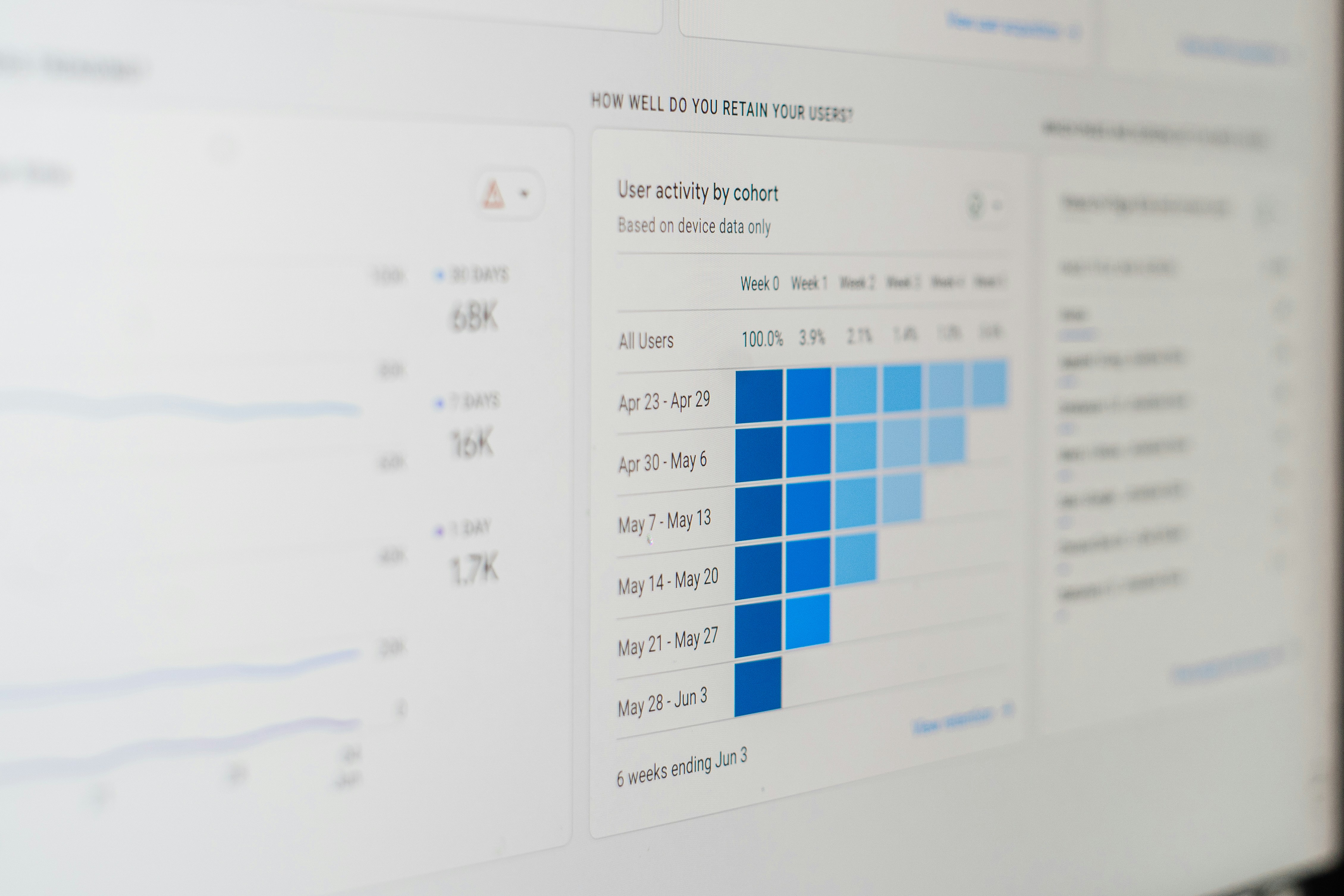
Introduction to Looker Studio
Looker Studio is an innovative data analytics platform designed to empower organizations in their quest to harness and interpret large volumes of data efficiently. Its primary purpose is to facilitate data-driven decision-making by providing users with the tools necessary to visualize, analyze, and share insights derived from their data. This platform serves as a significant asset in the realm of business intelligence, transforming raw data into actionable information.
One of the defining features of Looker Studio is its capability to integrate seamlessly with various data sources, enabling users to create a unified view of their information. By connecting to databases, data warehouses, and even third-party services, Looker Studio allows organizations to pull together disparate datasets which leads to comprehensive analysis. This integration capability enhances the reliability of reports and dashboards generated within the platform, ensuring that decisions made are informed and based on accurate data.
Furthermore, Looker Studio facilitates advanced data visualization, making it easier for stakeholders to comprehend complex datasets. Customizable dashboards and visualizations transform quantitative information into an easily digestible format, allowing users to identify trends, key performance indicators, and outliers effectively. The interactive nature of the platform means that users can drill down into data specifics, providing deeper insights that can improve business outcomes.
Ultimately, Looker Studio signifies a step forward for organizations keen on adopting a data-centric culture. By providing robust tools for data visualization and exploration, it plays a crucial role in enabling businesses to leverage their data for strategic purposes. As organizations increasingly rely on data to drive growth and innovation, Looker Studio offers a pivotal solution that aligns with these evolving needs.
Understanding Datasets in Looker Studio
Datasets in Looker Studio serve as the fundamental building blocks for data analysis, enabling users to transform raw data into meaningful insights. Within Looker Studio, datasets can be sourced from various data models, including databases, spreadsheets, and data lakes. Each dataset contains structured information organized into tables and fields, which facilitate easy querying and visualization, thus making data interpretation more accessible for end-users.
There are several types of datasets available in Looker Studio, with the two main categories being derived datasets and static datasets. Derived datasets are created using calculations, aggregations, or joins from existing data sources, allowing users to manipulate and tailor data in ways that best meet their analytical needs. On the other hand, static datasets primarily represent fixed data states, ideal for reporting on historical data or presets. Understanding these types is essential for determining how to best leverage your resources within the platform for comprehensive data analysis.
Critical to the effectiveness of utilizing datasets in Looker Studio is the importance of data quality. High-quality data ensures accurate reporting and analysis, where inconsistencies, inaccuracies, and missing values can lead to misleading insights. It is paramount to implement data validation techniques, cleansing processes, and regular updates to maintain the integrity of the datasets. Moreover, structuring data effectively plays a vital role in maximizing its value. Developing a well-defined schema, normalizing data to reduce redundancy, and categorizing fields appropriately enhances the usability and discoverability of the datasets, ultimately leading to more effective reporting solutions.
Approaching datasets thoughtfully allows organizations to harness data more effectively in Looker Studio, facilitating better-informed decision-making and driving strategic initiatives. A balanced focus on data quality and structure paves the way for actionable insights derived from thorough analysis.
Connecting to Your Data Sources
To leverage the full potential of Looker Studio, it is essential to understand how to effectively connect to various data sources. Looker Studio supports a wide array of data connectors, enabling users to seamlessly integrate their data for insightful analysis and reporting. Among the most popular data sources are Google Sheets, databases, and web services, each offering distinct advantages based on the needs of the user.
Connecting Google Sheets is straightforward and user-friendly. Users can easily import data by selecting the Google Sheets connector and linking their account. This permits direct access to spreadsheet data, allowing for real-time updates and comprehensive data visualization within Looker Studio. For organizations that rely heavily on Google Sheets, this integration simplifies the data management process significantly.
Databases are another critical data source for Looker Studio. A variety of SQL-based databases, including MySQL and PostgreSQL, can be connected with relative ease. The process usually requires setting up a connection string that includes the database type, host, port, and necessary authentication credentials. This enables users to pull large datasets efficiently and conduct in-depth analyses using the powerful capabilities of Looker Studio.
Moreover, web services can also be integrated as data sources. APIs offer a way to pull data from various online platforms, ranging from social media metrics to e-commerce statistics. Connecting to web services often entails specifying API endpoints and ensuring that requests are authenticated properly. This connection facilitates the automatic updating of data based on any changes occurring on the service provider’s end.
In summary, connecting to your data sources in Looker Studio is a straightforward process that can significantly enhance the analytical capabilities of your dashboards. By integrating Google Sheets, databases, and web services, users are poised to create a comprehensive view of their data, leading to more informed decision-making and strategic insights.
Creating Your First Report
Creating your first report in Looker Studio is an essential step towards harnessing the power of your data effectively. Follow this step-by-step tutorial to ensure a seamless experience as you embark on this process. To begin, log in to your Looker Studio account and select the option to create a new report. This action will provide you with a blank canvas where you can manipulate data visualizations.
Once you have your blank report, the next step is to choose the appropriate data source. Looker Studio offers various options, including Google Sheets, Google Analytics, and BigQuery, among others. Select the data source that aligns with your reporting needs and grant the necessary permissions for Looker Studio to access the data. By integrating the right data source, you lay the groundwork for comprehensive analysis and visualization.
After selecting your data source, it is time to customize your report layout. Looker Studio provides a plethora of tools to add charts, graphs, and tables that best represent your data. You can drag and drop visual components directly onto the report canvas, adjusting the size and positioning according to your preferences. To enhance clarity, consider using a combination of different visualization types based on the nature of your data. For example, bar graphs are particularly effective for categorical data, while line charts excel at displaying trends over periods.
Additionally, utilize the options available for customizing colors, fonts, and styles to create a visually appealing report. These adjustments not only enhance readability but also help in conveying your data’s story more effectively. Once you are satisfied with your report’s layout and visualizations, review the content for accuracy and coherence. With these steps complete, you have successfully created your first report in Looker Studio, each element working together to provide insights and foster informed decision-making.
Advanced Visualization Techniques
Looker Studio offers a diverse array of advanced visualization techniques that allow users to turn data into compelling stories and insights. These dynamic visualizations serve not only to represent data visually but also to engage stakeholders and facilitate well-informed decision-making. One of the key features of Looker Studio is its ability to create interactive charts and graphs. By implementing parameters, filters, and drill-down capabilities, users can interact with the data in real-time, uncovering deeper insights and trends that may be hidden in static reports.
Furthermore, customization in Looker Studio is crucial for tailoring presentations to meet specific business needs. Users can modify colors, styles, and layouts, ensuring that the visualizations align with branding and the intended audience. This flexibility allows data to speak in a language that resonates with stakeholders, enhancing understanding and support for strategic initiatives. Furthermore, using tooltips and annotations can add context to visual data points, making complex information more digestible for various audiences.
In terms of sophisticated metrics, Looker Studio supports the integration of calculated fields, enabling users to create new metrics based on existing data. This capability permits businesses to go beyond standard analytics, allowing for advanced computations, such as ratios and averages, which provide richer insights into performance. Combining these metrics with visuals heightens analytical depth, empowering organizations to make proactive and informed decisions based on a complete view of their data landscape.
By leveraging the advanced visualization techniques available in Looker Studio, users can not only present their data effectively but also foster a culture of data-driven decision-making within their organizations. The ability to visualize complex data sets dynamically, customize visual representations, and incorporate sophisticated calculations elevates the analytical capabilities of any team, ultimately leading to better business outcomes.
Collaboration and Sharing Insights
Looker Studio is designed with robust collaboration features, enabling teams to work together effectively and share insights seamlessly. One of the pivotal aspects of Looker Studio is its ability to invite collaborators directly to specific reports or dashboards. This interactive sharing option allows team members to view and contribute their perspectives, enhancing the decision-making process based on a collective intelligence approach.
Inviting collaborators is a straightforward process within Looker Studio. Users can simply enter the email addresses of the individuals they wish to collaborate with, granting them either view-only or edit permissions as necessary. This flexibility in access control ensures that sensitive information is protected while fostering an open environment for feedback. Furthermore, collaborators can provide real-time updates and annotations on shared dashboards, significantly improving project coordination and workflow efficiency.
In addition to inviting collaborators, Looker Studio allows users to share reports and dashboards with broader audiences. Reports can be shared via public links or embedded within internal applications, such as intranet sites or project management tools. This embedding feature offers users the ability to access key insights without switching between different platforms, thereby increasing accessibility and engagement with the data. The embedded analytics experience retains the interactivity and dynamism of Looker Studio, empowering users to delve deeper into the information presented.
By simplifying the processes of inviting collaborators and sharing insights, Looker Studio eliminates silos within teams and promotes a data-driven culture. With its intuitive tools for collaboration, stakeholders can ensure that all team members are aligned with the latest information, further enhancing the potential for informed decision-making and effective strategy formulation. This interconnectedness not only streamlines communication but also optimizes the overall analysis of data, resulting in more meaningful and impactful outcomes.
Best Practices for Data Reporting
Effective data reporting is a cornerstone of leveraging analytical tools like Looker Studio. To maximize the insights garnered from data, it is essential to follow specific best practices that enhance clarity, consistency, and context within your reports. Clarity in data presentation is critical; reports should be easy to comprehend at a glance. Utilize clear headings, informative labels, and straightforward visualizations to make the data digestible. By prioritizing simplicity, users can quickly grasp key metrics and trends without becoming overwhelmed.
Consistency across reports is equally important. Employ uniform formats, color schemes, and terminology throughout your documents. This approach not only fosters familiarity for your audience but also aids in comparative analysis between different reports. By standardizing elements such as chart types and metric definitions, users can more readily draw conclusions from the data presented, ensuring a smoother analytical process.
Context is another vital aspect of effective data reporting. Providing background information on data sources, methodologies, and any pertinent events can significantly enhance report comprehension. Include relevant context to help the audience understand not just the ‘what’ but also the ‘why’ behind the data. To facilitate actionable insights, consider incorporating annotations or explanatory notes that clarify significant changes or trends within the data.
To further enhance user-friendliness, interactive dashboards created in Looker Studio allow users to delve deeper into data without compromising clarity or context. Filters and drill-down functionalities empower stakeholders to customize their views based on their specific needs, promoting greater engagement with the data.
Incorporating these best practices ensures that your data reports are not only informative but also actionable and user-centered. Adhering to these principles will facilitate better decision-making and drive overall organizational effectiveness.
Troubleshooting Common Issues in Looker Studio
Looker Studio is a powerful tool for data analysis and visualization, but users may occasionally encounter challenges that can hinder their experience. Common issues often arise in areas such as data connections, report generation, and visualization errors. Understanding how to troubleshoot these problems can significantly enhance your effectiveness in utilizing Looker Studio.
One prevalent issue users may face is data connection failures. This can occur for several reasons, including network issues, incorrect credentials, or data source configuration shortcomings. To resolve connection issues, start by verifying your internet connection and ensuring that the data source is accessible. Additionally, check that your authentication credentials are correct and that the chosen data source is configured correctly in Looker Studio. If these adjustments do not solve the problem, consider testing the connection on an alternative network to rule out connectivity restrictions.
Report generation errors are another common obstacle. These may stem from incorrect filter settings or incompatible data types in your datasets. When encountering issues while generating reports, it is advisable to review your applied filters for correctness. It can be helpful to simplify the report to isolate where the issue may lie. Moreover, ensuring that your data types are compatible with the intended report format is crucial, as a mismatch can prevent successful report generation.
Visualization errors can be frustrating, particularly when the intended insights are not displayed. This may arise due to outdated data, improper visualization settings, or changes in underlying datasets. To troubleshoot visualization problems, always refresh your data source to ensure you are using the most current information. Review the visualization settings for inconsistencies, as adjustments may be needed based on the recalibrated data. Regular monitoring and refinement of your Looker Studio environment can mitigate many common issues, leading to more effective data management.
Conclusion: The Future of Data Analytics with Looker Studio
In the rapidly evolving world of data analytics, Looker Studio stands out as a powerful tool that empowers organizations to harness their data effectively. Throughout this blog post, we have explored the various features and capabilities of Looker Studio, highlighting its user-friendly interface, robust data integration capabilities, and its ability to facilitate real-time data visualization. This platform is designed to assist businesses in making informed decisions based on accurate data insights.
As companies increasingly rely on data to drive their strategies, the importance of utilizing an intuitive analytics platform like Looker Studio cannot be overstated. The transition from traditional data reporting methods to advanced analytics is critical for organizations aiming to remain competitive in today’s digital age. Looker Studio not only simplifies this transition but also enhances the overall data analysis process. Its capacity to combine disparate data sources into a single cohesive view empowers users to uncover meaningful trends and make data-driven decisions swiftly and reliably.
Moreover, the collaborative features of Looker Studio allow teams to share insights seamlessly, thereby fostering a data-driven culture within organizations. By encouraging stakeholders to engage with data, Looker Studio promotes transparency and collective decision-making. The flexibility it offers means that whether a company is large or small, they can tailor the platform to meet their unique reporting needs.
In conclusion, the future of data analytics is closely intertwined with tools like Looker Studio, which pave the way for innovative data exploration and reporting practices. Organizations eager to thrive in this data-centric landscape are encouraged to leverage the capabilities of Looker Studio. By doing so, they can transform their data into a vital asset that drives growth and fosters strategic insights. We invite you to delve deeper into Looker Studio’s functionalities and discover how it can redefine your approach to data analytics.