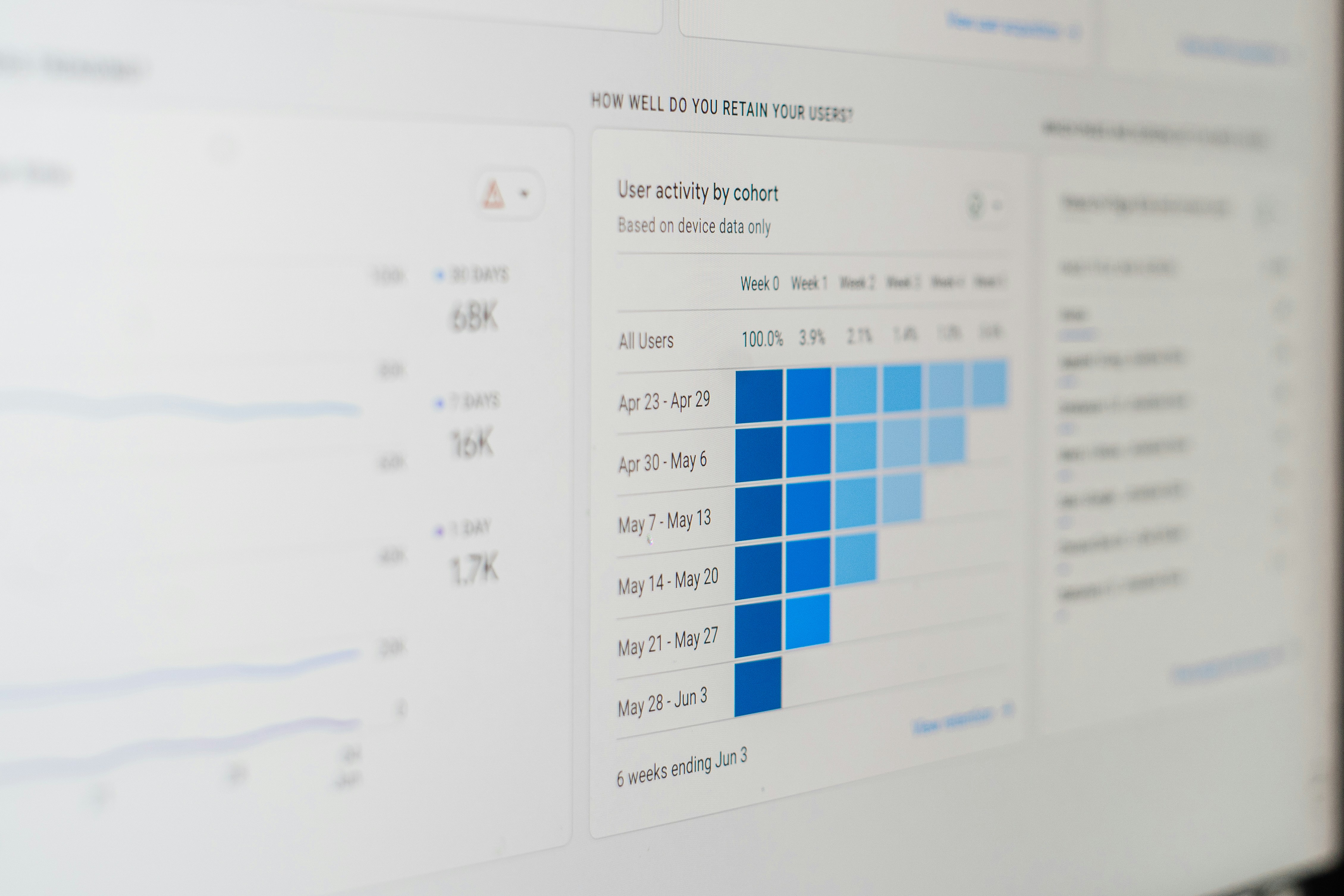
Introduction to Looker Studio
Looker Studio is a powerful data analytics and visualization platform designed to help businesses make informed decisions based on their data. As organizations increasingly rely on data-driven insights, Looker Studio offers a user-friendly interface that enables users to explore and analyze their datasets with ease. Its capabilities extend beyond traditional reporting; it allows users to create interactive dashboards and generate dynamic reports that reflect real-time data.
The platform is built on the foundation of looker, a modern data platform that emphasizes the importance of centralized data access. By integrating various data sources, Looker Studio allows companies to unify their analytical efforts. This is essential for organizations looking to maintain a competitive edge in today’s fast-paced business environment, where accurate data analysis can significantly influence strategic decisions. The adaptability of Looker Studio means organizations in diverse industries can benefit from enhanced insights tailored to their specific needs.
Moreover, the importance of data analytics cannot be overstated. In an era characterized by information overload, companies must sift through vast amounts of data to identify trends and opportunities. Looker Studio simplifies this process, providing tools that allow users to dive deeper into their data. For example, by integrating the LinkedIn Company Pages API, organizations can leverage LinkedIn’s rich dataset for more robust reporting and analysis. This integration enables businesses to extract valuable insights related to their brand presence on LinkedIn, which is pivotal for crafting effective marketing strategies.
As we proceed to explore the capabilities and applications of Looker Studio concerning the LinkedIn Company Pages API documentation, it becomes clear that mastering this platform is essential for any organization aiming to enhance its analytic capabilities and translate data into actionable insights.
Understanding LinkedIn Company Pages API
The LinkedIn Company Pages API is a powerful tool designed for businesses and entrepreneurs seeking to manage their online presence effectively. Its primary purpose is to facilitate the retrieval and management of data associated with a company’s LinkedIn page. By leveraging this API, organizations can gain valuable insights into their brand engagement, audience demographics, and overall performance on the platform. This capability is essential for companies aiming to enhance their marketing strategies and track their social media effectiveness in a structured manner.
This API offers a variety of features that empower users to access different types of data about their LinkedIn company pages. For instance, users can retrieve insights related to page views, follower statistics, and user interactions with posted content. Additionally, the API provides access to updates made on the company page, allowing for more comprehensive tracking of content engagement over time. As a result, organizations can better understand which types of content resonate with their audience and adjust their marketing tactics accordingly.
An important aspect of the LinkedIn Company Pages API is its ability to integrate seamlessly with other reporting tools and marketing platforms. This integration enables users to consolidate their social media metrics with other key performance indicators across various channels. Consequently, businesses can create more holistic reports that reflect their overall social media strategy’s effectiveness. This functionality is particularly beneficial for data-driven organizations looking to optimize their online presence and improve engagement with their target audiences.
In conclusion, the LinkedIn Company Pages API serves as a vital resource for companies eager to maximize their presence on LinkedIn. It provides essential features for accessing and managing company data, fostering enhanced tracking and reporting capabilities that are crucial in today’s digital landscape.
Importance of Integrating APIs in Reporting
In today’s data-driven landscape, integrating APIs into reporting frameworks has become a cornerstone for effective business decision-making. Specifically, the Looker Studio LinkedIn Company Pages API documentation provides businesses with the ability to harness valuable insights from their social media interactions. This integration enables organizations to collect and analyze a range of metrics that are crucial for understanding their online presence and engagement levels.
For instance, companies can track key performance indicators such as follower growth, post engagement rates, and audience demographics through the LinkedIn API. By leveraging these metrics, businesses can gain a competitive edge by identifying trends and patterns within their audience. Such data allows for the development of informed strategies that align with customer interests and behaviors, thus enhancing marketing efforts.
The ability to pull data seamlessly from LinkedIn and other platforms through API integration eliminates the need for manual data collection, minimizing errors and boosting efficiency. This not only saves time but also enables teams to focus on more critical analysis and strategy development. Moreover, the flexibility of integrating these insights into various reporting tools and dashboards allows for real-time data visualization, making it easier for stakeholders to grasp complex information at a glance.
Furthermore, utilizing the Looker Studio LinkedIn Company Pages API documentation serves as a valuable resource for businesses aiming to enhance their reporting capabilities. By connecting social media metrics with overall business performance indicators, companies can create a comprehensive view of their effectiveness in digital engagement. This data-driven approach empowers organizations to make proactive adjustments to their marketing strategies and fosters a culture of continuous improvement.
Getting Started with LinkedIn Company Pages API in Looker Studio
To effectively utilize the LinkedIn Company Pages API within Looker Studio, it is essential to follow a structured approach. Begin by ensuring that you have the necessary prerequisites for accessing the API. This involves creating a LinkedIn developer account, which can be done through the LinkedIn Developer Portal. After registration, you will need to create a new application that will allow you to obtain the required Access Token. This token is essential for authenticating your requests to the API.
Next, set up your Looker Studio environment. Ensure that you are using the most recent version of Looker Studio to avoid compatibility issues. Once your environment is ready, navigate to the ‘Manage’ section of your Looker account to authorize the LinkedIn Company Pages API. This process typically involves entering the Application ID and Secret Key obtained earlier from your LinkedIn application. With these credentials, you can generate an OAuth 2.0 token, which is critical for securing your data transactions and maintaining confidentiality.
After setting up authentication, you can now configure data sources in Looker Studio. To do this, select ‘Create Data Source’ and choose ‘LinkedIn Company Pages API’ from the list of options. This selection will prompt you to input the necessary parameters—such as the company ID and data fields that you wish to access. By following the provided API documentation, you will have detailed instructions on how to structure your queries to retrieve the appropriate data effectively.
Once you have configured your data source, you can proceed to build your visualizations. Utilize the intuitive interface of Looker Studio to create charts and dashboards that reflect your company’s LinkedIn presence. With a solid understanding of the LinkedIn Company Pages API documentation, harnessing data from your company page will become a streamlined process, enhancing your analytical capabilities.
Key Features and Data Points Available
The LinkedIn Company Pages API offers a rich set of features and data points that can significantly enhance the analytical capabilities within Looker Studio. These elements are crucial for businesses looking to understand their LinkedIn presence and effectively strategize their social media activities. One of the notable features is the retrieval of engagement metrics. This includes insights into likes, shares, and comments on posts, which allows companies to measure the resonance of their content with their audience. Tracking these engagement statistics provides a clear picture of which types of content are performing well, facilitating informed decision-making for future campaigns.
Additionally, the API allows access to follower demographics, offering invaluable insights that can aid in audience segmentation. By analyzing various demographic factors such as job titles, locations, and industries, businesses can tailor their marketing strategies to specific segments. This is particularly beneficial for crafting targeted messages that appeal to particular groups, thus improving engagement rates. The ability to dissect follower demographics further assists companies in understanding their audience base and aligning their branding efforts accordingly.
Another important feature is content performance analysis. Users can track how different posts perform over time, enabling a comparison of the effectiveness of various content types. This data point serves not only in evaluating past performances but also supports predictive analytics for future content creation. By understanding which formats and topics generate the most interest, businesses can optimize their content strategy for enhanced impact. By leveraging the capabilities provided by the LinkedIn Company Pages API, users can extract valuable insights and effectively elevate their reporting processes within Looker Studio.
Creating Reports with Looker Studio and LinkedIn API Integration
Integrating Looker Studio with the LinkedIn Company Pages API allows businesses to craft comprehensive reports that can effectively analyze and present data relevant to company performance on social media. The first step in this process is to establish a connection between Looker Studio and the LinkedIn API, which requires obtaining the necessary access tokens and ensuring the API is correctly configured. This access allows Looker Studio to pull data such as post engagements, follower demographics, and content performance metrics directly from LinkedIn.
Once the connection is established, users can begin to visualize this data. Looker Studio offers a variety of tools and functionalities for building dashboards that cater to different business insights. For instance, using charts and graphs to represent follower growth over time can provide a visual narrative of your company’s online presence. Similarly, data visualization techniques such as heat maps can effectively highlight which types of content generate the most engagement, leading to more informed decision-making.
Moreover, ensuring meaningful interpretations of the data is vital for deriving actionable insights. When creating reports, it is crucial to highlight key performance indicators (KPIs) that resonate with the company’s objectives. For example, analyzing lead generation or engagement rates can provide specific insights into how effectively the company is utilizing its LinkedIn presence. Utilizing the Looker Studio’s filtering and segmentation tools enables users to drill down into specific subsets of data, enhancing the relevance of the insights drawn.
Finally, as you compile your reports using the Looker Studio and LinkedIn Company Pages API documentation, always remember to keep the audience in mind. Tailor the narratives surrounding the data to suit stakeholders’ needs, facilitating discussions that lead to strategic improvements for leveraging LinkedIn as a vital communication channel. Crafting well-informed reports infused with clear visualizations can significantly enhance the understanding of complex data sets.
Best Practices for Utilizing LinkedIn Data
When leveraging data from the LinkedIn Company Pages API within Looker Studio, it is crucial to adhere to a set of best practices that optimize data accuracy and enhance the utility of your insights. Given the dynamic nature of social media data, ensuring that the information gathered from LinkedIn remains current is paramount. Regular updates should be scheduled to keep your reports reflective of the latest trends and performance metrics. This will guarantee that the data you present in Looker Studio is not only relevant but also actionable.
Another critical best practice involves validating the accuracy of the data collected. LinkedIn offers a robust API, and ensuring data integrity is essential for the insights derived from Looker Studio reports. It is advisable to perform periodic checks against the original source or other analytics tools to confirm that the data aligns correctly with what is being reported. This can also help in identifying any discrepancies early on, preventing potential misinterpretations of performance metrics.
Additionally, establishing a clear strategy for how data is analyzed can profoundly influence the effectiveness of reports generated in Looker Studio. Focus on specific key performance indicators (KPIs) that align with your business objectives. By narrowing down the metrics that matter most to your organization, you can better interpret LinkedIn data and present findings in a way that is easily understandable to stakeholders. Using visual representations such as charts and graphs will facilitate the communication of insights, ensuring that data-driven decisions can be made swiftly and accurately.
These best practices, particularly when integrated with the Looker Studio LinkedIn Company Pages API documentation, will empower you to derive meaningful insights that drive your company’s strategies and goals effectively.
Common Challenges and Solutions
When engaging with the Looker Studio LinkedIn Company Pages API documentation, users may encounter various challenges that can hinder their experience. Understanding these challenges and knowing how to address them is crucial for leveraging the full potential of the API. One common issue arises from authentication errors. Proper authentication is essential for API access; therefore, users should ensure that their LinkedIn developer account is set up correctly and that all necessary permissions for accessing company page data are granted. Referencing the Looker Studio documentation can provide clarity on authentication protocols.
Another significant challenge involves data inconsistency. As users pull data from the LinkedIn Company Pages API, discrepancies may occur due to timing issues or data updates on the LinkedIn platform. To minimize these inconsistencies, it is advisable to implement a data validation process using Looker Studio’s built-in features. Users should regularly verify the integrity of the pulled data against LinkedIn’s datasets to ensure accuracy.
Furthermore, users might struggle with understanding the response formats provided by the API. The Looker Studio LinkedIn Company Pages API documentation offers detailed descriptions of response objects; however, users may still find it complex. A practical solution is to utilize API request testing tools to familiarize oneself with response structures before integrating them into Looker Studio. This approach facilitates a smoother implementation process and supports better data interpretation.
Lastly, issues with rate limits can arise, restricting the number of requests that can be made within a given timeframe. Monitoring API usage and optimizing queries can alleviate this constraint. Making efficient calls, perhaps by batching requests or prioritizing necessary data, will help maintain compliance with the API rate limitations. By being aware of these common pitfalls and utilizing the appropriate solutions, users can enhance their experience working with the Looker Studio LinkedIn Company Pages API documentation effectively.
Additional Resources and Support
As users navigate the intricacies of the Looker Studio and the LinkedIn Company Pages API, having access to additional resources is essential for maximizing the benefits of these powerful tools. A variety of support channels and materials are available to assist users in utilizing the Looker Studio platform effectively while leveraging the capabilities of the LinkedIn API.
The official Looker Studio documentation serves as a foundational resource, providing comprehensive guides and tutorials on integrating the LinkedIn Company Pages API. This documentation not only elucidates the technical aspects of setup and configuration but also covers best practices for utilizing the API within Looker Studio. Users can often find troubleshooting tips and frequently asked questions that address common concerns. To access these resources, visiting the official Looker Studio website is highly advisable.
For more specific inquiries or personalized assistance, users can reach out through dedicated support channels. Their blog often features updates, insights, and best practices regarding Looker Studio functionalities, including integration with various APIs like the LinkedIn Company Pages API. For further inquiries, the contact page offers a structured method to seek additional guidance. Users can visit the contact page at https://rggupta.com/contact-us/ for more information.
Moreover, to stay current with trends and insights, users are encouraged to explore the blog section at https://rggupta.com/blogs/. This can further enhance their understanding and skill set when working with Looker Studio and the LinkedIn API. For those looking to refine their reporting capabilities, the Looker Studio reporting page at https://rggupta.com/looker-studio-reporting/ collates useful resources that can aid in developing effective reports.