Introduction to Looker Studio
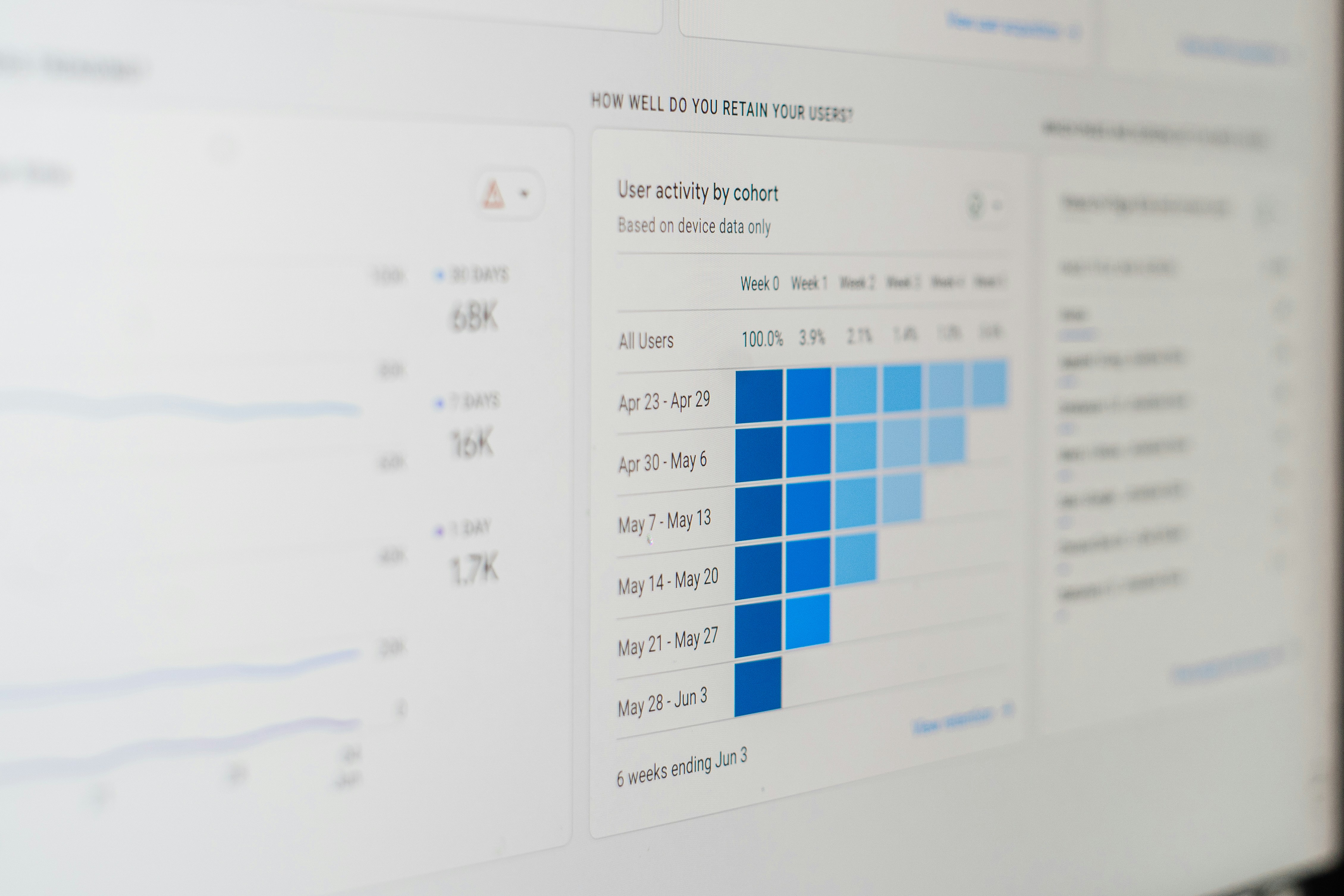
Looker Studio, formerly known as Google Data Studio, is a powerful data visualization and reporting tool designed to simplify the process of data analysis for users and organizations alike. With an increasing need for real-time data access and seamless reporting, Looker Studio has emerged as a pivotal resource in the landscape of data analytics. It allows users to transform raw data into insightful reports and dashboards that facilitate informed decision-making.
The significance of Looker Studio lies in its capacity to integrate various data sources and present them in an accessible manner. By connecting to databases, cloud services, and other data repositories, it enables users to create compelling narratives through visuals. This capability not only enhances the clarity of data presentation but also empowers companies to derive actionable insights that drive business strategies. Consequently, Looker Studio serves as a critical tool for professionals striving to make data-driven choices across diverse industries.
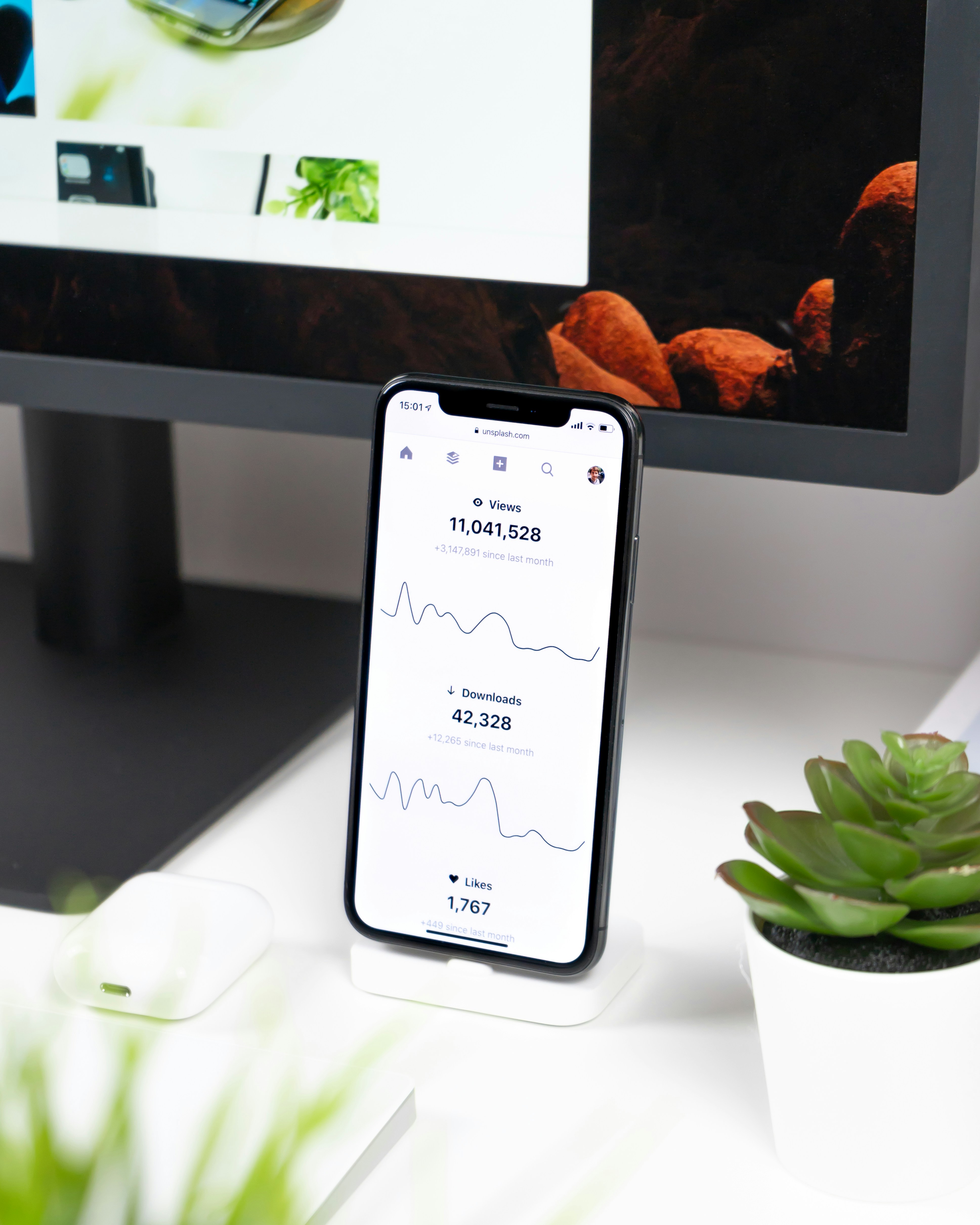
With the advent of mobile technology, the Looker Studio Mobile App has been developed to extend the functionality of the platform, ensuring that users can access their vital data on-the-go. The mobile app allows users to view, interact with, and share reports seamlessly from their smartphones or tablets. This mobility provides significant benefits, as it enables professionals to stay updated with their organization’s performance metrics, regardless of their physical location.
Through the Looker Studio Mobile App, users can easily navigate through customized dashboards, monitor key performance indicators (KPIs), and receive real-time alerts about important changes in the data. The design and interface of the app prioritize user-friendliness, making it accessible to both seasoned data analysts and those less familiar with data visualization tools. As a result, Looker Studio, combined with its mobile capabilities, becomes an essential asset for anyone aiming to enhance their data reporting and analysis efforts.
Key Features of Looker Studio Mobile App
The Looker Studio mobile app stands out as a powerful tool for professionals seeking to access and analyze data on the go. One of its primary features is data visualization, which allows users to create and interact with visually compelling reports and dashboards. This capability caters to various types of data, facilitating a comprehensive overview of key performance indicators and metrics in an easily digestible format. The mobile app uses advanced graphical representations to ensure that data is not only accessible but also engaging for users, promoting better understanding and insights.
Another critical aspect of the Looker Studio mobile app is its robust reporting capabilities. Users can generate real-time reports directly from their mobile devices, enabling quick and informed decision-making. The app supports various data sources, ensuring that reports are always current and reflect the most accurate information available. With the ability to schedule automated reports or share them via email directly from the app, it streamlines communication and collaboration among team members, significantly enhancing productivity.
The user interface design of the Looker Studio mobile app is intuitive and user-friendly. Designed with mobile users in mind, the app features a clean layout that improves navigation and minimizes distractions. Its responsive design ensures that users can easily access data regardless of their device, whether it be a smartphone or a tablet. This ease of use is critical for professionals who need to interpret data quickly while multitasking. Overall, the combination of data visualization, reporting capabilities, and user-centric design enhances the user experience, empowering users to make data-driven decisions anytime and anywhere.
Getting Started with the Looker Studio Mobile App
To begin your journey with the Looker Studio mobile app, the first step is downloading it onto your device. The Looker Studio app is compatible with both Android and iOS systems, ensuring a wide range of users can benefit from its capabilities. For Android users, ensure your device is running Android 5.0 (Lollipop) or higher. iOS users should check that their devices operate on iOS 12.0 or later. To download the application, navigate to the Google Play Store or the Apple App Store, search for “Looker Studio,” and click on the install button.
Once the app is downloaded, you will need to go through the installation process. This process is straightforward—in most cases, the app will automatically install once downloaded. After installation, open the Looker Studio app by tapping the app icon on your device. Upon opening, you may be prompted to sign in with your Google account. Ensure that you use the same account linked to your Looker Studio data to access your dashboards seamlessly.
After signing in, the initial configuration will require you to set up your preferences. This includes setting notifications for reports and choosing whether to enable or disable location services, which can enhance the app’s functionality by providing location-based insights. After adjusting these settings to your liking, you will have access to your existing projects and can start utilizing data visualizations on your mobile device.
With this step-by-step guide, setting up the Looker Studio mobile app should be a smooth experience, allowing you to explore its features promptly. Whether you’re reviewing key metrics or collaborating with your team on-the-go, the Looker Studio mobile app is designed to meet your data analysis needs effectively.
Navigating the Looker Studio Mobile App Interface
The Looker Studio mobile app offers a user-friendly interface designed to facilitate seamless navigation and efficient data analysis. Upon launching the app, users are greeted with a clean and well-organized layout that adheres to the principles of minimalist design. The principal components of the interface include the dashboard, navigation menu, and various action buttons, all of which are strategically placed for intuitive use.
At the top of the interface, the dashboard displays key metrics and insights, providing users with a quick overview of their data. This section is customizable, allowing individuals to select and prioritize the information that is most relevant to their needs. Below the dashboard, the navigation menu presents users with various options to explore different functionalities. This menu is accessible via a prominent icon, typically situated in the upper left corner, ensuring that it is both visible and easy to reach.
Within the navigation menu, users will find several tabs, including ‘Reports,’ ‘Dashboards,’ and ‘Data Sources.’ Each tab serves a distinct purpose: the ‘Reports’ tab directs users to detailed analytics; the ‘Dashboards’ tab showcases visual representations of metrics; and the ‘Data Sources’ tab provides options to manage and connect to different datasets. Furthermore, contextual menus can be accessed by tapping on specific elements within the dashboard, allowing for quick adjustments and more profound insights into the data.
Additionally, the app features a search function positioned prominently for ease of use, enabling users to swiftly locate reports, dashboards, or specific data points using keywords. Navigating through the Looker Studio mobile app is designed to be an efficient process, using clear labeling and logical pathways that guide users to their desired outcomes without unnecessary complexity.
Creating and Sharing Reports on Mobile
The Looker Studio mobile app provides users with a streamlined approach for creating and sharing reports directly from their devices. This functionality is particularly useful for professionals who require flexibility, allowing them to generate insightful reports on-the-go. To begin, users can input data through various sources, such as spreadsheets or databases, ensuring that the necessary information is readily accessible. The app’s compatibility with popular data formats facilitates a seamless experience when importing data.
Once the data is imported, the app offers a myriad of customization options. Users can select from a variety of visualization tools, including charts, graphs, and tables, to present their data effectively. These tools not only enhance visual appeal but also provide greater clarity, making it easier for stakeholders to derive actionable insights. Customization extends to the layout and design of reports, where users can modify elements such as colors, fonts, and styles to align with organizational branding or personal preferences.
Sharing reports created in the Looker Studio mobile app is straightforward. Users can directly distribute their reports to team members or stakeholders through in-app sharing options, which include email integration and direct links. This feature ensures that decision-makers receive timely and accurate information, fostering collaboration and efficient communication. Additionally, access permissions can be managed, allowing users to control who can view or edit their reports. By leveraging these functionalities, the Looker Studio mobile app empowers users to create comprehensive, visually appealing reports and share them effortlessly, thus enhancing overall productivity in data-driven environments.
Integrations and Compatibility
Looker Studio Mobile App stands out for its robust integrations and compatibility with a variety of third-party applications. These features allow users to enhance their data analysis and visualization capabilities significantly. By integrating with widely used tools such as Google Sheets, Google Drive, and Google Cloud Storage, Looker Studio provides a seamless experience for users to access and manage their data. This connectivity ensures that teams can work efficiently within their preferred ecosystems, enabling better collaboration.
Additionally, Looker Studio supports direct connections to numerous data sources including SQL databases, BigQuery, and various business intelligence platforms. The versatility of these integrations allows users to pull in data from multiple environments, facilitating comprehensive analysis and reporting. Organizations can create dashboards that reflect real-time data, empowering decision-makers with up-to-date information at their fingertips.
Third-party applications, such as Salesforce and HubSpot, further extend the functionality of Looker Studio. Users can synchronize marketing and sales data, which aids in understanding customer interactions and optimizing strategies. This connectivity fosters an environment where data-driven decisions can be made swiftly, ultimately enhancing overall productivity.
Compatibility with mobile devices is another key feature of the Looker Studio Mobile App. The mobile-centric design allows users to access their reports and dashboards anytime, anywhere. Regardless of the device being used, users can expect a consistent experience, ensuring that critical insights are always accessible. This flexibility is crucial in today’s fast-paced business environments where timely access to data can be a significant advantage.
In summary, the integrations and compatibility of the Looker Studio Mobile App not only streamline workflow but also enhance productivity by providing users with varied data sources and ensuring easy access to critical information anytime and anywhere.
Best Practices for Using Looker Studio Mobile App
To fully leverage the capabilities of the Looker Studio mobile app, users should implement several best practices that enhance user organization, improve data management strategies, and maintain data accuracy. First and foremost, users are encouraged to structure their dashboards effectively. This involves creating a clear hierarchy among various data visualizations, allowing for intuitive navigation and quick access to critical metrics. Utilize folders or categories within the app to group related reports and dashboards, ensuring a streamlined workflow that significantly reduces time spent searching for specific data.
Data freshness is another crucial aspect of effective usage. Regularly updating data sources in the Looker Studio mobile app ensures that decisions are based on the most current and relevant information. Scheduling automatic updates, when possible, can aid in maintaining real-time accuracy. Additionally, users should consider setting up alerts for significant changes or anomalies in key metrics. These proactive measures can provide vital notifications, allowing for timely responses and adjustments without constantly refreshing the data manually.
Moreover, optimizing the app’s settings for better performance can further enhance the user experience. Adjusting notification preferences to prioritize essential updates ensures that critical alerts are not missed. Turning off unnecessary notifications can prevent information overload and help maintain focus on actionable insights. Furthermore, utilizing collaboration features within the app can foster teamwork. Sharing dashboards and reports with colleagues allows for collective decision-making and discussion, facilitating a deeper analysis of data trends.
Lastly, maintaining attention to data integrity while using the mobile app is paramount. Users should regularly validate the data being used in reports by cross-referencing against trusted sources. Establishing a routine for data verification can help detect inaccuracies early, ensuring that the insights derived are reliable. By implementing these practices, users can maximize the potential of the Looker Studio mobile app, driving more informed decisions and enhancing overall productivity.
Common Issues and Troubleshooting
The Looker Studio mobile app offers users a convenient way to access and analyze their data on the go. However, like any mobile application, users may encounter several common issues that can hinder their experience. Understanding these issues and knowing how to troubleshoot them can significantly enhance usability and efficiency.
One prevalent issue reported by users is difficulty in logging in. This often occurs due to forgetting credentials or server connectivity problems. To troubleshoot this, ensure that your internet connection is stable. If you still cannot log in, try resetting your password through the application or accessing it through the web to confirm your account details are correct.
Another common problem is slow performance or unresponsiveness of the app. Users may experience lagging data visuals or delayed loading times. To resolve this, attempt clearing the app cache via your device settings. Additionally, ensuring that the mobile app is updated to the latest version can help mitigate performance issues that arise from outdated software.
Notifications not appearing as expected is another frequent concern among users. This may be due to incorrect settings either within the app or on the device itself. It is advisable to check the notification permissions for Looker Studio in your device settings. Moreover, ensuring that you have enabled notifications within the app can further remedy this issue.
Finally, users may sometimes face issues with data synchronization, leading to discrepancies in reported figures. To troubleshoot, confirm that your internet connection is stable during data updates. If problems persist, logging out and logging back into the app can refresh your session and re-establish synchronization.
With a proactive approach to troubleshooting these common issues, users can enhance their experience with the Looker Studio mobile app and ensure they get the most out of its analytical features.
Contact and Support Resources
Accessing support resources for the Looker Studio mobile app is essential for users seeking assistance or more information about its features and functionalities. Looker offers several avenues for customer support that cater to different needs, ensuring that users can resolve their inquiries effectively.
One of the primary resources available is the Looker Help Center. This online platform provides a wealth of documentation covering various functionalities of the Looker Studio mobile app. Users can find articles, guides, and frequently asked questions that address common scenarios and challenges. By visiting https://help.looker.com, users can navigate through well-organized topics to discover solutions to their issues.
For direct assistance, the Looker support team can be contacted through their dedicated contact page. Users are encouraged to visit https://looker.com/contact to find specific contact details, including phone numbers and email addresses tailored to various regions. This page is designed to ensure that users can quickly connect with support staff who have the expertise to assist with technical questions or application troubleshooting.
Additionally, the Looker community forum serves as a vibrant platform for users to engage with one another. Here, individuals can ask questions, share experiences, and learn from the insights of other Looker Studio mobile app users. Access the community forum at https://community.looker.com, fostering a collaborative environment where shared knowledge can enhance the user experience.
In summary, whether through the Help Center, direct contact, or community engagement, finding support for the Looker Studio mobile app is straightforward. Utilize these resources efficiently to enhance your experience with the app.