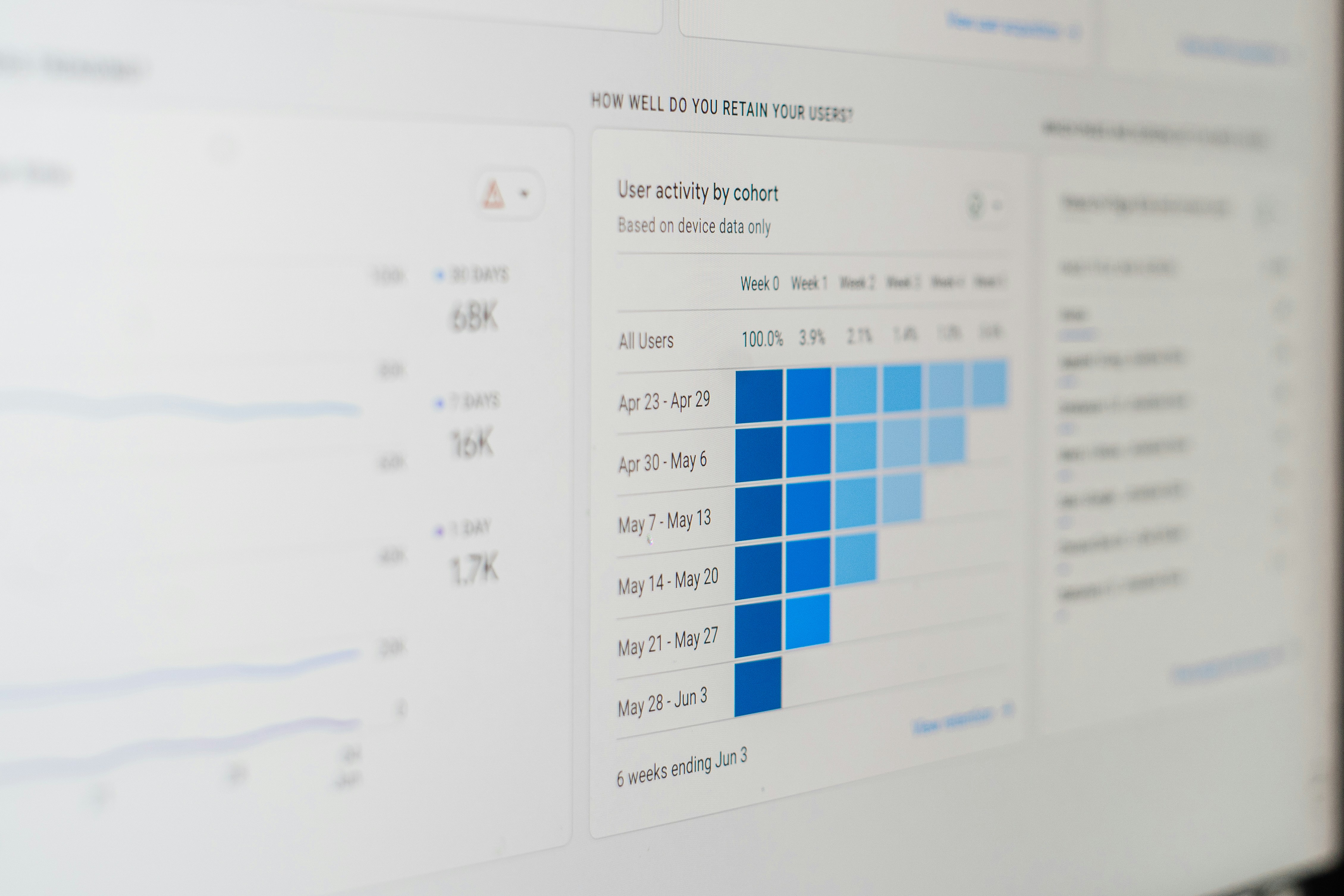
Introduction to Looker Studio
Looker Studio is a powerful data visualization and reporting tool designed to facilitate the analytical process for businesses of all sizes. By integrating various data sources, Looker Studio enables users to create dynamic and interactive dashboards, fostering insights that are crucial for informed decision-making. This range of functionality positions Looker Studio as a vital asset for data analysts, business intelligence professionals, and decision-makers alike.
The primary purpose of Looker Studio is to transform complex data into intuitive visuals, allowing users to grasp insights at a glance. With its user-friendly interface, Looker Studio streamlines the process of data interaction, helping professionals to identify trends, patterns, and anomalies within their datasets. These insights can lead to more strategic planning, optimized operations, and ultimately, enhanced competitive advantage.
Significantly, Looker Studio emphasizes collaboration by enabling teams to share reports and dashboards seamlessly. Users can customize their views, ensuring that the information is relevant to their specific needs. Furthermore, the tool supports integration with numerous data sources, including SQL databases, BigQuery, and cloud storage services. This flexibility ensures that businesses can leverage their existing data infrastructure while gaining the benefits of advanced visualization techniques.
In essence, Looker Studio serves as a bridge between complex data sets and actionable insights. By offering professional-grade reporting and visualization capabilities, it empowers organizations to harness the full potential of their data, paving the way for more informed, data-driven decisions. As businesses continue to navigate an increasingly data-rich landscape, the significance of tools like Looker Studio cannot be overstated.
Understanding Tables in Looker Studio
In Looker Studio, tables are a primary method for presenting data in a structured and organized format. Tables are particularly valuable for showcasing complex datasets where users need to analyze multiple values across various dimensions. Unlike other visual elements, tables offer a straightforward way to explicitly represent data points, making them essential for detailed data examination.
One of the key functionalities of tables in Looker Studio is their ability to display large volumes of information at a glance. Tables can include a variety of data typologies, including numerical values, categorical data, dates, and even metrics derived from advanced calculations. This enhances the interactivity of reports, enabling users to quickly interpret data without the distraction of additional visuals.
Looker Studio tables come equipped with several features that enhance their usability. Users can leverage sorting capabilities, allowing the data to be organized in ascending or descending order based on selected columns. Filters can also be applied to narrow down the dataset to only the relevant information, which is crucial for focusing on specific insights. Additionally, tables in Looker Studio can support conditional formatting, drawing attention to critical data points through color coding or other visual cues.
The advantages of using tables in conjunction with other visual elements, such as charts or graphs, cannot be overstated. Tables effectively complement these visuals by providing the raw data that underlies the graphical representation. This allows users to cross-reference and verify insights drawn from charts, ensuring comprehensive understanding and accuracy when making data-driven decisions.
In summary, tables within Looker Studio serve as a foundational element for data representation, facilitating detailed analysis and enhancing clarity when handling expansive datasets. Their functionality, coupled with their compatibility with other visual types, highlights their importance in effective data storytelling.
What Are Area Charts?
Area charts are a distinct type of data visualization that display quantitative data graphically. They illustrate the magnitude of a phenomenon as it changes over time by filling the area beneath the line connecting various data points. This visualization method helps in tracking trends, emphasizing the volume of data, and showcasing the progression of values. In the context of Looker Studio, area charts can be particularly effective in communicating changes in data across different time intervals, making them a valuable tool for data storytelling.
There are several types of area charts available within Looker Studio to cater to various data representation needs. The most common types include simple area charts, stacked area charts, and relative area charts. A simple area chart is useful for displaying a single data series and is effective in showing overall trends in data over a specified period. In contrast, stacked area charts enable viewers to see how individual data series contribute to a total at any given point in time. By stacking multiple data series, this type of chart can effectively highlight the composition of different data segments.
Additionally, relative area charts present data in a more comparative manner, often using percentages or similar metrics. This format can help users understand the share of each category relative to the whole. Area charts, with their unique ability to convey both trends and part-to-whole relationships, serve as a powerful visual tool for decision-makers and analysts. When consistently designed and utilized, they can enhance the understanding of changes in data over time, providing clearer insight into patterns that might otherwise remain unnoticed. Overall, area charts form an integral component of the array of visualization tools within Looker Studio, facilitating effective communication of complex data narratives.
Advantages of Using Area Charts in Data Visualization
Area charts are a popular choice in data visualization due to their effectiveness in conveying information. One notable advantage of area charts is their ability to represent cumulative data clearly. By stacking multiple datasets in an area chart, viewers can easily see the total value as well as the contributions of each category over time. This feature is especially beneficial in scenarios where it is essential to illustrate growth or accumulation, such as sales figures or budget allocations.
Moreover, area charts facilitate the understanding of trends across various datasets. The shaded area under the lines gives a visual impression of volume, helping stakeholders quickly grasp patterns and fluctuations. When analyzing performance metrics, for instance, an area chart can effectively show both upward and downward trends, allowing for immediate insight into where attention is needed. The ability to visualize data in this manner can significantly enhance the decision-making process.
Another advantage of using area charts is their capacity for comparing multiple datasets simultaneously. Area charts can incorporate various dimensions, enabling users to visualize relationships and disparities side by side. This comparative analysis is vital in fields such as marketing and finance, where understanding how different variables impact overall performance is crucial. With distinct colors and overlapping areas, these charts make it easy to identify which datasets are performing better or worse, providing clarity in data storytelling.
In summary, incorporating area charts into data presentations offers considerable benefits, particularly in visualizing cumulative data, discerning trends, and comparing various datasets. Their unique attributes make them a powerful tool for effective data analysis and presentation in various contexts.
Combining Tables with Area Charts
In the realm of data visualization, combining tables with area charts within Looker Studio serves as a powerful method for enhancing presentations. This combination not only provides a clearer representation of data but also allows users to view metrics through multiple lenses, delivering a more comprehensive understanding of trends and patterns.
Tables are effective for displaying precise data points, whereas area charts effectively illustrate changes over time or the volume of data, adding a visual layer that helps in interpreting the numbers. By integrating these two visualization types, one can leverage the benefits of each. The table provides exact figures for reference, while the area chart conveys the overall movement of data, making it easier for viewers to grasp fluctuations and trends.
One of the key benefits of this combination is the ability to correlate different sets of data simultaneously. For example, a business may want to show sales figures alongside budget forecasts. A table displaying these values would offer specific insights, whereas the area chart could illustrate how sales have fluctuated against the budgeted amounts over a period. This dual representation engages the audience, drawing their focus and facilitating easier analysis.
Implementing this combination in Looker Studio is straightforward. Users can drag and drop respective fields into the chart editor to create their desired visualizations. By selecting an area chart and configuring it alongside a table, users can effectively convey the multifaceted nature of their data. This approach not only enriches presentation quality but also boosts audience engagement, empowering stakeholders to make informed decisions based on insights derived from a layered data perspective.
Best Practices for Designing Looker Studio Tables and Area Charts
When designing tables and area charts in Looker Studio, it is vital to adopt best practices that prioritize clarity, simplicity, and accessibility. These visual representations should effectively communicate data insights while being user-friendly to a diverse audience.
Firstly, clarity is paramount. Use clear labels and concise titles that accurately describe what the table or area chart showcases. Avoid using jargon and technical terms that may not resonate with all users, instead favoring language that is easily understood. Ensure that data points, axis labels, and legends are legible, which can be achieved by choosing appropriate font sizes and colors that enhance readability.
Secondly, simplicity plays a significant role in effective design. Complex tables and overly detailed area charts can overwhelm viewers, potentially obscuring key insights. To maintain simplicity, limit the number of data points displayed at once. This may involve filtering out less critical information or using interactive features such as filters and tooltips that allow users to explore data without excessive clutter. Minimalist design elements, such as a clear color palette and uniform styling, can also help improve the overall visual experience.
Lastly, accessibility is crucial when designing Looker Studio visualizations. Ensure that charts and tables are easily navigable for individuals with disabilities. This includes choosing color schemes that provide sufficient contrast between background and data points, as well as incorporating alternative text for images and charts. Providing keyboard navigation options can further enhance user experience, making data accessible to all audience members.
By adhering to these best practices—clarity, simplicity, and accessibility—designers can create effective tables and area charts in Looker Studio that cater to a wide range of users, ultimately enhancing data understanding and decision-making.
Customizing Your Tables and Area Charts in Looker Studio
Looker Studio offers a variety of customization options that enable users to enhance their tables and area charts, making them more visually appealing and informative. Customization begins with colors, which are pivotal in distinguishing different data points and categories. Users can select colors that align with their brand identity or the overall aesthetics of their report. Changing the color scheme not only adds a personalized touch but also aids in improving data comprehension.
In addition to colors, labels play a critical role in the effective presentation of data. In Looker Studio, you can modify labels to ensure they convey the necessary information clearly and concisely. This includes adjusting the font style, size, and weight to improve readability. Proper labeling is essential, especially in area charts, where overlapping data might obscure important trends or distinctions. Users should strive for clarity to ensure that the audience can quickly interpret the visualizations.
Another important aspect of customization is the size of the tables and area charts. Looker Studio allows users to adjust dimensions, thereby optimizing them for different viewing formats such as web or print. Resizing elements ensures that data is neither too cramped nor excessively spaced, which can detract from user experience. Adjusting the overall layout can also guide the viewer’s attention to the most critical insights presented within the data.
Exploring these customization options in Looker Studio illuminates how tailored visualizations can effectively communicate complex information. By strategically adjusting colors, labels, and sizes, users can create impactful data representations that resonate with their specific audience. This process not only enhances the aesthetic quality of the visualizations but also improves the overall clarity and usability of the data presented.
Use Cases of Tables and Area Charts in Industry
Tables and area charts are vital tools widely utilized across various industries to visualize data and derive actionable insights. In retail, for instance, tables are often employed to track sales performance across different products and locations. Retail managers can easily compare sales figures week over week and identify trends, allowing for timely inventory adjustments and strategic promotional planning. This use of tables facilitates a granular analysis of key performance indicators (KPIs), ultimately aiding in decision-making.
In the financial sector, area charts find significant application in visualizing trends over time, particularly for stock prices, revenue growth, and market fluctuations. Financial analysts use area charts to present complex datasets in a simplified visual manner, making it easier for stakeholders to understand market dynamics and make informed investment decisions. The overlapping areas in area charts also allow for comparisons between various financial metrics, which can clarify relationships and highlight critical market insights.
The healthcare industry benefits from the use of both tables and area charts in patient management and resource allocation. Hospitals often use tables to log patient data, treatment outcomes, and staff allocation. This enables healthcare administrators to monitor the efficiency of services, ensuring optimal resource distribution. Moreover, area charts can represent patient admission trends over specific periods, which help in forecasting future resource needs and enhancing patient care strategies.
Another notable application can be seen in project management, where tables provide transparent tracking of tasks, deadlines, and resource assignments. This structured representation aids project managers in ensuring timely project delivery while also identifying potential bottlenecks. Area charts, on the other hand, can illustrate the progression of project timelines and budget utilization, thereby facilitating better communication among team members and stakeholders.
Conclusion and Further Resources
In this comprehensive guide, we have explored Looker Studio, focusing on the various table and area chart types available for data visualization. We discussed how Looker Studio enables users to create interactive dashboards that enhance data analysis and reporting. The versatility of tables and area charts provides distinct advantages, allowing businesses and individuals to derive insights from their data effectively.
As we delved into the functionalities of Looker Studio, it became evident that leveraging tables can facilitate a detailed examination of datasets, while area charts are especially useful for visualizing trends over time. Both visualization types offer a robust means of understanding complex data and making informed decisions based on that analysis. The combination of different visualization techniques further enhances the capability of Looker Studio for diverse data storytelling.
For readers interested in deepening their knowledge of Looker Studio, there are several resources available. The official Looker documentation offers comprehensive guides and tutorials suitable for both beginners and advanced users. Online forums and community groups are excellent platforms for engaging with other Looker users, exchanging tips, and seeking assistance with specific challenges.
Additionally, platforms like LinkedIn Learning and YouTube feature tutorials tailored to various skill levels, from introductory courses to advanced analytics techniques. Engaging with these resources can significantly enhance your proficiency in using Looker Studio, enabling you to maximize its potential in your data projects.
By utilizing the information discussed in this guide and exploring the recommended resources, readers can advance their understanding of Looker Studio, further elevating their data analysis capabilities.