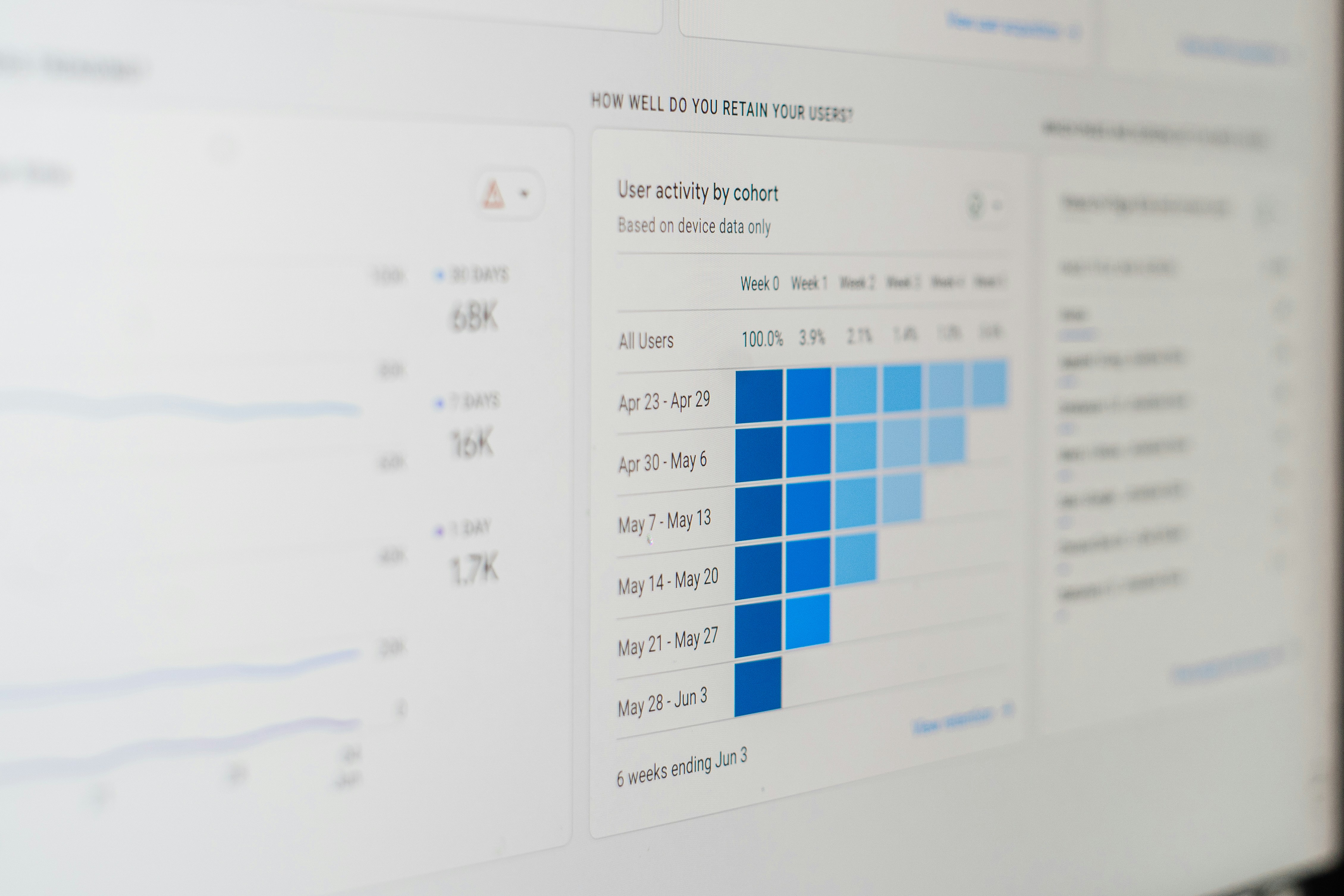
Introduction to Looker Studio
Looker Studio is a robust data visualization and business intelligence tool that enables organizations to transform their raw data into insightful visual representations. Developed with the aim of facilitating data exploration and analysis, Looker Studio stands out for its capacity to leverage complex datasets and present them in an easily digestible format. This product allows users to create a myriad of visual outputs, including customizable tables, which play a pivotal role in categorizing and analyzing data by various areas.
The operation of Looker Studio is grounded in its underlying philosophy of empowering users to turn data into actionable insights without requiring extensive technical expertise. By utilizing Looker’s powerful modeling layer, data analysts can construct queries and derive metrics that reflect organizational performance, user interactions, or any other phenomena of interest. This approach democratizes data access, allowing teams beyond just technical experts to engage in data-driven decision-making.
The significance of Looker Studio lies in its ability to synthesize vast amounts of information into visual formats that enhance understanding. By using tables, users can effectively segment data by area, revealing trends, anomalies, and relationships within the data. This feature is particularly beneficial for businesses that need to analyze KPIs across different geographical regions or departments. Through Looker Studio’s dynamic tables, users can filter, sort, and drill down into the datasets, granting them the flexibility to investigate specific areas in depth, thus facilitating a more granular level of analysis.
As organizations increasingly rely on data to drive their strategies, tools like Looker Studio are integral to fostering a culture of data literacy. By creating accessible and informative visual representations, Looker Studio empowers users to interpret data effectively, ultimately guiding better business outcomes.
Understanding the Importance of Area-Based Tables
Data organization is fundamental to effective data analysis, and area-based tables present a methodical approach to structuring information. By categorizing data according to geographic areas, businesses can significantly enhance their ability to interpret complex datasets. This geographic classification not only simplifies data visualization but also supports analytical procedures by presenting insights in a contextually relevant manner.
Area-based tables facilitate targeted decision-making, allowing businesses to assess performance metrics that are specific to certain regions or demographics. For instance, organizations can identify trends and patterns in sales figures across different regions, enabling them to allocate resources more effectively. Such targeted analysis ensures that businesses can tailor their strategies to meet local market demands, ultimately leading to improved customer satisfaction and increased revenue.
Furthermore, organizing data into area-based tables enhances reporting accuracy. By utilizing area classification, reports can be designed to highlight key performance indicators that are vital within specific regions. This focus not only aids in presenting clearer summaries to stakeholders but also supports the alignment of business objectives with regional market characteristics. As a result, stakeholders can make informed decisions based on precise data representations that directly reflect the operational status within particular areas.
In addition, area-based tables foster collaboration among teams by standardizing the terminology and metrics used across regions. This harmonization of data reporting leads to clearer communication regarding successes and challenges faced by different teams, enhancing overall organizational coordination. The clarity provided by area classification can lead to better strategic planning and the identification of growth opportunities that are tailored to regional needs.
Setting Up Looker Studio for Area Analysis
To perform area-based analysis effectively in Looker Studio, it is essential to begin with a well-structured setup. The first step involves selecting appropriate data sources that align with your area analysis objectives. Looker Studio supports various data connectors, allowing users to integrate information from multiple platforms, including Google Sheets, Google Analytics, SQL databases, and other third-party applications. Choose a data source that accurately reflects the geographical metrics you aim to analyze, ensuring the data is both relevant and reliable.
Once the data source is selected, you need to customize the dashboard to focus specifically on area-related metrics. This can include selection of filters that target specific geographical locations, enabling more precise analysis. For instance, if you are analyzing sales data by region, apply filters to isolate these regions, offering clearer insights into performance variations.
Additionally, utilizing geospatial visualizations in Looker Studio is crucial for effective area analysis. Looker Studio allows users to create maps or other visual representations that can display data hierarchically by areas. Incorporating these visual tools not only enhances the interpretability of the data but also provides a comprehensive view of patterns and trends across different locations.
Furthermore, customizing the layout and design of your dashboard is vital to highlight the focus areas. Use charts, graphs, and widgets strategically to bring important metrics into the spotlight. It is beneficial to utilize interactive elements, such as drill-downs, which enable users to click into specific areas for more granular detail.
In summary, effectively setting up Looker Studio for area analysis demands careful selection of data sources, tailored dashboard configurations, and the use of interactive visualizations to represent the data accurately. By following these steps, users can harness the full potential of Looker Studio, leading to insightful area-centric analyses.
Creating Area-Based Tables within Looker Studio
Creating area-based tables in Looker Studio is a straightforward process that enables users to organize their data effectively based on geographic locations or defined areas. The first step involves accessing your Looker Studio dashboard and selecting the dataset that contains the relevant information. Once you have chosen the appropriate dataset, proceed to create a new table visualization by clicking on the ‘Add a Chart’ button and selecting the ‘Table’ option from the drop-down menu.
Next, it is imperative to determine the dimensions and measures that will best represent the areas in your table. Dimensions could include geographic identifiers such as region names, postal codes, or country names, while measures may reflect sales figures, population counts, or other relevant statistics. To add these, simply drag your chosen dimensions into the ‘Dimension’ field and your measures into the ‘Metric’ field within the table settings.
As an example, consider a scenario where you are analyzing sales data across multiple regions. You can create a table with the dimensions set to ‘Region’ and the measures to ‘Total Sales.’ This structure allows viewers to quickly identify which areas are performing well and which require further attention. Furthermore, it can be beneficial to add filters to your table, allowing users to view specific areas or metrics based on their needs.
To enhance the readability and usability of your area-based table, consider using appropriate formatting options such as conditional formatting, to highlight key figures, or sorting options to arrange data in a meaningful order. By following these steps, you will create well-structured tables in Looker Studio that clearly represent data by area, facilitating better insights and decision-making for your audience.
Visualizing Data with Looker Studio Tables
Visualizing data effectively is a critical aspect of leveraging Looker Studio tables for decision-making processes. The ability to present complex data in an easily digestible format can significantly enhance the understanding of key metrics. To achieve this, it is essential to incorporate various visual elements such as charts, graphs, and color coding into your Looker Studio tables.
Charts and graphs serve as invaluable tools for data visualization, offering a graphical representation that can highlight trends and patterns within a dataset. For instance, bar charts are particularly effective for comparing discrete quantities, while line graphs excel in demonstrating changes over time. Integrating these visual elements into your Looker tables can help stakeholders quickly grasp the implications of the data being presented.
Furthermore, the use of color coding can dramatically improve data visibility. By applying consistent color schemes to represent different data categories or status indicators, users can instantly discern important information at a glance. For example, using green to signify positive performance and red for negative outcomes can alert users to critical areas requiring immediate attention. This method not only enhances the aesthetic appeal of your tables but also facilitates quicker comprehension of complex information.
Another best practice is to ensure that data visualizations align with the audience’s needs and expectations. Understanding the preferences and technical expertise of your target audience is essential. Tailoring the complexity and type of visualizations according to their familiarity with the data can promote engagement and foster a deeper understanding of the insights being conveyed.
In summary, utilizing charts, graphs, and color coding within Looker Studio tables enhances data visualization and comprehension. By implementing these best practices, you can ensure that your data insights resonate effectively with your audience, driving better decision-making outcomes.
Advanced Features of Looker Studio for Area Tables
Looker Studio provides a plethora of advanced features that enhance the data visualization experience, particularly when working with area tables. One of the most powerful tools available is the calculated fields, which allow users to create new dimensions or measures from existing data. This functionality is particularly useful for generating key performance indicators (KPIs) or custom metrics tailored to a specific analysis need. By leveraging calculated fields, analysts can ensure that their data presentations reflect precise business logic and objectives.
Another significant feature worth exploring is the filtering options. Looker Studio enables users to apply filters at various levels—chart level, report level, or even for individual data points. This capability allows analysts to focus on specific subsets of data within an area table, thereby enhancing clarity and effectiveness in presentations. Filters can be based on date ranges, numeric thresholds, or categorical variables, empowering users to slice their data according to relevant criteria. The application of filters is critical for highlighting pertinent trends or anomalies in the dataset.
Furthermore, the integration of dashboards within Looker Studio offers an enhanced strategic advantage for users working with area tables. Dashboards can consolidate multiple views and metrics into a single interface, enabling real-time monitoring of key insights across different datasets. When combined with area tables, dashboards allow for robust data storytelling, where complex data points can be visually represented and easily interpreted. By utilizing dashboard integrations, users can create cohesive and interactive data visualizations that promote informed decision-making and collaborative analysis.
In conclusion, the advanced features of Looker Studio, including calculated fields, versatile filtering options, and dashboard capabilities, significantly enhance the manipulation and presentation of data within area tables. These tools empower users to derive deeper insights and make informed decisions based on comprehensive data analysis.
Common Challenges and Solutions
Creating area-based tables in Looker Studio can be a straightforward process, yet users often encounter several common challenges that can hinder their efficiencies. One prevalent issue is data discrepancies, which can arise from varied data sources or inconsistent data formats. In cases where data does not align, it becomes essential to implement data transformation techniques. Utilizing the built-in Looker functions allows users to standardize formats, ensuring consistency across tables. Data validation rules can also be introduced to minimize errors, giving users more confidence in their visualizations.
Another frequent challenge pertains to layout issues. Users may struggle to present their data in a manner that is both visually appealing and easy to interpret. When tables become overcrowded with information, it can lead to confusion for the end-user. A practical solution is to simplify the layout by breaking down complex tables into more manageable segments. Utilizing filtering options and collapsing rows can aid in decluttering the view, enabling users to focus on the most critical elements of the data.
Moreover, performance issues can emerge when dealing with large datasets, resulting in slow loading times or application crashes. To combat these problems, it is advisable to limit the amount of data retrieved at once. By implementing pagination and employing Looker’s Explores functionality, users can ensure that their tables load efficiently without overwhelming the system. Additionally, monitoring and optimizing queries can greatly enhance performance.
Lastly, collaboration and access control settings may pose challenges, particularly when multiple users modify the data concurrently. Utilizing Looker’s version control and commenting features can facilitate better communication and tracking of changes among team members, ensuring everyone stays updated on the current status of the data. By proactively addressing these challenges, users can create more effective area-based tables in Looker Studio.
Case Studies: Effective Use of Area Tables
Area tables within Looker Studio serve as a versatile tool for organizations across various sectors, allowing for nuanced data analysis that emphasizes spatial relationships. Through a series of compelling case studies, we can observe how different entities utilize these tables to derive meaningful insights.
One notable example comes from a major retail chain that implemented area tables to optimize its supply chain operations. By visualizing product demand by geographical region, the retailer was able to identify areas with declining sales. This facilitated targeted marketing campaigns and improved stock allocation, ultimately leading to a 15% increase in sales in those regions. Utilizing Looker Studio’s area tables allowed the company to better understand trends in customer purchasing behaviors related to location.
In the realm of urban planning, a city government utilized area tables to analyze demographic data. By integrating population statistics with local resource availability, the city was able to identify underserved neighborhoods requiring development support. The analytical insights gained through Looker Studio’s capabilities empowered the government to allocate resources more effectively, ensuring equitable access to essential services. Such strategic planning is essential in urban development and sustainability efforts.
Similarly, an environmental organization used area tables to assess the impact of pollution across various regions. By mapping pollution levels against areas of concern, they pinpointed hotspots that warranted immediate attention. This approach not only informed advocates about environmental risks but also supported efforts in policy formation aimed at reducing pollution. The organization’s ability to leverage area tables in Looker Studio highlights the versatility of these data visualization tools in tackling complex societal issues.
Through these case studies, it becomes clear how organizations implement area tables in Looker Studio to address specific challenges, streamline operational processes, and foster informed decision-making. This analytical approach helps to illuminate the power of geographical data in fostering positive outcomes.
Conclusion and Next Steps
In this comprehensive guide, we have explored the benefits of utilizing Looker Studio for area-based data analysis. Throughout the post, we highlighted the various functionalities of Looker Studio, such as customizable tables and powerful data visualization tools, which enhance the understanding of area-specific metrics. The ability to manipulate and present data effectively makes Looker Studio a vital resource for organizations and individuals looking to derive actionable insights from their data.
We began by discussing the importance of geographical context in data analysis and how Looker Studio allows users to integrate geospatial data effectively. By leveraging area-based approaches, users can identify trends and patterns in specific regions, which can assist in strategic decision-making processes. Furthermore, we underscored the significance of data filtering and segmentation, as these features help users focus on relevant subsets of data that align with their analytical goals.
As you embark on your journey with Looker Studio, it is essential to familiarize yourself with the various features and capabilities it offers. We encourage you to experiment with the tools discussed in this guide and apply them to your own area-based data sets. To further support your learning, we have provided links to tutorials, documentation, and community forums that can serve as valuable resources as you dive deeper into Looker Studio.
By actively engaging with the platform and utilizing its powerful analytics capabilities, you will enhance your data analysis skills and unlock the potential for meaningful insights. Embrace the opportunity to harness Looker Studio for area-based analyses, and watch as it transforms the way you understand and leverage your data.