Introduction to Looker Studio and Ads 360
Looker Studio is a powerful data analysis and reporting tool designed to help organizations make data-driven decisions. Its purpose is to streamline data visualization, allowing users to transform raw data into insightful reports and dashboards. By leveraging Looker Studio, businesses can efficiently analyze large datasets and uncover trends, ultimately improving their strategic planning and execution. This versatility makes it an essential resource for various sectors, including marketing, finance, and operations.
Ads 360, formerly known as DoubleClick Bid Manager, is an integral component of Google’s advertising ecosystem. It provides marketers with advanced campaign management capabilities, enabling them to optimize their advertising bids across multiple channels. When integrated with Looker Studio, Ads 360 offers a comprehensive view of advertising performance, allowing users to monitor key metrics, identify patterns, and drive higher return on investment (ROI). The combination of these two tools empowers marketers to gain deeper insights into their campaign effectiveness.
One of the key features of Looker Studio is its ability to create customizable and interactive dashboards. Users can visualize advertising data in real-time, which is particularly beneficial for tracking campaign performance and making timely adjustments. The integration with Ads 360 enhances this capability, as marketers can connect various advertising metrics directly to their visualizations. This functionality allows for a more robust analysis of patterns and results across different advertising platforms.
The benefits of using Looker Studio in tandem with Ads 360 are numerous. Users can automate reporting processes, reduce the time spent on data collection and visualization, and focus on strategic insights instead. Furthermore, by utilizing Looker Studio’s collaborative features, teams can work together seamlessly to evaluate advertising performance. Overall, this synergy between Looker Studio and Ads 360 facilitates a more informed and data-centric approach to digital marketing initiatives.
What’s New in Looker Studio’s Ads 360 View?
Looker Studio has recently unveiled significant updates in its Ads 360 view, enhancing the way users visualize and interpret advertising data. These updates introduce advanced data visualization capabilities designed to provide deeper insights into advertising performance. Enhanced charting options now allow users to create more dynamic reports, offering greater flexibility in displaying metrics that matter most to their campaigns. This improvement ensures that users can tailor their visual reporting to meet specific needs, making data more digestible and actionable.
Moreover, the user interface has undergone a thoughtful redesign aimed at improving usability. The updated layout facilitates easier navigation, allowing users to swiftly access essential features without unnecessary clicks. This streamlined experience not only saves time but also enhances productivity as users can focus more on data analysis rather than grappling with interface complexities. Training and onboarding new users become more intuitive with these interface enhancements, fostering quicker adaptation to the platform.
In addition to these improvements, Looker Studio has incorporated new metrics and analytics capabilities that are integral to modern advertising strategies. The platform now provides real-time data tracking, which allows advertisers to immediately assess the impact of their campaign decisions and adjust strategies on the fly. Metrics such as engagement rates, conversion tracking, and customer acquisition costs have seen an upgrade, ensuring that users can gain a comprehensive view of their advertising efforts.
These new features in Looker Studio’s Ads 360 view are set to revolutionize how data insights are generated and utilized, empowering users to make informed decisions swiftly. By leveraging these updates, advertisers can optimize their strategies, ensuring that they not only keep pace with industry standards but also maintain a competitive edge in a rapidly evolving digital landscape.
Setting Up Looker Studio with Ads 360
Integrating Ads 360 with Looker Studio is a straightforward process that greatly enhances data insights and reporting capabilities. To begin, users must first access Looker Studio. This can be accomplished by logging into your Google account and navigating to the Looker Studio interface via the dedicated website. Once logged in, users will find a user-friendly dashboard conducive to data management.
The next step is connecting Ads 360 to Looker Studio. Within the Looker Studio interface, locate the “Data Sources” option on the left sidebar and select “Create New Data Source.” From the list of available data connectors, choose ‘Ads 360’. At this juncture, users may encounter a prompt requesting authorization to access their Ads 360 account. It is important to grant this access to facilitate the data integration, ensuring that Looker Studio can seamlessly retrieve metrics and reports from Ads 360.
Once the connection is established, the subsequent step involves configuring the data source. Users will need to select the desired metrics and dimensions to be displayed in Looker Studio. This step is crucial as it determines which aspects of the Ads 360 data are showcased in reports. For optimal results, consider the specific objectives of your marketing campaigns and tailor your data selections accordingly.
During this setup, it is vital to keep common pitfalls in mind. Ensure that the user has the appropriate permissions within the Ads 360 platform, as lacking them can result in incomplete data feeds. Additionally, a thorough review of data integrations is recommended to confirm that all elements are functioning correctly. Properly setting up Looker Studio with Ads 360 will enable users to leverage advanced analytics capabilities, ultimately leading to more informed decision-making.
Understanding the Key Metrics in Ads 360 View
In the digital marketing realm, understanding key metrics is pivotal for optimizing campaign performance and gathering actionable insights. Looker Studio’s Ads 360 view provides a plethora of metrics tailored to enhance the decision-making process for marketers. It is essential to recognize not only what these metrics are but also their implications for the overall effectiveness of advertising campaigns.
One of the core metrics within Ads 360 is Click-Through Rate (CTR), which measures the percentage of users who click on an ad after viewing it. A high CTR often indicates that the ad is engaging and relevant to the target audience. Conversely, a low CTR may highlight a disconnect between the ad content and consumer expectations, prompting marketers to reevaluate their ad creatives and targeting strategies.
Another critical metric is Conversion Rate, reflecting the percentage of users who complete a desired action after clicking on an ad. This metric is essential as it directly correlates with the return on investment (ROI) of advertising efforts. A high conversion rate suggests that the landing pages and offers resonate well with visitors, while a low rate may indicate a need for optimization in user experience or value proposition.
Impressions, which track how often an ad is displayed, play a significant role in understanding reach and visibility. A careful analysis of impressions alongside CTR provides insights into brand awareness and the effectiveness of targeting methods.
Finally, Cost-Per-Click (CPC) serves as an essential metric that assists marketers in evaluating the financial efficiency of their campaigns. Monitoring CPC allows advertisers to maximize their budget allocations while ensuring ad strategies remain cost-effective. Overall, these key metrics in Ads 360 view collectively enable marketers to identify strengths and weaknesses in their campaigns, enabling informed adjustments to enhance performance and achieve business objectives.
Creating Custom Reports Using Looker Studio
Creating custom reports in Looker Studio allows users to extract actionable insights from their Ads 360 data effectively. The first step in this process is selecting the relevant metrics that align with the objectives of your analysis. Key performance indicators (KPIs) such as click-through rates, conversions, and return on ad spend should be prioritized, as they provide a comprehensive view of campaign performance. By narrowing down the metrics that matter most, you can ensure that your report is both focused and valuable.
Once the appropriate metrics have been determined, the next phase involves designing the layout of the report. Looker Studio provides users with flexible options to arrange various data visualizations such as charts, graphs, and tables. This flexibility enables the creation of a visually appealing and intuitive report that highlights critical trends within the Ads 360 dataset. Utilizing drag-and-drop features allows for easy adjustments to the layout, ensuring that stakeholders can effortlessly comprehend the displayed information.
In addition to manual design, Looker Studio offers built-in templates specifically designed for reporting. These templates serve as a starting point for users looking to streamline the reporting process. By leveraging these pre-made layouts, users can save time and maintain consistency across different reports. Each template can be customized further by adjusting color schemes, fonts, and sizes to match branding requirements or personal preferences.
Furthermore, integrating filters into your custom reports can enhance the data exploration experience. Filters enable users to drill down into specific segments of the Ads 360 data, whether it be by date ranges, geographic locations, or audience demographics. This functionality facilitates a granular level of insight, allowing for strategic decision-making based on precise data analysis.
Best Practices for Data Analysis in Ads 360
The effective analysis of advertising data is crucial for marketers aiming to optimize their campaigns and achieve a better return on investment. Leveraging Looker Studio’s Ads 360 view provides a robust platform for turning raw data into actionable insights. By following several best practices, marketers can enhance their data analysis and reporting capabilities significantly.
One of the primary best practices involves utilizing filters effectively. Filters in Ads 360 allow users to narrow down datasets based on specific criteria, thereby enabling focused analysis. For instance, applying filters by ad group, geographic location, or device type can yield insights into which segments are performing well or underperforming. This targeted approach aids in understanding audience behavior and can drive more effective advertising strategies.
Additionally, segmenting data plays a vital role in analysis. Segmenting allows marketers to break down data into smaller, more manageable sections, facilitating a detailed examination of various components of a campaign. For example, segmenting by time ranges, such as comparing weekly performance metrics, can help identify trends and patterns that inform future tactics. It is essential to define meaningful segments that align with campaign goals to glean relevant insights.
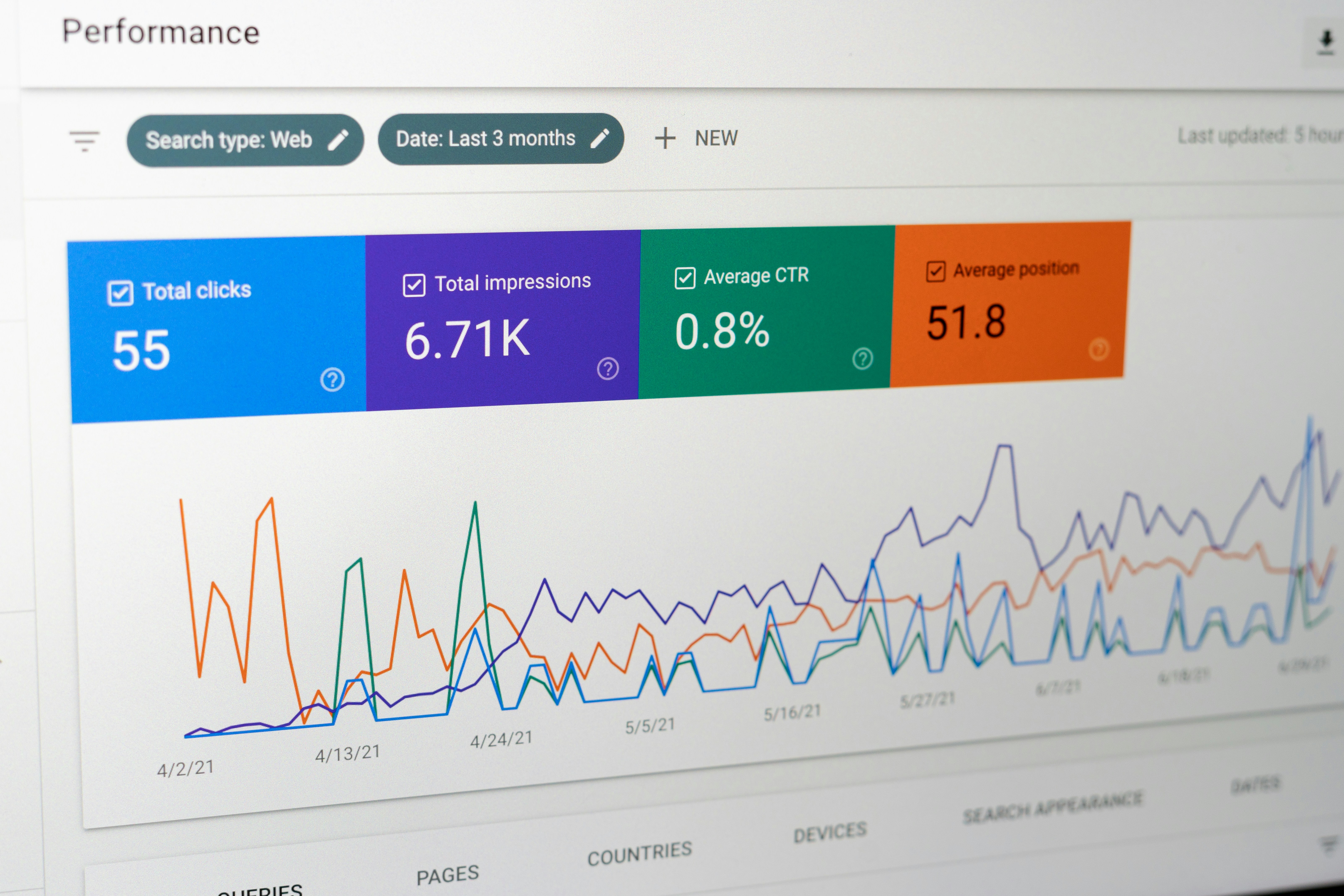
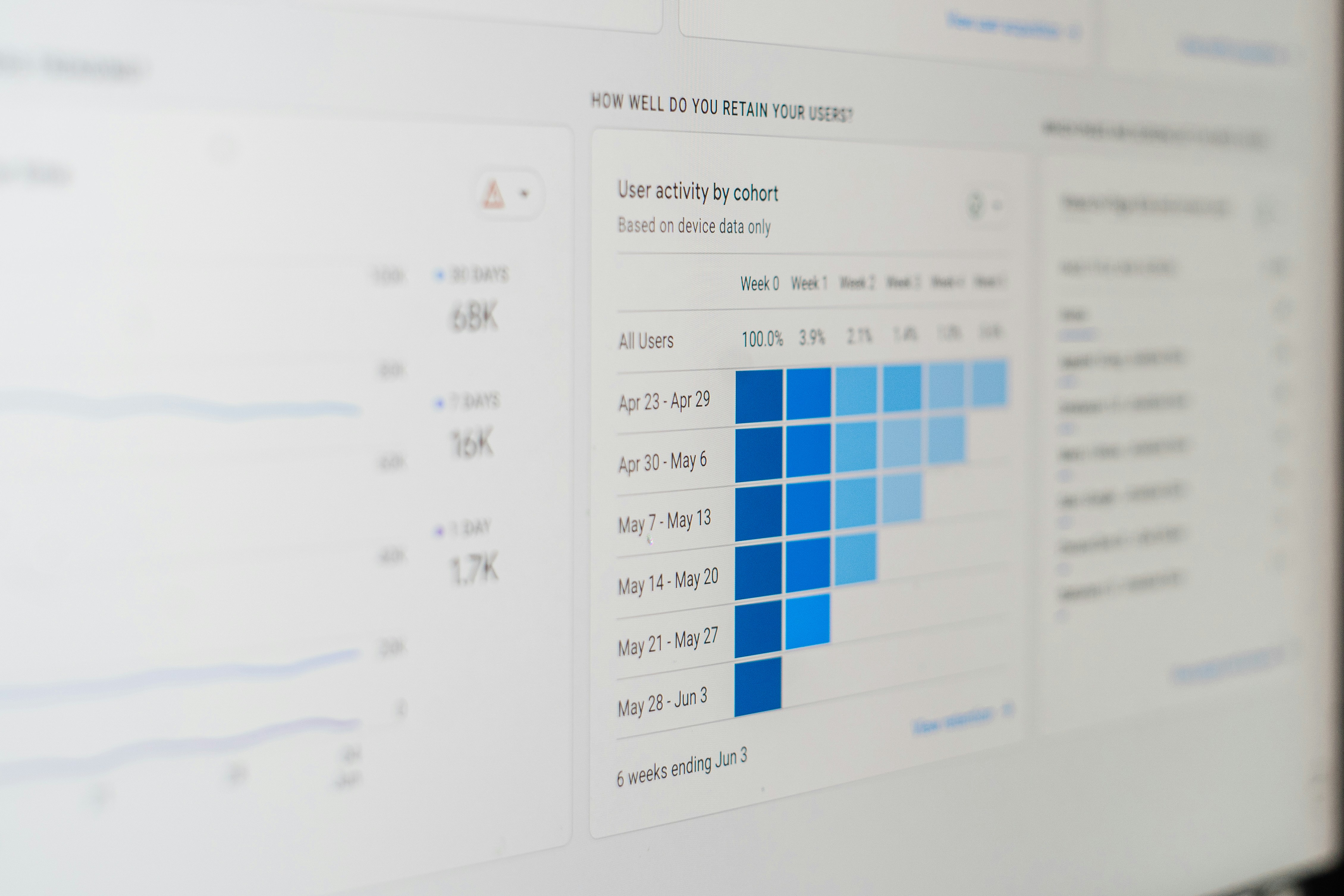
Visualizations are another powerful tool within Looker Studio’s Ads 360 view. Utilizing charts, graphs, and dashboards can transform complex data into easily digestible visual formats. Effective visualizations not only aid in quicker comprehension of key performance indicators (KPIs) but also highlight areas requiring attention. Marketers should endeavor to tailor their visualizations to best represent their data, ensuring clarity and relevance in presentations.
In conclusion, the combination of effective filtering, strategic segmentation, and compelling visualizations empowers marketers to conduct thorough analyses of advertising data in Looker Studio’s Ads 360 view. By implementing these best practices, organizations can unlock the full potential of their data, leading to more informed decision-making and enhanced campaign outcomes.
Case Studies: Successful Use of Looker Studio and Ads 360
Several organizations have successfully utilized Looker Studio in conjunction with Ads 360, revealing the potential of these tools in transforming data insights into actionable strategies. One prominent case is from a major retail company that sought to improve its online advertising effectiveness. By integrating Ads 360 with Looker Studio, the company was able to consolidate data from multiple sources, including website traffic and ad performance metrics, into a single, coherent dashboard. This holistic view allowed the marketing team to identify trends and patterns that informed more effective bidding strategies, ultimately improving return on investment (ROI) for their campaigns.
Another compelling example comes from a global travel agency that faced challenges in tracking campaign performance across various digital channels. Upon implementing Looker Studio with Ads 360, the agency was able to create a customized analytics framework. This framework enabled them to visualize key performance indicators (KPIs) in real-time, facilitating swift adaptations to their advertising strategies. By leveraging these insights, the agency reported a 25% increase in bookings during peak seasons, showcasing the practical benefits of using these tools together.
In the tech sector, a software company utilized Looker Studio and Ads 360 to enhance user acquisition efforts. They employed advanced segmentation techniques that identified high-value audiences based on user behavior and demographics. The integration of these tools facilitated deeper analysis of advertising campaigns, allowing for optimized targeting. As a result, the company saw a significant uptick in user sign-ups, demonstrating the effectiveness of tailored marketing strategies powered by robust data analytics.
These case studies illustrate the profound impact Looker Studio and Ads 360 can have on digital marketing strategies across various industries. By leveraging comprehensive data insights, businesses can not only streamline their advertising efforts but also drive significant growth and performance improvements.
Challenges and Solutions when Using Looker Studio with Ads 360
While Looker Studio provides robust capabilities for visualizing data from Ads 360, users may face several challenges that can hinder their experience. One primary challenge is data discrepancies, which can arise when there is a mismatch between the data being analyzed in Looker Studio and the data recorded in Ads 360. These discrepancies can stem from various factors, including inconsistent reporting time zones or errors in data imports. To address this issue, users should ensure that reporting settings are synchronized across both platforms and verify that data import processes are correctly configured to minimize discrepancies.
Another frequent obstacle encountered is integration issues. Seamlessly connecting Looker Studio to Ads 360 can be complex, especially for users who are unfamiliar with both systems. To mitigate these integration challenges, it is advisable to follow step-by-step guides provided in official documentation while also considering the utilization of integration tools provided by Google. Furthermore, users should regularly check for updates or troubleshooting FAQs that might address common integration problems.
The learning curve associated with Looker Studio can also pose significant challenges for new users. Although the platform is designed to be intuitive, the array of features may initially overwhelm users lacking prior experience in data visualization. To assist in overcoming this challenge, users are encouraged to engage in training sessions or tutorials that cover best practices for using Looker Studio with Ads 360. These resources can provide valuable insights into leveraging the platform effectively and efficiently.
By proactively addressing these challenges—such as ensuring data consistency, streamlining integration processes, and investing in training—users can maximize their experience with Looker Studio and Ads 360 while unlocking valuable data insights.
Conclusion: The Future of Looker Studio and Ads 360
Throughout this exploration of Looker Studio’s innovative Ads 360 view, we have illuminated the numerous benefits that this tool offers to marketers. By providing a comprehensive and holistic view of advertising performance across various channels, Looker Studio empowers users to make data-driven decisions that enhance campaign effectiveness. The seamless integration of Ads 360 into Looker Studio allows for easier data manipulation, better visualization, and facilitates a deeper understanding of consumer behavior, ultimately leading to more effective marketing strategies.
As we reflect on the importance of the Ads 360 view, it is evident that these advancements will significantly influence advertising analytics in the future. Marketers can anticipate that continuous enhancements to Looker Studio will entail more sophisticated analytics capabilities, improved user interfaces, and expanded integration options with other digital marketing tools. With the increasing reliance on data for marketing decisions, Looker Studio is poised to become an essential asset for businesses striving for greater precision and insight in their advertising efforts.
Looking forward, the potential for further developments in Looker Studio’s functionality, especially in relation to Ads 360, remains promising. Speculation surrounding machine learning integration and AI-driven analytics may revolutionize how marketers interpret data trends and consumer insights. Additionally, enhanced real-time data processing could allow advertisers to make quicker decisions, thereby increasing return on investment (ROI) for their campaigns.
Ultimately, the value of Looker Studio’s Ads 360 view transcends basic reporting; it lays the groundwork for a future where marketers leverage powerful analytics to optimize their advertising strategies. As we move forward, stakeholders in the marketing landscape should remain attentive to further innovations within Looker Studio, as they will indubitably shape the future of advertising analytics and drive greater success in marketing campaigns.