
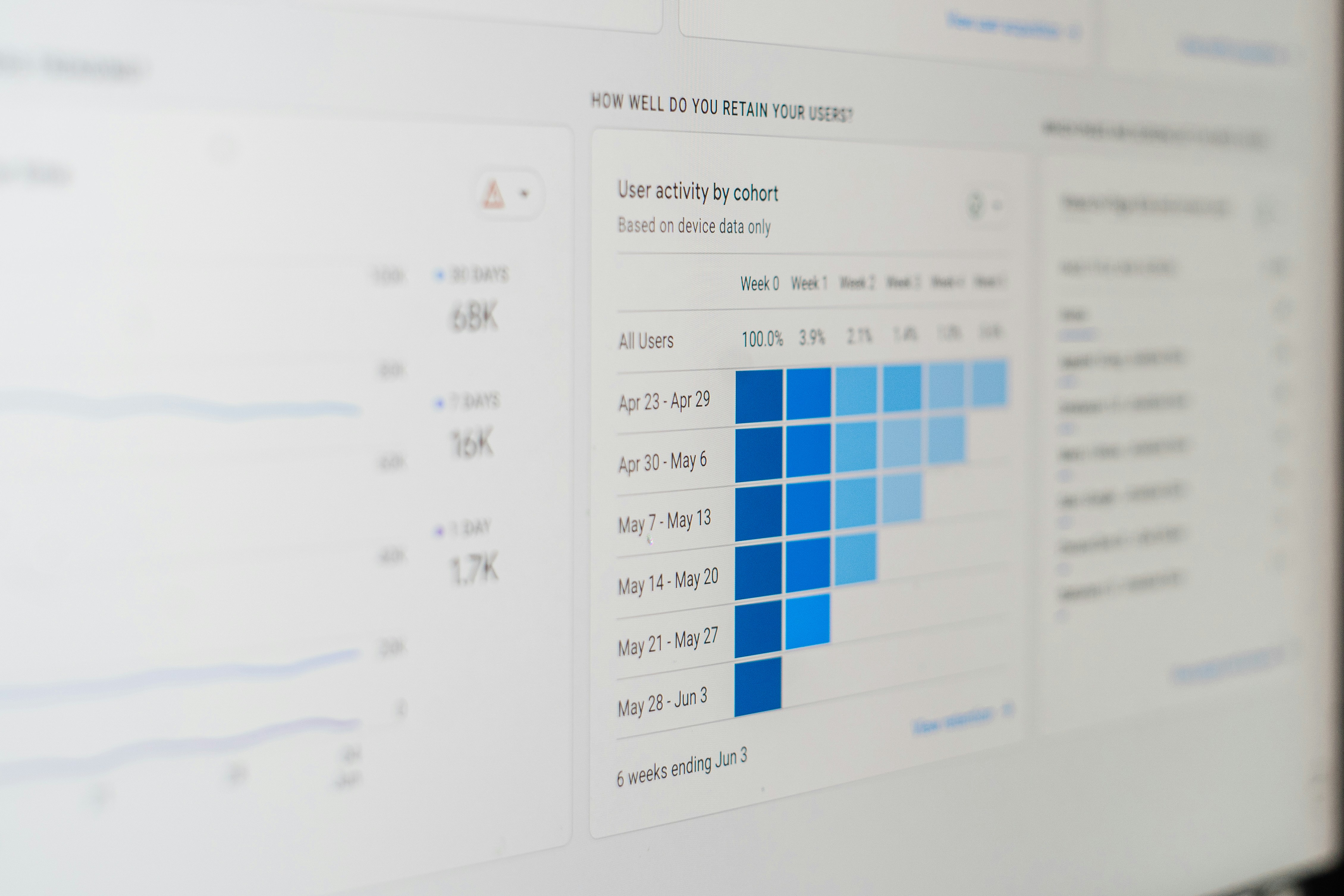
Introduction to the Looker Studio Illumin Dew Point Meter
The Looker Studio Illumin Dew Point Meter is an advanced instrument designed for precise measurement of dew point temperature, which is crucial in various environmental and industrial applications. Its primary purpose is to monitor the atmospheric conditions that can lead to condensation, thereby aiding in the optimization of climate control processes. Understanding dew point measurements is vital, especially in sectors such as HVAC (Heating, Ventilation, and Air Conditioning) systems, greenhouse management, and manufacturing processes where humidity control is essential.
The functionality of the Looker Studio Illumin Dew Point Meter enables users to assess humidity levels accurately, translating them into actionable data that can mitigate risks associated with high humidity, such as mold growth and equipment corrosion. This instrument employs cutting-edge technology to guarantee reliable measurements, ensuring that facilities can maintain ideal conditions for equipment performance and product quality.
Accurate dew point measurement is particularly important in HVAC systems, as it helps regulate temperature and moisture levels within buildings, enhancing energy efficiency and occupant comfort. Additionally, in greenhouse management, monitoring the dew point is integral to optimizing plant health, preventing excess humidity that can lead to diseases. In industrial settings, controlling the dew point within a production environment can prolong equipment lifespan and maintain quality control standards.
By utilizing the Looker Studio Illumin Dew Point Meter, professionals in these fields can achieve heightened awareness of their environmental conditions. This, in turn, enables them to make informed decisions regarding ventilation, temperature regulation, and moisture control, ultimately leading to improved operational efficiency and decreased operational costs. Thus, understanding this sophisticated instrument lays the foundation for exploring its specifications, benefits, and applications in subsequent sections of this guide.
Understanding Dew Point and Its Significance
Dew point is a critical temperature at which air becomes saturated with moisture, leading water vapor to condense into liquid water. This concept is paramount in the fields of meteorology, HVAC (Heating, Ventilation, and Air Conditioning), and materials science. Understanding dew point is essential for effective climate control, as it helps maintain optimal indoor environments by preventing excessive humidity. High dew points often indicate higher moisture content in the air, which can lead to discomfort, mold growth, and damage to property.
The relationship between dew point, temperature, and humidity is complex. As the temperature increases, the air can hold more moisture; however, if the dew point remains constant, the humidity can become detrimental, especially in industrial applications. For instance, in environments requiring precise humidity control, such as server rooms or laboratories, monitoring the dew point allows for adjustments in ventilation and air conditioning to mitigate potential problems related to condensation.
Dew point measurements play an integral role across various industries. In agriculture, for example, farmers monitor dew point to assess moisture levels for crop health, anticipating dew formation which can impact plant disease spread. In the food industry, proper dew point control is crucial for preserving product integrity and extending shelf life. Likewise, in manufacturing processes, particularly in paint and coating applications, managing dew point effectively is necessary to prevent defects due to moisture on surfaces prior to treatment.
By comprehensively understanding dew point, industries can optimize operations, maintain quality, and safeguard both their products and environments from the adverse effects of humidity and condensation.
Key Features of Looker Studio Dew Point Meter
The Looker Studio Illumin Dew Point Meter is designed with a variety of features that prioritize accuracy, efficiency, and user-friendliness. This advanced device excels in its measurement range, providing users with the capability to gauge dew points from as low as -40°C to as high as +60°C, making it suitable for a wide range of applications including environmental monitoring and industrial processes.
One of the standout characteristics of the Looker Studio dew point meter is its impressive accuracy. With a precision rating of ±1°C, users can trust the readings provided, thus enhancing reliability in critical situations. This level of accuracy is vital for industries where small deviations in temperature and humidity can lead to significant operational challenges. Furthermore, the device boasts a rapid response time of just a few seconds, allowing for real-time data analysis and immediate feedback.
The user interface is another critical aspect where the Looker Studio dew point meter excels. Featuring a clear, backlit LCD display, users can easily read measurements even in low-light conditions. The interface is designed to be intuitive, making it simple for technicians and operators of varying skill levels to navigate the settings without extensive training. Additionally, the device includes functionalities such as data logging and the ability to export data to a PC for further analysis, which adds to its versatility.
What truly sets the Looker Studio Illumin Dew Point Meter apart from competitors is its durable construction and portable design. Built to withstand harsh conditions, this dew point meter is an ideal tool for both fieldwork and laboratory settings. Overall, its combination of measurement range, accuracy, quick response time, and user-oriented features makes it a leading choice in the market.
Applications of the Looker Studio Illumin Dew Point Meter
The Looker Studio Illumin Dew Point Meter is an essential instrument that finds applications across various sectors, due to its capacity to provide accurate and reliable temperature measurements necessary for evaluating moisture levels in the air. One of the significant applications is in the agricultural sector, where maintaining appropriate humidity levels is critical. Farmers utilize the dew point meter to monitor environmental conditions, ensuring crops receive the optimal amount of moisture, thereby enhancing yield quality and quantity. For instance, by monitoring the dew point, farmers can protect sensitive crops from mold and mildew that thrive in high moisture levels.
In the HVAC industry, the Looker Studio Illumin Dew Point Meter plays a vital role in enhancing energy efficiency. Engineers and technicians use the meter to calibrate systems to maintain comfortable humidity levels within buildings. By optimizing the dew point measurements, HVAC systems can be adjusted to operate more efficiently, which can lead to reduced energy consumption and costs. For example, a recent case study highlighted how a commercial building reduced energy costs by 15% after implementing dew point monitoring across its HVAC systems.
Furthermore, the food storage sector benefits significantly from the usage of the Looker Studio Illumin Dew Point Meter. It helps ensure that products are stored within optimal humidity ranges to prevent spoilage. In warehouses where perishable goods are stored, accurate dew point readings inform managers when to adjust climate controls to maximize product lifespan. A notable example is a large food distribution center that successfully extended the shelf life of fruits and vegetables by closely monitoring and adjusting dew point levels.
Lastly, in manufacturing, the dew point meter is crucial for ensuring product integrity. It is used in processes where moisture control can affect product quality, such as in textiles or pharmaceuticals. Companies investing in dew point monitoring systems report fewer defects and improved product consistency.
Installing and Setting Up the Looker Studio Illumin Dew Point Meter
Setting up the Looker Studio Illumin Dew Point Meter is crucial for achieving accurate readings and effective monitoring of atmospheric conditions. The installation process can be broken down into several clear steps, ensuring a smooth setup and optimal performance.
First, unbox the device carefully and check all components against the included checklist. Ensure that the power adapter and any necessary cables are present. Next, select an appropriate location for the dew point meter. This should be a spot that is free from direct sunlight and away from any potential obstructions, allowing for accurate environmental readings.
Once the location is determined, mount the device securely to the wall or place it on a stable surface. Be aware of the manufacturer’s guidelines regarding installation height and orientation. After securing the device, connect it to the power source to initiate the startup process. The Looker Studio Illumin Dew Point Meter should display a startup screen, indicating that it is ready for further setup.
Next, calibrate the device according to the instructions provided in the user manual. Calibration is essential as it ensures the readings are accurate and reliable. This process may involve setting the meter to specific environmental conditions, which can typically be accomplished via the device’s menu options.
After calibration, it is time to connect the dew point meter to Looker Studio. This can usually be done through Wi-Fi or Ethernet, depending on your model. Follow the prompts on the device screen to connect it to your network. Ensure that your Looker Studio account is configured correctly to receive data from the instrument. Verification after setup is critical; you can test the connection by logging into the Looker Studio dashboard and checking for live data feeds from your dew point meter.
By following these steps, you will have successfully installed and configured your Looker Studio Illumin Dew Point Meter, ready to gather essential humidity and temperature data effectively.
Interpreting the Data from the Dew Point Meter
Understanding the readings from the Looker Studio Illumin Dew Point Meter is crucial for leveraging its potential across various applications. The dew point is the temperature at which air becomes saturated with moisture, leading to condensation. Therefore, when interpreting its data, one must focus on both the dew point temperature and the actual temperature of the environment. The difference between these values provides valuable insights into humidity levels.
In commercial settings, particularly in climate control and HVAC systems, maintaining optimal indoor air quality is essential. The dew point meter helps in monitoring and managing humidity by providing real-time data. For instance, a high dew point reading suggests a high moisture level in the air which may lead to discomfort or even mold growth, hence immediate action may be required. Conversely, a low dew point could indicate dry air, potentially causing respiratory issues and discomfort among occupants.
Key performance indicators (KPIs) to focus on include the current dew point value, the trend over time, and the relationship between dew point and temperature. By analyzing these metrics, users can forecast weather patterns, adjust environmental conditions, and create strategies to mitigate potential health risks associated with humidity.
Furthermore, data from the dew point meter can be critically analyzed to enhance energy efficiency in building management systems. For instance, integrating this data with HVAC systems can optimize running costs while maintaining comfort levels. Therefore, understanding how to interpret and apply this data becomes an essential skill for facility managers, engineers, and health professionals alike.
Maintenance and Troubleshooting Tips
To ensure the optimal performance of the Looker Studio Illumin Dew Point Meter, regular maintenance and effective troubleshooting are essential. Periodic checks and basic upkeep can significantly extend the lifespan and functionality of the device. Firstly, it is advisable to conduct routine inspections at least once a month. Examine the exterior for any signs of damage, such as cracks or moisture accumulation. Ensure that the device is placed in an environment that is free from excessive dust or contaminants, as these could affect its accuracy.
Calibration is another critical aspect of maintaining accuracy. Users should recalibrate the Looker Studio Illumin Dew Point Meter semi-annually or when it has been moved to a new location. This step ensures that the device continues to provide precise readings, as environmental changes can impact its performance.
Common issues that users might encounter include inaccurate readings or sudden power failures. If the readings appear inconsistent, the first step is to check the sensor for obstructions or damages. A clean, dry cloth can be employed for gentle cleaning of the sensor area. In the event of power failure, verify whether the device is correctly plugged in and if the outlet is functional. For battery-operated models, replacing the batteries regularly ensures uninterrupted operation.
Furthermore, consulting the user manual can provide specific guidance tailored to the Looker Studio Illumin Dew Point Meter. It is a valuable resource that includes troubleshooting steps for various problems, thus empowering users to solve issues effectively. Regular maintenance and timely troubleshooting not only promote the device’s accuracy but also enhance user experience, resulting in reliable performance over time.
User Experiences and Testimonials
The Looker Studio Illumin Dew Point Meter has garnered attention across various industries, primarily due to its accuracy and ease of use. Many users have shared their experiences, highlighting how this sophisticated instrument has positively influenced their operations.
One user from the agricultural sector noted, “The Looker Studio Illumin Dew Point Meter has transformed our irrigation management. By accurately measuring dew points, we can better determine the optimal times for watering, which has resulted in a notable increase in crop yield. The precision of this meter gives us confidence in our decisions.” This testimonial reflects the critical role the device plays in enhancing agricultural productivity.
In the HVAC industry, a technician stated, “We rely heavily on the Illumin Dew Point Meter for our climate control projects. The readings are consistent, allowing us to optimize our systems efficiently. Its user-friendly interface makes it accessible for our entire team, regardless of their technical background.” This feedback underscores the instrument’s versatility and reliability in varying workplace settings.
Moreover, a manufacturing engineer expressed satisfaction with the meter’s performance in ensuring product quality. “In our line of work, even slight variations in humidity can spoil a batch. Thanks to the Looker Studio dew point meter, we can continuously monitor air conditions, significantly reducing waste and improving our production process. I highly recommend this equipment to anyone serious about quality control.”
These testimonials illustrate the diverse applications of the Looker Studio Illumin Dew Point Meter and its indispensable role in various operational procedures. Users across sectors emphasize its performance and reliability, making it an essential tool for professionals aiming for efficiency and excellence in their respective fields.
Conclusion and Future Trends in Dew Point Measurement
Throughout this comprehensive guide on the Looker Studio Illumin Dew Point Meter, we have explored various aspects of dew point measurement, its significance in different industries, and the technological innovations that enhance measurement accuracy. Dew point measurement is critical for applications ranging from HVAC systems to industrial processes, and the ability to monitor humidity levels effectively aids in maintaining optimal conditions for comfort and equipment performance.
The Looker Studio Illumin Dew Point Meter exemplifies how advanced technology can streamline monitoring processes, providing users with precise measurements in real-time. As industries become increasingly dependent on accurate environmental data, devices such as the Illumin Dew Point Meter will continue to evolve, integrating more sophisticated features such as wireless connectivity, cloud-based analytics, and enhanced user interfaces. These advancements will improve data accessibility and facilitate better decision-making processes.
Looking ahead, we can anticipate several trends in the field of dew point measurement technology. One potential development is the incorporation of artificial intelligence and machine learning algorithms, allowing devices to adapt their measurements based on specific conditions and historical data patterns. Additionally, the push for sustainability and energy efficiency could drive innovations that focus on minimizing environmental impact while maximizing performance. These enhancements will likely offer users not only improved accuracy but also an opportunity to reduce operational costs.
Furthermore, as the adoption of smart building technologies increases, the integration of dew point measurement tools into comprehensive climate control systems may become standard practice. This would ensure that environmental systems operate at their peak efficiency, ultimately contributing to energy savings and improved indoor air quality. In conclusion, the future of dew point measurement appears promising, marked by technological advancements that will benefit various sectors and improve user experience.