Introduction to Looker Studio
Looker Studio is a modern data analytics platform designed to assist organizations in visualizing their data comprehensively. By providing a robust suite of analytics tools, it enables users to transform raw data into actionable insights, thereby facilitating informed decision-making across various levels of an organization. Looker Studio stands out in a crowded market of business intelligence solutions due to its focus on user empowerment and data accessibility.
The primary purpose of Looker Studio is to enhance data literacy among users, making it easier for individuals, regardless of their technical skill level, to engage with complex datasets. By creating interactive dashboards and reports, Looker Studio fosters a culture of data-driven decision-making within teams. Organizations can leverage these tools not only to interpret historical performance but also to forecast trends and identify opportunities for growth.
One of the defining features of Looker Studio is its ability to integrate seamlessly with various data sources, enabling users to connect their platforms and retrieve real-time information. This interconnectedness plays a critical role in ensuring that the insights generated are both relevant and timely. Furthermore, Looker Studio supports collaboration among team members, allowing multiple users to share findings, comments, and visualizations easily. This collaborative environment strengthens the organization’s capacity to make collective strategic choices based on their data analyses.
Ultimately, Looker Studio seeks to bridge the gap between technical and non-technical users, democratizing access to data analytics. By simplifying the process of data exploration and visualization, it equips organizations with the necessary tools to enhance their operational efficiency and drive innovation. Embracing a platform like Looker Studio represents a significant step towards cultivating a data-centric workforce capable of navigating the complexities of modern business landscapes.
User-Friendly Interface and Navigation
Looker Studio boasts an intuitive user interface that greatly enhances user experience, making data exploration accessible to individuals of varying skill levels. This focus on usability is exemplified in its clean and organized dashboard layout. Users are greeted with a well-structured home screen that facilitates a seamless entry into their data projects. The first impression of the interface is that it is reminiscent of popular web applications, which helps alleviate the learning curve for new users.
Navigating through Looker Studio is simplified by strategically placed menu options that offer quick access to essential functionalities. The top navigation bar includes easy-to-identify icons for dashboard creation, report generation, and data exploration, ensuring users can efficiently move between tasks. Furthermore, the use of dropdown menus keeps the interface uncluttered while still providing a comprehensive range of features. The navigation system is designed to empower users to find the tools they need without feeling overwhelmed.
Customization features in Looker Studio also contribute to its user-friendly nature. Users can tailor their dashboards by adding or rearranging widgets based on their unique preferences, allowing them to prioritize the most relevant data. This adaptability is crucial for various use cases, whether one is developing detailed reports for stakeholders or generating quick insights for team discussions. Additionally, the ability to save and share customized views ensures that users can collaborate effectively with colleagues, fortifying teamwork within the application.
In summary, the user interface and navigation of Looker Studio play a pivotal role in its functionality, allowing users to efficiently access and analyze their data. By emphasizing ease of use, Looker Studio underscores its commitment to providing an accessible analytics environment for all users.
Data Connectivity and Integration
Looker Studio offers a comprehensive suite of data connectivity capabilities, allowing users to smoothly integrate various data sources into their workflow. One of the platform’s notable features is its ability to connect with a wide array of databases, including mainstream options such as MySQL, PostgreSQL, and Microsoft SQL Server, as well as cloud-based data solutions like BigQuery and Snowflake. This extensive compatibility enables users to draw insights from virtually any environment, ensuring that organizations can leverage their existing data pools effectively.
In addition to traditional databases, Looker Studio also seamlessly integrates with cloud storage solutions including Google Cloud Storage, Amazon S3, and Microsoft Azure. This functionality empowers users to access data stored in the cloud without cumbersome transfer processes. Integrating third-party applications further expands Looker Studio’s capabilities. It supports various APIs and platforms, allowing users to pull data from popular tools such as Salesforce, HubSpot, and Zendesk, thereby fostering a more holistic view of organizational data.
The process of setting up and managing data connections within Looker Studio is designed to be user-friendly. The platform provides an intuitive interface that guides users through each step of the integration process. Once connections are established, users can easily manage and modify data configurations directly from the Looker Studio dashboard. Advanced functionalities, such as parameterized queries and connection pooling, enhance performance and ensure efficient data handling. With robust documentation and community support, the platform facilitates a smooth integration experience, making it suitable for both novice and experienced users alike.
By leveraging the powerful data connectivity capabilities of Looker Studio, organizations can create a dynamic and insightful data environment, allowing for informed decision-making and strategic planning across various departments.
Data Visualization Options
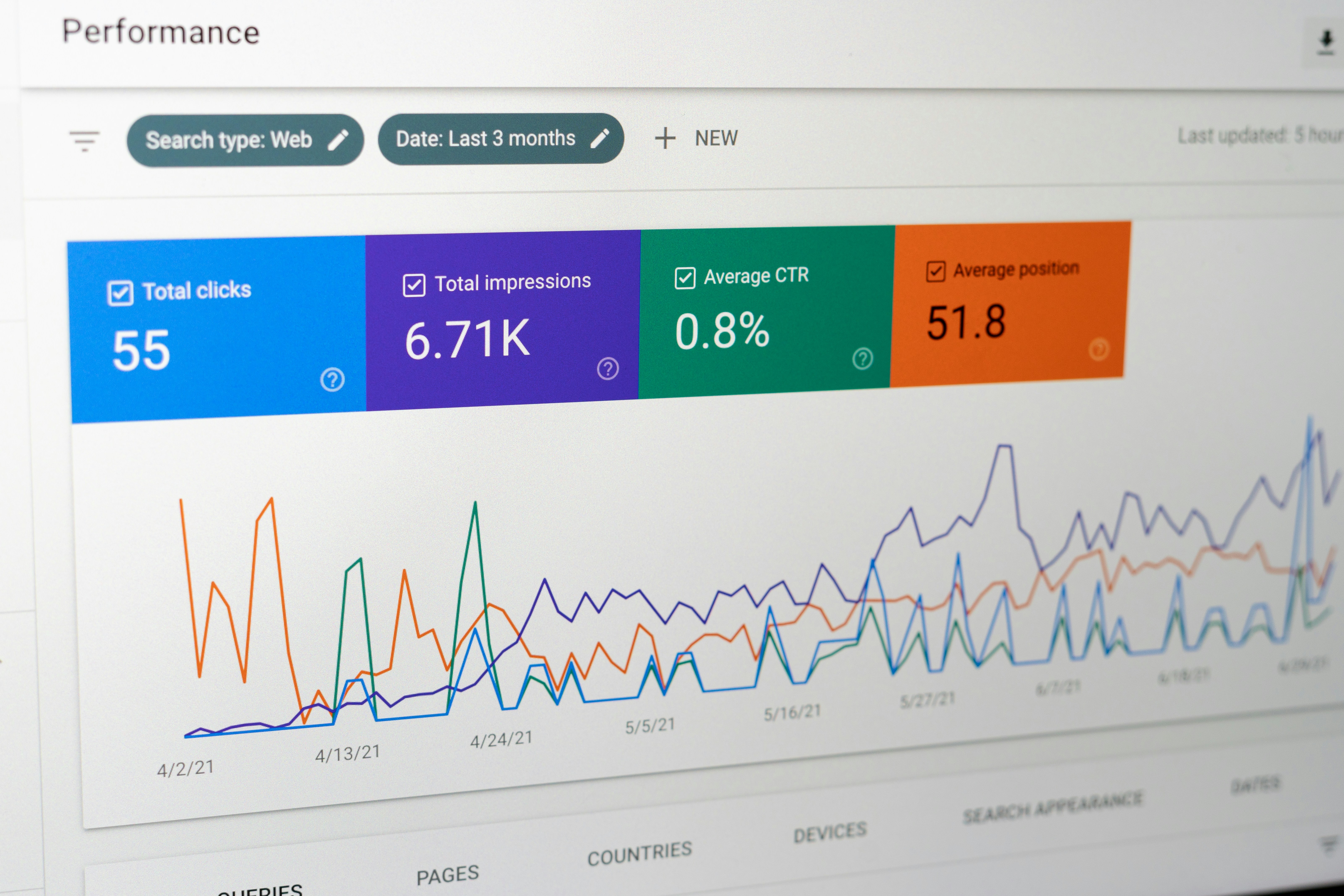
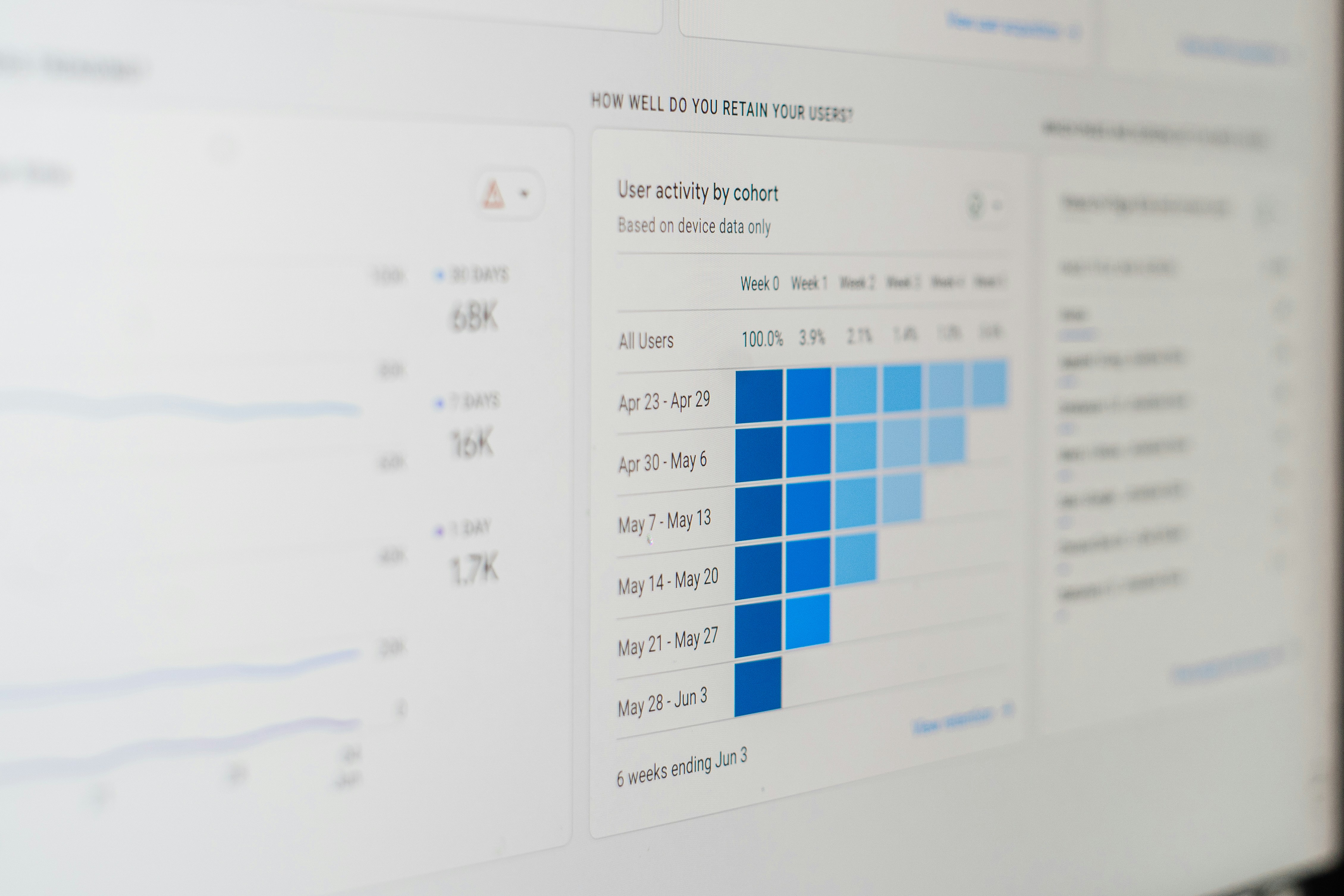
Looker Studio offers a comprehensive array of data visualization options that empower users to effectively represent and analyze their data. The platform enables the creation of various types of charts, graphs, and tables, catering to the unique requirements of different datasets and analytical goals. Users can choose from traditional graph types such as line, bar, and pie charts, which are essential for illustrating trends, comparisons, and distributions across datasets. For more complex data points, Looker Studio supports advanced visualizations like scatter plots, heat maps, and geo maps, providing deeper insights into geographical patterns or correlations among multiple variables.
One of the standout features of Looker Studio is the flexibility it offers in customizing these visualizations. Users can adjust colors, fonts, and other design elements to align the visuals with their branding or preferences. This customization extends to the ability to modify axes, labels, and legends, ensuring that data is presented clearly and accurately. Additionally, Looker Studio provides interactive components such as drill-downs and filters, allowing users to engage with the visualizations dynamically. This interactivity enhances the exploration of data, enabling users to uncover hidden insights through real-time adjustments.
Furthermore, Looker Studio’s integration capabilities facilitate seamless connections with various data sources, ensuring users can easily pull in data for visualization without extensive manual processes. This integration simplifies the workflow, allowing analysts to spend more time interpreting data rather than spending hours on data gathering. The combination of diverse visualization options and advanced customization features positions Looker Studio as a powerful tool for data presentation. The ability to tailor visualizations to suit specific analytical objectives makes Looker Studio not just a data representation tool, but a robust platform for data-driven decision-making.
Collaboration and Sharing Features
Looker Studio offers a robust suite of collaboration and sharing features designed to enhance teamwork and streamline data-driven decision-making. The platform allows users to create interactive reports and dashboards, which can be shared seamlessly with team members and stakeholders. This capability is essential for organizations that rely on collective insights to drive their strategies. Users can share their creations via email, direct links, or by embedding them into existing web pages or applications, making accessibility effortless.
One of the critical aspects of Looker Studio’s collaborative capabilities is its comprehensive permissions settings. Administrators can define who has access to each report, enabling them to manage viewing, commenting, and editing rights. This granular control ensures that sensitive data is safeguarded while still promoting a culture of collaboration. For example, a user who only requires view access can be granted that permission without being able to alter the data or reports. This aspect of Looker Studio emphasizes the platform’s commitment to maintaining security alongside collaborative efficiency.
Additionally, Looker Studio’s interactive features allow for real-time feedback and discussions among team members. Users can comment on specific data points or sections of reports, providing context and insights that facilitate richer data interpretation. This feedback loop encourages an environment where all members can contribute their perspectives, significantly enhancing the quality of collective analysis. Furthermore, the integration of chat functionalities and notifications keeps everyone informed of updates and discussions, minimizing the risk of miscommunication.
In conclusion, Looker Studio’s collaboration and sharing features significantly contribute to its utility as a business intelligence tool. By providing multiple sharing options, advanced permission settings, and interactive collaboration tools, it empowers teams to work collectively and make more informed decisions based on shared insights.
Advanced Analytics and Reporting Capabilities
Looker Studio offers a suite of advanced analytics and reporting capabilities that allow organizations to harness the power of their data effectively. One prominent feature is its robust data modeling functionality, which enables users to create a comprehensive data model tailored to their specific needs. This flexibility permits users to define relationships between various data sources, allowing for more accurate and insightful analyses. By structuring data in a manner that reflects business logic, Looker Studio empowers users to generate queries efficiently, thus maximizing productivity.
In addition to data modeling, Looker Studio supports custom calculations. Users can craft calculated fields and implement complex formulas right within their dashboards. This means businesses are not limited to pre-defined metrics; instead, they can derive unique insights that cater to specific analytical requirements. Such customization significantly enhances the analytical capabilities by allowing users to explore and visualize data from different angles, facilitating a deeper understanding of trends and patterns.
Furthermore, the real-time reporting functionality of Looker Studio stands out as a critical advantage for organizations seeking timely insights. By connecting seamlessly with live data sources, users can generate reports that reflect the most current data available. This capability is essential in today’s fast-paced business environment, where timely decision-making can significantly impact outcomes. With the ability to refresh data instantaneously, Looker Studio ensures that users are equipped with the latest information to make informed decisions.
Overall, the advanced analytics and reporting features of Looker Studio allow organizations to perform sophisticated analyses, providing them with the necessary tools to generate actionable insights. By leveraging capabilities such as data modeling, custom calculations, and real-time reporting, users can unlock the full potential of their data, leading to improved business intelligence and strategic decision-making.
Customization and Data Transformation
One of the defining features of Looker Studio is its robust customization capabilities, allowing users to create personalized dashboards and reports that align with specific business objectives. The interface is designed to empower users to tailor their visualizations extensively, ensuring that the most relevant data is presented in an intuitive format. From adjusting color schemes to selecting the appropriate chart types, users have the flexibility to design dashboards that not only convey information effectively but also resonate aesthetically with their audience. This personalized approach enables stakeholders to grasp complex data insights at a glance.
Moreover, Looker Studio offers a variety of templates that serve as starting points for customization, thereby streamlining the design process. Users can modify these templates according to their specific needs, enhancing productivity and reducing the time required to generate insights. The ability to create custom metrics and dimensions adds another layer of personalization, further tailoring reports to meet the distinct requirements of various departments within an organization.
In addition to customization, data transformation is a critical aspect of Looker Studio’s functionality. Users can manipulate and cleanse their data using a series of built-in tools, reinforcing the accuracy of their analysis. Features such as data blending, aggregations, and filtering allow users to streamline complex datasets, making it easier to focus on critical outputs. With these capabilities, Looker Studio not only facilitates the visualization of data but also enhances the integrity of the insights derived from it. This ensures that any analysis conducted is reflective of the most accurate and clean data available.
By integrating both customization and data transformation, Looker Studio stands out as a powerful tool for organizations seeking to leverage data for informed decision-making.
Security and Data Governance
In today’s data-driven landscape, ensuring robust security and data governance is paramount for any analytics platform, including Looker Studio. One of the key security features of Looker Studio is its user authentication process. This provides a systematic approach to verifying the identities of individuals attempting to access the application, thus minimizing the risk of unauthorized access. Looker Studio supports various authentication methods, such as single sign-on (SSO), which enhances convenience while bolstering security.
Another important aspect of Looker Studio’s security framework is its role-based access control (RBAC). With RBAC, administrators can define specific roles within the platform, assigning permissions based on the least privilege principle. This means users are granted access only to the data and functionalities necessary for their tasks, further protecting sensitive information. In a corporate environment, where data privacy is crucial, this feature aids organizations in aligning with compliance and governance policies, ensuring that data is accessed in accordance with regulatory standards.
Furthermore, Looker Studio supports features such as data masking and encryption, which play a significant role in data governance. Data masking makes it possible to hide sensitive information from users who do not require access to it, thus safeguarding personally identifiable information (PII). On the other hand, encryption ensures that data in transit and at rest remains secure, rendering it incomprehensible to unauthorized users. These security measures collectively enhance the integrity of the data managed within the platform.
In conclusion, the combination of authentication, role-based access controls, data masking, and encryption solidifies Looker Studio’s commitment to security and data governance. By leveraging these features, organizations can effectively safeguard their sensitive data while ensuring compliance with necessary governance policies.
Conclusion and Future Trends in Looker Studio
In today’s data-driven world, Looker Studio stands out as a powerful tool that empowers organizations to make informed decisions through meaningful insights. Among its key features are the ability to create customizable reports and dashboards, which allow users to visualize complex data in an easily digestible format. The scalability of Looker Studio enables businesses of all sizes to leverage its capabilities, making it vital for effective data analytics across different sectors. Additionally, the platform’s integration with various data sources ensures that users can work with the most relevant information, leading to enhanced decision-making processes.
As we reflect on the importance of Looker Studio in modern data analytics, it is essential to consider the potential future trends that may shape its evolution. One noticeable trend is the increasing incorporation of Artificial Intelligence (AI) and machine learning into data analysis workflows. These technologies can significantly enhance data processing and predictive analytics capabilities, enabling users to gain deeper insights from their data. The integration of AI within Looker Studio could streamline automation and provide advanced analytics features, thus improving overall efficiency and effectiveness in decision-making.
Moreover, the growing emphasis on data governance and security will likely influence the development of new features within Looker Studio. As organizations become more mindful of data privacy regulations and best practices, Looker Studio may enhance its compliance-related functionalities to assist users in navigating complex legal landscapes while maintaining data integrity. This proactive approach could further solidify Looker Studio’s position as a trusted tool for businesses seeking innovative solutions in data analytics.
Ultimately, as Looker Studio continues to evolve, its ability to adapt to emerging trends will determine its relevance in an ever-changing technological landscape, ensuring it remains a cornerstone in the realm of data analytics.