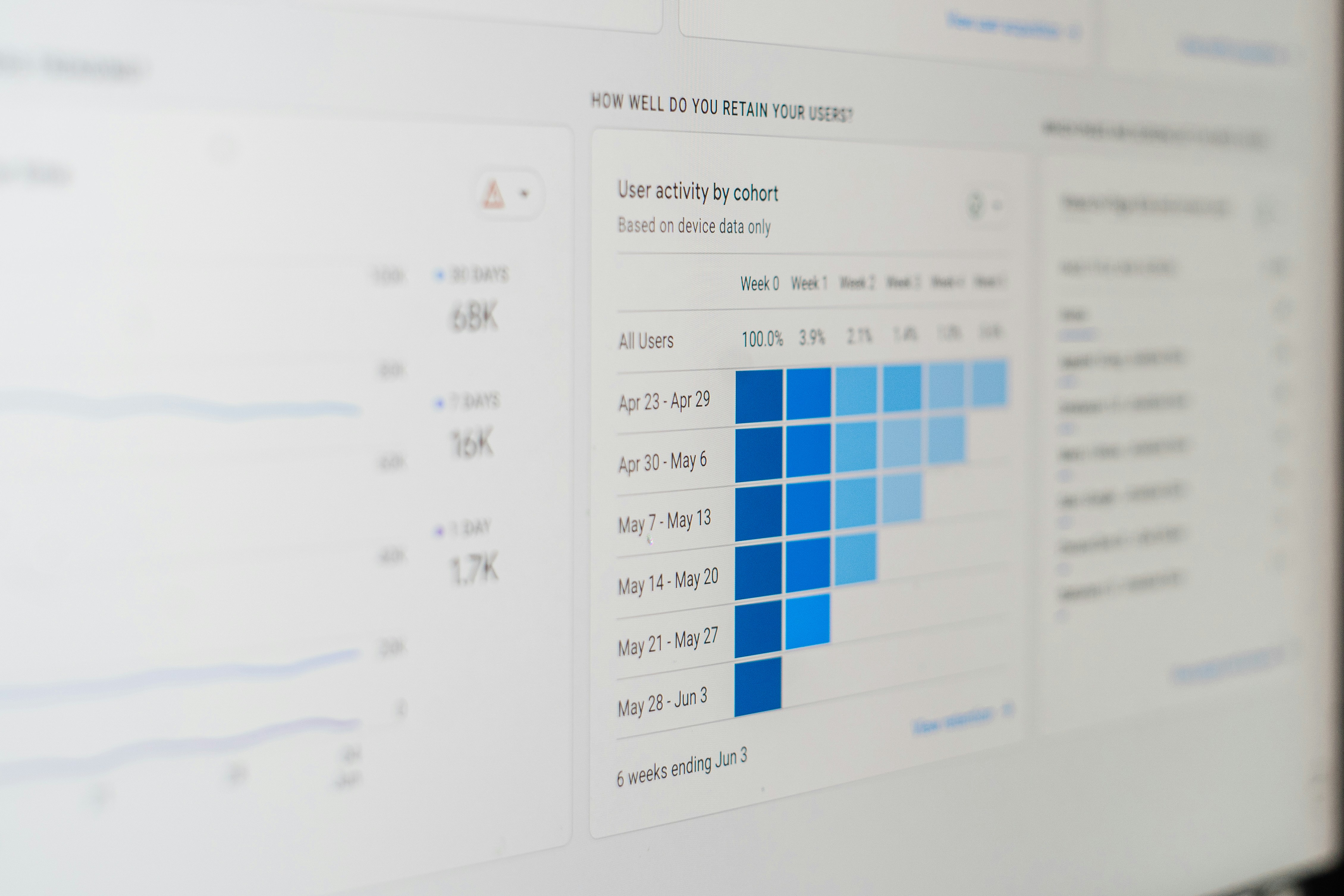
Introduction to Looker Studio
Looker Studio is a sophisticated business intelligence tool designed to facilitate the process of data visualization and reporting for organizations of all sizes. In an era where data-driven decision-making is imperative, Looker Studio enables companies to harness the power of their data to glean meaningful insights. By providing a user-friendly interface and a robust set of functionalities, it transforms the way users interact with their data, allowing for both real-time analysis and historical trend observation.
The primary purpose of Looker Studio is to empower businesses to make informed decisions by presenting data in an easily understandable format. It offers a range of features, including customizable dashboards, data exploration capabilities, and efficient reporting tools. These functionalities allow users to uncover correlations and patterns within their data, facilitating a deeper understanding of their organizational performance. The intuitive design ensures that individuals, regardless of their technical background, can engage with the tool effectively.
One of the notable benefits of Looker Studio lies in its versatility. It can connect with various data sources, enabling seamless integration of information from multiple platforms. This capability allows organizations to centralize their data analysis efforts, eliminating the need for disparate tools and enhancing overall operational efficiency. Furthermore, Looker Studio promotes collaboration through its sharing and exporting features, allowing teams to work together in a streamlined manner.
As companies continue to emphasize the importance of data analytics, Looker Studio stands out as a vital resource in transforming raw data into actionable intelligence. Its ability to provide dynamic visualizations and detailed insights makes it an invaluable asset for businesses looking to refine their strategic approaches and drive growth.
Getting Started with Looker Studio
To effectively harness the power of Looker Studio for data visualization, the first step is to create an account. This process begins by visiting the official Looker Studio website where you will be prompted to sign up or log in if you already possess an account. If you are a new user, the registration typically requires an email verification step to ensure security and authenticity. Once your account is set up, you can access the platform and begin exploring its wide array of features.
Upon logging in, users are greeted with an intuitive dashboard that serves as the central hub for data visualization projects. The interface is designed to facilitate seamless navigation, featuring well-organized menus and toolbars. Understanding the layout is crucial, as it allows users to efficiently locate the necessary tools and functionalities tailored for their specific visualization needs. Key sections of the interface include the data asset manager, which allows users to connect datasets, and the exploration area where the actual data visualizations are built.
One of the standout features of Looker Studio is its ability to integrate various data sources. Whether pulling in data from spreadsheets, databases, or cloud services, users can easily manage connections through the data settings menu. Additionally, Looker Studio provides a diverse selection of visualization options, including charts, tables, and graphs, which can be customized to fit the user’s requirements. Utilizing these features equips users with the capability to create dynamic and informative visual representations of data.
As you begin your journey with Looker Studio, remember that practice and exploration are key. By familiarizing yourself with the interface and experimenting with different features, you will enhance your proficiency in creating impactful visualizations that convey compelling narratives from your data.
Creating and Sharing Reports
Creating reports using Looker Studio is a structured yet flexible process that enables users to harness the power of data visualization. To begin, users can select from a variety of data sources, including databases, spreadsheets, or third-party applications, to feed the reporting tool. After connecting to the desired data source, the initial step involves determining the key metrics and dimensions that will shape the report. This foundation not only provides a clear focus but also ensures that the visualizations align with the objectives of the stakeholders or clients.
Once the data is integrated, users can employ Looker Studio’s extensive suite of visualization options. These range from traditional charts such as bar and line graphs to more advanced formats like heat maps and geo maps. It is essential to select the right type of visualization that best represents the data and conveys the intended message clearly. The platform also allows for customization, meaning users can tweak colors, fonts, and layout styles to create polished and branded reports. Customizing reports to suit the audience is critical; what resonates with a technical team may differ greatly from what engages a non-technical audience.
After crafting the report, sharing it effectively is just as crucial as its creation. Looker Studio streamlines this process with multiple options. Users can generate shareable links, allowing stakeholders to view reports in real-time without the need for unwieldy attachments. Permissions can be easily modified, ensuring that sensitive data is only accessible to authorized users. Additionally, scheduled email reports can be set up, automating the dissemination of important insights. By leveraging these features, organizations can maintain transparency and foster a data-driven culture that encourages informed decision-making.
How to Access Looker Studio Links
Accessing Looker Studio links is a straightforward process that allows users to navigate through the various offerings and resources that the platform provides. These links are essential for both new and existing users, facilitating easier engagement with the platform’s features, support, and community resources. The Looker Studio service offers several key links, including the contact page, service page, and blog page, which serve distinct functions for users.
The first point of access is the contact page. This link provides users with direct access to customer support resources. Whether troubleshooting an issue or seeking clarification on features, the contact page is a valuable resource, ensuring that users can efficiently reach out to service representatives for assistance. Having this information readily available enhances user experience and encourages effective communication.
Next, users can navigate to the service page to gain insights into the various features and tools available within Looker Studio. This page outlines the different functionalities and capabilities offered by the platform, catering to a wide range of data visualization needs. It is particularly beneficial for users looking to leverage data for informed decision-making. By exploring the service page, users can optimize their understanding and utilization of Looker Studio’s offerings.
Finally, the blog page serves as an informative resource, where users can stay updated on the latest trends, tips, and best practices in data visualization. The blog features articles that explore various use cases, industry news, and detailed guides. Engaging with this content can significantly enhance a user’s proficiency with Looker Studio and spark ideas for effective data utilization.
In conclusion, accessing Looker Studio links is essential for leveraging the platform’s full potential. These resources offer critical information and support that enhance the user experience.
Contacting Looker Studio Experts
When delving into the complexities of data visualization tools like Looker Studio, the significance of consulting with experts cannot be overstated. Professional guidance can markedly enhance your understanding and utilization of this powerful platform. Oftentimes, users may encounter challenges that require specialized knowledge or experience to resolve efficiently. This is where reaching out to Looker Studio experts becomes invaluable.
The Looker Studio team provides a streamlined contact page which serves as the gateway for users seeking assistance. By visiting this page, users can access various resources, from straightforward contact forms to direct communication methods. Such avenues facilitate a quick and effective method for addressing queries, troubleshooting issues, or even exploring best practices for tailoring your data visualization needs. Expert support can not only alleviate immediate challenges but also lead to more effective usage of Looker Studio links, ultimately optimizing the decision-making process for your organization.
Furthermore, engaging with professionals who specialize in Looker Studio ensures that users are not merely applying surface-level knowledge. Instead, they can learn to leverage advanced features and functionalities that may not be immediately apparent. This can lead to better data interpretation, more insightful reporting, and an overall improved experience when using Looker Studio. Moreover, the expertise offered can translate to enhanced collaboration across teams, as individuals are better equipped to communicate insights and findings derived from well-structured data visualizations.
In conclusion, contacting Looker Studio experts is an essential step for anyone looking to maximize their use of the platform. Whether you are a novice or an experienced user, the support provided by the professionals can serve to elevate your data visualization efforts significantly.
Exploring Looker Studio Services
Looker Studio offers a robust suite of services designed to cater to the diverse needs of businesses and organizations aiming to harness the power of data visualization. Central to its offerings is data analytics, which enables users to access, analyze, and interpret complex data sets with ease. With Looker Studio, businesses can integrate various data sources, providing a unified view that supports data-driven decision-making. This service empowers users to derive actionable insights, enhancing operational efficiency and strategic planning.
In addition to data analytics, Looker Studio excels in custom reporting services. The platform allows users to create tailored reports that align with specific business objectives, ensuring that stakeholders receive the most relevant information. These custom reports can be effortlessly generated and shared, enhancing collaboration and facilitating timely responses to market changes. Organizations can thus monitor key performance indicators (KPIs) effectively, ensuring that they remain competitive in their respective industries.
Another significant feature offered by Looker Studio is its advanced visualization capabilities. The platform transforms raw data into visually appealing graphics and dashboards that are easily interpretable. Users can select from a range of visualization options, including bar charts, line graphs, and pie charts, allowing for flexibility in presenting data. These visualizations not only make complex data more understandable but also enhance stakeholder engagement during presentations and discussions.
For further exploration of Looker Studio links and its comprehensive range of services, readers are encouraged to visit the service page directly. This resource provides additional insights into how Looker Studio can be leveraged to optimize data analysis, custom reporting, and visual representation of data insights, paving the way for improved business intelligence.
Latest Insights and Updates from the Blog
Staying informed through regular engagement with the latest blog posts related to Looker Studio is pivotal for users aiming to harness the full potential of data visualization. The blog serves as a valuable resource for insights, tips, and updates that can significantly enhance one’s understanding and application of Looker Studio links. Regularly exploring this content allows users to stay abreast of new features, best practices, and innovative methods for leveraging data visualization tools effectively.
Recent articles emphasize the transformative impact of Looker Studio on data analysis and reporting. As more organizations adopt data-driven decision-making, the blog features discussions on integrating Looker Studio with various data sources, optimizing visualization techniques, and streamlining workflows. These posts not only inform readers about the foundational aspects of Looker Studio but also delve into advanced functionalities that cater to both novice and experienced users.
Moreover, the blog periodically showcases user success stories, illustrating practical applications of Looker Studio in diverse industries. These case studies serve as inspiring examples of how effective data visualization can lead to actionable insights and better business outcomes. Additionally, the blog offers tutorials that walk users through specific features, ensuring they can maximize the potential of Looker Studio links in their analytical endeavors.
Engaging with the latest insights and updates from the blog is essential for anyone looking to elevate their data visualization capabilities. By tapping into this rich repository of information, readers can ensure not only that they are utilizing Looker Studio to its fullest extent but also that they are keeping pace with the rapidly evolving landscape of data analytics.
Benefits of Using Looker Studio
Looker Studio offers a multitude of advantages that cater to businesses looking to elevate their data analysis processes. One of the primary benefits is enhanced data understanding. By leveraging intuitive visualizations, users can interpret complex datasets more effectively. This capability transforms abstract data into actionable insights, allowing stakeholders to grasp trends and patterns without needing advanced analytics skills. Consequently, organizations can make more informed decisions based on data-driven insights.
Moreover, Looker Studio significantly improves decision-making capabilities. With real-time data access and the ability to develop customized dashboards, users can monitor key performance indicators (KPIs) and metrics tailored to their specific business needs. This immediacy of information empowers teams to respond swiftly to market changes, operational challenges, or opportunities, ensuring that decision-makers can act with confidence and precision. As a result, organizations that utilize looker studio links benefit from a proactive rather than reactive decision-making approach.
Another noteworthy advantage lies in improved collaboration across teams. Looker Studio enables seamless sharing of insights and reports among team members, fostering a culture of transparency and shared knowledge. Its user-friendly interface encourages participation from diverse departments, breaking down silos and enhancing teamwork. By facilitating cross-functional collaboration, businesses can integrate different perspectives into the decision-making process, leading to more comprehensive strategies and innovative solutions.
Additionally, with Looker Studio’s ability to centralize data from various sources, organizations can maintain a singular narrative of their performance. This integration not only saves time in data preparation but also ensures consistency in reporting. By unifying disparate datasets, businesses can unlock deeper insights that would be hard to achieve using fragmented systems. These benefits highlight how Looker Studio not only streamlines data visualization but also transforms the overall approach to data management and collaboration across organizations.
Conclusion and Future Considerations
In summary, Looker Studio presents a robust platform for data visualization that empowers organizations to transform their raw data into meaningful insights. One of the most significant takeaways from this guide is the emphasis on utilizing Looker Studio links to create streamlined and interactive dashboards. By integrating various data sources, users can explore their data from multiple perspectives, enhancing decision-making processes across different departments.
Moreover, the intuitive design of Looker Studio allows users, regardless of their technical proficiency, to engage with data effectively. It encourages a culture of data-driven decision-making, where insights derived from visual representations can significantly influence strategic planning. The collaborative features within Looker Studio further facilitate teamwork, enabling users to share dashboards and findings seamlessly, which is crucial for promoting transparency and data literacy within organizations.
As we look towards the future, the potential impact of Looker Studio on data strategies is considerable. Organizations should continually assess how they can leverage Looker Studio links to adapt to the evolving landscape of data analytics. Keeping abreast of updates and enhancements to the platform will be beneficial, as it allows teams to utilize the latest tools and features available in data visualization.
Finally, as more businesses recognize the importance of data in driving performance and innovation, the role of platforms like Looker Studio will only become more pronounced. Strategy teams and decision-makers should prioritize learning and implementing these visualization techniques to harness the full potential of their data, transforming challenges into opportunities for growth and expertise in data analytics.