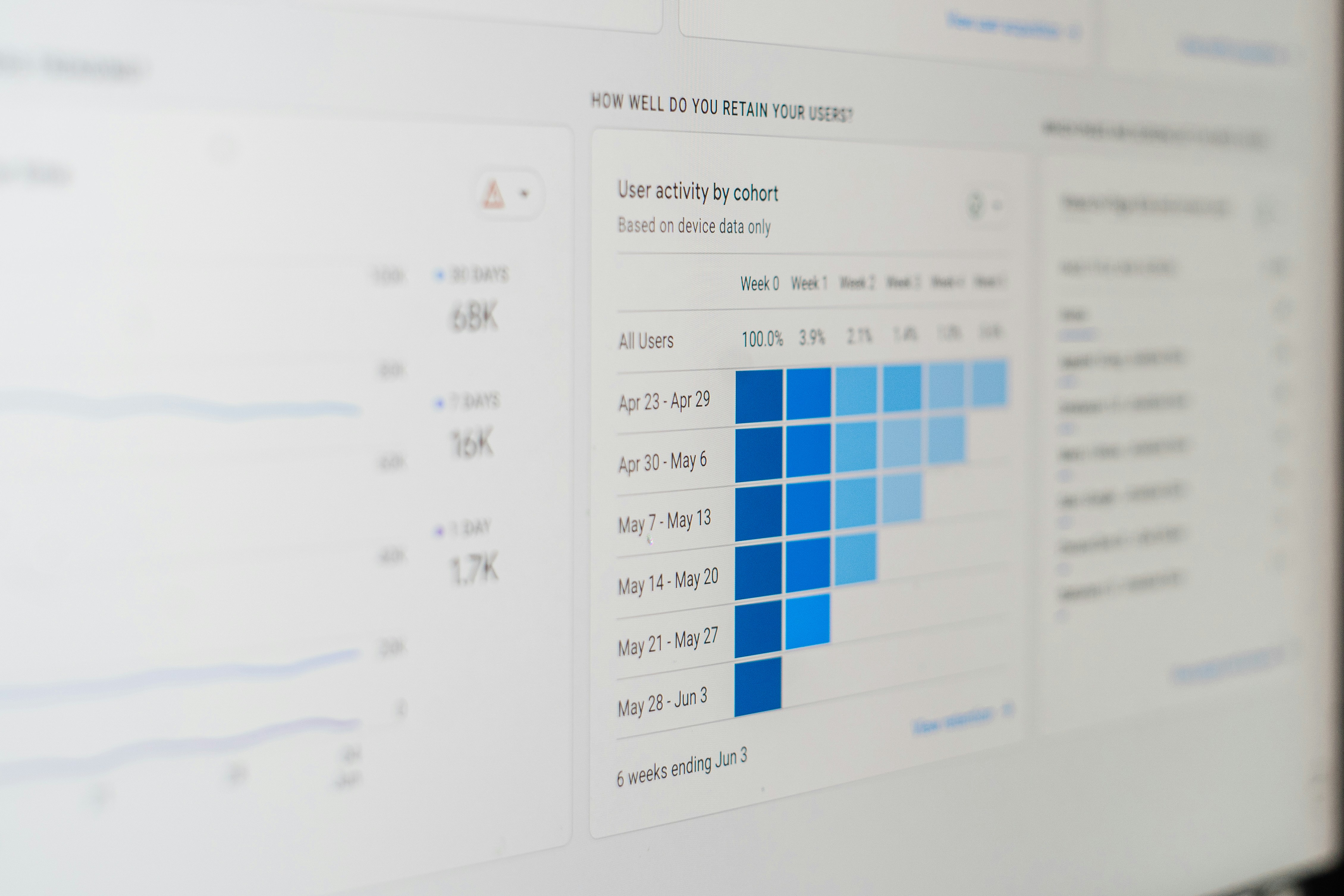
Introduction to Looker Studio
Looker Studio, an advanced analytics platform, plays a pivotal role in modern data analysis and visualization. Developed to empower organizations to make data-driven decisions, Looker Studio provides an intuitive interface that allows users to explore, analyze, and visualize their data comprehensively. Utilizing a robust set of tools, it enables organizations to glean insights from complex datasets and derive meaningful conclusions that can inform business strategies.
The primary purpose of Looker Studio is to consolidate and present data from various sources, rendering it accessible and actionable for users across an organization. By seamlessly integrating with databases, spreadsheets, and particularly social media platforms, it offers a holistic view of data in real-time. This capability is essential for businesses that aim to enhance their analytics processes, as it eliminates data silos and promotes collaboration across departments.
One of the core features of Looker Studio is its ability to create interactive dashboards that provide visual representations of data. Users can easily customize these dashboards to include graphs, charts, and tables that reflect key performance indicators aligned with their business objectives. Additionally, Looker Studio supports advanced analytical functions, such as predictive analytics and trend analysis, which empower users to look deeper into their data and uncover hidden patterns.
Moreover, with its data modeling capabilities, Looker Studio allows users to transform and manipulate data to fit their specific analytical needs. This flexibility is vital for businesses that need to adapt quickly to market changes and consumer behavior trends. In essence, Looker Studio stands out as a comprehensive tool for enhancing data analytics processes and integrating social data, facilitating organizations’ efforts to utilize their data to its full potential.
Understanding Analytics and Its Importance
Analytics is the systematic computational analysis of data or statistics, widely recognized as a crucial component for businesses seeking to improve decision-making processes and operational strategies. In the modern business landscape, the ability to extract actionable insights from data is essential. Analytics helps organizations track performance, identify trends, and anticipate future outcomes by converting raw data into meaningful information.
Businesses utilize various types of analytics to achieve distinct objectives. Descriptive analytics focuses on examining historical data to gain insights into past performance, which can help organizations understand what has happened. Diagnostic analytics delves deeper to identify the reasons behind certain outcomes, providing valuable explanations for observed patterns. On the other hand, predictive analytics uses statistical methods and machine learning to forecast future trends based on existing data, which can guide proactive decision-making.
Looker Studio, with its advanced capabilities, empowers organizations to leverage these types of analytics effectively. By integrating various data sources, businesses can visualize complex data in an accessible format, making it easier to derive insights. Furthermore, Looker Studio simplifies the process of sharing and collaborating on data insights across teams, fostering a culture of data-driven decision-making.
Effective utilization of analytics can significantly enhance an organization’s performance and strategic initiatives. By tapping into data-driven insights, businesses can optimize operations, tailor marketing strategies, and improve customer experiences. As the volume of data continues to grow, mastering analytics becomes increasingly important for maintaining a competitive edge in the marketplace. Thus, understanding the role of analytics and its implications is fundamental for any organization aiming to succeed in today’s data-centric environment.
Setting Up Looker Studio for Your Business Needs
Setting up Looker Studio is a crucial step for organizations looking to leverage advanced analytics to drive strategic decisions. To begin, it is important to establish your objectives by identifying the key business questions you wish to answer through data analysis.
The first step involves creating an account on Looker Studio. Users can visit the official website and sign up, after which they will be directed to the setup dashboard. Once logged in, you can start configuring settings tailored to your needs. This includes specifying user permissions and data access levels which ensure that sensitive information is only available to designated personnel.
Next, connecting to data sources is pivotal. Looker Studio supports a variety of data connections, including direct databases, Google Sheets, and external APIs. To add a data source, navigate to the “Data Sources” section in the main menu. From here, users can select the type of connection required and authenticate access. It is advisable to verify that the data is clean and structured, as this will enhance the overall reporting effectiveness.
Once the data source is set, the customization of dashboards becomes possible. Users can create tailored dashboards that align with specific business requirements. Looker Studio offers a variety of visualization tools such as charts, graphs, and tables that can be embedded into your dashboard. These visualizations help in easily interpreting data insights. Additionally, users can implement filters to make dashboards interactive, allowing stakeholders to drill down into specific metrics.
Finally, it is essential to regularly review and update the dashboard settings to adapt to evolving business needs. Being proactive in adjustments ensures that the analytics provided remains relevant and actionable.
Integrating Social Media Data into Looker Studio
In the age of digital marketing, effective data analysis from various sources has become essential for informed decision-making. Looker Studio presents a robust platform for integrating and visualizing social media analytics, enabling organizations to gain valuable insights from their social data. By connecting platforms such as Facebook, Twitter, and Instagram, businesses can leverage insights that drive user engagement and marketing strategies.
To begin, the integration process typically starts with identifying the social media platforms relevant to the organization’s objectives. For instance, Facebook offers detailed demographic data and engagement metrics that can be crucial for marketing campaigns. By extracting this data, Looker Studio facilitates the visualization of how certain posts perform relative to audience demographics, thereby guiding future content creation.
Similarly, Twitter data can be harnessed for tracking interactions such as retweets, likes, and mentions. Looker Studio allows users to create customized dashboards that incorporate these metrics, providing a comprehensive view of public sentiment and trends over time. Utilizing Twitter’s API enables organizations to update their Looker Studio visualizations in real time, ensuring that analytics reflect the most current data available.
On the other hand, Instagram metrics, focused on engagement such as likes and follower growth, can also be integrated seamlessly into Looker Studio. Whether utilizing third-party tools or direct API connections, these insights allow brands to measure the success of their social media campaigns effectively. By visualizing Instagram data alongside other analytics, businesses can compare social engagement with website traffic or sales data, leading to more strategic marketing approaches.
Overall, the integration of social media analytics into Looker Studio not only enhances data visibility but also empowers organizations to make data-driven decisions with confidence. By leveraging diverse social data, stakeholders can understand audience behaviors and preferences more deeply, fostering engagement and driving business growth.
Creating Compelling Reports and Dashboards
Creating effective reports and dashboards in Looker Studio is essential for transforming raw data into actionable insights. To begin with, it is important to understand the audience and their needs. Tailoring the report’s content to align with the stakeholders’ expectations can significantly enhance its effectiveness. Identifying key metrics and relevant data points should be at the forefront of the design process.
When designing dashboards, employing best practices in data visualization is crucial. This involves utilizing various chart types that best represent the underlying data while avoiding clutter. Simple bar charts, line graphs, or pie charts can effectively convey comparative data or trends, while gauges can present performance against targets. However, it’s critical to avoid using too many different visual elements, which can overwhelm the viewer.
To make reports user-friendly, interactivity should be prioritized. Looker Studio allows users to incorporate interactive filters and drill-down capabilities that enable viewers to explore the data according to their preferences. This fosters engagement and encourages users to dive deeper into the analysis. Ensuring that navigation within the dashboard is intuitive will further enhance the overall user experience.
Moreover, informed design choices play a significant role in how the information is perceived. Consistent use of colors, fonts, and layout contributes to a cohesive look while aiding in the interpretation of data. Avoiding excessive jargon and using clear labels for axes and legends can ensure that the message is conveyed effectively, making the data more accessible to a wider audience. Additionally, it is essential to provide context within the dashboard, helping users to understand the significance of the data presented.
Ultimately, a well-designed report or dashboard within Looker Studio should aim to provide clarity and insight. By focusing on user needs, effective visualization techniques, and an intuitive design, reports can become powerful tools for decision-making.
Case Studies: Successful Analytics Pipelines with Looker Studio
In recent years, various organizations have adopted Looker Studio to greatly enhance their analytical capabilities and streamline data integration processes. One notable case study involves a retail chain that utilized Looker Studio to consolidate data from various sources, including their e-commerce platform, CRM systems, and in-store transactions. By leveraging the data modeling capabilities of Looker Studio, the chain was able to create a unified dashboard that provided real-time insights into sales performance, inventory levels, and customer preferences. This comprehensive view enabled the company to make informed decisions on stock replenishment and targeted marketing strategies, ultimately resulting in a 20% increase in sales over a single quarter.
Another example is a healthcare provider that implemented Looker Studio to analyze patient data and operational efficiency. By integrating data from electronic health records (EHR), billing systems, and patient feedback platforms, the organization was able to visualize clinical outcomes and operational bottlenecks. The analytics pipeline established through Looker Studio allowed the healthcare provider to identify trends in patient care and satisfaction, leading to the development of improved procedures that enhanced overall patient experience. The impact was profound: within a year, patient satisfaction scores rose by 30%, showcasing the power of effective data analytics within the healthcare sector.
Additionally, a financial services company adopted Looker Studio to unify its disparate data sources spanning customer interactions and transaction records. With the help of custom data models, the company created interactive reports that provided deep insights into customer behavior and preferences. This data-driven approach enabled the organization to tailor financial products to better meet customer needs, resulting in a significant boost in customer retention rates. The analytics capabilities provided by Looker Studio not only aided in decision-making but also equipped the company to proactively address market changes.
Challenges and Solutions in Using Looker Studio
Using Looker Studio can offer powerful analytics capabilities and facilitate the integration of social data into comprehensive reports. However, users may encounter various challenges that could impede their effective use of the platform.
One significant challenge pertains to data integration difficulties. Many organizations deal with disparate data sources, including databases, APIs, and spreadsheets. Harmonizing these sources within Looker Studio can be complex, leading to inconsistencies and data discrepancies. To address this issue, users should invest time in thoroughly understanding the data structure and ensure proper data mapping during the integration process. Utilizing a well-defined data governance framework can also enhance data quality and streamline integration efforts.
Another common obstacle is the complexity of reporting needs. Users seeking advanced visualization may struggle with the inherent capabilities of Looker Studio, particularly in customizing reports to meet specific business requirements. It is advisable for users to leverage Looker’s built-in functionalities, such as LookML, to create more tailored reports. Additionally, participating in online communities or forums dedicated to Looker Studio can provide valuable insights and support from experienced users.
Lastly, limited experience with the Looker platform may hinder users from fully exploiting its features. To cultivate familiarity and proficiency, organizations should consider providing comprehensive training sessions for their teams. Free resources and tutorials available through the Looker community further facilitate ongoing learning.
By understanding these challenges—data integration, complex reporting needs, and limited user experience—organizations can proactively adopt solutions that optimize their use of Looker Studio. This strategic approach ensures enhanced data analysis and better-informed decision-making.
Future Trends in Analytics and Data Integration
As organizations increasingly rely on data to drive decision-making, the future of analytics and data integration is poised for transformative changes. One major trend is the integration of artificial intelligence (AI) and machine learning (ML) within analytical tools like Looker Studio. These advanced technologies enable businesses to automate data analysis, uncover insights faster, and make predictive decisions based on historical data. AI-driven analytics can streamline workflows and reduce the cognitive load on data professionals, allowing them to focus on more strategic initiatives.
Another significant trend is the growing emphasis on real-time data processing. Businesses are seeking immediate insights rather than relying on periodic reports. Looker Studio, along with other platforms, is evolving to provide real-time analytics, enabling organizations to respond quickly to market changes and customer preferences. This shift towards real-time capabilities signifies a move away from traditional, batch-oriented data analysis processes, facilitating a quicker and more agile business environment.
Moreover, the integration of social data analytics into traditional data environments is gaining traction. Organizations are recognizing the importance of customer sentiment and social interactions in shaping business strategies. By combining social media data with other data sources within Looker Studio, companies can gain a holistic view of their audience, enhancing their ability to tailor products and marketing efforts effectively. This ability to integrate diverse data sources supports the demand for a comprehensive analytics strategy that can inform customer engagement and brand positioning.
Lastly, the rise of citizen data scientists is reshaping the landscape of data handling. As data literacy becomes increasingly critical, tools like Looker Studio are democratizing access to analytics. More employees, regardless of technical backgrounds, can generate insights and make data-driven decisions. This trend not only fosters innovation within organizations but also creates a culture of data-driven action that can lead to competitive advantages in various markets.
Conclusion and Next Steps
In this blog post, we explored the capabilities of Looker Studio in facilitating advanced analytics and integrating social data. Looker Studio serves as a robust platform that empowers organizations to derive actionable insights through meaningful data visualizations and intuitive reporting functionalities. By leveraging this powerful tool, businesses can enhance data-driven decision-making processes.
We began by discussing the importance of data analytics in today’s digital landscape, highlighting how Looker Studio aligns with the growing need for organizations to harness their data effectively. By focusing on user-friendly features, the platform allows users to create customized dashboards that reflect key performance indicators (KPIs) pertinent to their specific goals.
Moreover, the post illustrated the integration of social media data into Looker Studio, which proves invaluable for understanding customer sentiments and market trends. This integration provides a holistic view of both qualitative and quantitative data, ultimately enriching the analysis and enhancing strategic planning.
As we conclude, we encourage readers to take the next steps toward utilizing Looker Studio. Begin by exploring the official documentation, which provides a comprehensive guide on setting up and optimizing the platform for your business needs. Additionally, consider reaching out for expert consultations to tailor Looker Studio’s features to align with your analytics strategy. To further deepen your understanding, we recommend reviewing additional articles linked below that delve into specific use cases and advanced techniques within Looker Studio.
By taking these actions, organizations can fully leverage Looker Studio’s capabilities, transforming their data into meaningful insights for effective decision-making.