Introduction to Looker Studio and Meta Ads
Looker Studio serves as a significant platform for data analytics, offering businesses valuable insights into their operations and marketing strategies. In the realm of digital advertising, particularly with Meta ads, Looker Studio’s ability to integrate disparate data sources transforms how marketers assess and optimize their campaigns. This integration allows for a more comprehensive understanding of user engagement and ad performance across various platforms offered by Meta, including Facebook and Instagram, among others.
By harnessing Looker Studio for Meta ads management, companies can collate data from multiple touchpoints, producing a streamlined view of their advertising efforts. Whether it’s click-through rates, conversion metrics, or audience demographics, Looker Studio enables marketers to analyze key performance indicators in a cohesive dashboard format. This level of transparency and accessibility drives more informed decision-making processes, facilitating improved response strategies to maximize ad effectiveness.
The purpose of this blog post is to guide readers through the intricacies of utilizing Looker Studio in conjunction with Meta ads. Readers can expect to learn about the fundamental features of Looker Studio that make it particularly beneficial for managing Meta ads, including its capability to visualize data in custom reports. Additionally, this article will touch upon best practices for integrating Looker Studio with Meta ad data, empowering marketers to refine their campaigns based on real-time analytics. By the end of this post, readers will have a clearer understanding of how Looker Studio can enhance their advertising strategies and lead to more successful outcomes in the competitive digital landscape.
Benefits of Using Looker Studio for Meta Ads
Utilizing Looker Studio for managing Meta ads offers an array of advantages that significantly enhance advertising effectiveness. One of the foremost benefits is enhanced data visualization. Looker Studio presents data in an intuitive manner, enabling users to grasp complex data sets quickly. This capability allows marketers to identify trends, patterns, and anomalies in Meta advertising performance effortlessly. Such visual representations make it easier for teams to discuss strategies and take action based on data-driven insights.
Another critical advantage is the improved reporting capabilities provided by Looker Studio. Through customizable dashboards and reports, users can generate comprehensive overviews of their Meta ad campaigns. Marketers can tailor their reports to focus on key performance indicators (KPIs) that matter most for their specific goals. This level of customization ensures that stakeholders receive relevant information, improving decision-making and accountability.
Real-time data access is another significant benefit of Looker Studio. In the fast-paced world of online advertising, having timely access to performance metrics is crucial. Looker Studio enables users to monitor their Meta ads in real time, allowing swift optimization of campaigns. This immediacy ensures that advertisers can respond quickly to performance fluctuations, adjusting strategies to maximize return on investment (ROI).
Finally, Looker Studio facilitates seamless collaboration among team members and clients. The platform allows users to easily share insights and reports, enhancing transparency and fostering a culture of teamwork. By providing access to key data points, stakeholders can engage in more informed discussions about Meta advertising strategies, leading to more effective campaigns.
In summary, the benefits of using Looker Studio for Meta ads management are manifold, encompassing enhanced data visualization, reporting capabilities, real-time access to data, and improved collaboration. These advantages collectively empower marketers to optimize their campaigns and achieve better outcomes.
Setting Up Looker Studio for Meta Ads Tracking
Effectively tracking Meta ads performance through Looker Studio requires a systematic setup process. The first step involves creating a Looker Studio account if you don’t already possess one. After signing up, it’s essential to link your Meta Ads account to the platform. Navigate to the ‘Connectors’ section and select the Meta Ads connector. This integration enables seamless data retrieval from your advertising campaigns, allowing you to analyze various metrics.
Next, it is vital to configure your data sources. Looker Studio allows you to pull metrics and dimensions from your Meta Ads accounts. During the integration process, ensure you select the relevant ad accounts, campaigns, and ad sets that you wish to track. This will ensure that your reports reflect the necessary data needed to assess your meta ad performance accurately.
Once the connection is established, the next critical phase is to design and structure your reports. Start by creating a new report and laying out the components that will be most useful for your analysis. Commonly used components include scorecards to display total ad spend, impressions, clicks, and return on ad spend (ROAS). Utilize bar or line charts to visualize trends over time, which can be particularly illustrative when analyzing the performance of different campaigns or ad sets across periods.
Furthermore, consider incorporating filters to segment your data effectively. This allows you to view performance by demographics, locations, or ad creatives, enhancing the depth of your analysis. By structuring your Looker Studio reports thoughtfully, you can empower your marketing team with valuable insights that drive informed decisions in your Meta advertising strategies.
By following these steps, marketers can set up Looker Studio for effective tracking of their Meta ads, yielding vital data that influences strategy and optimizes campaign performance.
Key Metrics to Monitor in Meta Ads Using Looker Studio
In the realm of digital advertising, particularly when managing Meta ads through Looker Studio, tracking the right metrics is essential for optimizing performance and achieving advertising goals. Several key metrics stand out as critical indicators of success in Meta ads management.
First among these is the click-through rate (CTR). The CTR measures the ratio of users who click on an ad to the total number of users who view it. A higher CTR indicates that the ad is resonating with the audience and encourages them to take action, making it a vital metric in assessing engagement and effectiveness. Analyzing this metric in Looker Studio can help marketers identify well-performing ads and refine targeting and messaging strategies.
Another significant metric to monitor is the conversion rate, which calculates the percentage of users who complete a predetermined action after clicking on an ad, such as making a purchase, signing up for a newsletter, or downloading a resource. Tracking this metric is crucial for understanding the ad’s effectiveness in driving desired outcomes. In Looker Studio, conversion rate data can be segmented by demographics and targeting parameters, providing insights into which audiences convert best.
The cost per acquisition (CPA) is also a key metric in managing Meta ads. This figure represents the total cost incurred to acquire a customer through the ad campaign. Monitoring CPA in Looker Studio aids marketers in evaluating the cost-effectiveness of their advertising efforts and making informed budget adjustments. Lastly, the return on ad spend (ROAS) is critical for gauging overall profitability. ROAS measures how much revenue is generated for every dollar spent on advertising. Understanding this metric allows marketers to optimize their budget allocation effectively.
By attentively monitoring these key metrics in Looker Studio, marketers can gain invaluable insights into the performance of their Meta ads, enabling them to make data-driven decisions that lead to improved advertising outcomes and overall business success.
Creating Custom Reports in Looker Studio for Meta Ad Insights
Custom reporting in Looker Studio is essential for deriving actionable insights from Meta ads data. By utilizing Looker Studio effectively, marketers can create tailored reports that reflect specific campaign metrics and dimensions, thereby enhancing decision-making processes. The first step in creating these custom reports is to identify the key metrics that are relevant to your Meta ads. Important metrics may include clicks, impressions, conversion rates, and cost per click. Utilizing these elements allows marketers to prioritize data that drives business objectives.
Next, selecting appropriate dimensions is crucial. Dimensions such as campaign names, ad sets, and demographics can provide valuable context around the performance of various Meta ads. By analyzing these dimensions alongside metrics, you can uncover patterns and trends that may influence your advertising strategies. It is also beneficial to incorporate filters that allow users to segment data by time periods, specific campaigns, or targeted audiences, enabling a more granular analysis.
Once the right metrics and dimensions are selected, designing visually appealing dashboards becomes paramount. Looker Studio offers a variety of visualization options, including charts, graphs, and tables. These visual representations can help convey complex data effectively, making it easier for stakeholders to interpret ad performance. Customizing views further enhances the accessibility of the information you wish to present. By adjusting layouts and incorporating branding elements, you can create a cohesive style that aligns with your organization’s standards.
Lastly, it’s essential to leverage the interactive features of Looker Studio. Interactive dashboards allow users to explore Meta ads data dynamically, providing the opportunity for deeper insights. By creating custom reports that are both insightful and visually engaging, organizations can significantly improve their Meta ads management and refine marketing strategies accordingly.
Interpreting Your Looker Studio Meta Ads Data
Understanding the data retrieved from Looker Studio for your Meta ads is paramount for optimizing advertising strategies. Looker Studio provides a vast array of metrics and visualizations that can significantly aid in evaluating your ad performance. The initial step in data interpretation is to familiarize yourself with the various metrics presented. Key indicators such as click-through rates (CTR), conversion rates, and cost-per-click (CPC) can elucidate how effectively your ads are engaging the target audience.
One effective approach to interpreting Looker Studio meta ads data is to identify trends over time. For example, tracking the fluctuations in CTR across different campaign durations can help pinpoint successful ad creatives or messaging strategies. A consistent rise in engagement rates may suggest that your audience resonates positively with certain themes or offers, while sudden drops may require immediate attention to investigate potential issues, such as changes in the competitive landscape or the relevance of your ads.
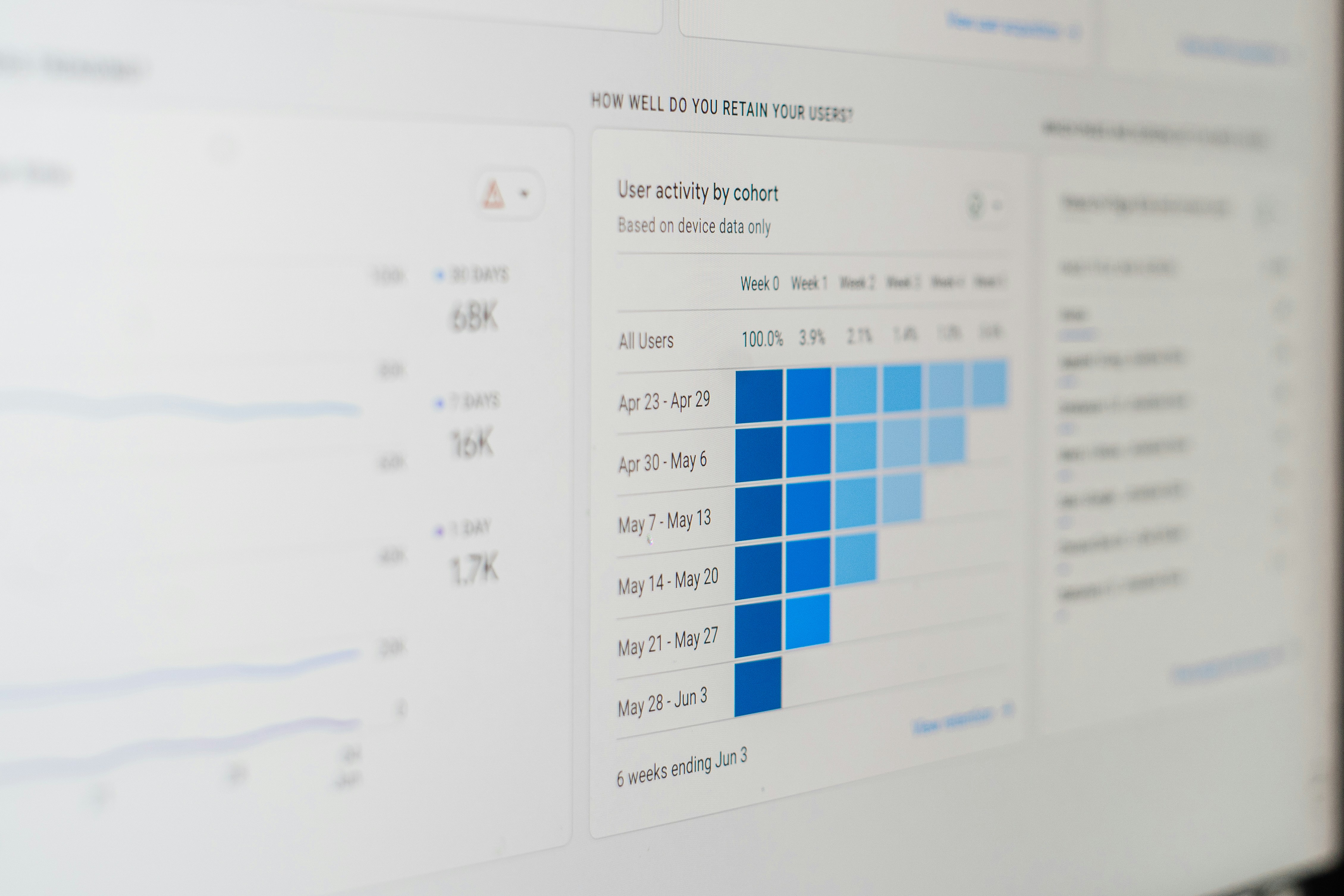
Furthermore, utilizing cohort analysis can yield insights into specific audience segments performing well or underperforming in terms of engagement and conversions. By isolating particular demographics, you can make informed decisions about adjusting your targeting tactics. This granularity in analysis fosters a more tailored approach to your ad campaigns, ensuring resources are allocated to the segments that yield the highest return on investment.
Identifying areas of improvement is also crucial. Looker Studio’s visualizations can facilitate spotting outliers, such as a campaign with exceptionally high CPC. Such anomalies warrant deeper examination to understand the underlying causes and potential remedies. Through regular analysis, marketers can leverage Looker Studio meta ads data to refine their strategies, ultimately leading to more effective and impactful ad campaigns.
Best Practices for Looker Studio and Meta Ads Management
Effective management of Meta ads through Looker Studio requires adherence to best practices that can optimize performance and enhance overall strategy. One key practice is conducting regular data audits. This involves analyzing ad performance metrics and campaign data on a consistent basis to identify trends, discrepancies, and areas for improvement. Regular audits not only ensure data integrity but also help in making data-driven decisions to refine ongoing campaigns and enhance future performance.
Another critical best practice is to stay updated on changes within Meta’s advertising platform. As the digital marketing landscape evolves, Meta frequently updates its algorithms, ad formats, and targeting options. Keeping abreast of these changes allows marketers to adjust their strategies proactively, ensuring that their campaigns utilize the latest features and best practices available. Such adaptability is essential in maximizing the impact of Meta ads and leveraging Looker Studio for performance analytics.
Leveraging user feedback is also paramount. Gathering insights from customer interactions and ad engagement can provide valuable perspectives on what resonates with your audience. This feedback loop enables marketers to refine their messaging and creative assets, ensuring alignment with consumer interests. Incorporating user feedback into campaign assessments conducted within Looker Studio can drive significant improvements in ad effectiveness.
Finally, collaboration among team members is vital in managing Meta ads effectively. Through platforms like Looker Studio, teams can share insights and collaborate on strategies, fostering a culture of collective learning and innovation. Regular meetings to discuss campaign performance and brainstorm enhancements promote a collaborative environment that can lead to more impactful ad strategies. By implementing these best practices, marketers can optimize their Meta ads management processes, ultimately leading to better campaign outcomes and business growth.
Case Studies: Success Stories from Looker Studio Users
In the ever-evolving landscape of digital advertising, businesses continually seek innovative solutions to improve their marketing efficiency. Looker Studio has emerged as a powerful tool for managing Meta ads, and a variety of case studies exemplify its effectiveness. One such instance is a mid-sized e-commerce company that struggled with fluctuating conversion rates and high customer acquisition costs. By implementing Looker Studio, they leveraged its analytical capabilities to dissect their ad performance metrics in real time. This allowed them to identify underperforming ads and optimize their audience targeting. As a result, the company saw a 25% increase in conversions and a 15% reduction in overall advertising spend.
Another inspiring example comes from a nonprofit organization focused on community outreach. The organization previously found it challenging to track the ROI of their Meta ad initiatives. Utilizing Looker Studio’s data aggregation features enabled them to create custom dashboards that displayed key performance indicators in a visually appealing format. This transparency led to informed decision-making and the ability to alter ads on-the-fly based on real-time data insights. The outcome was a dramatic uptick in engagement rates and an increase of 40% in donations during their campaign.
Additionally, a global fashion brand successfully scaled their Meta ads by adopting Looker Studio for advanced segmentation analysis. The brand was able to identify different customer personas and tailor their advertisements accordingly. By analyzing engagement trends and conversion data, they optimized their campaigns to appeal directly to the most responsive demographics. Consequently, their ad impact grew, yielding a 50% improvement in ROI compared to previous efforts.
These case studies highlight the transformative potential of Looker Studio for businesses aiming to refine their Meta ad strategies. By showcasing practical applications and demonstrating tangible outcomes, they serve not only as a source of motivation but also as a roadmap for achieving similar success.
Conclusion and Next Steps
As we draw this exploration of Looker Studio for effective Meta ads management to a close, it is essential to reflect on the key takeaways and the practical steps that can be taken to integrate these insights into your advertising strategy. Looker Studio offers an innovative approach to visualizing and managing your Meta ads, empowering businesses to glean actionable insights from their data. By leveraging Looker Studio, users can create customized dashboards that provide real-time analytics, helping you make informed decisions that drive campaign performance.
Throughout this post, we have discussed the advantages of utilizing Looker Studio for Meta ads, including its capability to amalgamate data from multiple sources, enhance visualization, and facilitate a more comprehensive understanding of campaign metrics. These features not only simplify the process of ad management but also enable marketers to optimize their strategies effectively. By harnessing this tool, advertisers can ultimately bridge the gap between data and decision-making, leading to more successful Meta ad campaigns.
For those interested in implementing Looker Studio for Meta ads, the next logical step is to familiarize yourself with the platform by accessing available resources and tutorials. Many online guides offer valuable insights into setting up your workspace and designing dashboards tailored to your specific needs. Furthermore, consider reaching out for support or consultation from experienced professionals who can assist you in maximizing the potential of Looker Studio for your advertising endeavors.
We encourage you to explore additional content available on our website that delves deeper into topics related to Looker Studio and Meta ads. Should you have any questions or require assistance, please do not hesitate to contact our support team. Embracing these tools and strategies can significantly enhance your marketing efforts and lead to successful advertising outcomes.