Introduction to Looker Studio
Looker Studio, previously known as Google Data Studio, is an advanced business intelligence and data visualization tool that enables users to create interactive and insightful reports and dashboards. As businesses increasingly seek to leverage data for strategic decision-making, Looker Studio has emerged as a vital resource for digital marketers aiming to optimize their AdSense revenue. This platform offers a user-friendly interface that facilitates seamless integration with various data sources, including Google Analytics, Google Ads, and, of course, AdSense itself.
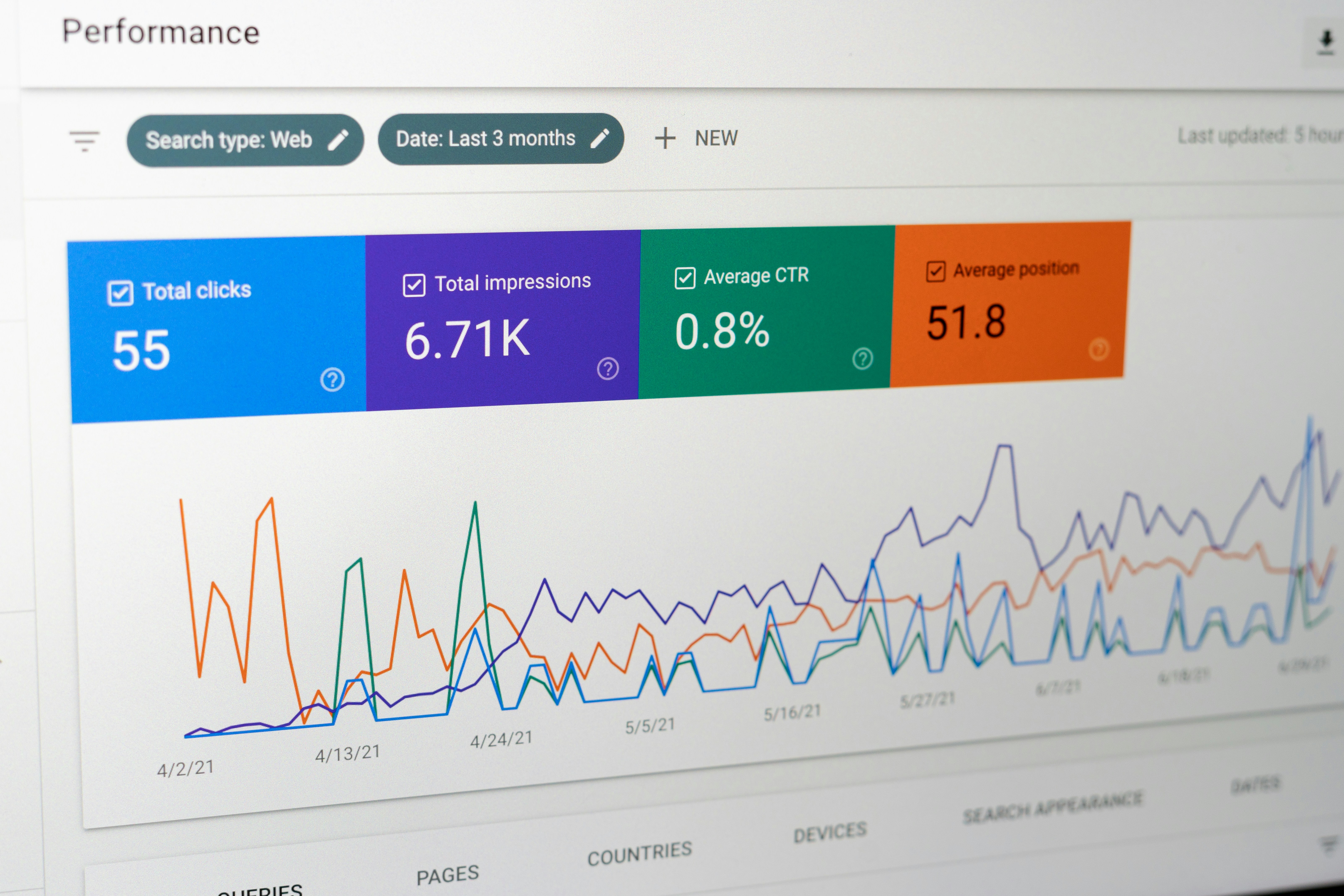
The core functionalities of Looker Studio include customizable charts, graphs, and tables, which empower users to visualize their data meaningfully. With these features, marketers can analyze performance metrics, track user behavior, and uncover trends that may not be immediately apparent through raw data alone. This visual representation of information enhances comprehension and allows for quicker insights, which is essential in today’s fast-paced digital landscape.
One of the key advantages of utilizing Looker Studio for AdSense optimization lies in its ability to transform complex datasets into clear visual narratives. By comparing various performance indicators, such as click-through rates, impressions, and revenue metrics from different content segments, marketers can identify which strategies yield the best results. Moreover, the platform supports real-time data updates, ensuring that users always have access to the most current information to make informed decisions.
As the digital advertising environment continues to evolve, the importance of data-driven strategies becomes increasingly apparent. Looker Studio provides the tools necessary for digital marketers to harness their data effectively, ultimately paving the way for improved AdSense earnings and a more informed approach to online advertising efforts.
Understanding AdSense: A Quick Overview
Google AdSense is an online advertising program that enables website owners and content creators to monetize their online presence by displaying targeted advertisements on their platforms. This service allows publishers to earn money by displaying ads that are relevant to their site’s subject matter, ensuring a better user experience while also maximizing potential revenue streams. AdSense utilizes a cost-per-click (CPC) model, where site owners earn money each time a visitor clicks on an ad, as well as a cost-per-thousand impressions (CPM) model that pays for the visibility of ads.
The core functionality of AdSense hinges on its ability to match advertisements to users based on their interests, location, and demographic data, which is gathered through sophisticated analysis of browsing behavior. For publishers, this offers a significant advantage as it increases the likelihood of visitors interacting with the ads. Furthermore, Google allows for easy integration of AdSense into web platforms, providing a seamless method for sites to incorporate advertising without requiring in-depth technical knowledge.
However, while AdSense presents lucrative opportunities for monetization, there are several common challenges that advertisers and publishers may face. One key difficulty is maintaining a balance between user experience and ad placement. Excessive or intrusive advertisements can deter visitors, leading to decreased engagement and traffic. Moreover, compliance with AdSense policies is crucial; violations can result in suspension or banning of accounts. Understanding these obstacles and recognizing how to strategically address them is essential for maximizing revenue potential through AdSense. By developing a thorough knowledge of the platform and its best practices, publishers can effectively harness this tool to boost their earnings while ensuring quality content delivery to their audience.
The Importance of Data Analytics in AdSense Management
Data analytics plays a crucial role in managing and optimizing AdSense performance, as it empowers publishers to make informed decisions based on user behavior and engagement metrics. By leveraging analytics tools, website owners can gain valuable insights into how visitors interact with their site and which ads are most effective. This understanding is essential for maximizing AdSense revenue opportunities.
One of the primary advantages of implementing data analytics is the ability to track user behavior on a granular level. By analyzing patterns such as page views, click-through rates, and engagement duration, publishers can discern which content resonates most with their audience. This information aids in tailoring ad content to match user preferences, resulting in better ad performance and higher click-through rates.
Furthermore, data analytics allows for the evaluation of ad positioning on a website. By utilizing A/B testing and heat maps, website owners can experiment with different placements and formats for their ads. Analyzing the resulting data will shed light on which strategies yield the highest visibility and engagement. Adjusting ad placement based on these insights is vital for enhancing the overall performance metrics of AdSense campaigns.
Metrics such as eCPM (effective cost per mille) and RPM (revenue per mille) provide clear indicators of how well ads are performing. Regularly consulting these metrics through analytics ensures that publishers can make necessary adjustments to both content and advertising strategies. Ultimately, the integration of data analytics cultivates a proactive approach to AdSense management, leading to sustained revenue growth over time. This systematic analysis paves the way for more strategic decision-making, ensuring that each advertising effort is oriented towards achieving optimal results.
Integrating Looker Studio with AdSense Data
Integrating Looker Studio with Google AdSense data can greatly enhance your insights and, in turn, optimize your advertising revenue. To begin this process, it is essential first to create a connection between Looker Studio and your AdSense account. This integration enables you to visualize key metrics and performance indicators seamlessly. Here’s a step-by-step guide on how to effectively set this up.
First, log in to your Looker Studio account. Click on the “Create” button, and then select “Data Source” to initiate the integration process. In the data source options, locate and select “Google AdSense.” You will be prompted to authorize Looker Studio access to your AdSense account. Ensure you provide the necessary permissions for accurate data retrieval.
Once the connection is established, Looker Studio will display a list of available metrics and dimensions from your AdSense data. It is crucial to choose the metrics relevant to your objectives, such as clicks, impressions, and revenue data. Selecting these will allow you to build comprehensive dashboards. After selecting the appropriate fields, click on “Add to Report” to integrate the data source into your Looker Studio dashboard.
The next step involves designing the dashboard to present the selected metrics effectively. Utilize data visualization tools like charts and tables to create a user-friendly interface that highlights critical performance indicators. It is advisable to keep the layout simple and intuitive, enabling easy access to actionable insights.
Lastly, ensure data accuracy and consistency by regularly updating your data source settings and reviewing your metrics. Best practices include scheduling automatic data refreshes for real-time insights and validating the integration frequently to ensure no discrepancies exist between AdSense and Looker Studio data. Maintaining these practices will facilitate smooth functioning and reliable data representation.
Creating Effective Dashboards for AdSense Monitoring
Creating effective dashboards within Looker Studio is crucial for optimizing AdSense revenue tracking. A well-designed dashboard serves as a visual representation of your data, enabling you to monitor key performance indicators (KPIs) such as click-through rates (CTR), impressions, and earnings over time. To achieve this, one must first understand the fundamental components that contribute to insightful dashboard design.
Commencing your dashboard creation begins with selecting relevant data sources. Looker Studio allows you to easily connect your AdSense account to visualize your data. Once the connection is established, consider breaking down your data into manageable segments. This includes categorizing your performance metrics by specific time frames, allowing for a comparative analysis of trends over days, weeks, or months.
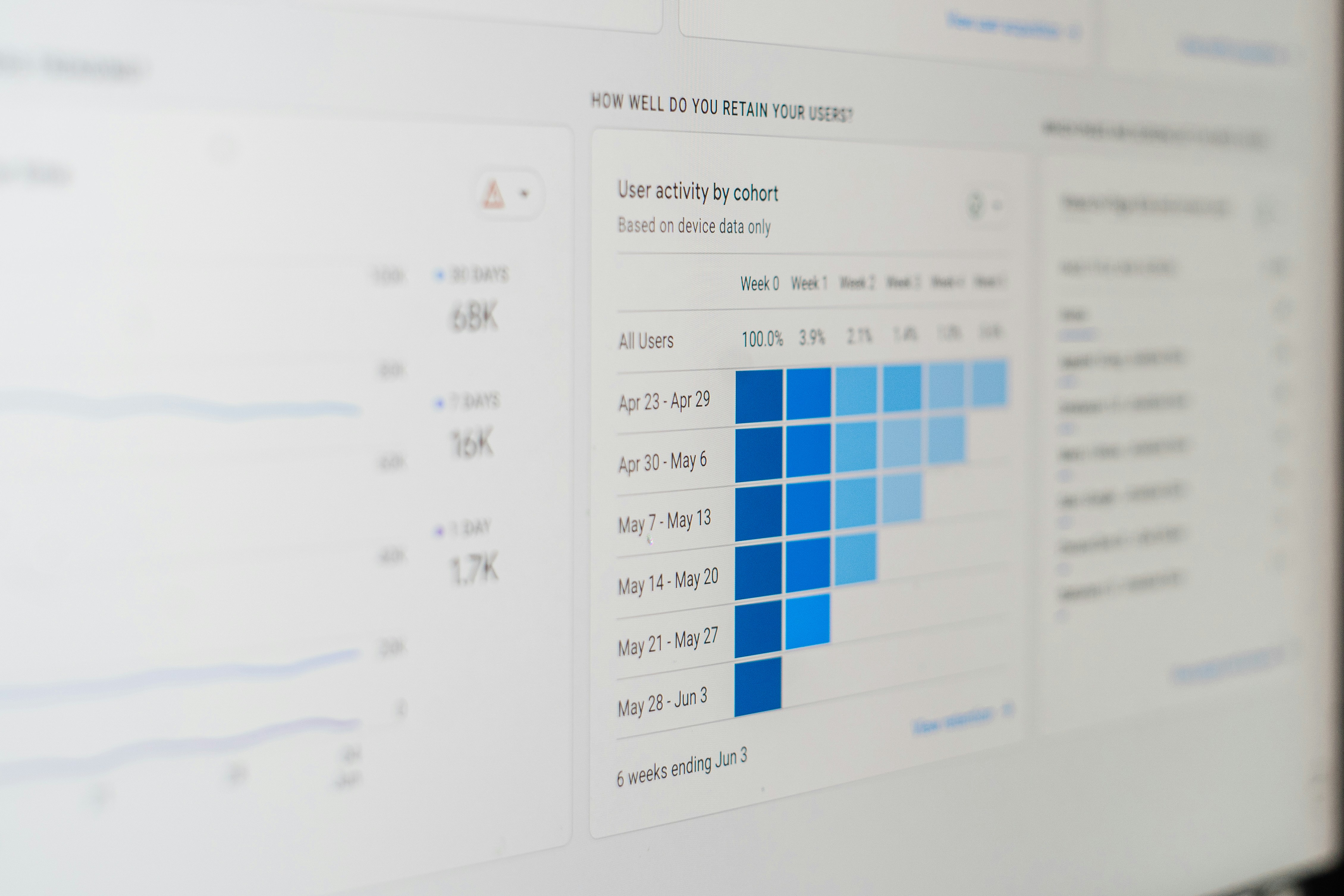
Incorporating various visualization elements is essential. Line graphs or bar charts can depict click-through rates and impressions effectively. These visual tools not only enhance readability but also make it easier to identify spikes or declines in performance. Additionally, employing the use of heatmaps can provide valuable insights into user engagement patterns, revealing which ads resonate best with your audience.
Furthermore, your dashboard should include filters and controls that enable real-time interaction. This allows you to adjust the displayed data according to specific segments without overwhelming the viewer with information. For example, adding filters by ad type or geographical location can offer deeper insights into performance variations, helping you to optimize ad placements strategically.
Finally, it is essential to regularly update and refine your dashboard to reflect any changes in your AdSense strategy or business goals. By doing so, you ensure that the dashboard remains a relevant tool for monitoring performance, thus facilitating informed decisions that enhance revenue generation. An effective Looker Studio dashboard will not only be visually appealing but will also serve as a comprehensive tool for maximizing AdSense performance.
Interpreting the Data: Making Informed Decisions
Interpreting data from Looker Studio dashboards is essential for optimizing AdSense revenue effectively. By analyzing the information provided, users can identify trends that directly influence their advertising strategy. For instance, regular reviews can reveal peak traffic periods, allowing for better synchronization of ad placements during times of heightened visitor engagement. Recognizing these trends facilitates the adjustment of advertising strategies, thus maximizing impressions and clicks.
Furthermore, using Looker Studio’s data visualization tools helps highlight areas where ad placements may underperform. By comparing metrics such as click-through rates (CTR) and revenue per thousand impressions (RPM), publishers can assess the effectiveness of different ad formats or positions on their pages. For example, if certain ad units are consistently yielding low engagement, it may be prudent to consider alternative placements or redesigns that better align with user behavior and content consumption patterns.
In addition to adjusting ad placements, Looker Studio data can inform content optimization strategies. Analyzing user interaction with various content types—be it articles, videos, or infographics—enables publishers to adjust their content strategy based on what resonates most with their audience. For instance, if video content shows higher engagement and conversion rates compared to standard articles, increasing video production could lead to enhanced AdSense revenue opportunities. By leveraging insights from Looker Studio, publishers craft a more targeted approach that is responsive to their audience’s preferences и interactions.
Ultimately, informed decision-making based on data interpretation is critical for maximizing AdSense revenue. By utilizing Looker Studio dashboards to track trends, adjust ad placements, and enhance content, publishers can create a robust strategy that aligns with audience behaviors and preferences, leading to a more significant revenue outcome over time.
Case Studies: Success Stories Using Looker Studio and AdSense
Utilizing Looker Studio has enabled numerous businesses and individuals to significantly enhance their AdSense revenue through informed decision-making and strategic analysis. One notable case study involves a digital marketing agency that specialized in content creation. By integrating Looker Studio into their operations, they began to visualize their AdSense data in new ways. They leveraged custom dashboards that highlighted key metrics such as click-through rates and revenue per page view. As a result of their focused analysis, they identified underperforming content areas and optimized their articles to improve performance. This strategic shift led to a remarkable 40% increase in their monthly AdSense revenue.
Another compelling example comes from an e-commerce site that integrated Looker Studio with their Google Analytics data. They utilized the visualization capabilities of Looker Studio to dissect user behavior and identify traffic sources that were leading to higher conversion rates. By creating segmented reports that tracked the performance of various advertising strategies, they were able to make data-driven adjustments that honed in on their most lucrative audiences. Subsequently, this targeted approach yielded a 35% increase in AdSense earnings, as they capitalized on high-traffic, high-revenue segments while optimizing their advertising spend.
Moreover, a lifestyle blog reported further successes after implementing Looker Studio. They utilized the tool to analyze their audience demographics and behaviors, allowing for content personalization that aligned with user interests. By tracking the performance of specific topics and formats, they discovered which types of posts attracted the most ads and audience engagement. This insight led to a content strategy overhaul, which not only improved user retention but also resulted in a 50% lift in their AdSense revenue over a six-month period.
These cases exemplify how diversifying strategies using Looker Studio can lead to substantial improvements in AdSense capabilities and revenue. They serve as inspiration for others looking to optimize their digital advertising efforts.
Common Pitfalls and How to Avoid Them
While Looker Studio offers powerful tools for optimizing AdSense revenue, users often encounter pitfalls that can hinder their effectiveness. One prevalent issue is data misinterpretation. Users may misread the reports generated by Looker Studio, leading to erroneous conclusions about the performance of their advertisements. To mitigate this risk, it is crucial to ensure a clear understanding of how data is structured within the platform. Familiarizing oneself with Looker Studio’s functionalities and how they interact with AdSense data can facilitate accurate interpretation and strategic decision-making.
Another common pitfall is the underutilization of Looker Studio’s features. The platform provides a wide array of tools designed to enhance data visualization and analysis; however, users often limit themselves to basic functionalities. To fully leverage the potential of Looker Studio, users should explore its advanced features, such as custom dashboards and automated reporting. Engaging deeper with these tools can unlock valuable insights that drive higher AdSense revenue.
Furthermore, overlooking key metrics is a frequent mistake among novice users. Essential metrics related to advertisement performance, like click-through rates and impression counts, should be consistently monitored. Failing to track these metrics can result in missed opportunities for optimization. Therefore, a comprehensive approach to monitoring various performance indicators is vital. Setting up alerts and creating tailored dashboards that focus on essential data points can help maintain awareness of crucial trends and metrics.
To avoid these common pitfalls, it is recommended to invest time in training and resources that enhance one’s proficiency in both Looker Studio and AdSense analytics. Engaging with community forums and support resources can also provide insights and further refine one’s strategies. With diligence and awareness, users can leverage Looker Studio effectively, thereby optimizing their AdSense revenue rather than falling victim to preventable pitfalls.
Conclusion: The Future of Looker Studio and AdSense
As we reflect on the transformative capabilities of Looker Studio in optimizing AdSense revenue, it becomes evident that this powerful tool stands at the forefront of data analytics in the advertising landscape. Looker Studio not only enhances the clarity and accessibility of data but also enables website owners and marketers to make informed decisions based on comprehensive insights. By integrating Looker Studio with AdSense, users can leverage advanced analytics to identify trends, measure campaign effectiveness, and optimize monetization strategies effectively.
Looking ahead, the future of Looker Studio and AdSense appears promising. The evolution of data analytics is driving unprecedented change in how advertisers interact with their audiences. Emerging technologies such as artificial intelligence and machine learning are poised to enhance the capability of Looker Studio, facilitating even deeper data analysis and predictive modeling. This will likely allow advertisers to more accurately forecast performance outcomes and customize strategies based on real-time data trends.
Furthermore, as the digital landscape continues to evolve, maintaining data privacy and security will be paramount. Future iterations of Looker Studio will need to address these concerns, ensuring that user data is protected while still providing valuable insights for revenue optimization. This balance will be crucial for maintaining trust between advertisers and consumers.
It is essential for marketers and website owners to stay informed about these advancements in data analytics tools and trends in advertising strategies. Engaging with resources and communities related to Looker Studio can further enhance understanding and application of these tools. For those eager to delve deeper into the interplay between Looker Studio and AdSense, we encourage exploration of our blog for additional information and resources. For inquiries regarding services or further assistance, please feel free to reach out through our contact details.