Introduction to Looker Studio
Looker Studio, formerly known as Google Data Studio, is a robust analytics and reporting platform designed to facilitate data visualization and interpretation. As a cloud-based tool, it allows users to connect multiple data sources, including databases, spreadsheets, and social media platforms, to create comprehensive and customizable reports. The tool is particularly relevant in today’s data-driven landscape, where businesses seek actionable insights to inform their marketing strategies and operational decisions.
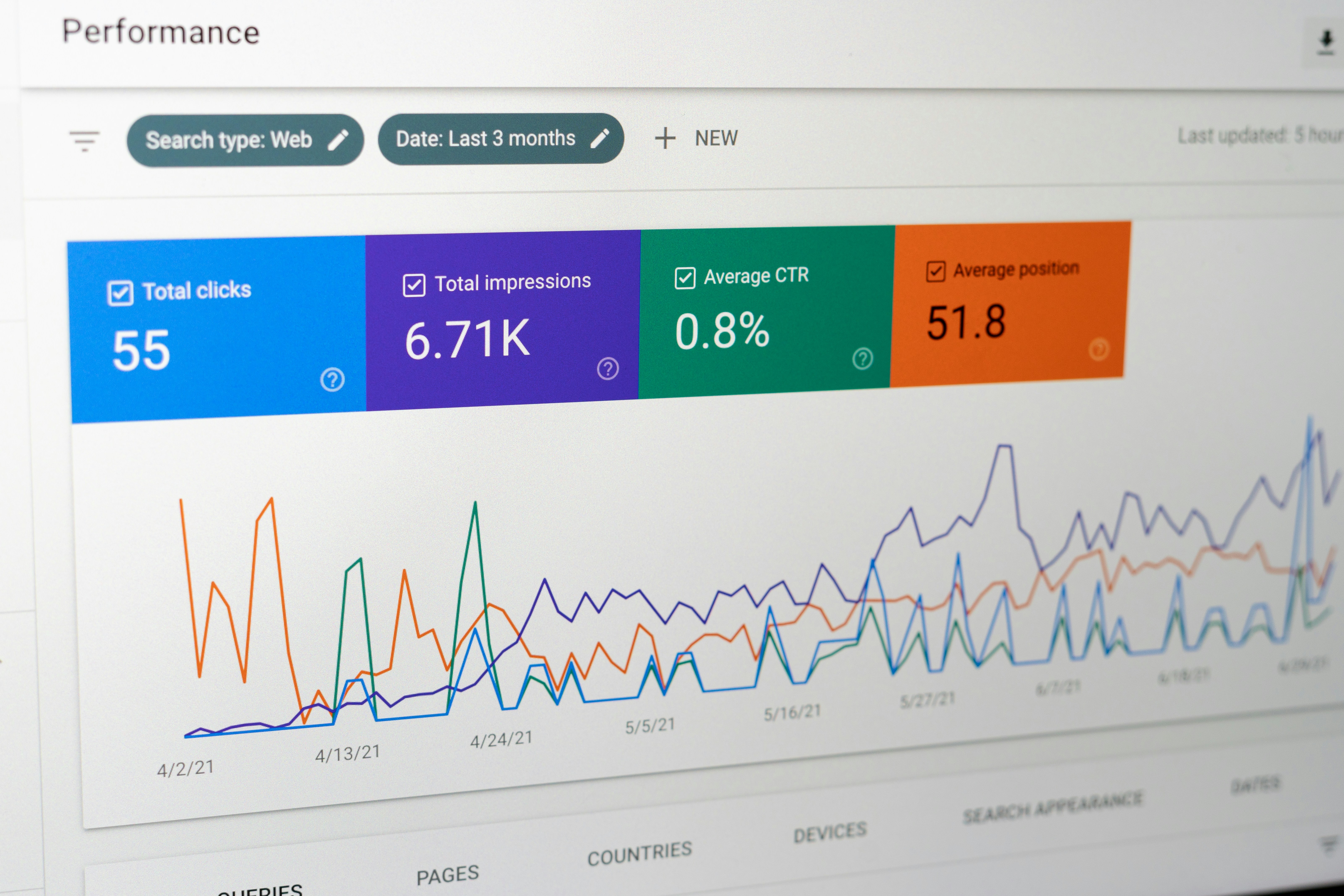
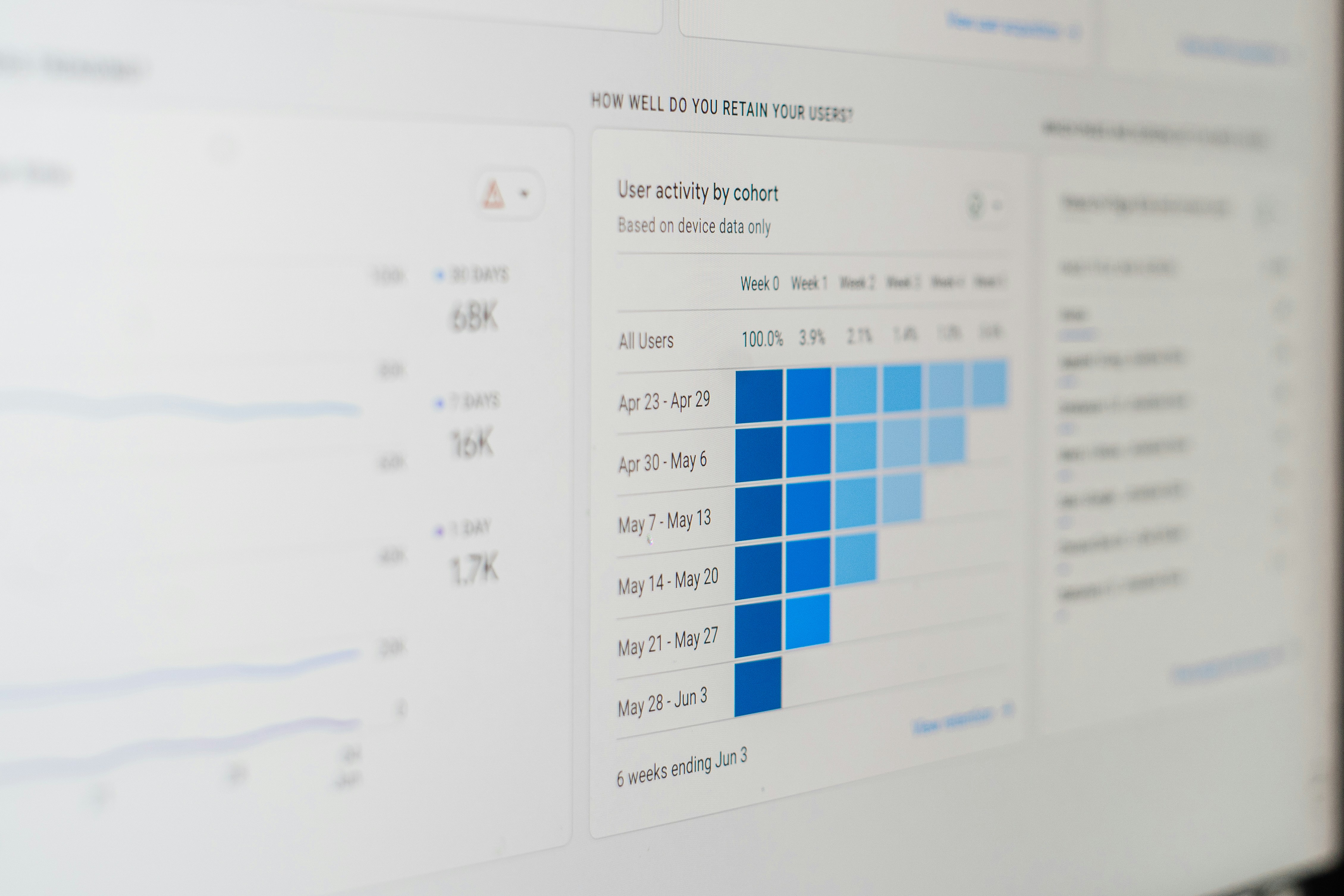
One of the standout features of Looker Studio is its ability to transform raw data into interactive and visually appealing dashboards. This transformation is essential for marketers aiming to optimize their social media strategies, including those who utilize platforms like Pinterest. By leveraging Looker Studio, businesses can identify trends in user behavior, track engagement metrics, and assess the performance of their content seamlessly. The platform’s integration capabilities enable users to pull data from various sources and consolidate it into a singular, cohesive view, facilitating informed decision-making.
Moreover, Looker Studio’s user-friendly interface empowers users, regardless of their expertise level, to navigate and manipulate data effortlessly. With the inclusion of customizable charts and visual elements, marketers can effectively communicate their findings to stakeholders, ensuring that data-driven insights are easily understood and actionable. The importance of data analytics cannot be overstated in the realm of social media marketing, as businesses strive to maximize their reach and ROI. Thus, familiarity with tools like Looker Studio becomes imperative for those looking to stay competitive and informed within the digital landscape.
The Importance of Pinterest in Organic Searches
Pinterest has emerged as a vital player in the landscape of organic searches, functioning not merely as a social media platform, but rather as a powerful search engine. Users flock to Pinterest in search of inspiration and ideas, making it a unique space where visual content reigns supreme. Unlike traditional search engines, Pinterest allows users to discover content through an array of pins that are more visually engaging, effectively merging online browsing with search functionalities. This emphasis on aesthetics aids in driving organic traffic since users are often more willing to engage with visually appealing content.
The platform’s algorithm is designed to promote content that resonates with user interests, further enhancing its potential as a robust search engine. Brands and marketers can leverage this unique feature by optimizing their pins for relevant keywords that align with trending searches. By utilizing Pinterest’s search capabilities, businesses can ensure their content is not only seen but also engaged with, thereby increasing product visibility and brand awareness. As the platform continues to evolve, its capabilities in driving organic searches are growing, making it essential for brands to adopt optimized strategies tailored to Pinterest.
Furthermore, Pinterest’s role in organic searches is highlighted by its ability to influence purchasing decisions. Many users utilize the platform as a preliminary step in their buying journey, seeking inspiration before making their final choice. This places Pinterest in a strategic position for marketers aiming to capture leads and convert them into sales. Thus, understanding how to effectively utilize Pinterest in the context of organic searches is crucial. Brands can establish a well-curated presence on this platform to enhance their reach and, ultimately, to drive substantial organic traffic to their websites.
Setting Up Looker Studio for Pinterest Data Integration
Integrating Pinterest data with Looker Studio can significantly enhance your ability to analyze and optimize your organic search strategy. To begin, users must ensure they have appropriate access to both Looker Studio and Pinterest’s API. Start by navigating to the Looker Studio dashboard and selecting ‘Create Data Source’. Here, you can search for Pinterest in the available connectors. If a direct Pinterest connector is not available, you may consider using a third-party connector that supports Pinterest data integration.
Once a connector is selected, authenticate the connection by logging into your Pinterest account. During this process, ensure to grant the necessary permissions so that Looker Studio can access relevant data. After successfully connecting, select the specific Pinterest metrics and dimensions you wish to track. Common metrics include impressions, engagement rates, and click-through rates, while dimensions can encompass board names, pin types, and engagement by various demographics.
After defining your data selection, you should configure the settings to optimize the data presentation. Looker Studio allows users to customize how they view and interact with data through visualizations and reports. Choosing the right charts and tables will significantly impact your ability to derive actionable insights from your Pinterest data. For example, a time series chart can effectively depict trends in engagement over time, facilitating a deeper understanding of organic search performance.
Among the critical factors to monitor, consider setting up scheduled refreshes to keep the data current. This ensures that your reports reflect the latest Pinterest activities, thereby empowering timely decision-making. Ultimately, effective Pinterest data integration with Looker Studio not only simplifies the tracking process but also enhances your overall marketing strategy, supporting your goals for optimized organic search performance.
Creating Efficient Reports in Looker Studio
Reports play a crucial role in assessing performance on platforms such as Pinterest. Utilizing Looker Studio effectively can significantly enhance the quality and efficiency of these reports. The first step is to determine which Pinterest metrics are most relevant to your business objectives. This often includes data points such as impressions, saves, clicks, and conversions. By understanding which metrics are key indicators of success, you can create focused reports that deliver actionable insights.
One of the most effective data visualization techniques in Looker Studio is the use of charts and graphs. These visual tools allow users to quickly interpret complex data, offering a clearer picture of trends over time. For instance, a line chart can effectively illustrate month-over-month increases in engagement metrics, while bar graphs may be appropriate for comparing performance across different content types or campaigns. It’s essential to select the right type of visualization to convey the intended message without overwhelming the audience.
Customization is another significant aspect when crafting reports. Consider tailoring the visual style and layout to reflect your brand identity. Looker Studio allows users to modify color schemes, fonts, and arrangements of data elements to align with the overall branding strategy. This enhances recognition and ensures that the reports not only inform but also resonate with stakeholders.
Additionally, features such as filter controls can be integrated into the reports, allowing users to manipulate the data dynamically. This is particularly useful for businesses seeking insights into specific campaigns or time periods on Pinterest. By enabling stakeholders to dive deeper into the data, you promote a more interactive and engaging reporting experience.
In conclusion, creating efficient reports in Looker Studio tailored for Pinterest requires a strategic approach to metrics selection, data visualization, and customization. Through careful consideration of these elements, businesses can leverage the platform to glean valuable insights, ultimately enhancing their organic reach and performance on Pinterest.
Analyzing Pinterest Performance Metrics
Understanding and analyzing Pinterest performance metrics is crucial for businesses aiming to optimize their organic searches effectively. Looker Studio serves as a powerful tool in this analysis, enabling users to track actionable insights related to their Pinterest profile. The primary metrics of concern include impressions, engagement rate, and click-through rate, each playing a pivotal role in gauging the effectiveness of content on this platform.
Impressions refer to the total number of times a pin has been displayed to users, regardless of whether it was clicked. This metric is essential as it provides a broad understanding of the visibility of content. A high impression count suggests that the content is reaching a large audience, yet this alone is not sufficient to measure overall effectiveness. Therefore, businesses should also consider the engagement rate, which reflects how users interact with the pins. A higher engagement rate usually indicates that the content resonates well with the audience, ultimately leading to a stronger connection and potential conversions.
Click-through rate (CTR) is another critical metric that measures the percentage of users who click on a pin after seeing it. A low CTR can signal that while the pins are being viewed, they may not be compelling enough to convert views into actions. Understanding the interplay between these metrics can provide valuable insights into what strategies are working and what areas require improvement. By integrating these performance metrics into Looker Studio, businesses can create customized dashboards that allow for real-time tracking and analysis, helping to fine-tune their Pinterest strategy.
In sum, a thorough analysis of Pinterest performance metrics provides businesses with essential insights. By prioritizing impressions, engagement rates, and click-through rates within Looker Studio, companies can enhance their organic reach on Pinterest, ultimately driving better performance from their content strategy.
Identifying Trends and Patterns in Pinterest Searches
Analyzing Pinterest searches effectively requires a structured approach that can be greatly enhanced by utilizing Looker Studio. This powerful data visualization platform allows users to connect various datasets, making it possible to surface valuable insights regarding user behavior on Pinterest. By harnessing its analytical capabilities, users can identify key trends and patterns that inform their content strategy.
To begin, it is essential to gather relevant data from Pinterest. This includes search volume, engagement metrics, and seasonal performance indicators of content. Once the data is consolidated in Looker Studio, users can utilize customizable dashboards to visualize this information. For instance, line charts can effectively demonstrate fluctuations in search volume over time, highlighting seasonal peaks that may correlate with holidays or trends. This visual representation makes it easier to observe and interpret user behavior, enabling content creators to adapt their strategies proactively.
Furthermore, Looker Studio’s filtering options allow users to segment data by different demographics, geographic locations, or content categories. This segmentation can reveal notable patterns, such as specific interests among various user groups or regional variations in search behaviors. By understanding these patterns, marketers can tailor their Pinterest content to align more closely with audience preferences, improving engagement and reach.
Additionally, tracking content performance through Looker Studio can shed light on which pins resonate most with users. Analyzing engagement metrics—such as saves, clicks, and comments—alongside search trends provides deeper contextual insight into why certain content performs better than others. Leveraging these insights leads to more informed decisions that optimize content for Pinterest searches. Embracing Looker Studio for these analytical tasks empowers users to base their marketing strategies on robust data, ensuring a more targeted and efficient approach to Pinterest content management.
Case Studies: Successful Strategies Leveraging Looker Studio
The integration of Looker Studio into Pinterest marketing strategies has proven to be a game-changer for several brands aiming to enhance their organic search performance. One illustrative case study involves a home decor brand that utilized Looker Studio to gain insights into their audience’s interests and preferences. By analyzing data such as pin engagement rates and demographic information, the brand was able to tailor its content accordingly. This strategy resulted in a 40% increase in Pinterest traffic over a period of six months, showcasing how effective tracking and data analysis can drive meaningful results.
Another notable example can be seen in the fashion industry. A leading apparel company implemented Looker Studio to monitor specific metrics related to their Pinterest campaigns, such as click-through rates and conversion rates from pins. By focusing on high-performing pins and optimizing their content based on real-time data, they achieved a staggering 50% growth in sales generated through Pinterest. The brand’s ability to leverage Looker Studio for dynamic reporting played a pivotal role in refining their marketing strategies and ultimately enhancing their return on investment.
A third case study highlights an educational platform that sought to increase engagement on Pinterest. By utilizing Looker Studio, the team was able to identify peak engagement times and the types of content that resonated most with their followers. Consequently, they adjusted their posting schedule and content strategy. As a result, the platform experienced a 60% increase in overall engagement metrics, reflecting the importance of data-driven decision-making in optimizing organic searches on Pinterest.
These case studies demonstrate that businesses leveraging Looker Studio not only improve their understanding of audience behavior but also can significantly elevate their marketing efforts on Pinterest through informed strategies and data analysis.
Common Challenges and Solutions in Using Looker Studio
Utilizing Looker Studio for optimizing Pinterest organic searches can yield significant insights, yet users often encounter various challenges. These challenges can hinder effective analysis and reporting, which are vital for enhancing a Pinterest strategy. One common issue involves data discrepancies. Users may find that the data pulled into Looker Studio does not align with what is visible on Pinterest itself. This can arise from delays in data synchronization or variances in tracking methods. To mitigate this, it is essential to regularly check data sources and ensure that the settings in Looker Studio accurately reflect the parameters from Pinterest.
Another challenge users face is related to report customization. Looker Studio offers a wide range of features and functionalities; however, the complexity of options can be overwhelming. Users may struggle to tailor reports that meet their specific needs for Pinterest analytics. A practical resolution is to take advantage of Looker Studio’s community forums and tutorials, which provide templates and design tips. By leveraging these resources, users can gain a better understanding of how to create custom reports that highlight relevant Pinterest metrics and align with their overall strategy.
Feature limitations also pose a challenge when employing Looker Studio for Pinterest analysis. Certain advanced analytics functionalities might be restricted or unavailable in the standard package, which can limit in-depth analysis. In response, users should explore Looker Studio’s upgrade options or consider integrating additional analytics tools that complement their Pinterest data. Combining resources can provide a more comprehensive view and enhance overall analytical capabilities.
Recognizing these common challenges and applying the suggested solutions can significantly improve the experience and effectiveness of using Looker Studio for Pinterest organic search optimization.
Conclusion and Next Steps
In summary, utilizing Looker Studio for optimizing Pinterest organic searches is a strategic move that can significantly enhance your marketing efforts. Throughout this blog post, we have examined how data-driven decisions can lead to improved results on Pinterest. With the right analytics, marketers can identify trends, understand user engagement, and refine content strategies to maximize visibility and interaction. The ability to visualize and interpret data effectively cannot be overstated; it empowers marketers to make informed choices that align with their audience’s interests and behaviors.
Looking ahead, the next steps involve leveraging the insights gained from Looker Studio. Start by integrating Pinterest’s analytics with Looker Studio if you haven’t already. This will provide you with a comprehensive overview of your performance metrics, such as engagement rates and keyword effectiveness. By analyzing this data, you can tweak your content strategy to focus on what resonates most with your audience.
Additionally, consider experimenting with different types of content formats—such as video pins or carousel posts—and track their performance through Looker Studio. This iterative process of testing and analysis will not only enhance your knowledge of what works but also improve your overall engagement. Furthermore, staying updated with Pinterest’s ongoing changes and trends is crucial, so make sure to regularly review the analytics and adjust your strategies accordingly.
To support your journey in harnessing Looker Studio and improving Pinterest organic searches, we recommend utilizing various resources, including online courses and relevant articles. You may also wish to reach out through the contact links provided for further assistance. By taking these actionable steps, you will be better positioned to optimize your Pinterest marketing effectively.