Introduction to Looker Studio
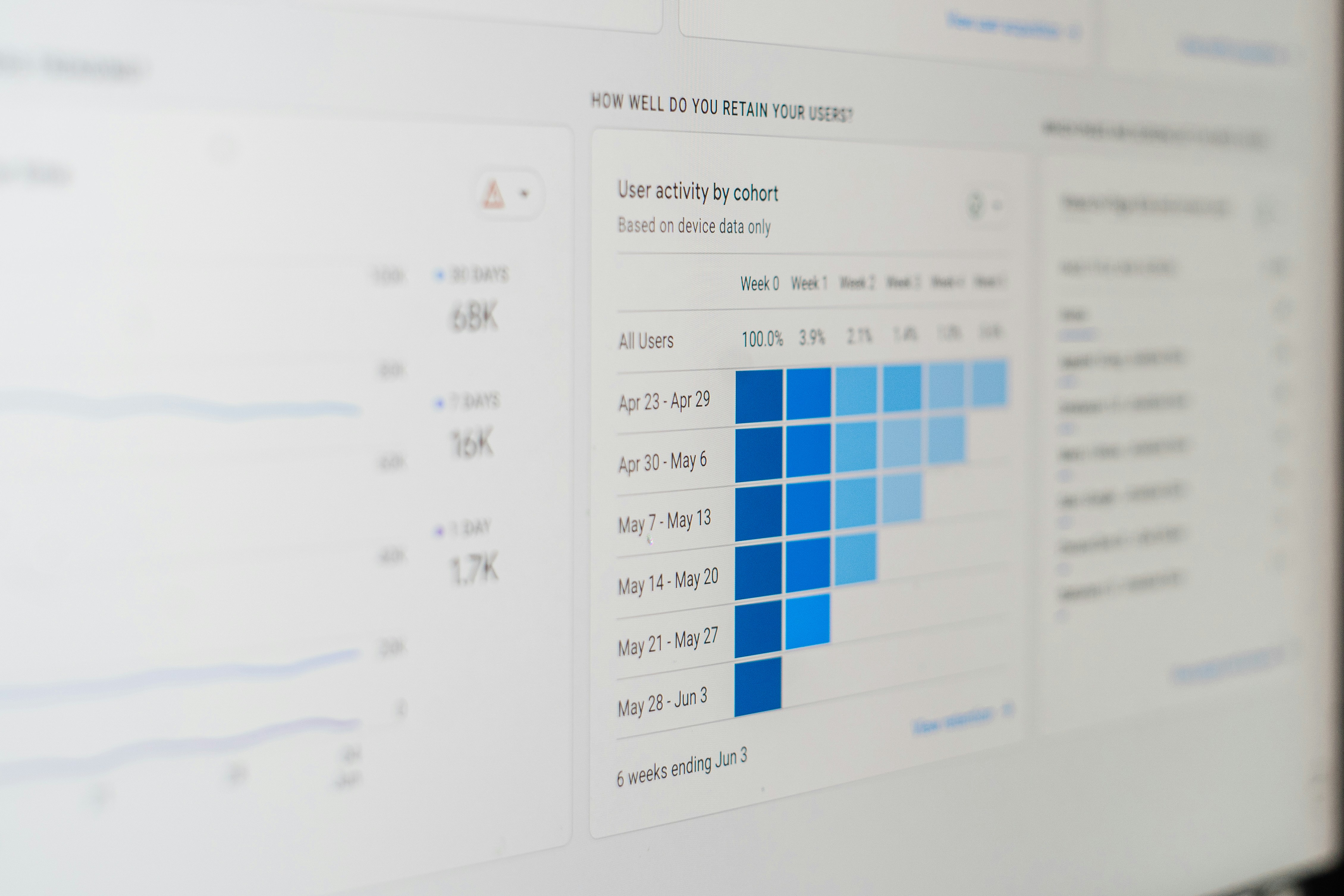
Looker Studio is a powerful business intelligence and data visualization tool that enables organizations to analyze and interpret their data effectively. Serving as a central point for merging various data sources, Looker Studio facilitates streamlined reporting and comprehensive analytics. By integrating seamlessly with platforms such as Google Analytics, Google Ads, and social media data, this tool allows users to transform raw data into actionable insights. The primary purpose of Looker Studio is to empower users, whether they are data analysts or business stakeholders, to gain a deeper understanding of their metrics and trends through visually engaging dashboards.
The functionalities of Looker Studio extend beyond simple data visualization. It provides dynamic reporting capabilities that allow users to create customized reports, which can be tailored to meet specific business needs. In essence, Looker Studio serves not only as a reporting tool but also as an analytical platform that enhances data comprehension and supports strategic decision-making processes. For businesses aiming to improve their organic growth, particularly on platforms like Pinterest, leveraging Looker Studio can be instrumental in deriving insights that inform marketing strategies.
The importance of visual representation of data cannot be overstated. In today’s fast-paced digital landscape, the ability to quickly interpret complex datasets is paramount. Looker Studio’s emphasis on visual analytics enables users to identify patterns, trends, and anomalies at a glance. This enhanced visibility is essential for optimizing social media strategies and measuring campaign effectiveness. By utilizing Looker Studio to visually represent data analytics, businesses can better strategize and refine their approaches to platforms such as Pinterest, ultimately driving organic growth and maximizing engagement with their target audience.
Understanding Pinterest as an Organic Channel
Pinterest has established itself as a distinct platform that operates uniquely compared to other social media channels. Its primary focus on visual discovery makes it particularly appealing for users searching for inspiration across various interests, including fashion, home decor, and recipes. The demographics of Pinterest users predominantly consist of younger audiences, with a significant portion of users being women. However, the platform is witnessing a diversification in its user base, with increasing engagement from male users and older demographics, establishing it as a vibrant community for diverse interests.
One of the standout features of Pinterest is its powerful search functionality. Users often utilize Pinterest as a search engine, inputting keywords to discover pins that resonate with their needs or aesthetic preferences. This behavior creates an opportunity for brands and content creators to optimize their pins with relevant keywords, thereby increasing visibility within searches. Properly utilizing Pinterest’s search capabilities can significantly enhance organic traffic, as users are likely to share compelling and visually appealing content that leads back to the original source.
The type of content that thrives on Pinterest emphasizes high-quality images, infographics, and engaging video content. Additionally, actionable and inspirational content that provides users with practical tips, DIY guidance, or visual storytelling performs particularly well. As an organic channel, Pinterest allows businesses to cultivate a strong presence and fosters customer engagement through captivating visuals that entice users to explore further. This organic engagement is instrumental in driving conversions, as users who discover content through Pinterest are often in a mindset ready to act, making it essential for brands to align their content strategy with the unique characteristics of Pinterest to maximize its potential.
Setting Up Looker Studio with Pinterest Data
Connecting Looker Studio with Pinterest data is a crucial step for marketers aiming to leverage analytics for organic growth on this visual platform. To commence this process, users need to have a Pinterest Business account, ensuring they have access to the necessary API endpoints. First, navigate to the Looker Studio homepage and initiate a new report. From the creation menu, users should select “Data Source” to establish a connection with Pinterest.
The next step is to select the Pinterest API as the data connector. This action typically involves inputting valid API credentials associated with your Pinterest Business account. Ensure that you have already generated an access token through the Pinterest Developer platform, as this token is essential for authenticating your request and gaining access to your Pinterest data.
Once the connection is established, users can specify which data fields they wish to import into Looker Studio. Engagement metrics such as likes, repins, and comments provide insights into how content resonates with users. Additionally, importing impressions and click-through rates can help gauge the effectiveness of pins in driving traffic to linked content. By choosing relevant dimensions and metrics, users can tailor their data insights to align with their specific marketing goals.
It is also essential to regularly update the data source to reflect the most current metrics. This can usually be configured directly within the settings of the Looker Studio dashboard, where users can schedule automatic refreshes. This regular updating ensures that the strategies derived from the data are based on the latest insights, thereby enhancing the decision-making process. By effectively linking Looker Studio with Pinterest data, marketers can create powerful dashboards that visualize performance and identify growth opportunities within their organic Pinterest campaigns.
Creating Insightful Reports in Looker Studio
Building effective reports in Looker Studio requires a thoughtful approach to data visualization, especially when dealing with Pinterest data aimed at driving organic growth. To begin, it is essential to select the right metrics that align with your marketing objectives. Key performance indicators (KPIs) such as impressions, clicks, and engagement rates are critical for understanding how well your content resonates with your target audience. Incorporating these metrics into your reports allows for a thorough analysis of your Pinterest strategy over time.
Once you determine which metrics to track, the next step is to create custom dashboards tailored specifically to your needs. Looker Studio provides a user-friendly interface that allows you to drag and drop elements, enabling you to design a layout that clearly presents your data. Consider grouping related metrics together; for instance, combining performance analytics on your most engaging pins can provide insights on what content types drive interaction. This structure not only enhances the visual appeal of your reports but also makes it easier for stakeholders to grasp the essential data at a glance.
Using appropriate visualizations is equally important when presenting Pinterest data in Looker Studio. Different types of charts and graphs can elucidate trends and patterns more effectively than tables of raw data. For instance, line charts can display changes in traffic over time, whereas pie charts can illustrate engagement distribution among various pin categories. Such visual representations support decision-making by allowing users to quickly assess performance metrics and their implications for organic growth strategies.
Overall, the combination of relevant metric selection, customized dashboards, and thoughtful visualizations within Looker Studio can significantly enhance data interpretation and support informed decision-making regarding Pinterest strategies for organic growth.
Analyzing Organic Performance on Pinterest
To effectively harness Looker Studio for boosting organic growth on Pinterest, it is essential to analyze specific metrics that reflect the platform’s performance. This data-driven approach allows marketers and content creators to make informed decisions that enhance their presence on Pinterest.
One of the primary metrics to examine is the engagement rate. This metric indicates how actively users interact with pins, encompassing actions such as repins, likes, and comments. A high engagement rate signals that the content resonates well with the audience, while a low rate may highlight the need for content reassessment. Looker Studio facilitates the visualization of these engagement metrics over designated time periods, allowing for trend analysis and the identification of peak performance intervals.
Another critical metric is audience demographics. Understanding who interacts with your content can refine targeting efforts. Looker Studio can display demographic information, including age, gender, and location, which helps tailor future pins to meet the preferences of specific audience segments. Furthermore, leveraging insights from demographic data can enhance content relevance, making it more appealing to potential followers.
The effectiveness of various pin formats also warrants attention in this analysis. Pinterest supports multiple formats, including images, videos, and carousel pins. Evaluating performance by pin type through Looker Studio reports allows marketers to discern which formats generate the most engagement. For instance, a significant number of interactions with video pins may suggest a need to incorporate more video content into the marketing strategy.
By analyzing these vital metrics—engagement rates, audience demographics, and pin format efficacy—organizations can draw insights that inform their future strategies. The ability to continuously monitor and assess performance through Looker Studio eventually leads to more successful organic growth on Pinterest.
Optimizing Content for Organic Reach
Effective content optimization on Pinterest demands a strategic approach that leverages data-driven insights from Looker Studio. By analyzing report metrics, users can discern trends and perform adjustments that enhance organic reach. One pivotal factor is image selection, as visuals are the cornerstone of Pinterest engagement. Using high-quality, eye-catching images that align with trending aesthetics significantly boosts the likelihood of user interaction. It is advisable to utilize vertical images, as they optimize space and garner more attention on user feeds.
Keyword utilization is another essential aspect of optimizing content for organic growth. Conduct thorough keyword research to identify terms that resonate with your target audience. Integrating these keywords, along with their synonyms and related phrases, into pin descriptions and titles enhances visibility in Pinterest searches. Furthermore, content should include a variety of long-tail keywords, which often have less competition and can drive more targeted traffic to your pins.
Pin descriptions also play a crucial role in optimization. Craft detailed, informative descriptions that encapsulate the content of the pin while incorporating relevant keywords. This not only aids in searchability but also provides potential viewers with context about the content being presented. Additionally, employing engaging calls-to-action encourages users to take the next step, whether that’s visiting a website or saving the pin for later use.
Timing is another strategic element. Analyzing Looker Studio reports can unveil peak engagement times, allowing you to schedule pinning activities when your audience is most active. Consistency in pinning can lead to a higher ranking in Pinterest’s algorithm, further augmenting your organic reach. By embracing these best practices, users can maximize their content’s visibility and engagement on Pinterest, ultimately driving organic growth through strategic utilization of Looker Studio insights.
Utilizing A/B Testing Through Looker Studio
A/B testing, a crucial methodology in digital marketing, allows marketers to evaluate different strategies by comparing variations of content to determine which performs better. In the context of Pinterest, this involves testing various elements such as images, keywords, and descriptions to enhance organic growth. Looker Studio facilitates this process by providing robust data analytics capabilities, allowing users to visualize and interpret results effectively.
To initiate A/B testing using Looker Studio, one must first identify the elements that will undergo testing. For instance, a marketer may choose to test two different pin designs. One pin might feature a minimalistic approach with a bold image, while the other could utilize a vibrant collage. By segmenting the audience and directing equal traffic to these variations, marketers can gather data on engagement metrics such as clicks, saves, and impressions.
As data is collected, Looker Studio’s analytical tools can be employed to visualize performance differences between the two designs. Users can create dashboards that display key performance indicators in real-time, enabling instant assessment of which design garners more organic interaction. Moreover, this testing strategy can extend beyond visuals to include keywords. Testing different descriptions or hashtags allows marketers to identify which combinations yield the highest organic reach.
For practical scenarios, consider a situation where a brand utilizes images of products in usage compared to stylized product shots. By analyzing the results in Looker Studio, marketers can determine which imagery resonates better with their audience, leading to refined content strategies that prioritize high-performing elements. This method not only boosts engagement but also optimizes the overall effectiveness of Pinterest campaigns.
Case Studies of Successful Brands on Pinterest
Pinterest has emerged as a vital platform for brands to connect with their audience and drive organic growth. Leveraging analytical tools such as Looker Studio has enabled various brands to optimize their strategies effectively. One notable example is a well-known home décor brand, which implemented Looker Studio to track user engagement metrics. By closely monitoring key indicators such as repins, clicks, and impressions, the brand developed a content strategy tailored to its audience’s interests. This data-driven approach resulted in a 40% increase in monthly unique visitors to their Pinterest page.
Another compelling case is that of an e-commerce fashion retailer that utilized Looker Studio to analyze customer behavior and trending styles. Through comprehensive data analysis, the retailer identified which products resonated most with their audience. By creating visually appealing pins that featured these popular items, they were able to drive a 60% uplift in website traffic coming from Pinterest. This strategic shift not only improved sales but also enhanced brand visibility across social media platforms.
In the food and beverage industry, a renowned organic snack brand turned to Looker Studio to refine their Pinterest marketing efforts. By tracking metrics such as audience demographics and peak engagement times, they crafted targeted campaigns that showcased their products through visually enticing recipes and meal ideas. The impact was significant, with a 50% increase in engagement rates and a substantial rise in brand awareness. This case exemplifies how insightful metrics can fuel a brand’s organic strategy, leading to greater interaction on a platform as visually oriented as Pinterest.
These case studies highlight that utilizing Looker Studio for tracking key performance metrics not only aids brands in their strategic development but significantly boosts brand visibility and engagement on Pinterest.
Conclusion and Future Trends
In an era where data-driven decision-making is crucial, utilizing Looker Studio to analyze organic growth on Pinterest is paramount for marketers and content creators. This powerful analytics tool not only provides in-depth insights into user engagement and traffic sources but also equips users with the ability to tailor their content strategies effectively. By leveraging Looker Studio, businesses can identify trends, measure key performance indicators, and make informed decisions to enhance their organic reach on Pinterest.
As social media platforms continue to evolve, it is evident that the importance of analytics will only grow. Future trends suggest a shift towards more integrated data solutions that allow for real-time analytics and predictive modeling. Companies that embrace these advanced capabilities and incorporate them into their strategies will likely maintain a competitive edge in the rapidly changing landscape of digital marketing.
Moreover, the rise of visual content, particularly in platforms like Pinterest, underscores the necessity of harnessing Looker Studio’s capabilities to monitor and optimize visual strategy. Understanding audience preferences and behavior through refined analytics will enable marketers to craft compelling visual stories that resonate well with their target demographics. Furthermore, the increasing demand for personalized content means that businesses should invest in the analytics needed to better understand consumer segments and tailor their messaging accordingly.
To stay ahead of the curve, professionals should actively engage in ongoing education and adaptation, ensuring that they remain proficient in utilizing tools such as Looker Studio. By continuously refining their approach and embracing emerging trends, they can effectively enhance their organic strategies on Pinterest and across other platforms. Ultimately, those who capitalize on the power of data will be well-positioned to drive organic growth and achieve sustained success in the digital realm.