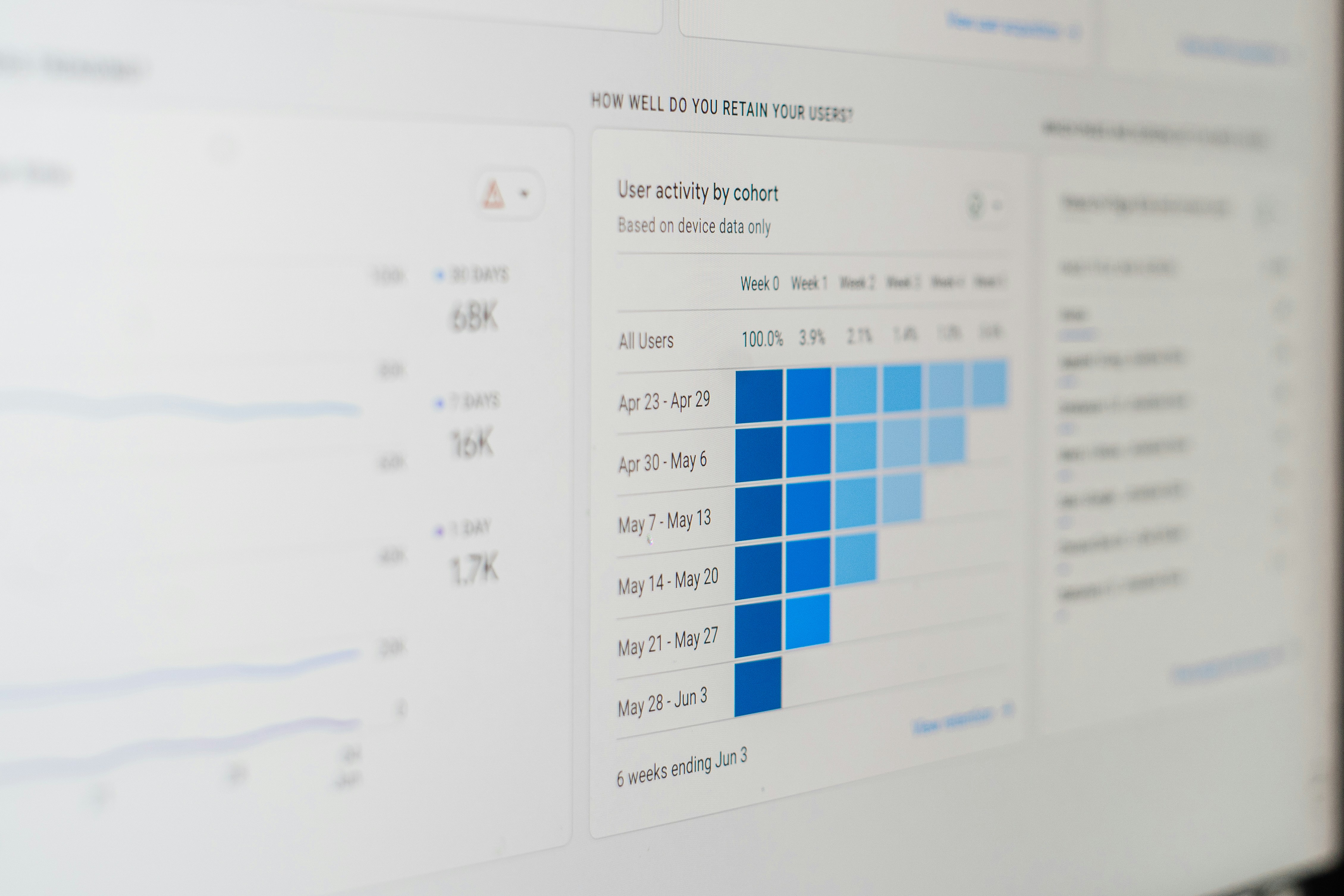
Introduction to Looker Studio and Delta Tables
Looker Studio is a powerful data visualization tool leveraged by organizations to make informed decisions based on real-time data insights. This platform excels in transforming raw data into comprehensive visual reports, allowing users to understand complex datasets with ease. Looker Studio provides a user-friendly interface where individuals can create custom dashboards and interactive reports, making it a valuable asset for businesses looking to enhance their data analytics capabilities.
Central to Looker Studio’s functionality is its ability to integrate seamlessly with various data sources. One such source is Delta Tables in Databricks, an increasingly popular framework for managing big data. Delta Tables represent an advanced data format built on the Apache Parquet format, providing capabilities such as ACID transactions, scalable metadata handling, and data versioning. These features facilitate efficient data storage and ensure high data reliability while promoting effective data management practices.
The integration between Looker Studio and Delta Tables in Databricks is particularly crucial for organizations aiming to harness the full potential of their data. By connecting Looker Studio with Delta Tables, users can access and visualize large, structured datasets efficiently. This connection enables real-time data analysis, enhancing overall business intelligence efforts. Furthermore, as businesses seek to adopt a more data-driven culture, tools like Looker Studio and Delta Tables become instrumental in delivering actionable insights swiftly.
In this context, understanding both Looker Studio’s capabilities and the significance of Delta Tables is essential for professionals looking to leverage data for strategic advantages. The combination of these two can lead to improved data-driven decision-making processes, empowering organizations to stay competitive in a rapidly evolving marketplace.
Benefits of Using Looker Studio for Data Visualization
Looker Studio serves as a crucial data visualization tool, particularly when integrated with Delta tables in Databricks. One of the most significant advantages of using Looker Studio is its ability to enhance data analytics. By transforming complex datasets into interactive and understandable visuals, businesses can make more informed decisions. Enhanced data visualization allows users to identify trends and patterns that may not be visible in raw data formats, thereby facilitating deeper insights.
Another noteworthy benefit is Looker Studio’s user-friendly interface, designed to accommodate non-technical users. This accessibility is vital, as it democratizes data analytics across various departments in an organization. Employees without a background in data science can easily interact with the platform, create reports, and visualize data findings. This ease of use not only accelerates the data analysis process but also empowers a broader range of users to engage with data, promoting a data-driven culture within the organization.
Collaboration features integrated into Looker Studio further enhance its effectiveness as a visualization tool. The platform allows multiple users to simultaneously work on data projects, share findings, and provide feedback in real-time. This collaborative environment fosters innovation and enables teams to harness diverse perspectives, leading to more robust outcomes. For instance, marketing teams can swiftly visualize customer data to adapt campaigns, while finance teams can monitor business performance through shared dashboards.
Finally, Looker Studio’s scalability caters to businesses of varying sizes and needs. As an organization grows, its data requirements naturally become more complex. Looker Studio seamlessly scales with these evolving needs, ensuring organizations can expand their data analytics capabilities without a hitch. Whether utilized in small-scale projects or larger enterprise demands, Looker Studio at Internet Delta Table Databricks remains a versatile solution for enhancing data visibility and accessibility.
Understanding Databricks and Delta Tables
Databricks is a unified analytics platform that simplifies big data management and machine learning, enabling data engineers and data scientists to collaborate seamlessly. By integrating data processing and data exploration tools, it facilitates a robust analytics workflow. A pivotal component of Databricks is Delta Lake, which enhances data lakes by introducing features traditionally associated with data warehouses. This amalgamation leads to improved data accessibility, consistency, and reliability.
One of the standout features of Delta Tables is their support for ACID transactions, which ensures that all operations are performed reliably and consistently. This transactional integrity is essential for environments where data accuracy is vital, allowing multiple users to read and write data without compromising the database’s integrity. Additionally, the ability to perform atomic operations reduces the complexity associated with data manipulation, enabling smooth execution even under heavy load.
Delta Tables also provide scalable metadata handling, which is particularly beneficial when working with extensive datasets. Unlike traditional data lakes that can struggle with metadata management as data volume grows, Delta Lake optimizes metadata operations, thereby ensuring efficient queries and improved performance. This efficiency is reinforced by the underlying architecture of Databricks, which allows for distributed processing of data, thus enhancing throughput and response times.
Moreover, performance optimizations inherent in Delta Tables, such as data skipping and Z-Ordering, enable queries to run significantly faster by minimizing the data scanned. These features make them highly advantageous for modern data processing needs, especially when integrating Looker Studio at internet delta table databricks. By leveraging these capabilities, organizations can maximize the utility of their data lakes while enabling faster and more efficient data analytics workflows.
Integrating Looker Studio with Delta Tables in Databricks
The integration of Looker Studio with Delta Tables in Databricks is a pivotal process for organizations looking to leverage advanced data analytics capabilities. To initiate this integration, specific prerequisites must be fulfilled. First and foremost, having access to Databricks and the appropriate permissions to manage Delta Tables is essential. Additionally, familiarity with Looker Studio and some fundamental understanding of SQL will facilitate a smoother integration process.
Once the prerequisites are established, the next step is to set up the connection between Looker Studio and Databricks. This can typically be achieved by utilizing JDBC or ODBC drivers tailored for Databricks. These drivers enable Looker Studio to communicate effectively with Delta Tables, ensuring that data can be pulled and queried without any bottlenecks. If you have not yet installed the necessary drivers, you can download them from the Databricks website, following their installation guidelines.
Following the successful driver installation, you will need to configure Looker Studio to recognize the Delta Tables in Databricks. Start by selecting the ‘Add Data Source’ option in Looker Studio, where you will choose the Databricks connector. During this process, you’ll be prompted to input details such as the server hostname, port number, and your personal authentication credentials. It’s advisable to use SSL encryption to ensure secure communication between Looker Studio and Databricks, particularly when sensitive data is involved.
Once the connection setup is complete, you will need to map the Delta Tables to Looker Studio. This involves selecting which tables you wish to utilize for your reports and dashboards. Finally, you can test the connection to verify if Looker Studio can successfully pull data from the Delta Tables in Databricks. A successful test indicates that the integration has been correctly executed, enabling users to harness the full potential of Looker Studio alongside Delta Table functionalities in Databricks.
Creating Reports with Looker Studio on Delta Table Data
Looker Studio is a powerful analytical tool that allows organizations to create insightful reports and visualizations, particularly when sourced from Delta Tables in Databricks. The integration of Looker Studio with Delta Tables opens up a variety of reporting capabilities that can significantly enhance data interpretation and decision-making. Delta Tables maintain a time-traveling feature that permits users to query historical data seamlessly, making it an excellent foundation for dynamic reporting.
When generating reports with Looker Studio using Delta Table data, users can leverage various types of reports based on their needs. These include regular performance reports, ad-hoc analyses, and dashboards tailored for different audiences. Utilizing Looker Studio’s built-in visualization techniques, such as bar graphs, line charts, and heat maps, enables the effective representation of complex datasets in a more accessible format. The capability to filter and manipulate data in real-time further enriches the reporting experience, allowing stakeholders to extract specific insights pertinent to their business objectives.
Effective report design is crucial for impactful data storytelling. It is essential to apply best practices, such as maintaining a clear layout, ensuring a logical flow of information, and selecting appropriate visualization types. Utilizing colors and fonts consistently enhances readability, drawing attention to key metrics and trends. Additionally, craft narratives around the data by contextualizing the findings to empower stakeholders to make informed decisions. Overall, incorporating Looker Studio with Delta Table data in Databricks not only streamlines the reporting process but also enhances the value extracted from data analysis. Observing these best practices can facilitate the creation of meaningful reports that resonate with decision-makers.
Enhancing Data Quality and Performance Using Delta Tables
Delta Tables in Databricks provide a robust framework for improving data quality and performance, especially when utilized with Looker Studio. One of the primary advantages of Delta Tables is their capability for schema enforcement, which ensures that the data being ingested adheres to predefined structures. This feature significantly reduces the chances of inconsistencies or errors that can arise during data processing. By implementing schema enforcement, organizations can rest assured that their data remains reliable and accurate, which is crucial for generating meaningful reports in Looker Studio at Internet Delta Table Databricks.
Another essential feature of Delta Tables is data validation. This process allows users to apply rigorous checks to ensure that the incoming data meets specific quality criteria before it is loaded into the database. Through this validation step, companies can filter out invalid records, thereby maintaining a high standard of data integrity. Ensuring that only valid data is used in reporting leads to more trustworthy insights in Looker Studio and helps stakeholders make informed decisions.
Performance optimization techniques further enhance the usability of Delta Tables. For instance, Delta Lake leverages optimizations such as data partitioning, which organizes data in a way that improves query performance. This is particularly important when working with large datasets, where fast access and processing times are essential for effective reporting within Looker Studio. By optimizing the way data is stored and queried, organizations can experience significant improvements in performance, resulting in quicker report generation and more responsive analytics solutions.
In conclusion, using Delta Tables within Databricks significantly enhances the quality and performance of data used in Looker Studio reports. By leveraging schema enforcement, data validation, and performance optimization techniques, organizations can ensure that they maintain high standards of accuracy and efficiency in their reporting processes.
Use Cases: Real-World Applications of Looker Studio and Delta Tables
Looker Studio integrated with Delta Tables in Databricks has emerged as a powerful solution for organizations aiming to derive insights from their data. This integration allows businesses across various industries to leverage real-time analytics, ensuring they remain competitive in a data-driven landscape. One prominent example is in the healthcare sector, where hospitals and clinics utilize Looker Studio to analyze patient data from Delta Tables. By doing so, they can track patient outcomes, identify trends, and improve overall care quality while ensuring compliance with health regulations.
In the retail industry, companies exploit Looker Studio combined with Delta Tables to optimize inventory management. By analyzing sales data and inventory levels in real-time, retailers can make informed decisions about stock replenishment. This not only minimizes excess inventory but also enhances customer satisfaction through improved availability of products. Furthermore, this data-driven approach helps retailers predict consumer behavior, ultimately contributing to increased sales and efficiency.
Additionally, the finance sector has embraced the integration of Looker Studio with Delta Tables to manage risk and compliance. Financial institutions utilize advanced analytics to monitor transactions and detect anomalies. With Delta Tables providing reliable historical data, professionals can perform thorough risk assessments, build predictive models, and ensure that they remain compliant with regulatory requirements. The ability to visualize this complex data effortlessly in Looker Studio empowers finance teams to make timely, informed decisions.
Finally, the manufacturing industry benefits significantly from this integration. Companies use Looker Studio to analyze supply chain data stored in Delta Tables, enhancing visibility into production processes. By identifying inefficiencies and potential bottlenecks, manufacturers can optimize workflows and reduce costs. This comprehensive understanding of their operations enables organizations to adjust their strategies dynamically in response to market changes.
These diverse applications highlight the versatility and potential of Looker Studio at Internet Delta Table Databricks across various sectors. By effectively leveraging this integration, organizations can tackle their unique challenges, ultimately driving growth and innovation.
Common Challenges and Solutions in Integration
Integrating Looker Studio with Delta Tables in Databricks presents several challenges that users may encounter. One common issue is data latency, which can impede real-time data analysis and reporting. When dealing with large datasets, delays in data processing may occur, particularly if the data is not optimized for performance. To mitigate this challenge, users should consider implementing incremental data loading strategies or utilizing Delta Lake’s ability to handle schema evolution. These approaches can significantly reduce latency, ensuring timely access to insights within Looker Studio.
Another significant challenge involves managing permissions. As Looker Studio interacts with Delta Tables in Databricks, ensuring that the appropriate users have the necessary read and write permissions is crucial. Misconfigured permissions can lead to access issues, frustrating end-users who may be unable to view or manipulate data as needed. Establishing a clear permissions model in Databricks, along with proper role assignments, can facilitate smoother user experiences and enhance collaboration across teams. Regular audits of permission settings can also help identify and resolve potential conflicts.
Configuration errors can further complicate the integration process. Users may face challenges related to the initial setup of Looker Studio, including incorrect connections to Delta Tables or misalignment of configuration parameters. To address this, referring to comprehensive setup documentation and ensuring alignment between Looker Studio and Databricks configurations is essential. Utilizing community forums and support channels can provide additional insights and troubleshooting techniques. Furthermore, conducting thorough pre-implementation testing can help identify and rectify configuration issues before rolling out the integration.
Overall, while there are notable challenges in integrating Looker Studio with Delta Tables in Databricks, applying best practices and proactive problem-solving strategies can facilitate a successful integration process.
Conclusion and Next Steps
Integrating Looker Studio with Delta Tables in Databricks offers a unique pathway to enhancing data visualization capabilities. Throughout this discussion, we have explored how Looker Studio enables users to create insightful dashboards and reports, while Delta Tables provide robust data management and performance benefits. The synergy between these two technologies allows for real-time data analysis, enabling organizations to make data-driven decisions faster and more effectively.
We have examined the advantages of using Delta Tables within Databricks, including their ability to handle large volumes of data efficiently, maintain data integrity, and facilitate machine learning workflows. When paired with Looker Studio’s powerful visualization tools, businesses can interpret complex datasets with ease, unveiling trends and insights that can inform strategic initiatives. This integration not only streamlines the reporting process but also enhances collaboration across teams by providing a singular platform for data exploration and visualization.
As we conclude our exploration of Looker Studio at Internet Delta Tables in Databricks, it is essential for readers to consider the next steps in their journey. To further enhance your understanding and proficiency, we recommend delving into available resources such as tutorials, webinars, and community forums dedicated to these tools. Hands-on practice is invaluable; therefore, consider setting up a small project that utilizes Delta Tables in Databricks, while integrating Looker Studio for visual analytics. Such initiatives will not only reinforce your learning but also empower you to leverage these technologies effectively within your organization.
By embracing these powerful tools, users can unlock the full potential of their data and drive impactful outcomes. Stay informed about new features and updates within both Looker Studio and Databricks to continuously improve your data visualization experience.