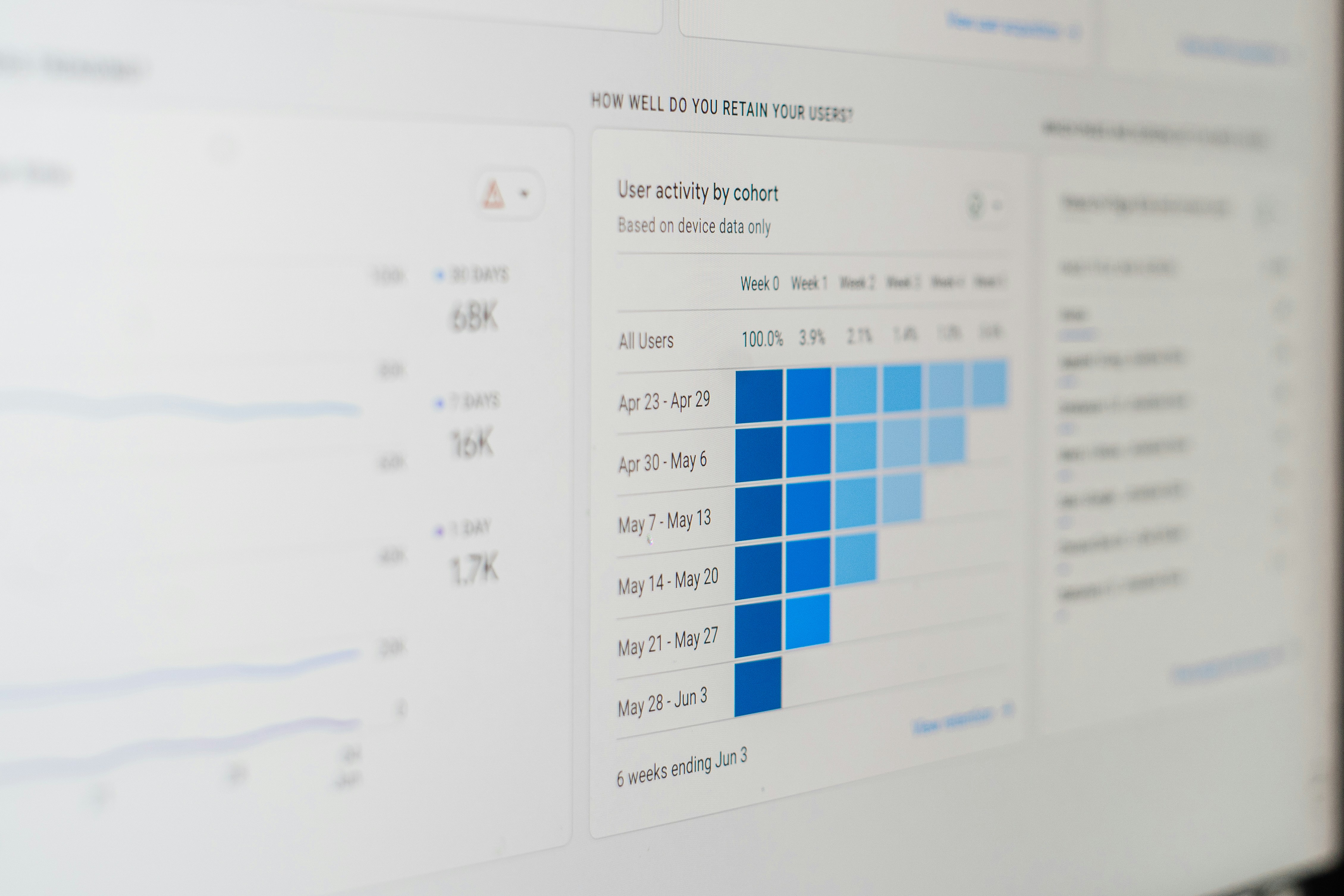
Introduction to Looker Studio and Sysharmony
In today’s data-driven landscape, organizations increasingly rely on advanced tools for data visualization and analytics. Looker Studio, a powerful business intelligence tool, allows users to create comprehensive reports and dashboards through enriching visual displays of information. By transforming raw data into insightful narratives, Looker Studio enables decision-makers to derive actionable insights swiftly, facilitating informed business strategies. Its flexibility in handling various data sources makes it an ideal choice for organizations seeking to optimize their reporting capabilities.
Complementing Looker Studio is Sysharmony, a robust integration platform specializing in data harmonization. Sysharmony focuses on simplifying the connection between disparate data sources and Looker Studio, ensuring that data flows seamlessly and efficiently. With the capability to consolidate, cleanse, and enhance data, Sysharmony prepares businesses for more impactful analytics, empowering them to tap into the full potential of their data.
The integration of Looker Studio and Sysharmony offers several advantages to businesses navigating the complexities of data reporting. Together, they facilitate the generation of comprehensive, visually appealing reports without unnecessary manual intervention. This synergy allows organizations to save both time and resources, as users can access and analyze critical data promptly. Furthermore, the harmonious relationship between the two platforms assists in maintaining data integrity and consistency, enhancing the reliability of the insights drawn from the analysis.
Ultimately, Looker Studio coupled with Sysharmony presents a formidable solution for businesses aiming to elevate their data reporting practices. By understanding the significance of these two platforms, organizations can leverage their capabilities to not only gain deeper insights but also foster data-driven cultures that enhance efficiency and strategic decision-making.
Setting Up Looker Studio for Effective Data Analysis
To harness the full potential of Looker Studio for data analysis, it is essential to follow a systematic approach to set up the platform effectively. The initial steps involve creating an account and accessing the Looker Studio interface. Once logged in, users should familiarize themselves with the dashboard elements, as it serves as the main interface for data analysis.
The first crucial step in the setup process is to configure the settings that align with the organization’s data analysis goals. This includes defining user permissions, which ensure that team members can access the necessary data while maintaining data security. Properly controlling access levels is pivotal for safeguarding sensitive information and enabling collaborative data analysis across departments.
Next, users should focus on creating personalized dashboards. A dashboard visually represents key metrics and insights, allowing for real-time data analysis. Looker Studio provides various templates that can be customized to fit specific needs. To begin building a dashboard, select relevant data visualizations that highlight performance indicators and trends. This is where the power of effective data visualization becomes evident, as it simplifies complex data sets into understandable metrics.
In addition to dashboard creation, integrating data sources is a fundamental aspect of utilizing Looker Studio. By connecting to various data sources, such as Google Sheets, SQL databases, or external APIs, users can centralize their data analytics efforts. To integrate a data source, navigate to the ‘Add Data’ section within Looker Studio, and select the desired connection type. Follow the prompts to establish a successful linkage, ensuring that data can flow seamlessly into your dashboards.
By completing these steps, organizations can effectively set up Looker Studio, laying the groundwork for robust data analysis. The combination of well-configured dashboards and integrated data sources enables teams to derive actionable insights, optimizing their decision-making processes.
Integrating Sysharmony with Looker Studio
The integration of Sysharmony with Looker Studio is a pivotal step in leveraging the data capabilities of both platforms. To initiate this process, users must first configure the necessary API settings. This entails generating an API key within the Sysharmony platform, which serves as a secure gateway for Looker Studio to access and retrieve data from Sysharmony.
Once the API key has been created, users need to navigate to the settings in Looker Studio to properly enter this key. This step is crucial as it ensures that Looker Studio can authenticate and establish a reliable connection with Sysharmony. It is also recommended to verify that the permissions granted to Looker Studio align with the data access requirements, allowing for a seamless data flow.
Following the authentication setup, users must define the data sources they intend to utilize within Looker Studio. This can include selecting specific datasets stored in Sysharmony, which can be visualized and manipulated through Looker Studio’s interface. It is essential to ensure that the chosen datasets are well-organized within Sysharmony, promoting effective data retrieval and analysis.
Another critical factor in this integration is the management of data flow. Users should familiarize themselves with the various options available within Looker Studio for transforming and displaying data. This involves configuring data connections and exploring the built-in functionalities that allow for real-time data updates. Proper configuration will facilitate accurate reporting and dashboard generation, ultimately enhancing decision-making processes.
In summary, the integration process between Sysharmony and Looker Studio requires careful attention to API settings, permissions, and data flow management. By following these guidelines, users can successfully harness the potentials of both platforms, enabling efficient data analysis and visualization that drives organizational success.
Key Features of Looker Studio for Enhanced Reporting
Looker Studio, a powerful business intelligence and data visualization tool, offers a wide array of features that enhance reporting and data analysis for organizations. Among its most notable functionalities is the ability to create customizable dashboards that allow users to tailor their data views to meet specific needs or preferences. Users can easily drag and drop various data components, ensuring that the most relevant metrics are always highlighted. This flexibility not only improves the user’s experience but also facilitates quick access to critical insights needed for informed decision-making.
Another significant feature of Looker Studio is the capability for real-time data updates. Unlike traditional reporting tools that rely on static data, Looker enables organizations to receive instant feedback from their data sources. This function is especially vital in fast-paced business environments where timely information can influence strategies and outcomes. By displaying real-time analytics, Looker empowers users to make data-driven decisions that are both immediate and relevant, enhancing their response to changing business conditions.
Moreover, Looker Studio supports collaborative reporting, allowing multiple stakeholders to engage with the data simultaneously. Teams can share dashboards and reports, fostering an environment of transparency and collective insight generation. This collaboration not only promotes a data-driven culture within organizations but also ensures alignment among departments and teams regarding their objectives and performance metrics. By integrating these collaborative features, Looker Studio significantly strengthens the framework for reporting and enhances strategic alignment with data-driven goals.
In summary, the robust features of Looker Studio, from customizable dashboards and real-time data updates to collaborative reporting tools, play a crucial role in transforming how organizations handle data and make decisions. This comprehensive approach facilitates effective reporting, ultimately supporting enhanced business performance through informed decision-making.
Leveraging Sysharmony Data for Business Insights
In today’s data-driven business landscape, organizations are increasingly seeking ways to leverage valuable insights derived from their data resources. Sysharmony, with its comprehensive suite of data management tools, plays a pivotal role in helping businesses unlock these insights. By effectively utilizing Sysharmony’s data, companies can enhance their strategic decision-making processes and drive sustained growth.
Consider the case of a retail company that implemented Sysharmony data analytics to improve its inventory management. By analyzing sales patterns and customer behavior, the company identified seasonal trends and was able to adjust its stock levels accordingly. This proactive approach resulted in a significant reduction of inventory costs and minimized stockouts, ultimately leading to an increase in customer satisfaction and sales revenue. Such examples underscore the importance of data-driven strategies in optimizing business operations.
Another illustrative case involves a financial services firm that harnessed Sysharmony’s data visualization features to analyze client portfolios. This enabled the firm to identify underperforming assets and recommend adjustments tailored to market conditions. As a result, clients experienced improved returns, and the firm gained a competitive edge in the financial sector. This scenario highlights how integrating Sysharmony data into financial analyses can enhance service delivery and client retention.
By tapping into Sysharmony’s multifaceted data capabilities, organizations across various industries can derive actionable insights that inform their strategic initiatives. The impact of these insights is not limited to operational efficiencies; they also pave the way for innovative product developments and enhanced customer experiences. As such, leveraging Sysharmony data serves as a key driver of business agility and resilience in an ever-evolving market landscape.
Best Practices for Using Looker Studio with Sysharmony
When utilizing Looker Studio in conjunction with Sysharmony, it is essential to adhere to certain best practices to maximize efficiency and effectiveness. Keeping data integrity at the forefront is crucial. Implementing a robust data governance strategy ensures that the data flowing into Looker Studio remains accurate and reliable. This includes regular data validation processes and utilizing Sysharmony’s capabilities for monitoring data quality. By establishing strict access controls and roles within Sysharmony, organizations can prevent unauthorized changes to sensitive data sets, thereby preserving data integrity.
Another significant consideration is optimizing performance. When integrating Looker Studio and Sysharmony, maintaining efficient data queries is vital. This can be accomplished by keeping data models simple and well-structured, thereby minimizing latency. Utilizing aggregate tables in Sysharmony can greatly enhance performance by reducing the volume of data that Looker Studio must process. Furthermore, leveraging caching mechanisms available within Looker can help improve the responsiveness of reports and dashboards, resulting in a seamless user experience.
User adoption is equally important when employing Looker Studio with Sysharmony. To foster a culture of usage, it is advisable to provide comprehensive training and resources to users. Ensuring that users understand the functionalities of Looker Studio—especially in relation to Sysharmony—will lead to increased engagement and ultimately better data-driven decision-making. Hosting regular feedback sessions will help in identifying challenges users face, thus enabling continuous improvement of the process. By promoting an environment of collaboration and support, organizations can significantly enhance the utilization of both Looker Studio and Sysharmony.
Common Challenges and Solutions in Data Reporting
Data reporting can often present various challenges, especially when integrating platforms like Looker Studio with Sysharmony. One major challenge users may face is data inconsistency. Variations in data formats or discrepancies in data sources can lead to inaccurate reporting. To tackle this issue, it is essential to establish a standard data format prior to integration, ensuring that all incoming data adheres to the same structure. Regular audits and validation processes further help in maintaining data integrity.
Another common obstacle involves managing user access and permissions within Looker Studio and Sysharmony. Properly defining and controlling access levels is crucial for data security and user accountability. Implementing role-based access controls can alleviate these concerns, as it ensures that users can only access the data relevant to their roles. This not only enhances security but also simplifies the user experience by minimizing information overload.
Further complicating matters, the performance of reports can sometimes lag due to heavy data loads. Users may encounter slow rendering times, which can hinder their ability to make timely decisions. One solution is to optimize queries by applying filters to reduce the dataset being processed. Additionally, scheduling data refreshes during off-peak hours can significantly improve performance, as it allows for smoother interaction with reports when users are most active.
Lastly, the learning curve associated with using Looker Studio and Sysharmony can be a barrier for some users. The functionality and features provided by these tools may seem overwhelming initially. To mitigate this issue, providing comprehensive training sessions and readily accessible documentation can empower users, allowing them to utilize the platforms effectively. By addressing these common challenges, users can achieve a seamless reporting experience tailored to their data needs.
The Future of Reporting with Looker Studio and Sysharmony
As the landscape of data reporting and visualization continues to evolve, tools like Looker Studio and Sysharmony are at the forefront of this transformation. The future of reporting is increasingly being shaped by the integration of advanced analytics, machine learning, and augmented analytics capabilities. These enhancements allow users to derive more meaningful insights from their data, promoting data-driven decision-making within organizations.
Looker Studio, previously known as Google Data Studio, has been consistently updated to enhance its functionality and usability. Upcoming features include improved collaboration tools that will enable teams to work more effectively on data visualization projects. Additionally, the integration of artificial intelligence in Looker Studio promises to automate data discovery processes and provide predictive insights. This will not only improve reporting accuracy but will also streamline report generation, making it accessible to users with varying levels of expertise in data analysis.
Sysharmony complements Looker Studio by offering seamless integration capabilities. This partnership aims to enhance the experience of users who require sophisticated data analysis and visualization. By harnessing the power of Sysharmony, businesses can utilize Looker Studio’s reporting tools more effectively. Future developments are expected to revolve around creating customizable dashboards that cater to different business needs, further simplifying the reporting process.
The trend of democratizing data analytics means that both Looker Studio and Sysharmony are committed to making data reporting more intuitive. As user-friendly interfaces continue to be a priority, the focus on providing visualizations that are not only aesthetically pleasing but also insightful is evident. This shift toward creating more interactive and responsive reporting environments will serve to facilitate a deeper understanding of complex datasets.
In light of these emerging trends and advancements, organizations leveraging Looker Studio and Sysharmony are well-positioned to stay ahead in the rapidly changing realm of data analytics and reporting, enhancing their strategic capabilities. As technology continues to progress, the potential for innovation in reporting practices remains vast.
Conclusion and Further Resources
In conclusion, this comprehensive guide has explored the essential facets of utilizing Looker Studio in conjunction with Sysharmony to leverage data insights effectively. By understanding the capabilities of Looker Studio and integrating it with Sysharmony’s robust functionalities, users can optimize their reporting and analytical processes significantly. Key takeaways from this discussion include the importance of efficient data visualization, the seamless integration of various data sources, and the necessity for intuitive user interfaces that facilitate informed decision-making.
To maximize the benefits of these powerful tools, it is advisable for users to dive deeper into their features and explore advanced functionalities. As you venture further into the world of data visualization, you may find numerous additional resources that provide valuable insights and practical guidance. For direct assistance or specific inquiries regarding Looker Studio and its integration with Sysharmony, we encourage you to visit the contact page, where you can reach out for support.
Furthermore, to better understand the range of services that can enhance your analytical capabilities, you may explore what is offered on our services page: Looker Studio Reporting. This will help you to make the most out of your investment in data analytics and visual reporting.
Finally, stay connected with our growing knowledge base by visiting our blog for more insights on data alignment and reporting strategies: our blog. The integration of Looker Studio with various data environments offers a pathway to more informed, data-driven decisions that can significantly influence business outcomes. Explore these resources and elevate your understanding further.