Introduction to Looker Studio and Yandex Directions
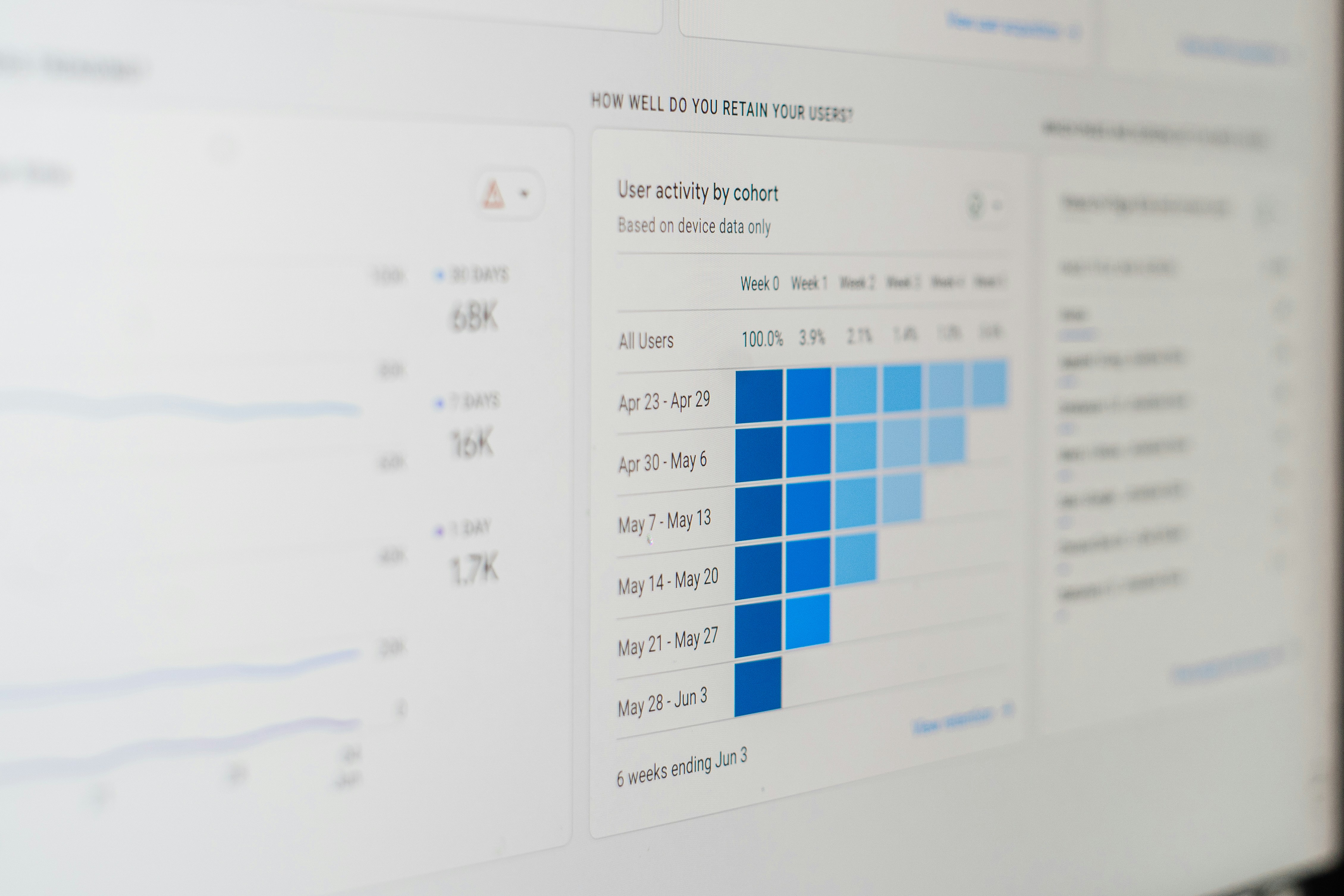
Looker Studio, formerly known as Google Data Studio, is a powerful data visualization and reporting tool that facilitates the transformation of raw data into insightful dashboards and reports. This platform allows users to connect to various data sources, enabling them to create customized visual presentations of their data. The significance of Looker Studio lies in its ability to empower individuals and organizations to better understand their data, make informed decisions, and enhance their overall business intelligence efforts.
Within Looker Studio, Yandex Directions serves as an integral feature that offers valuable insights into geographical and directional data. Yandex Directions is essentially a mapping service that enables users to analyze and visualize location-based information. By incorporating this feature into Looker Studio, users can delve into data related to travel routes, geographical trends, and logistical details, thus enhancing their analytical capabilities.
The purpose of utilizing Yandex Directions in Looker Studio is multifaceted. It allows users to visualize routes taken, assess distance and travel times, and identify optimal paths for various operations. This can be particularly advantageous for businesses in sectors such as logistics, delivery services, and urban planning, where understanding location dynamics is crucial. Moreover, users can leverage Yandex Directions to integrate geographical data with other types of analytics, providing a holistic view of their operations.
Furthermore, through the combination of Looker Studio’s data visualization capabilities and Yandex Directions’ geographic insights, users are equipped with a comprehensive toolset for in-depth analysis. This synergy allows for the exploration of trends, patterns, and correlations that might not be evident when examining data in isolation. As organizations increasingly rely on data-driven strategies, the ability to harness these tools effectively will be fundamental in achieving operational success.
Setting Up Looker Studio
Setting up Looker Studio for the first time can be a straightforward process if approached methodically. The first step is to create an account on the Looker Studio platform. Visit the official Looker Studio website and click on the ‘Sign Up’ button. You will be prompted to provide essential information such as your email address and a secure password. Once you complete the registration, verify your email by clicking on the link sent to your inbox. This action confirms your account and allows you to proceed with the setup.
After establishing your account, the next step is to familiarize yourself with the Looker Studio interface. Upon logging in, you will be greeted by a dashboard featuring different options, such as creating reports, exploring data, and sharing insights. Spend some time navigating through the interface to understand the various functions and features available. Utilizing the help section can also provide valuable insights into the tools at your disposal, ensuring that you are comfortable with the workspace.
The subsequent step involves connecting Looker Studio to Yandex data sources. To accomplish this, navigate to the ‘Data Sources’ option in the menu. Select ‘Add Data Source’ and choose Yandex from the list of available connectors. You may need to authorize Looker Studio to access your Yandex account, which may involve logging in and granting permissions. Once connected, you can proceed to import datasets from Yandex, allowing you to build visual reports and dashboards seamlessly.
In conclusion, by following these procedures, new users can set up Looker Studio effectively, positioning themselves to utilize its robust capabilities in data visualization and analysis.
Integrating Yandex Directions with Looker Studio
Integrating Yandex Directions with Looker Studio provides users with the ability to leverage robust geolocation data within their reporting and analytics frameworks. To commence this integration, it is essential to understand the types of data that can be imported from Yandex Directions, such as route details, traffic data, and geographical coordinates. This data can significantly enhance the insights derived through Looker Studio’s powerful visualization tools.
The integration process primarily involves utilizing the Yandex Directions API. This API offers various endpoints to retrieve the necessary data, including driving, walking, and public transport routes. By sending HTTP requests to these endpoints, users can obtain comprehensive information about the selected routes. Importing this data into Looker Studio requires a scheduled data pull; therefore, establishing a reliable connection through Looker’s Custom API functionality is crucial. Configuring the API authentication correctly ensures that Looker Studio can access the requisite data seamlessly and securely.
Ensuring data accuracy during integration is paramount. It is advisable to adopt best practices, such as validating incoming data and implementing automated checks to confirm that the API calls return the expected results. Furthermore, users should consider the frequency of data updates; integrating a caching strategy may help maintain performance while ensuring that users access the most current information. By properly setting parameters within the Yandex Directions API, analytics professionals can fine-tune the data retrieval process, thus promoting optimal performance in Looker Studio.
Ultimately, effective integration of Yandex Directions with Looker Studio not only offers enhanced visibility into geographical data but also facilitates informed decision-making based on reliable, real-time information. By adhering to the outlined methods and tips, users can set the stage for powerful analytics that drive actionable insights.
Creating Your First Looker Studio Report
Creating a report in Looker Studio using Yandex Directions data is an advantageous way to visualize and analyze location-based information effectively. The process begins with accessing Looker Studio and selecting the option to create a new report. Upon entering, you will be prompted to connect your data source; in this case, you should select Yandex Directions as your primary data source. This integration allows for the seamless extraction of pertinent data, making it easier to work with your geographic data.
Once you establish your data connection, the next step is to select the metrics you want to visualize. Metrics can include various forms of data, including traffic patterns, trip durations, or geographic distributions. It is important to carefully select these metrics based on the focus of your report and the specific insights you wish to convey. This selection process will directly influence how your report communicates data to its audience.
With metrics chosen, you can now start building visualizations. Looker Studio provides a diverse range of visualization types, including charts, graphs, and maps. Depending on the target audience, customizing these visualizations to enhance clarity and engagement is essential. For instance, using maps can effectively illustrate routes and traffic conditions, while bar charts can highlight comparative data related to different locations.
After integrating the necessary visualizations, further customization can enhance the report’s readability. Consider adjusting the color schemes, adding labels, or incorporating filters that allow stakeholders to interact with the data. Furthermore, ensure that your report serves its purpose by tailoring the presentation style to align with the specific needs of your audience—be it stakeholders, team members, or clients. Following these steps will enable you to create an insightful Looker Studio report leveraging Yandex Directions data effectively.
Understanding Data Visualization Techniques
Data visualization is an essential aspect of data analysis and presentation, offering a means to effectively communicate complex information through visual representations. In the context of Yandex Directions, the use of data visualization techniques can significantly enhance the understanding of various metrics, trends, and patterns within geographical and navigational data. This is particularly important for businesses and organizations that rely on accurate movement and routing information to make informed decisions.
Looker Studio provides a variety of tools and techniques for visualizing data efficiently. Among the most popular visual methods are graphs, charts, and tables, each serving distinct purposes. For instance, line graphs are suitable for showcasing trends over time, while bar charts can effectively compare different categories or ranges of data. When analyzing Yandex Directions data, such as travel times or route efficiency, these visualization techniques can highlight significant differences and trends that might otherwise go unnoticed in raw data.
Furthermore, employing best practices in data visualization is paramount. Clarity is key; visual representations should be designed to promote understanding rather than confusion. Using appropriate colors, labels, and scales will help viewers interpret the data more accurately. For instance, distinguishing routes on a map with varied colors can clarify the analysis of multiple directions. Additionally, it is important to keep the visualizations clean and concise. Avoid cluttering graphs with excessive information; instead, focus on presenting essential insights about Yandex Directions data.
Incorporating interactivity into visualizations can further enhance their effectiveness. Looker Studio allows users to create dashboards where stakeholders can manipulate data and explore it from different angles. This interactive exploration empowers users to derive insights tailored to their specific queries, efficiently harnessing the capabilities of data visualization to enhance their understanding of Yandex Directions.
Analytical Insights from Yandex Directions Data
Analyzing data from Yandex Directions through Looker Studio provides businesses with valuable insights that can inform strategic decisions. By effectively harnessing this data, organizations can discern patterns, trends, and actionable insights that drive performance and operational efficiency. A key aspect of this analysis is the identification of common user behaviors and preferences, which can be extracted from the comprehensive dataset provided by Yandex Directions.
One of the first steps in deriving insights involves identifying seasonal trends. For example, businesses can track fluctuations in user demand across different periods, enabling them to optimize resources and improve service delivery. By examining peak seasons or specific timeframes when demand typically rises, organizations can implement targeted marketing strategies or allocate staff effectively to meet customer needs. Additionally, analyzing user engagement metrics may reveal preferences in routing options or popular destinations, which can guide service enhancements or promotional campaigns.
Moreover, Looker Studio’s data visualization capabilities can play a pivotal role in interpreting Yandex Directions data. Graphs and charts can highlight significant trends visually, allowing stakeholders to quickly grasp complex information. For instance, a heatmap could effectively illustrate user traffic patterns, pinpointing areas of high utilization or locations that require attention. Furthermore, segmenting the data by user demographics can unveil deeper insights into customer behavior, enabling businesses to tailor their offerings more closely to the needs of different market segments.
Ultimately, the effective use of Looker Studio and Yandex Directions data hinges on a systematic approach to analysis. Organizations that deploy these insights strategically may uncover opportunities for growth, improved customer experience, and enhanced operational effectiveness. By continuously monitoring and analyzing trends, businesses can stay ahead of competitors and adapt to changing market conditions proactively.
Sharing and Collaborating on Looker Studio Reports
Looker Studio offers robust collaboration features that enable users to share reports seamlessly with team members and stakeholders, fostering an efficient data-driven environment. The platform allows users to easily grant access to specific individuals by setting permissions, ensuring that sensitive data is safeguarded while still facilitating effective collaboration. When sharing reports, users can choose from various permission levels, including view-only access or edit rights. This flexibility is crucial for maintaining the integrity of the reports while allowing team members to contribute valuable insights.
To share a report in Looker Studio, users simply click on the “Share” button located in the top right corner of the report interface. A dialog box will appear, allowing users to enter the email addresses of those they wish to invite. Users can also adjust the permission settings from this dialog, granting necessary access levels to ensure that all collaborators can engage effectively with the report content. Furthermore, Looker Studio generates a link that can be sent externally, offering an additional layer of convenience for stakeholders who may not be part of an organization’s internal network.
Moreover, Looker Studio supports real-time collaboration, enabling multiple users to work on the same report simultaneously. This means that stakeholders can view edits as they happen, providing immediate feedback and fostering a dynamic exchange of ideas. The platform’s user-friendly interface allows for seamless communication, with integrated chat features and comments to facilitate discussions around specific data points. As a result, teams can leverage the power of Looker Studio to create comprehensive reports that reflect collective insights and drive informed decision-making, ultimately enhancing organizational efficiency.
Troubleshooting Common Issues in Looker Studio
Users of Looker Studio may occasionally encounter various challenges while integrating Yandex Directions into their data analysis workflows. Understanding how to effectively troubleshoot these issues can help streamline the user experience and ensure optimal performance. Below are some common problems along with effective troubleshooting tips.
One frequent issue is connectivity. Users may find that Looker Studio is unable to establish a connection with Yandex Directions. This can often be due to network restrictions or incorrect API key configurations. To resolve this, ensure that your internet connection is stable and that your API key is valid and properly inserted in the connection settings. It’s also advised to check for any firewall settings that may block Looker Studio from accessing Yandex Directions.
Another common problem is data retrieval failures. Occasionally, data queries may return empty results or unexpected outputs. In such cases, verify that the queries are correctly formulated. Review the API parameters being passed to ensure they align with Yandex Directions’ requirements. Furthermore, consulting the Yandex Directions documentation can provide deeper insight into the necessary fields and formats.
Users may also run into issues related to dashboard loading times. To mitigate slow performance, consider reducing the amount of data being processed in real-time. Using aggregated data, revisiting filters, and possibly implementing caching strategies can enhance performance. It’s important to monitor any error messages that might indicate underlying issues with queries or data sources.
If users require further assistance, Looker Studio offers a robust support system. The official forums and documentation serve as invaluable resources for advanced troubleshooting and community support. Engaging with these resources can often lead to quick resolutions and improved understanding of potential issues.
Conclusion and Future Trends in Data Analytics
In summary, Looker Studio paired with Yandex Directions offers a robust framework for data reporting and visualization, allowing organizations to achieve actionable insights from their data. The integration of these tools simplifies the process of generating reports, enabling companies to make informed decisions based on real-time data analysis. By leveraging Looker Studio’s customizable dashboards and Yandex Directions’ comprehensive mapping capabilities, users can visualize geographic data effectively, facilitating a deeper understanding of market dynamics and operational efficiencies.
As the field of data analytics continues to evolve, several trends are anticipated to shape the future landscape. One key trend is the shift towards more automated data analysis tools. This move towards automation allows data analysts to shift their focus from manual reporting to strategic decision-making, enhancing productivity and enabling quicker responses to changing business environments.
Another significant trend is the increasing importance of visual data presentations. As organizations begin to understand the value of storytelling through data, the demand for intuitive and visually appealing reports will rise. Looker Studio’s emphasis on visualization equips companies to convey complex data insights in an easily digestible format, aiding stakeholders in grasping critical information swiftly.
To capitalize on these upcoming trends, organizations should actively stay informed about the latest features released within Looker Studio. Regular updates and enhancements not only improve functionality but also provide users with new tools to refine their data presentation skills. Hence, adapting to these changes will be crucial for businesses aiming to maintain a competitive edge through data-driven strategies.