Introduction to Looker Studio and Arbona
Looker Studio is a powerful data analytics and visualization platform that enables businesses to analyze their data through intuitive dashboards and insightful reports. It provides users with an array of tools aimed at simplifying data access and enhancing decision-making processes. Leveraging Looker Studio, organizations can merge multiple data sources, allowing for a comprehensive view of their performance metrics. This capability is particularly advantageous in the realm of digital marketing, where data-driven decisions can significantly impact outcomes.
Arbona complements Looker Studio by offering robust data integration and automation tools. It acts as a bridge, seamlessly connecting various data streams from platforms such as Facebook Ads Manager and others. Arbona’s functionality includes data cleaning, transformation, and reporting features, enabling teams to focus on strategy rather than on data management tasks. This streamlining of processes significantly enhances operational efficiency and positions businesses to extract actionable insights from complex datasets.
The integration of Looker Studio with Arbona presents a strategic advantage, especially for teams managing advertising campaigns through Facebook Ads Manager. With Arbona’s automation capabilities, marketers can easily import and enhance their Facebook Ads data within Looker Studio. This integration not only enriches data analysis but also allows for real-time tracking of campaign performance, enabling marketers to make informed adjustments to their strategies promptly. Moreover, by utilizing both platforms, companies can establish a cohesive digital marketing analytics framework that drives measurable results.
In the ever-evolving digital landscape, the use of Looker Studio alongside Arbona is increasingly vital. These platforms equip marketers with the tools necessary to navigate complexities, driving insights that lead to improved campaign effectiveness and ROI. Understanding the functionalities of Looker Studio and Arbona in conjunction with Facebook Ads Manager is essential for any organization aiming to thrive in today’s competitive environment.
Understanding Facebook Ads Manager
Facebook Ads Manager is an essential tool for businesses seeking to enhance their online advertising efforts through the Facebook platform. This comprehensive interface serves as the central hub for creating, managing, and optimizing advertising campaigns. It provides users with the necessary functionalities to manage their marketing initiatives efficiently, ensuring that their advertising strategies align with their business objectives.
The key features of Facebook Ads Manager include campaign setup, audience targeting, budget management, and performance analysis. Businesses can create various types of ad campaigns, tailoring them to achieve specific goals, such as increasing brand awareness, generating leads, or driving website traffic. With its user-friendly design, advertisers can navigate through multiple options that facilitate the arrangement of ads based on various formats, such as image, video, carousel, and collection ads.
One of the standout functionalities of Facebook Ads Manager is its audience targeting capabilities. Advertisers can define their target demographics by selecting criteria like age, gender, location, interests, and behavior. This allows for precise targeting, ensuring that the ads reach the most relevant audience segments. Furthermore, Facebook’s advanced algorithms enable businesses to create lookalike audiences, expanding their reach to similar users who are likely to be interested in their products or services.
In addition to campaign creation and audience targeting, Facebook Ads Manager provides powerful performance analysis tools. Advertisers can track key performance metrics such as impressions, clicks, conversion rates, and return on ad spend (ROAS). This robust analytics functionality empowers businesses to evaluate the effectiveness of their advertising strategies, facilitating data-driven optimizations that lead to enhanced marketing outcomes.
Setting Up Your Looker Studio Account
Establishing a Looker Studio account is a fundamental step for users aiming to leverage data analytics in their decision-making processes. The first stage of setting up your account involves visiting the Looker Studio website and signing up using an email address or Google account. Once registered, users should familiarize themselves with the interface, which is designed to be user-friendly yet powerful.
After logging in, the next step is to create a new report. Click on the “New Report” button, which allows you to start building your data visualizations. Before diving into report creation, it’s advisable to explore templates provided by Looker Studio. These templates can save users a significant amount of time and provide a robust structure for various analyses.
A crucial part of setting up your Looker Studio account is connecting it to different data sources, which is where its versatility comes into play. To integrate Facebook Ads Manager with Looker Studio, navigate to the “Data Sources” section and select “Add Data Source.” From the list of available connectors, choose the option for Facebook Ads. Ensure that you have your Facebook credentials ready, as you will need to authenticate and grant Looker Studio access to your Facebook Ads account.
Once connected, you can customize how you want to view the data, including selecting specific campaigns, ad sets, or ads to analyze. It is beneficial for beginners to understand that the arrangement of metrics and dimensions can significantly impact data interpretation. Creating calculated fields to derive additional insights will enhance your analysis capabilities. Regularly updating the dimensions and metrics as campaigns evolve will ensure that your Looker Studio account remains reflective of any changes in performance. A structured approach to setting up your account will enable you to harness the full potential of Looker Studio and effectively analyze data sourced from Facebook Ads Manager.
Integrating Looker Studio with Facebook Ads Manager
The integration of Looker Studio with Facebook Ads Manager serves as a powerful solution for marketers seeking to enhance their advertising campaigns through advanced data insights. This process begins by connecting your Facebook Ads account to Looker Studio, allowing for the automatic extraction of data. By utilizing the Facebook Ads connector within Looker Studio, users can easily pull metrics such as impressions, clicks, conversions, and cost per acquisition directly into customizable visual dashboards.
One of the primary benefits of this integration is the ability to generate real-time data reporting. With timely access to your advertising data, marketers can swiftly analyze the effectiveness of campaigns and make informed adjustments as necessary. Real-time reporting mitigates the risks associated with delayed data, ensuring that marketing strategies remain agile in the digital landscape. Moreover, the seamless interactivity of Looker Studio means users can drill down into specific metrics, offering a fine-grained examination of campaign performance across different demographics and ad placements.
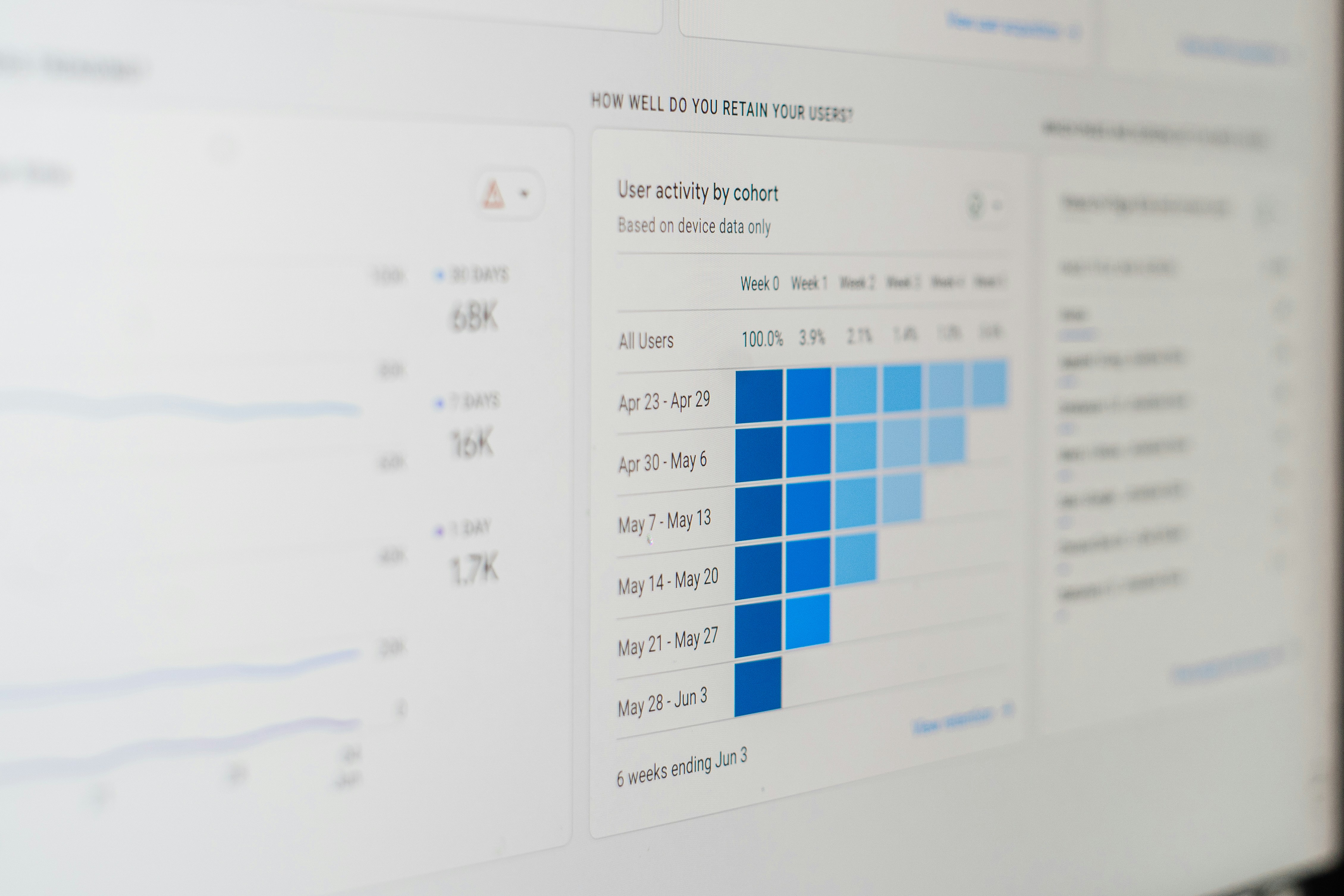
Furthermore, Looker Studio’s enhanced visualization capabilities bring advertising data to life. The platform allows for the creation of compelling graphical representations such as charts, tables, and heat maps, which facilitate easier comprehension of complex datasets. These visualizations help stakeholders quickly identify trends and patterns, enabling the derivation of actionable insights that can be pivotal for future campaign decisions. In a competitive advertising environment, having the ability to visualize data effectively is crucial for optimizing budget allocation and targeting strategies.
Overall, integrating Looker Studio with Facebook Ads Manager is an advantageous step for any marketer aiming to refine their advertising efforts through data-driven insights. This collaboration not only enhances reporting and visualization but ultimately contributes to more successful advertising strategies.
Creating Dynamic Reports in Looker Studio
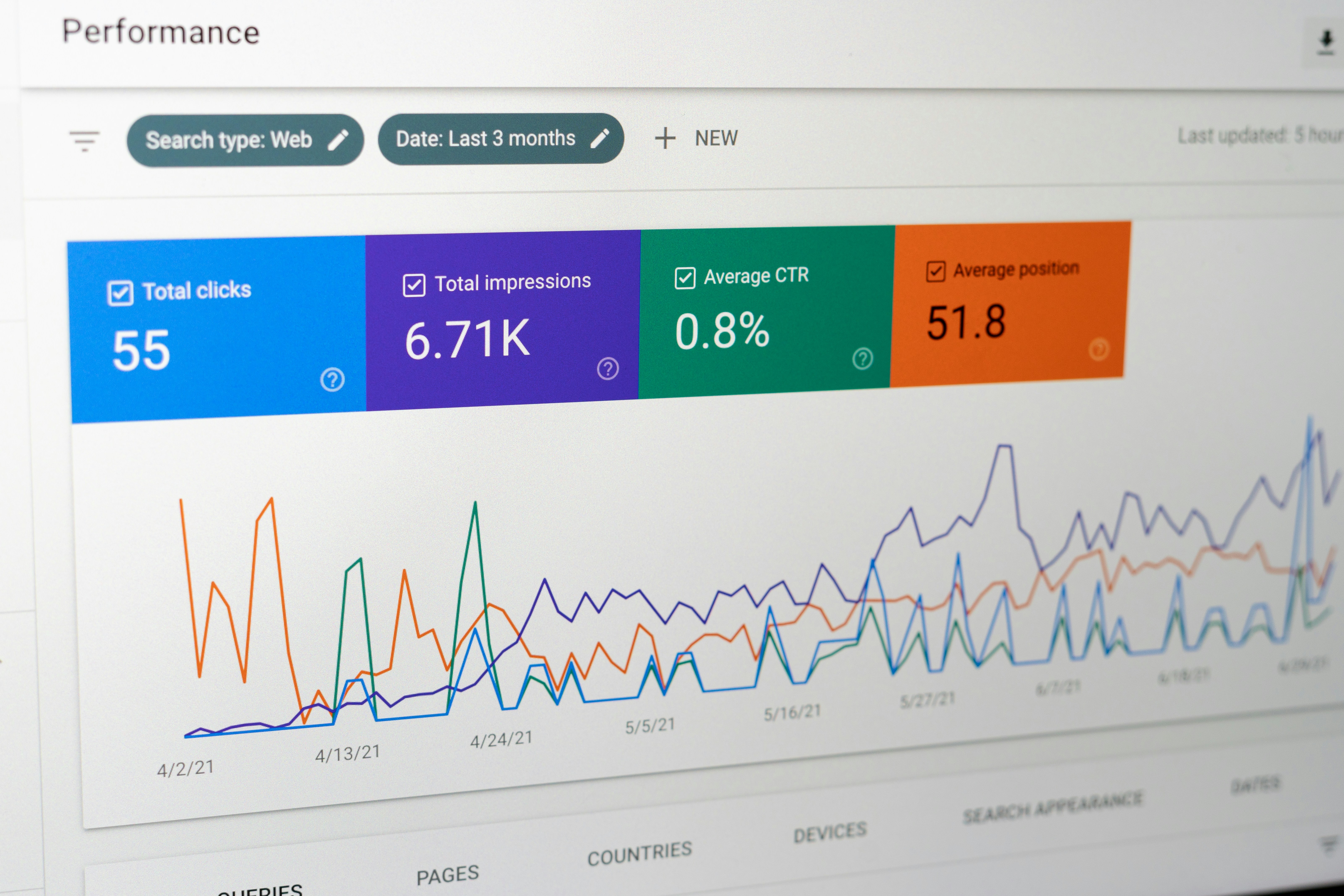
Dynamic reporting is a critical aspect of effective data analysis, particularly when assessing the performance of advertising campaigns. Looker Studio stands out as a powerful tool that enables marketers to create comprehensive and visually engaging reports. By integrating Looker Studio with Facebook Ads Manager, users can dynamically pull and visualize data that reflects advertising performance, return on investment (ROI), and valuable insights derived from campaigns.
One of the primary advantages of Looker Studio is its ability to transform raw data into meaningful visuals. Utilizing various visualization tools, users can create dashboards that adapt in real-time to changes in the dataset. This adaptability ensures that stakeholders have access to the most relevant and up-to-date information, facilitating data-driven decision-making. By leveraging elements such as graphs, charts, and tables, marketers can depict trends in ad performance and compare metrics over different time periods. This visual representation makes it easier to identify successful strategies as well as areas needing improvement.
To create impactful reports in Looker Studio, it is essential to structure data effectively. Begin by connecting Looker Studio with your Facebook Ads Manager account to import advertising metrics seamlessly. Consider focusing on key performance indicators (KPIs) such as click-through rates, conversion rates, and cost per acquisition. Include filters that allow for easy segmentation of data, enabling more in-depth analysis across various demographics or ad placements. Furthermore, utilizing color-coded metrics can enhance the interpretability of the data, helping viewers quickly gauge performance at a glance.
In summary, creating dynamic reports in Looker Studio provides an efficient way to communicate advertising performance and ROI from Facebook ads. By effectively utilizing visualization tools and structuring the data accurately, marketers can derive meaningful insights that guide their strategies and enhance overall campaign effectiveness.
Analyzing Campaign Performance
In the realm of digital marketing, analyzing campaign performance is critical to drive successful outcomes. Utilizing Looker Studio, marketers can leverage the power of data visualization to generate insightful reports that illuminate the effectiveness of Facebook ad campaigns. This analysis hinges on understanding key performance indicators (KPIs) such as click-through rates (CTR), conversion rates, return on ad spend (ROAS), and engagement metrics. Each of these KPIs provides a unique perspective, allowing marketers to grasp which elements of their campaigns are functioning well and which require adjustments.
To begin with, click-through rates serve as a fundamental metric, showcasing the percentage of users who interact with the ads out of the total impressions. A higher CTR suggests that the ad’s creative content resonates with the target audience. Meanwhile, conversion rates indicate the percentage of users who take desired actions, such as making a purchase or signing up for a newsletter. Monitoring these rates will help identify areas for improvement in both ad targeting and messaging.
Return on ad spend is another critical KPI that reflects the revenue generated for each dollar spent on advertising. A positive ROAS indicates that the advertising efforts are yielding financial success, while a negative ROAS necessitates reevaluation of the ad strategy. Additionally, engagement metrics, including likes, shares, and comments, offer qualitative data about audience sentiment and interest.
Once these KPIs are analyzed, actionable strategies can be implemented to optimize Facebook ad campaigns. This may involve refining audience segmentation based on engagement trends identified in Looker Studio reports. For instance, if certain demographics exhibit higher CTR and conversion rates, reallocating budget towards ads targeting these segments could enhance overall performance. Ultimately, the integration of Looker Studio analytics with Facebook Ads Manager empowers marketers to make data-driven decisions that continuously improve campaign outcomes, ensuring sustained success in an ever-evolving digital marketplace.
Best Practices for Reporting with Looker Studio
Reporting effectively with Looker Studio requires adherence to several best practices that enhance the clarity and utility of data visualizations. One of the foundational aspects of successful reporting is data cleanliness. Organizations should ensure that the data being fed into Looker Studio is accurate, complete, and up-to-date. This involves conducting regular audits of data sources and maintaining a well-organized data management system. By addressing discrepancies and removing duplicates, analysts can create reliable reports that drive informed decision-making.
Another critical element is the choice of visualization. The manner in which data is presented significantly influences its impact. Using a combination of charts, graphs, and tables allows presenters to cater to different audiences by highlighting essential metrics clearly. For instance, line graphs are effective for demonstrating trends over time, while bar charts can compare different categories effectively. It is vital to select visualizations that not only communicate the required information but also engage and inform the audience. Color coding and labels should be employed judiciously to aid comprehension without overwhelming viewers.
Regular updates of reporting metrics are equally essential in maintaining relevance in the competitive advertising landscape. By setting up automated reports or dashboards, teams can ensure that stakeholders have access to the latest insights without delay. Consistent monitoring allows advertisers to pivot or recalibrate strategies based on real-time data, optimizing the performance of campaigns. It is advisable to establish a routine schedule for reviewing reports, enabling teams to align their efforts with evolving market trends and user preferences.
Finally, fostering collaboration among team members when creating reports enhances overall effectiveness. Using Looker Studio as a collaborative platform helps to pool insights and perspectives, leading to more nuanced reporting. By integrating these best practices into their workflow, businesses can harness the full potential of Looker Studio, paving the way for data-driven success in Facebook Ads campaigns.
Common Challenges and Solutions
The integration of Looker Studio with Facebook Ads Manager offers significant advantages for marketers; however, it is not without challenges. One common issue users face is the discrepancy in data reporting. Variations in the metrics reported by Looker Studio and Facebook Ads Manager can create confusion. To mitigate this problem, it is essential to align your data definitions across both platforms. Establishing clear guidelines on what constitutes a conversion, click, or impression can help standardize reporting, thereby enhancing the accuracy of your data analysis.
Another frequent challenge is the complexity of data visualization. Marketers often struggle to create effective and insightful reports that capture all necessary metrics. To address this issue, users should familiarize themselves with the various visualization options available in Looker Studio. Taking advantage of templates or pre-built dashboards can also streamline the reporting process, making it easier to showcase key performance indicators (KPIs) relevant to the Facebook Ads campaigns. Additionally, investing time in training or tutorials on data visualization can significantly improve users’ capabilities in this domain.
Integration issues can also arise when setting up Looker Studio to parse data from Facebook Ads Manager. Users may encounter difficulties in connecting the two platforms or in accessing specific data sets. Ensuring that permissions and access levels are appropriately configured is critical. Regularly checking for updates or compatibility issues between the tools is also advisable. When issues persist, consulting support resources from both Looker Studio and Facebook can provide valuable insights and solutions.
Finally, all users should be aware of the importance of ongoing data integrity checks. Regularly examining the data being imported from Facebook Ads Manager into Looker Studio will enhance the overall reporting quality. By proactively identifying and addressing these issues, marketers can empower themselves to utilize the full potential of Looker Studio and Facebook Ads Manager in their advertising strategies.
Conclusion and Next Steps
Throughout this blog post, we have explored the synergy between Looker Studio, Arbona, and Facebook Ads Manager. By effectively utilizing these tools, businesses can enhance their advertising strategies and drive more successful outcomes. The integration of data visualization and analytics from Looker Studio with the robust advertising capabilities of Facebook Ads Manager allows marketers to gain deeper insights into their campaigns and customer behavior. Additionally, Arbona provides critical support in managing and optimizing these efforts, ensuring that every advertising dollar is spent wisely.
As we have discussed, the primary steps involve establishing strong data connections between Looker Studio and Facebook Ads Manager, followed by configuring relevant dashboards to track performance metrics. Marketers are encouraged to leverage these insights to refine their campaigns continuously. Testing different ad formats, audiences, and placements is crucial, as is the ongoing analysis of collected data to drive decisions. Utilizing the analytical capabilities offered through this integration will ultimately lead to more informed and strategic choices, resulting in improved ROI.
To further assist you in implementing these strategies, we have compiled additional resources that can help expand your knowledge and capabilities in data reporting and digital advertising. We invite you to explore our comprehensive service offerings, particularly those related to Looker Studio reporting. Furthermore, do not hesitate to reach out for any inquiries that may arise during your journey. For further reading, please visit our blog page where you will find a wealth of information on related topics.
Engaging proactively with these insights and tools will not only enhance your marketing efforts but also position your business to adapt and thrive in the competitive landscape. By harnessing the power of Looker Studio, Arbona, and Facebook Ads Manager, you are taking significant steps toward achieving advertising success.