Introduction to Looker Studio and SEMrush
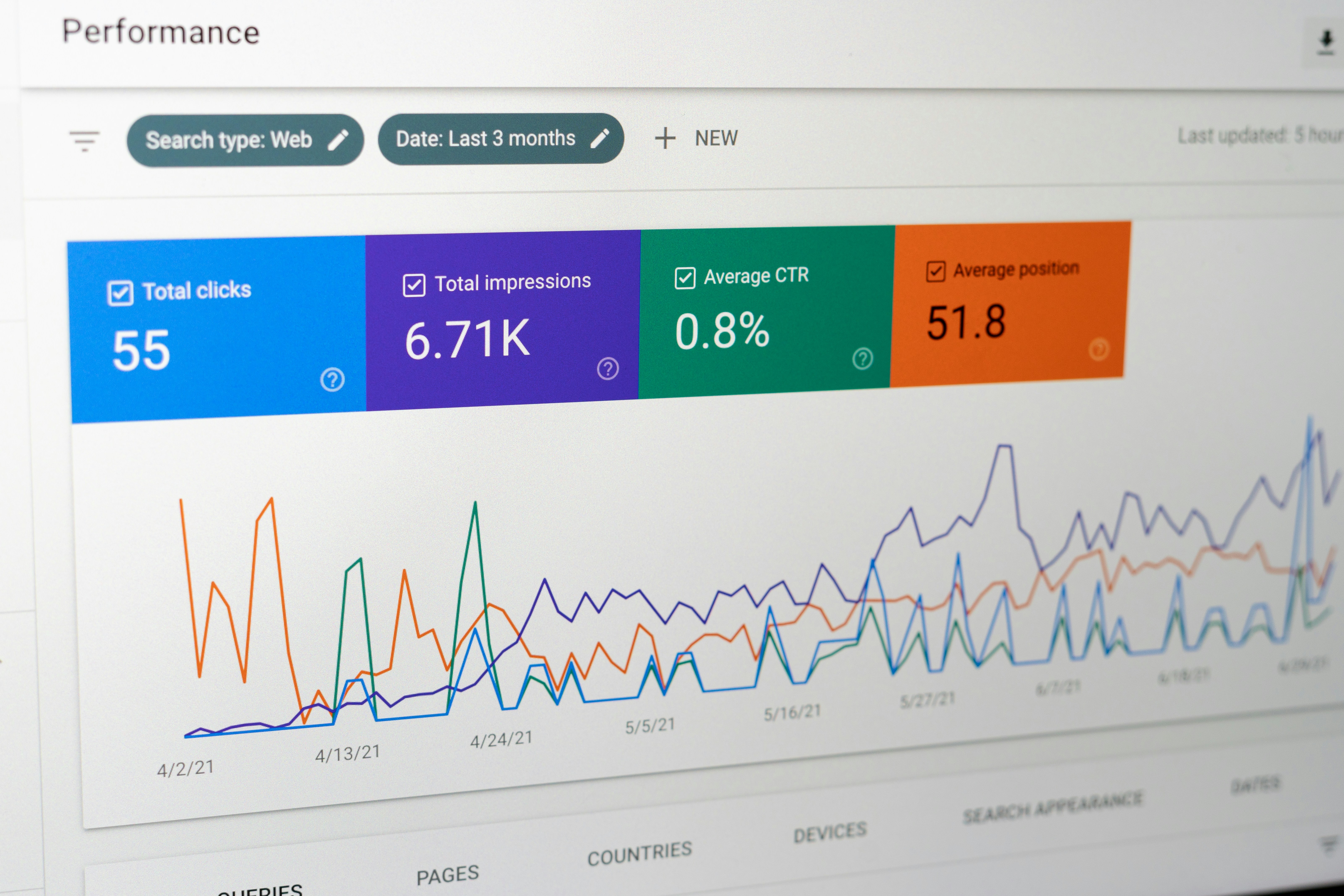
In today’s data-driven landscape, effective visualization and analysis of digital marketing performance are crucial for businesses seeking a competitive edge. Looker Studio, formerly known as Google Data Studio, is a powerful data visualization tool that enables users to transform complex data sets into comprehensible, interactive dashboards. It facilitates real-time collaboration, allowing stakeholders to access and interpret data intuitively. By leveraging customizable reports, Looker Studio empowers organizations to derive actionable insights that can drive strategic decisions.
SEMrush, on the other hand, is an all-encompassing digital marketing suite that provides in-depth analytics on various aspects of online presence, including SEO, content marketing, social media, and paid advertising. Its extensive database offers critical insights into competitors, keyword performance, backlink tracking, and overall website health. When combined with Looker Studio, SEMrush becomes even more potent, as users can visualize and present these data sets in engaging formats, thus enhancing their overall understanding of domain performance.
The integration of Looker Studio with SEMrush’s analytical capabilities gives rise to domain analytics dashboards that are not only visually appealing but also rich in actionable insights. These dashboards serve as a starting point for marketers looking to track metrics such as organic traffic, keyword rankings, and domain authority swiftly. As businesses increasingly rely on data to steer their marketing efforts, understanding how to create and utilize these dashboards effectively becomes invaluable. Utilizing Looker Studio’s flexibility alongside SEMrush’s robust data opens up a world of possibilities for comprehensive analysis and strategic development.
Why Use Domain Analytics Dashboards?
In today’s digital landscape, the analysis of domain performance is critical for businesses seeking to gain a competitive edge. Domain analytics dashboards serve as powerful tools that provide comprehensive insights into website performance, user engagement, and competitive positioning. By utilizing specialized dashboards, such as those created with Looker Studio and SEMrush, organizations can efficiently visualize and interpret data that would otherwise remain obscured in raw formats.
One of the primary benefits of employing a domain analytics dashboard is the centralized aggregation of key performance metrics. This centralized approach allows decision-makers to quickly access vital information, ranging from organic traffic sources to backlink profiles, all in one place. With SEMrush’s analytical capabilities, users can monitor domain health through essential indicators such as keyword rankings and site audits. These insights empower businesses to identify strengths and weaknesses, enabling strategic adjustments that can enhance overall performance.
Furthermore, competitive analysis is significantly improved through the application of domain analytics dashboards. By comparing your domain metrics with those of competitors, businesses can uncover critical insights regarding market positioning and emerging trends. For example, through Looker Studio SEMrush domain analytics dashboard examples, companies can visualize traffic share, industry trends, and SEO performance relative to competitors, leading to more informed strategic planning.
However, the analysis of complex domain data can present challenges without the aid of effective visualization tools. Raw data can often be overwhelming and difficult to interpret, leading to potential misjudgments. A well-structured dashboard allows for easier identification of patterns and anomalies, facilitating data-driven decisions that may otherwise be overlooked.
Ultimately, the utility of domain analytics dashboards lies in their ability to simplify data analysis and improve the efficiency of strategic initiatives. By leveraging tools like Looker Studio and SEMrush, users can harness the full potential of domain analytics, paving the way for smarter, more informed decisions that drive business growth.
Key Metrics to Track in Domain Analytics
In the realm of domain analytics, it is crucial to focus on key metrics that provide comprehensive insights into a website’s performance and competitiveness. Utilizing the capabilities of the Looker Studio and the SEMrush platform can significantly enhance the depth of analysis available through various domain analytics dashboard examples. One of the primary metrics to monitor is organic traffic, which indicates the total number of visitors that arrive from search engines. Tracking organic traffic allows businesses to assess the effectiveness of their SEO strategies and content marketing efforts.
Another vital metric is keyword rankings, which highlights where a website stands for specific search queries. By analyzing keyword performance, stakeholders can identify opportunities for optimization and determine which terms drive the most traffic. This is particularly useful for refining content to align with audience search behaviors and preferences, ultimately improving the visibility of the domain.
Backlinks also play a critical role in domain analytics. This metric represents the number of external sites linking back to the domain, which is an essential factor in determining a website’s authority and trustworthiness. A strong backlink profile not only boosts SEO but also drives referral traffic, thus enhancing overall digital presence.
Lastly, domain authority is a metric that predicts how well a domain will rank in search engine results. Utilizing tools provided in the Looker Studio with SEMrush, users can track their domain’s authority score and compare it with competitors, gaining insights into market positioning. Understanding these key metrics—organic traffic, keyword rankings, backlinks, and domain authority—yields a clearer picture of a website’s performance, helping to craft strategies that leverage strengths and address weaknesses effectively.
Setting Up Looker Studio for SEMrush Integration
Integrating SEMrush with Looker Studio enables users to leverage powerful domain analytics capabilities, providing insights that can drive strategic decision-making. To set up Looker Studio for SEMrush integration, begin by accessing your Looker Studio account. If you do not have one, registration is simple and can be completed within minutes.
With your account ready, the first essential step is to establish a new data source. Click on the “Create” button on the dashboard, and select “Data Source” from the dropdown menu. This allows you to begin the process of connecting SEMrush data. Looker Studio supports various connectors, but to specifically integrate with SEMrush, you may need to utilize a third-party connector or an API method, provided by SEMrush’s extensive API documentation.
Once you have selected the appropriate connector, you will be prompted to authenticate your SEMrush account by entering your API key. This key can be found in your SEMrush account settings under the “API” section. After successful authentication, you will then be able to select the various metrics and dimensions you wish to import into Looker Studio.
Pay special attention to the types of data you decide to bring in. For robust analytics dashboards, you might want to focus on key performance indicators such as organic traffic, keyword rankings, backlinks, and site audit metrics. This selection will empower you to create a comprehensive view of your domain’s performance through tailored dashboards. Once your data fields are configured, save the data source and move on to building your dashboards.
By following these steps, your Looker Studio will be effectively set up for SEMrush integration, allowing you to harness the full potential of domain analytics. The streamlined data flow will ensure that you can generate insightful dashboards that facilitate informed decision making.
Example Domain Analytics Dashboard: E-Commerce Website
In the competitive landscape of e-commerce, monitoring performance metrics is vital for success. A Looker Studio SEMrush domain analytics dashboard tailored for an e-commerce website can provide essential insights into user behavior, site performance, and conversion rates. This dashboard integrates various metrics that are crucial to understanding how an e-commerce platform is performing over time.
Key metrics visible on this dashboard include total website traffic, unique visitors, bounce rates, and conversion rates. Traffic analysis is presented through visually engaging graphs and charts, illustrating trends over time. For instance, a line graph can depict daily traffic fluctuations, allowing stakeholders to pinpoint peak shopping times and evaluate campaign effectiveness.
Additionally, the dashboard should include user engagement metrics, such as average session duration and pages per session. These values help gauge how visitors interact with the site, providing insights into content relevance and user experience. A bar chart showcasing the average session duration can quickly reveal whether users are spending sufficient time engaging with products or if adjustments to the site layout or content are necessary.
Furthermore, tracking conversion rates, along with shopping cart abandonment rates, is critical. By representing these metrics through pie charts, stakeholders can visualize the proportion of users completing purchases compared to those who leave without converting. Integrating SEMrush data into this dashboard allows e-commerce managers to glean additional insights, such as the effectiveness of specific keywords and organic search performance.
Understanding these metrics empowers e-commerce businesses to make informed decisions aimed at enhancing overall performance. For example, by analyzing traffic sources on the Looker Studio SEMrush domain analytics dashboard, companies can determine which marketing channels yield the best ROI and optimize their budgets accordingly. By continuously monitoring these key metrics, e-commerce businesses can adopt actionable strategies that promote growth and success.
Example Domain Analytics Dashboard: Blog or Content Website
The landscape of digital marketing is continuously evolving, and having a robust analytical framework is crucial for any blog or content-oriented website. Using tools such as Looker Studio in conjunction with SEMrush can provide valuable insights into various performance metrics that guide content strategies. A well-structured domain analytics dashboard can showcase essential data points, helping marketers to assess their website’s effectiveness.
For instance, a dashboard tailored for a blog might focus on key metrics such as organic traffic, bounce rates, pages per session, and user demographics. By integrating SEMrush data, users can visualize how their content is performing in search engine rankings, identifying which keywords are driving traffic and the potential for further optimization. This dual approach not only highlights SEO effectiveness but also captures the nuances of audience engagement.
Another critical aspect is the ability to monitor social media shares and referral traffic, which helps content creators understand how well their posts resonate with their audience across different platforms. A Looker Studio dashboard equipped with this information can effectively illustrate trends over time, showcasing peak performance periods and content types that generate the most interaction. Blogger and marketer collaboration can be enhanced through such insights, enabling teams to make data-driven decisions to refine their content strategies.
Moreover, setting up goal tracking within the Looker Studio SEMrush domain analytics dashboard exemplifies how conversions translate from traffic. Understanding these dynamics allows content creators to focus their efforts where they matter most, ensuring that every piece of content aligns with overall marketing goals. By strategically analyzing the integration of SEO metrics with content performance, marketers can attain a holistic understanding of their online presence and audience preferences.
Example Domain Analytics Dashboard for a SaaS Company
A Software as a Service (SaaS) company operates in a highly competitive landscape, making it crucial to effectively monitor and analyze domain metrics to optimize performance. A Looker Studio SEMrush domain analytics dashboard serves as a powerful tool to visualize relevant data that can enhance decision-making processes. Key metrics like user acquisition, retention rates, and conversion tracking are vital components in assessing overall business health.
To illustrate, consider a SaaS company that offers customer relationship management solutions. Its Looker Studio SEMrush dashboard could prominently feature user acquisition metrics such as traffic sources, showing how potential customers discover the service. This could include direct traffic, organic search, and social media referrals. By analyzing these sources, the company can allocate marketing resources strategically to the most effective channels, optimizing reach and engagement.
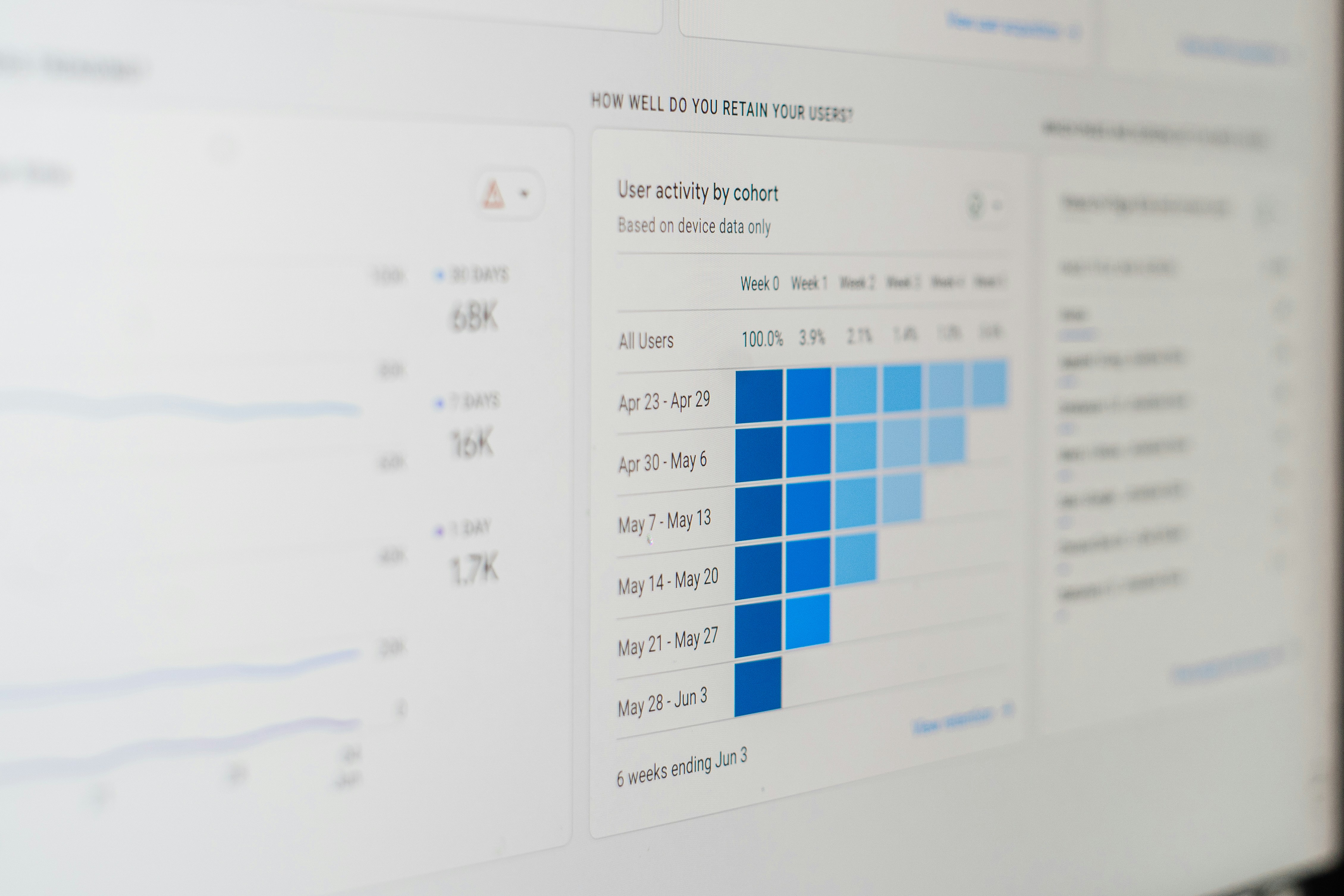
Retention rates are another focal point for SaaS companies, given the subscription-based model. The dashboard can display metrics such as Customer Lifetime Value (CLV) and churn rates, providing insights on customer satisfaction and loyalty. A higher CLV and lower churn demonstrates that the service meets user needs effectively, while identified trends allow the company to implement necessary improvements and targeted customer retention strategies.
Moreover, conversion tracking offers invaluable insights into the effectiveness of marketing campaigns and lead generation efforts. The dashboard can track funnel metrics, showing how visitors progress from awareness to purchase. Metrics such as conversion rates at each funnel stage can reveal bottlenecks, allowing the business to revise its marketing approaches and enhance user experiences.
By implementing a tailored Looker Studio SEMrush domain analytics dashboard, SaaS companies can effectively harness data-driven insights to optimize their service offerings and bolster their market presence.
Best Practices for Creating Effective Domain Analytics Dashboards
Creating an effective domain analytics dashboard in Looker Studio requires careful planning and adherence to established best practices. First and foremost, it is essential to select the right key performance indicators (KPIs) that align with the specific goals of the analysis. For instance, if the primary objective is to assess website traffic, metrics such as organic visits, bounce rates, and average session duration should be prioritized. Identifying the most relevant KPIs allows for more meaningful insights, leading to actionable strategies.
Structuring data for clarity is another critical aspect of developing a user-friendly dashboard. The layout should be intuitive, allowing users to quickly navigate through various sections. Utilizing visual elements such as charts, graphs, and color-coding can enhance comprehension, progressively guiding the viewer through data interpretation. Features like filters and date-range selectors enable users to customize their view, ensuring the information presented is both relevant and timely. By emphasizing user experience, dashboards can become valuable tools for decision-making.
Accessibility is also paramount when designing domain analytics dashboards. Ensuring that the dashboard is visually appealing and easy to read enhances user engagement. Utilizing clear labels, consistent formatting, and a logical flow of information fosters an environment where insights can be seamlessly generated. Furthermore, regular updates and revisions to the dashboard are necessary for maintaining its relevance. As trends and strategies evolve, practitioners should critically evaluate their metrics and modify the dashboard accordingly to ensure it continues to serve its intended purpose effectively.
In conclusion, by following these best practices, organizations can harness the full potential of their Looker Studio SEMrush domain analytics dashboard examples, transforming data into actionable insight. Adapting to user feedback and staying current with industry trends will further enhance the effectiveness of these dashboards, ultimately driving better outcomes.
Conclusion and Next Steps
In synthesizing the information discussed throughout this post, it is evident that Looker Studio, when paired with SEMrush, presents a powerful tools for enhancing domain analytics capabilities. The integration of these platforms enables marketers to derive meaningful insights from data, driving informed decision-making processes. Moreover, the examples shared serve as practical illustrations of how organizations can effectively utilize these resources to visualize performance and optimize their digital strategies.
As we have explored multiple examples of the looker studio semrush domain analytics dashboard, it becomes clear that adapting to the evolving digital landscape is vital. To capitalize on these insights, readers are encouraged to consider implementing their own customized dashboards, tailored to their specific business needs. Begin by defining key performance indicators (KPIs) pertinent to your objectives and ensure consistency in tracking metrics critical for your growth.
For those looking to expand their knowledge further, numerous resources are available online. Tutorials, webinars, and community forums can provide additional insights into maximizing both Looker Studio and SEMrush functionalities. Engaging with these resources will also allow users to stay updated with the latest features and industry practices, fortifying their analytical capabilities.
Ultimately, the success of utilizing a looker studio semrush domain analytics dashboard lies not only in its initial setup but in ongoing evaluation and refinement. Continuous monitoring of your chosen metrics is essential for recognizing trends, identifying anomalies, and adjusting strategies accordingly. By maintaining agility in your approach, you will position your brand to effectively navigate the complexities of digital marketing.