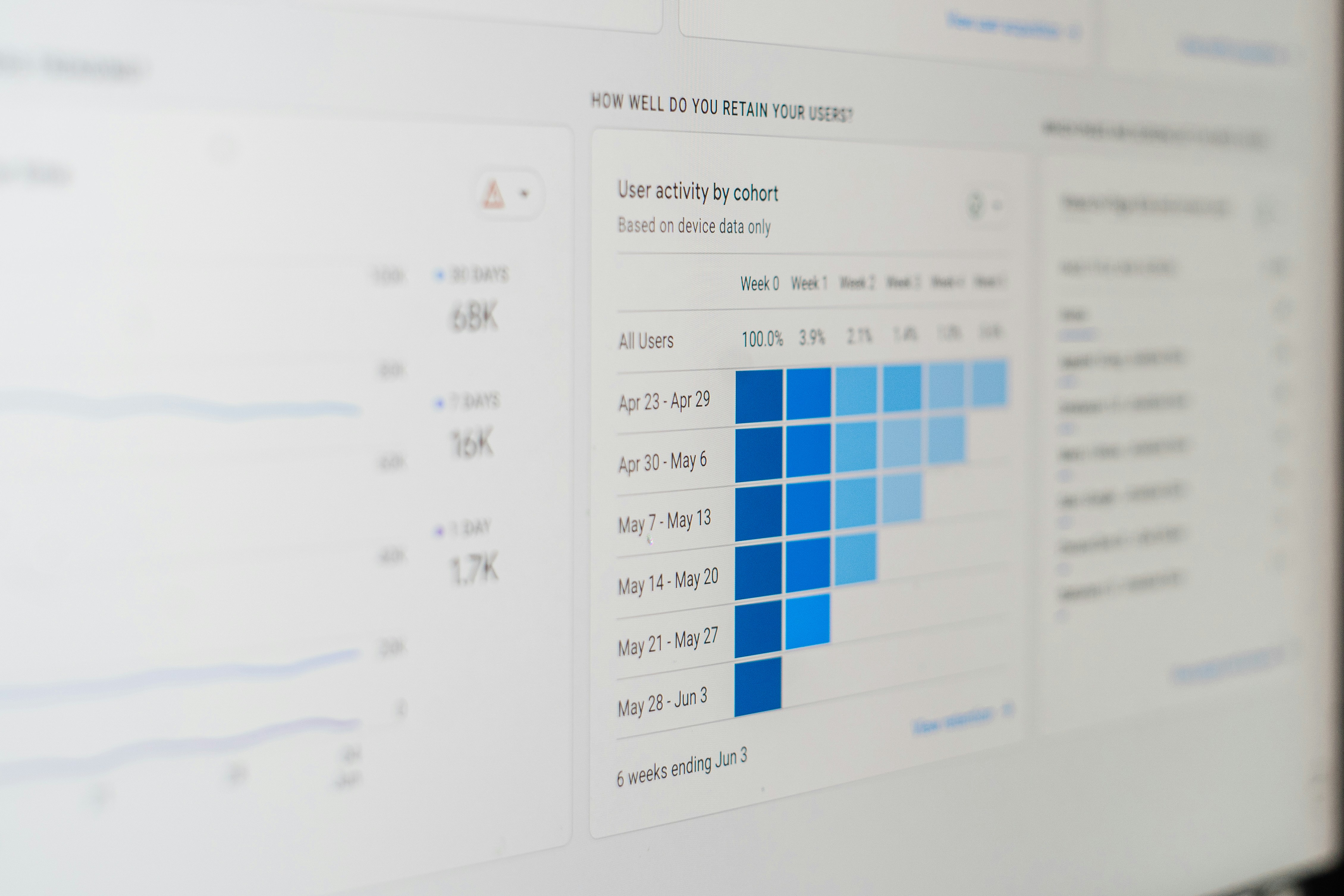
Introduction to Looker Studio
Looker Studio is a robust data visualization and business intelligence platform that enables organizations to analyze their data effectively. With its user-friendly interface, Looker Studio empowers users to transform complex datasets into insightful visual representations, making it easier to identify trends and patterns. This tool is designed to cater to the needs of both technical and non-technical users, facilitating a broader understanding of data across different organizational levels.
One of the key features of Looker Studio is its ability to integrate seamlessly with a variety of data sources. Whether an organization utilizes relational databases, cloud storage, or other data repositories, Looker Studio can connect efficiently and pull data into a centralized dashboard. This integration not only enhances the accuracy of the data analysis but also streamlines the workflow by minimizing the friction that often accompanies data management processes.
The importance of Looker Studio in decision-making cannot be overstated. In today’s fast-paced business environment, organizations require quick access to actionable insights to remain competitive. The platform’s interactive dashboards and real-time data querying capabilities allow decision-makers to derive insights rapidly, supporting timely and informed choices. Additionally, Looker Studio supports collaborative efforts, enabling teams to share dashboards and insights effortlessly, further enhancing collective decision-making processes.
In summary, Looker Studio serves as a critical tool for organizations looking to harness the power of their data. Its combination of visualization capabilities, integration options, and collaborative features makes it a valuable asset in the contemporary business landscape. By utilizing Looker Studio, organizations can leverage their data to drive strategic initiatives and foster a data-driven culture that prioritizes informed decision-making.
Overview of Illumination Instruments by Dewalt
Dewalt has established itself as a leader in the construction and DIY market, providing a range of illumination tools and devices designed to meet the demands of professionals and enthusiasts alike. The brand’s commitment to quality and advanced technology is evident in its extensive lineup of products, specifically engineered to enhance visibility and safety on job sites. Dewalt’s illuminating instruments are built to withstand challenging environments, ensuring reliability and durability, which is crucial for users working under various conditions.
Among the standout features of Dewalt’s illumination tools is their incorporation of innovative LED technology. LED lights offer significantly longer lifespans compared to traditional bulbs, along with enhanced energy efficiency. This not only reduces the frequency of bulb replacements but also minimizes power consumption, making these tools cost-effective for both long-term and short-term projects. The bright, clear light produced by Dewalt’s LED instruments ensures that workers can maintain high levels of productivity, even in poorly lit spaces.
Security is another cornerstone of Dewalt’s illumination instruments. Many of their products include features such as impact-resistant housings and ergonomic designs, which enhance the user experience and safeguard against accidental damage. Additionally, certain models offer adjustable brightness settings that allow users to customize their lighting according to specific tasks, promoting efficient workflows without compromising safety.
Furthermore, Dewalt continuously seeks to integrate smart technology into its illumination devices. This includes functionalities such as remote control via mobile apps and compatible management systems that provide real-time information on lighting conditions and battery life. By doing so, Dewalt is not only improving the usability of its products but also ensuring that users feel empowered and secure while working. Such advancements reflect Dewalt’s commitment to enhancing efficiency and safety, solidifying its position as a preferred choice for illumination solutions in the marketplace.
Integrating Looker Studio with Dewalt’s Illumination Products
Looker Studio serves as an essential analytics platform that enables professionals to transform complex data into actionable insights. When integrated with Dewalt’s illumination products, users can leverage the rich data generated from these advanced tools to enhance operational efficiency on jobsites. This integration allows for a comprehensive analysis of performance metrics gathered from Dewalt’s illuminating devices, thus supporting decision-making processes that are data-driven.
One significant application of this integration is performance tracking. By analyzing data collected from Dewalt’s illumination products, users can monitor the efficiency and effectiveness of their lighting solutions in real-world applications. Metrics such as energy consumption, brightness levels, and battery life can be seamlessly visualized using Looker Studio’s data dashboards. Such insights allow users to identify patterns and optimize their lighting setups, ensuring that their workspace is adequately lit while minimizing energy costs.
Moreover, the integration of Looker Studio enables the establishment of maintenance schedules for Dewalt products. By examining data trends over time, users can predict potential failures or the need for equipment servicing. This proactive approach minimizes downtime, ensuring that projects are completed on schedule and within budget. Users can also set alerts based on predefined thresholds, prompting timely maintenance interventions that enhance the longevity of Dewalt’s illumination tools.
Finally, assessing worksite efficiency metrics becomes significantly more streamlined. By collating data from multiple Dewalt illumination devices, professionals can evaluate overall productivity levels and lighting efficacy across different project phases. This analysis equips users with the necessary information to make informed adjustments, driving more productive work practices in varying environments.
Benefits of Data-Driven Decision Making in Construction
The construction industry faces numerous challenges, including project delays, budget overruns, and safety hazards. An increasingly adopted solution is data-driven decision making, which utilizes data analytics to guide strategies and operational processes. By employing data analytics effectively, construction firms can significantly improve project outcomes, streamline operations, and enhance safety protocols.
One of the primary advantages of data-driven decision making is the ability to identify and mitigate risks early in the project lifecycle. Through the examination of historical data and real-time analysis, project managers can anticipate potential challenges and implement contingency plans. For instance, analyzing data related to material procurement, labor efficiency, and weather patterns enables more accurate project timelines and resource allocation, ultimately leading to reduced costs.
Moreover, data analytics facilitates enhanced communication and collaboration among teams. When all stakeholders have access to consistent and reliable data, it allows for better alignment in project goals and timely decision making. Regular monitoring of key performance indicators (KPIs) provides actionable insights, helping managers to pinpoint areas for improvement and ensure compliance with safety regulations. This harnessing of data not only drives accountability but also fosters a culture of continuous improvement.
Additionally, data-driven approaches contribute to improved safety outcomes in construction projects. By analyzing data regarding workplace incidents and hazards, companies can identify patterns and implement preventive measures. This leads to more effective training programs and the establishment of robust safety protocols tailored to mitigate identified risks. In doing so, construction firms are not only able to protect their workforce but also enhance their reputation and operational efficiency.
In conclusion, the integration of data-driven decision making in the construction industry presents substantial benefits. From bolstering safety to optimizing costs and enhancing collaboration, utilizing data analytics is vital for continuous improvement and success in this sector.
Step-by-Step Guide to Creating Reports in Looker Studio
Creating effective reports in Looker Studio using data derived from Dewalt illuminating tools can enhance your decision-making capabilities. This guide will provide a comprehensive overview of how to develop insightful reports that cater to your specific needs.
Begin by gathering your data. Ensure that your data sources from Dewalt are properly integrated into Looker Studio. This may include metrics such as energy consumption, operational efficiency, or any other relevant KPIs that your illuminating tools generate.
Next, navigate to the “Reports” section within Looker Studio, and select the option to create a new report. As you embark on this process, consider the end goal of your report. What insights do you want to present? Tailoring the report focus to address specific queries helps ensure the collected data is relevant and actionable.
When choosing visualizations, leverage bar charts, line graphs, and heat maps to present your data intuitively. Different stakeholders may require varying perspectives; therefore, utilize various visualization formats to highlight trends, comparisons, and outliers. It is essential to maintain clarity—ensure that labels and legends are clearly defined, enhancing the user experience.
Customization options in Looker Studio allow you to adjust themes, colors, and layouts that align with your company branding or appeal to your audience’s preferences. Remember to use contrasting colors for clarity, especially when dealing with complex data sets from your Dewalt tools.
Once your report is complete, consider the best practices for sharing insights with stakeholders. Utilize the “Share” functionality to provide access to key team members, ensuring they can view or collaborate on the report as needed. Collect feedback to continuously refine your report-building skills.
By following these pragmatic steps—integrating Dewalt data, crafting engaging visualizations, customizing thoughtfully, and sharing effectively—you can harness the full potential of Looker Studio to create impactful reports.
Case Studies: Successful Implementation of Looker Studio and Dewalt
In the competitive landscape of modern business, leveraging data analytics tools has become imperative for companies aiming to enhance operational efficiency. Looker Studio, a prominent data analytics platform, when integrated with Dewalt tools, has proved transformative across various sectors. This section explores real-world case studies demonstrating the successful fusion of Looker Studio with Dewalt, emphasizing the outcomes and improvements achieved.
One notable example is a construction firm that adopted Looker Studio to analyze performance metrics from its Dewalt power tools. By collecting data on tool usage and maintenance schedules, the company utilized Looker’s visualization capabilities to identify patterns in tool performance and downtime. This insight led to the implementation of a proactive maintenance strategy, ultimately reducing equipment failure incidents by 30% and saving the company substantial repair costs.
Another case study involves a large-scale manufacturing company that integrated Dewalt’s smart tools with Looker Studio to streamline its assembly line data. By harnessing Looker’s advanced algorithmic capabilities, the firm was able to evaluate production efficiency in real-time. This approach facilitated quicker decision-making processes and the optimization of workforce allocation, resulting in a 15% increase in production output and a remarkable reduction in labor costs.
Additionally, a landscaping business employed Looker Studio in conjunction with Dewalt’s outdoor equipment, aiming to enhance project management and customer satisfaction. By analyzing project timelines and crew productivity data visualized through Looker, the company achieved better resource planning, which not only improved service delivery times but also led to a 20% increase in customer satisfaction ratings within the first quarter of implementation.
These case studies illustrate the significant advantages of utilizing Looker Studio alongside Dewalt tools. Businesses achieving such integrations can optimize their operations, improve maintenance and labor efficiency, and ultimately foster a more effective data-driven culture.
Tips for Maximizing Looker Studio’s Potential
Looker Studio, a powerful business intelligence platform, offers a wealth of features that can significantly enhance data visualization and analysis. To fully harness its capabilities, especially within the construction and illumination sectors, users should consider implementing several valuable tips and tricks.
Firstly, leveraging Looker Studio’s data exploration tools can provide unparalleled insights. Users are encouraged to explore the “Explore” feature extensively, allowing them to drill down into data sets and discern patterns that may not be immediately apparent. This is particularly beneficial for projects that require precise illumination strategies, as understanding light distribution can lead to optimized designs.
Another underutilized feature is the ability to create custom dimensions and measures. By tailoring these elements to specific construction metrics, users can generate reports that highlight critical performance indicators, such as energy efficiency or material costs. This customized reporting can uncover actionable insights that facilitate informed decision-making.
Additionally, users should take advantage of data blending capabilities. This feature allows users to combine data from multiple sources, enabling a unified view of various aspects such as project timelines, budgets, and resources. In construction, this can equate to a comprehensive analysis of how different facets of the project impact illumination solutions, enhancing overall project efficiency.
Moreover, utilizing dashboard filters effectively can streamline the user experience. Setting up filters based on job sites, project managers, or phases of construction allows stakeholders to easily navigate vast amounts of data. This tailored approach not only saves time but also ensures that relevant metrics are front and center, driving focused discussions and strategies.
Lastly, continuous learning through Looker Studio’s community forums and resources can greatly aid users in staying up-to-date with best practices. Engaging with other professionals in the field and sharing experiences can reveal lesser-known features and innovative ways to maximize the platform’s capabilities.
Challenges and Solutions in Data Integration
Integrating data from Dewalt lighting products into Looker Studio presents various challenges that need to be addressed to ensure accurate reporting and analytics. One of the primary challenges is the compatibility of data formats. Dewalt products may generate data in proprietary formats that are not readily aligned with the expectations of Looker Studio. This can lead to difficulties in data extraction and representation, resulting in incomplete insights.
Another significant issue is the volume of data produced by these products. Dewalt lighting solutions often generate extensive datasets, which can overwhelm traditional data handling and integration processes. Filtering and organizing this data efficiently become crucial to prevent analysis paralysis. Furthermore, discrepancies in data quality can arise, particularly if data is collected from multiple sources. Inconsistent naming conventions, measurement units, and data entry errors can compromise the reliability of the insights derived from Looker Studio.
To tackle these challenges, businesses can implement several solutions. Firstly, standardizing data formats before integration can mitigate compatibility issues. Utilizing ETL (Extract, Transform, Load) tools can facilitate this process, enabling organizations to transform data into a more suitable format for Looker Studio. Moreover, investing in data quality assurance processes will help identify and rectify inconsistencies early in the integration pathway. By establishing clear data governance policies, organizations can ensure that teams understand the significance of data accuracy and consistency.
Furthermore, leveraging Looker Studio’s capabilities for real-time data streaming can aid in effectively managing the volume of data produced by Dewalt products. Implementing these best practices not only simplifies the data integration process but also ensures that the resulting analytics and reports are reliable, providing valuable insights into performance and efficiency.
Conclusion and Future Trends in Data Analysis
Throughout this blog post, we have delved into the intricacies of harnessing the power of Looker Studio in conjunction with Dewalt’s advanced illumination tools. The synergy between these two platforms demonstrates a significant evolution in how construction companies approach data analysis. Looker Studio provides an intuitive interface and robust data visualization capabilities that allow users to aggregate, analyze, and present data efficiently. When paired with Dewalt’s illumination tools, the insights gained can enhance decision-making processes on job sites, maximizing productivity while minimizing potential risks.
Looking forward, the landscape of data analysis within the construction industry is poised for substantial transformation. As technology continues to advance, we can anticipate a shift towards more integrated solutions that combine data analytics with real-time project management. The potential for artificial intelligence and machine learning to drive predictive analytics will likely reshape how construction firms operate, enabling them to anticipate challenges before they arise and strategize accordingly.
Furthermore, the growing emphasis on sustainability and energy efficiency in construction practices may see a demand for tools that not only analyze performance data but also track environmental impact metrics. In this context, tools like Looker Studio will need to evolve to incorporate such functionalities, ensuring that construction firms stay ahead of compliance requirements and industry standards.
In summary, the collaboration between Looker Studio and Dewalt’s illuminating technology marks a significant step towards optimizing processes within the construction sector. As we move into the future, fostering a culture of data-driven decision-making will become increasingly essential, paving the way for tools that further address the complexities and challenges associated with construction projects. The integration of these technologies is destined to lead the industry toward enhanced efficiency and innovation, underscoring the importance of adapting to ever-changing demands.