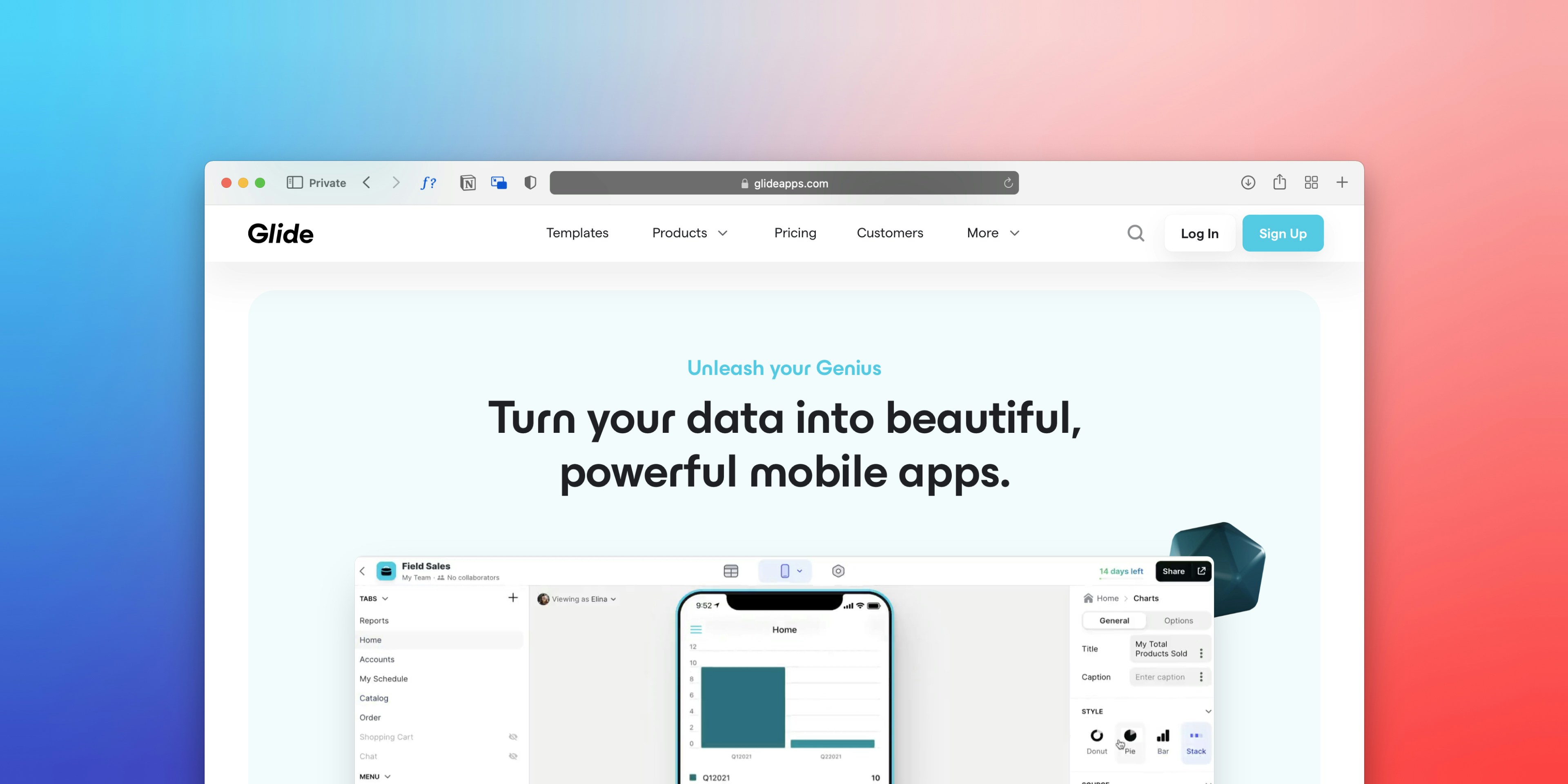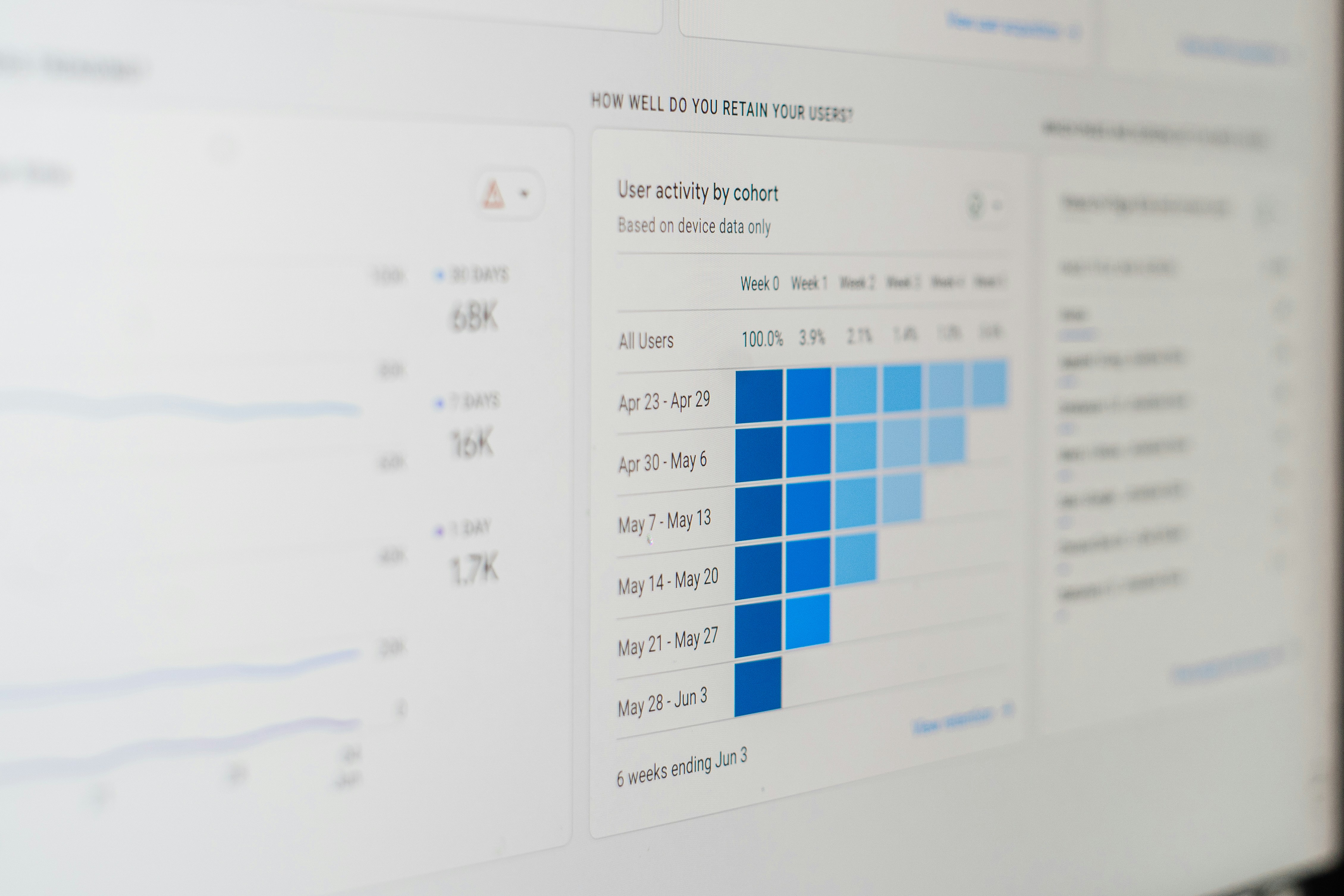
Introduction to Looker Studio and Make.com
In the realm of data visualization and business intelligence, Looker Studio stands out as a powerful tool that enables organizations to transform raw data into insightful visual representations. Looker Studio enhances the data analysis process by providing users with robust functionalities that allow them to create interactive dashboards, generate comprehensive reports, and share vital metrics across teams. By leveraging its capabilities, businesses can gain significant insights into their operations, customer behaviors, and market trends, thereby facilitating informed decision-making.
On the other hand, Make.com, formerly known as Integromat, serves as an essential platform for workflow automation. It allows users to connect various applications and services seamlessly, enabling tasks to be completed more efficiently. With its intuitive interface, Make.com helps businesses automate repetitive processes and synchronize data between disparate platforms, thereby streamlining operations. The flexibility of Make.com empowers organizations to design intricate workflows that cater to their specific needs, enhancing productivity and operational efficiency.
When Looker Studio and Make.com are integrated, the synergy between these platforms can significantly amplify an organization’s ability to analyze and report on data. This powerful combination encourages data-driven decision-making by automating the flow of information from various sources into Looker Studio for visualization. By incorporating automated data updates and transformations through Make.com, organizations are equipped with the latest insights, allowing for timely and effective responses to business challenges. Overall, the integration of Looker Studio and Make.com not only optimizes data reporting but also reinforces the significance of fostering a culture of business intelligence within organizations.
Understanding Looker Studio
Looker Studio is an advanced data visualization and business intelligence tool that empowers users to transform data into actionable insights. Its core functionality revolves around creating interactive reports and dashboards that not only present information visually but also facilitate data-driven decision-making. One of the notable benefits of Looker Studio is its user-friendly interface, which is designed to cater to both novice and experienced users, ensuring that individuals across various domains can harness its capabilities without extensive training.
The platform provides various features that enhance the data analysis experience. Users can connect to multiple data sources seamlessly, allowing for the integration of data from diverse systems. This capability is crucial as it enables comprehensive analyses by aggregating information from different departments or external platforms. Furthermore, Looker Studio typically supports real-time data updates, ensuring that users work with the most current information available.
Looker Studio’s dashboards are particularly noteworthy, as they offer customizable visualizations that make it easier to interpret complex datasets. Users can choose from graphs, charts, tables, and other visual aids, helping to highlight key performance indicators and trends. This variety of visualization options plays a crucial role in conveying data stories and enhancing user engagement with the reports.
Additionally, Looker Studio supports advanced analytics capabilities, such as statistical analysis and predictive modeling. This functionality not only aids in identifying potential trends but also assists organizations in making forecasts based on historical data. Overall, Looker Studio represents a powerful tool for businesses seeking to enhance their data visualization efforts, offering a comprehensive solution for analyzing and representing data effectively.
Exploring Make.com
Make.com, formerly known as Integromat, is an innovative platform designed to empower users by providing robust automation and integration capabilities. With its core focus on facilitating seamless workflows, Make.com stands out in the realm of workflow automation. This platform allows users to connect various applications and services effortlessly, thereby enhancing productivity and operational efficiency across different domains.
One of the primary functionalities of Make.com is its visual interface, which allows users to create complex workflows without extensive coding knowledge. Users can build scenarios that automate repetitive tasks, such as data transfer between applications or notification alerts based on specific triggers. This intuitive drag-and-drop approach enables users to visualize the entire process, making it easier to set up and manage workflows.
The benefits of using Make.com extend beyond just simple task automation. By integrating disparate applications, organizations can achieve a higher level of operational synergy. For example, businesses can connect their customer relationship management (CRM) systems with email marketing tools, thus streamlining customer communication. Additionally, Make.com supports a wide range of applications, making it a versatile choice for businesses across various sectors.
Furthermore, Make.com enhances the data management capabilities of companies. By automating data collection and analysis, businesses can make informed decisions more efficiently. The platform also provides various templates and pre-built scenarios that users can choose from, which significantly reduces the time required to implement automation solutions. This helps organizations swiftly adapt to changing market demands and fosters innovation through enhanced connectivity and data flow management.
Integrating Looker Studio with Make.com
Integrating Looker Studio with Make.com involves a series of steps that allow users to harness the analytic capabilities of Looker Studio while leveraging the automation features offered by Make.com. The first step in this integration process is to ensure that users have a valid Make.com account and the necessary permissions to access Looker Studio. Proper authentication is essential, as it facilitates secure connections between the two platforms.
The next step is to access the API settings in Looker Studio. Here, users will need to generate an API key that will enable Make.com to communicate with Looker Studio. Once you obtain the API key, head over to the Make.com platform and navigate to the “Integrations” section. Within this section, you will find the option to add a new integration. Selecting Looker Studio from the list of available integrations will prompt you to enter the API key you acquired earlier.
After successfully entering the API key, users can set up data transfers between Looker Studio and Make.com. Looker Studio provides various data types that can be utilized, including metrics, dimensions, and even custom fields. Depending on the user’s needs, data synching can be customized — for instance, users can choose to automatically update reports based on real-time data fetched from Looker Studio. Furthermore, Make.com offers numerous pre-built templates that can assist users in creating workflows fast and efficiently, primarily focused on automating tasks linked to data insights provided by Looker Studio.
Overall, the seamless integration between Looker Studio and Make.com allows for enhanced data management and operational efficiency. This integration simplifies workflows, making it easier for teams to utilize insights generated from data visualizations while automating repetitive tasks that consume valuable resources. By following these integration steps, users can significantly improve their data handling capabilities and streamline their processes.
Use Cases for Looker Studio and Make.com Integration
The integration of Looker Studio with Make.com offers versatile solutions for businesses across various industries, enabling enhanced analytics and streamlined reporting. One prominent use case lies in the marketing sector. Marketers can utilize Looker Studio to analyze campaign performance and derive insights from customer data. By connecting Looker Studio to Make.com, they can automate the collection and visualization of data, producing comprehensive reports efficiently. This not only saves time but also allows for real-time adjustments to marketing strategies based on data-driven insights.
In the financial services industry, Looker Studio can be employed to monitor key performance indicators (KPIs) and financial metrics. Integrating it with Make.com can facilitate the automatic updating of dashboards when new data becomes available, ensuring that financial analysts always work with the most current information. This integration aids in identifying trends and anomalies promptly, allowing businesses to make informed decisions regarding investments, budgeting, and resource allocation.
E-commerce businesses also benefit significantly from this integration. They can use Looker Studio to analyze customer purchasing behavior, inventory levels, and sales trends. By employing Make.com, e-commerce platforms can streamline operational processes such as inventory management, order processing, and sales reporting. For instance, whenever a customer makes a purchase, the pertinent data can be automatically sent to Looker Studio for analysis, generating insights that inform inventory restocking and marketing initiatives.
Healthcare providers represent another industry where this integration can be transformative. By leveraging Looker Studio’s data visualization capabilities alongside Make.com’s automation features, healthcare facilities can efficiently analyze patient data, treatment outcomes, and resource utilization. This synergy enhances operational efficiency, supports better patient care outcomes, and ensures compliance with regulatory requirements.
Best Practices for Using Looker Studio with Make.com
To fully harness the capabilities of Looker Studio alongside Make.com, users should adopt a series of best practices that effectively enhance data management and ensure optimal performance of their integrations. First and foremost, maintaining data accuracy is crucial. Users should regularly audit their datasets to verify that they are up-to-date and reflect the correct information. This can be achieved through automated checks and manual reviews, ensuring that discrepancies are identified and rectified promptly.
Another important aspect is to establish a systematic approach to data management. Users are encouraged to categorize and label their data sets clearly within Looker Studio. This organization facilitates efficient data retrieval and analysis, allowing users to create insightful dashboards without unnecessary confusion or mix-ups. Moreover, consistent naming conventions and the use of tags can significantly enhance collaborative efforts among team members who access the data.
Regular updates are vital for maintaining the integrity of integrations between Looker Studio and Make.com. Users should take advantage of Make.com’s automated workflows to set up scheduled tasks that synchronize data from various sources to Looker Studio. This practice not only keeps the reports fresh but also reduces the manual workload, allowing teams to focus on more strategic tasks.
Additionally, actively monitoring integrations is essential. Users should periodically check for any failures or delays in data transmissions between Make.com and Looker Studio. Setting up alerts or notifications for any issues can provide immediate insights into potential problems, enabling swift corrective measures. By following these best practices, organizations can successfully optimize their use of Looker Studio and Make.com for their data analytics and visualization needs.
Challenges and Solutions in Integration
Integrating Looker Studio with Make.com presents a series of challenges that users may encounter. One common issue is the complexity of data mapping between the two platforms. Users often struggle with aligning fields and ensuring data flows in the correct format. This misalignment can lead to data inaccuracies and hinder reporting capabilities. To address this, users should take the time to clearly define their data structure in both Looker Studio and Make.com, ensuring that compatible fields are correctly matched. Utilizing data transformation tools available within Make.com can also aid in streamlining this process.
Another challenge can arise from authentication and access control. Users may face issues with API keys and permissions, causing delays in accessing data and building their reports in Looker Studio. It is crucial for users to understand the authentication requirements of both platforms. Ensuring that the necessary API credentials are generated and stored securely will facilitate smoother access to data. Regularly reviewing user permissions and API access settings can mitigate potential roadblocks that users may encounter during integration.
Furthermore, users often report performance issues when working with large datasets. Slow loading times can significantly impede the user experience, causing frustration and inefficiencies in data analysis. To overcome this challenge, users are encouraged to optimize their datasets by removing unnecessary fields or using filters to limit the data retrieved from Make.com. Implementing incremental data loading rather than full downloads can also enhance performance by reducing the data volume processed at any given time.
In conclusion, while integrating Looker Studio with Make.com may present several challenges, effective strategies can facilitate a successful and efficient integration process. By proactively addressing data mapping concerns, managing authentication aspects, and optimizing dataset performance, users can greatly enhance their integration experience.
Case Study: Successful Implementation of Looker Studio and Make.com
The integration of Looker Studio with Make.com has transformed the operations of XYZ Corp, a mid-sized business specializing in e-commerce. Faced with challenges in data visibility and manual reporting processes, XYZ Corp sought a solution that would streamline operations and enhance data-driven decision-making. By implementing Looker Studio alongside Make.com, they created a robust system that not only automated data reporting but also enabled real-time insights.
Prior to this integration, XYZ Corp relied on traditional spreadsheets for data analysis, which was both time-consuming and prone to human error. The manual effort involved in compiling data from various sources delayed critical business insights, impacting their ability to respond quickly to market changes. By employing Make.com as a connector between their various SaaS tools and Looker Studio’s powerful visualization capabilities, the company could automate workflows and centralize data analysis.
As a result of this integration, XYZ Corp reported a significant reduction in the time spent on data preparation—cutting report generation time from hours to just a few minutes. Moreover, with Looker Studio, they could create dynamic dashboards tailored to different departments, empowering stakeholders with actionable insights. The marketing team, in particular, benefited from real-time analytics on campaign performance, enabling them to adjust strategies on-the-fly and maximize return on investments.
Additionally, the integration fostered a culture of data-driven decision-making within the organization. Employees at all levels could access critical metrics and perform analyses that were once restricted to the data science team. This democratization of data provided not only an enhanced understanding of business performance but also spurred innovation as teams felt more empowered to leverage insights for strategic initiatives.
In conclusion, the successful implementation of Looker Studio with Make.com has demonstrated the transformative potential of integrating advanced data analytics tools in an e-commerce setting. XYZ Corp has effectively harnessed this power, resulting in improved efficiency, enhanced decision-making, and ultimately, a stronger competitive position in the market.
Conclusion and Next Steps
In today’s data-driven world, combining the capabilities of Looker Studio with Make.com presents significant advantages for any organization seeking to enhance its data reporting and analysis. Looker Studio offers a powerful platform for visualizing data, allowing teams to transform raw information into meaningful insights through intuitive dashboards and reports. When paired with Make.com, which automates processes and integrates different tools, users can streamline their workflows while ensuring accurate and timely data processing.
Utilizing Looker Studio alongside Make.com not only facilitates better decision-making but also empowers companies to optimize their data management strategies. This integration simplifies the challenges of dealing with disparate data sources, enabling users to consolidate information and automate reporting tasks efficiently. Organizations can gain a holistic view of their performance metrics, set alerts for critical changes, and foster a data-oriented culture throughout their operations.
For businesses looking to leverage this powerful combination, it’s essential to explore available resources to maximize its benefits. Numerous tutorials, webinars, and documentation are available online, demonstrating how to effectively implement Looker Studio in conjunction with Make.com. Additionally, organizations may consider reaching out to experts in the field, who can provide tailored solutions and support to address specific reporting requirements.
To facilitate your journey toward enhanced data utilization, we encourage you to explore the links provided for further reading. These resources include informative articles, case studies, and service offerings designed to help you better understand how you can implement Looker Studio and Make.com in your organization. Whether you are just starting or looking to refine your existing processes, this integration opens new avenues for reporting and analytics success.