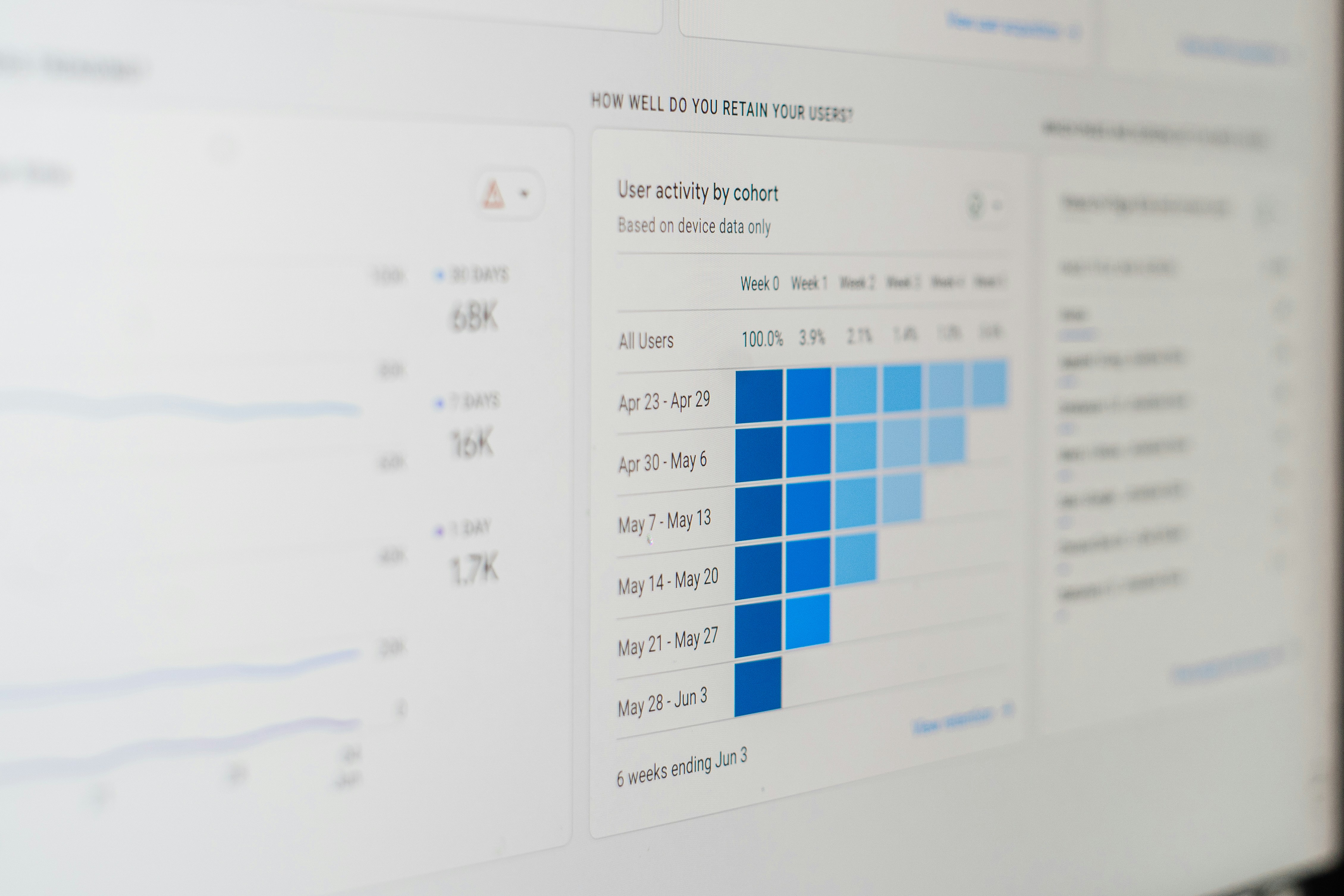
Introduction to Looker Studio Illumin
Looker Studio Illumin is an advanced tool developed to enhance data visualization and reporting capabilities, serving as an essential component for organizations seeking to maximize the utility of their data. This platform is designed to streamline the process of data exploration and gain insights through its intuitive interface and robust features.
The primary purpose of Looker Studio is to convert raw data into actionable insights, allowing users to create visual dashboards and generate reports that are easy to interpret. This functionality is essential in today’s data-driven environment, where the ability to make informed decisions based on accurate data analysis is crucial for business success. Looker Studio offers a range of options, including customizable dashboards, extensive visualization libraries, and collaborative features that facilitate teamwork across departments.
Illumin, as a specialized feature of Looker Studio, takes these capabilities a step further by providing enhanced tools for reporting and visualization. By integrating advanced analytics and machine learning algorithms, Illumin allows users to delve deeper into their data sets, unearthing patterns and trends that might otherwise remain hidden. This not only improves the quality of insights but also speeds up the decision-making process, enabling businesses to respond quickly to market changes.
The benefits of utilizing Looker Studio and its Illumin feature extend to improved efficiency, better collaboration among team members, and increased organizational agility. Adopting these tools empowers organizations to leverage their data effectively, turning information into a strategic asset that can drive growth and innovation. Overall, Looker Studio Illumin serves as a vital resource for any entity aiming to enhance its reporting and data visualization processes.
Understanding the Need to Deactivate Looker Studio Illumin
Looker Studio Illumin is a powerful tool designed to assist organizations in their data analysis and visualization efforts. However, there are several situations in which users might find it necessary to deactivate this service. Understanding these scenarios is crucial for maintaining optimal performance and aligning with changing business needs.
One common reason for deactivation is performance issues. Users may experience slow loading times or other technical limitations that hinder their ability to utilize the software effectively. In such cases, disabling Looker Studio Illumin can help mitigate these performance-related concerns. It allows organizations to reassess their operational requirements and investigate potential alternatives that better cater to their performance expectations.
Additionally, changing project requirements can prompt users to deactivate Looker Studio Illumin. As businesses evolve, so do their analytical needs. Projects may require different tools or methodologies that align more closely with specific objectives. For instance, if an organization shifts its focus to a new data analysis framework or integrates other software solutions, it may find that Looker Studio Illumin is no longer the best fit for its needs.
Moreover, transitioning to alternative solutions could be another compelling reason for deactivation. With the rapid advancement of technology, new tools continuously emerge that may offer enhanced functionalities or improved user experiences. Organizations that explore these alternatives might opt to discontinue their use of Looker Studio Illumin in favor of these newer options that align with their strategic goals.
In sum, the decision to deactivate Looker Studio Illumin can stem from a range of factors, including performance issues, shifting project demands, and the exploration of alternative solutions. Understanding these needs is the first step in ensuring that organizations effectively manage their data tools in alignment with their overall objectives.
Pre-requisites for Deactivation
Before proceeding with the deactivation of Looker Studio Illumin, it is essential to ensure that all necessary preparations have been made. The first step involves checking user permissions. This process ensures that only authorized personnel have the ability to deactivate the platform, as improper handling can lead to loss of data or access issues for the users. It is advisable to review the roles and permissions granted to users within the Looker Studio environment prior to initiation.
Next, backing up reports or dashboards is critical. Looker Studio offers a range of valuable data visualizations and reports that may be fundamental to the organization’s operations. Therefore, it is crucial to export or save these items securely to avoid any data loss. Various formats are available for exporting data, including PDF and CSV, which make it easy to preserve the information in a readable and accessible manner.
Additionally, it is vital to document ongoing projects that may be affected by the deactivation of Looker Studio Illumin. Consider creating a comprehensive list of current projects and their status, including any dependencies that might impact team members or stakeholders once the deactivation occurs. Clear communication regarding these ongoing commitments is essential to facilitate a smooth transition and to mitigate any potential disruptions to work processes.
Taking these steps will not only help maintain a structured approach but will also minimize the risks associated with deactivation. Proper planning and precautionary measures can ensure that teams can continue working effectively in other analytics solutions, thereby preserving workflow continuity.
Step-by-Step Guide to Deactivate Looker Studio Illumin
Deactivating Looker Studio Illumin involves a series of straightforward yet essential steps designed to ensure that users can effectively manage their data visualization environments. Below is a comprehensive guide that outlines each step in detail for optimal clarity.
Step 1: Access Your Looker Studio Account
Begin by logging into your Looker Studio account using your credentials. After logging in, navigate to the main dashboard where your projects are displayed. This initial step is crucial as it allows you to identify which project settings you need to adjust.
Step 2: Locate the Illumin Feature
Once you are on the main dashboard, identify the specific project that utilizes the Looker Studio Illumin feature. Click on the project to open it, and look in the settings or options menu for the Illumin feature, as it may be listed under advanced settings or similar terms.
Step 3: Disable the Feature
Upon locating the Looker Studio Illumin feature, there should be an option to deactivate it. This option is typically presented as a toggle switch or a checkbox. Click on this toggle or uncheck the box to disable the feature, ensuring that you are ready to finalize the change.
Step 4: Save Your Changes
After deactivating the Illumin feature, it is critical to save your changes. Look for a ‘Save’ or ‘Apply Changes’ button, and click on it to ensure that your modifications are registered within the system. Failure to save your changes may result in reverting to the previous settings.
Step 5: Verify the Deactivation
Lastly, navigate back to your dashboard and check that the Looker Studio Illumin feature has indeed been deactivated. You can confirm this by looking for indicators or settings that show the feature is no longer active. This verification step is essential to ensure that your settings are correctly configured.
By following these steps, you can effectively deactivate Looker Studio Illumin, allowing for a more streamlined data analysis experience tailored to your specific needs.
Common Issues Encountered During Deactivation
Deactivating Looker Studio Illumin can occasionally present users with several challenges. Understanding these potential issues and having solutions on hand can streamline the process, allowing for a smoother deactivation experience.
One common issue is the lack of compliance with deactivation protocols. Users often overlook specific requirements, such as ensuring all projects linked to Looker Studio Illumin are archived or deleted prior to attempted deactivation. This oversight can stall the process and may require additional steps to rectify the situation. To avoid this, it is recommended to thoroughly review all associated projects and confirm they have been properly handled before deactivation.
Another frequent challenge arises from connectivity problems. Users may experience disruptions when trying to access the deactivation settings due to network instability. It is essential to check your internet connection and try accessing the platform again. If issues persist, attempting to clear your browser cache or trying a different browser can often resolve transient connectivity problems.
Permission-related errors can also hinder the deactivation process. If you do not have the correct administrative privileges, you will be unable to proceed with deactivation. In such cases, it is advisable to consult with your organization’s system administrator to ensure that you have the necessary permissions or to initiate the deactivation on your behalf.
Finally, users might encounter system errors during the deactivation attempt, often resulting from temporary bugs within the application. If a deactivation error message appears, it is prudent to wait a moment before retrying. Alternatively, reaching out to Looker Studio’s customer support can provide tailored assistance in resolving these issues effectively.
Post-Deactivation Considerations
Following the deactivation of Looker Studio Illumin, several important considerations must be addressed to ensure a smooth transition and continued integrity of your reporting environment. The first aspect to evaluate is data integrity. It is vital to review historical data and confirm that the information remains intact, accurate, and accessible. Dashboards and reports that previously relied on Looker Studio Illumin should be thoroughly examined to ensure that the removal of this tool has not led to data discrepancies.
Next, organizations should consider updating other reporting tools or platforms in use. If Looker Studio Illumin was central to your data visualization or reporting approach, it may leave a gap that needs to be filled by other solutions. Investigate alternatives that can provide comparable functionalities, and prioritize their integration into your existing data infrastructure. This could involve reconfiguring queries or redesigning reports to accommodate the new system.
In addition, clear communication with stakeholders is essential after deactivating Looker Studio Illumin. Informing team members, clients, and partners about the transition will help set expectations accurately, leading to better collaboration. Maintaining transparency about the reasons for deactivation and the steps taken ensures that all parties stay informed about how the change affects reporting processes. It is advisable to create an overview document detailing the adjustments made and the rationale behind the choices, as this can serve as a reference point for everyone involved.
Ultimately, careful planning and execution surrounding deactivation will aid in maintaining the quality and reliability of your reporting capabilities. Addressing these considerations is crucial for optimizing workflows and ensuring all stakeholders remain aligned with the organization’s data objectives.
Alternatives to Looker Studio Illumin
As users consider their options after deactivating Looker Studio Illumin, several alternative tools and platforms can facilitate similar data analytics and visualization needs. Each of these options provides unique functionalities, catering to diverse business requirements and user preferences.
One prominent alternative is Tableau, known for its powerful data visualization capabilities. It allows users to create interactive dashboards and comprehensive reports with ease. Tableau’s drag-and-drop interface is user-friendly, making it accessible to both novice and experienced users. Furthermore, it supports numerous data sources, enabling robust data integration and analysis.
Another option is Microsoft Power BI, renowned for its seamless integration with other Microsoft products. Power BI offers an array of data preparation features, allowing users to transform raw data into insightful visuals. It is particularly beneficial for organizations that already utilize Microsoft software, as it enhances productivity through familiar interfaces and functionalities.
Qlik Sense, another noteworthy contender, empowers users to explore their data through associative analytics. This platform promotes self-service business intelligence, enabling users to generate insights independently. Its flexible architecture allows for customization, and it is particularly effective in situations requiring dynamic data exploration.
Lastly, Apache Superset is an open-source platform that appeals to users seeking flexibility without the cost associated with proprietary software. It supports a wide range of visualizations and offers an intuitive interface. Supervised by the Apache Software Foundation, Superset provides robust security features and is adaptable to various data scenarios.
In summary, these alternative tools position themselves as viable substitutes to Looker Studio Illumin, each featuring distinct strengths that can meet the evolving needs of organizations and individual users alike. While transitioning, assessing the specific functionalities required can guide users towards the most suitable option for their data analysis endeavors.
Case Studies and User Experiences
Many users have shared their experiences and insights regarding the process of deactivating Looker Studio Illumin. These real-life case studies not only illustrate the efficacy of the deactivation procedure but also highlight the various challenges and resolutions encountered along the way.
One user, Jane Doe, a data analyst at a mid-sized tech firm, documented her step-by-step process to deactivate the Looker Studio Illumin service. Jane initially struggled with the comprehensive settings in the user interface. However, after consulting the help documentation and following a forum discussion, she successfully completed the deactivation in less than thirty minutes. Her firm benefited significantly from this change, as it reduced subscription costs and allowed her team to refocus on their core analytical tasks without the extra features that Looker Studio Illumin offered.
Another report comes from John Smith, who works in a marketing role for a large retail company. He found that the integrated functionalities of Looker Studio Illumin were not aligning with the needs of his marketing initiatives. John expressed frustration over the complexity of the platform, which often resulted in unwanted data compilation. After attending a webinar specifically about Looker Studio Illumin management, he learned the precise steps to disable the service. Following the webinar guidance, his experience was streamlined, allowing his team to work on alternative tools more suited to their objectives.
The feedback obtained from these users suggests that while the deactivation of Looker Studio Illumin can pose challenges, it is not insurmountable. Many have found that obtaining additional information through community forums or webinars can equip them with adequate knowledge to navigate the potential hurdles effectively. These personal accounts emphasize the importance of user support and information retrieval in the successful deactivation of services such as Looker Studio Illumin.
Conclusion and Next Steps
Successfully deactivating Looker Studio Illumin is an essential skill for users who wish to manage their data visualization tools effectively. Understanding the deactivation process not only allows you to customize your workspace but also helps in optimizing the performance of your data strategies. This guide has equipped you with the necessary steps to turn off Looker Studio Illumin efficiently.
Going forward, it is important to analyze your specific needs regarding the features of Looker Studio. Users who frequently engage with advanced analytics may want to explore alternative methods to enhance their reporting configurations without the Illumin features. Conversely, if managing data visibility is your priority, ensuring that the deactivation process is followed correctly will facilitate a smoother operational environment.
For further assistance, consider exploring the official Looker documentation or engaging with online forums where experts share practical insights. These resources can provide additional context on the implications of deactivation and how it aligns with best practices in data management.
Finally, as you proceed with implementing changes in your Looker Studio environment, remember to keep abreast of any updates or enhancements regarding the application’s functionalities. This proactive approach will not only help you in mastering Looker Studio but also ensure you leverage its capabilities to the fullest according to your evolving data analysis requirements.