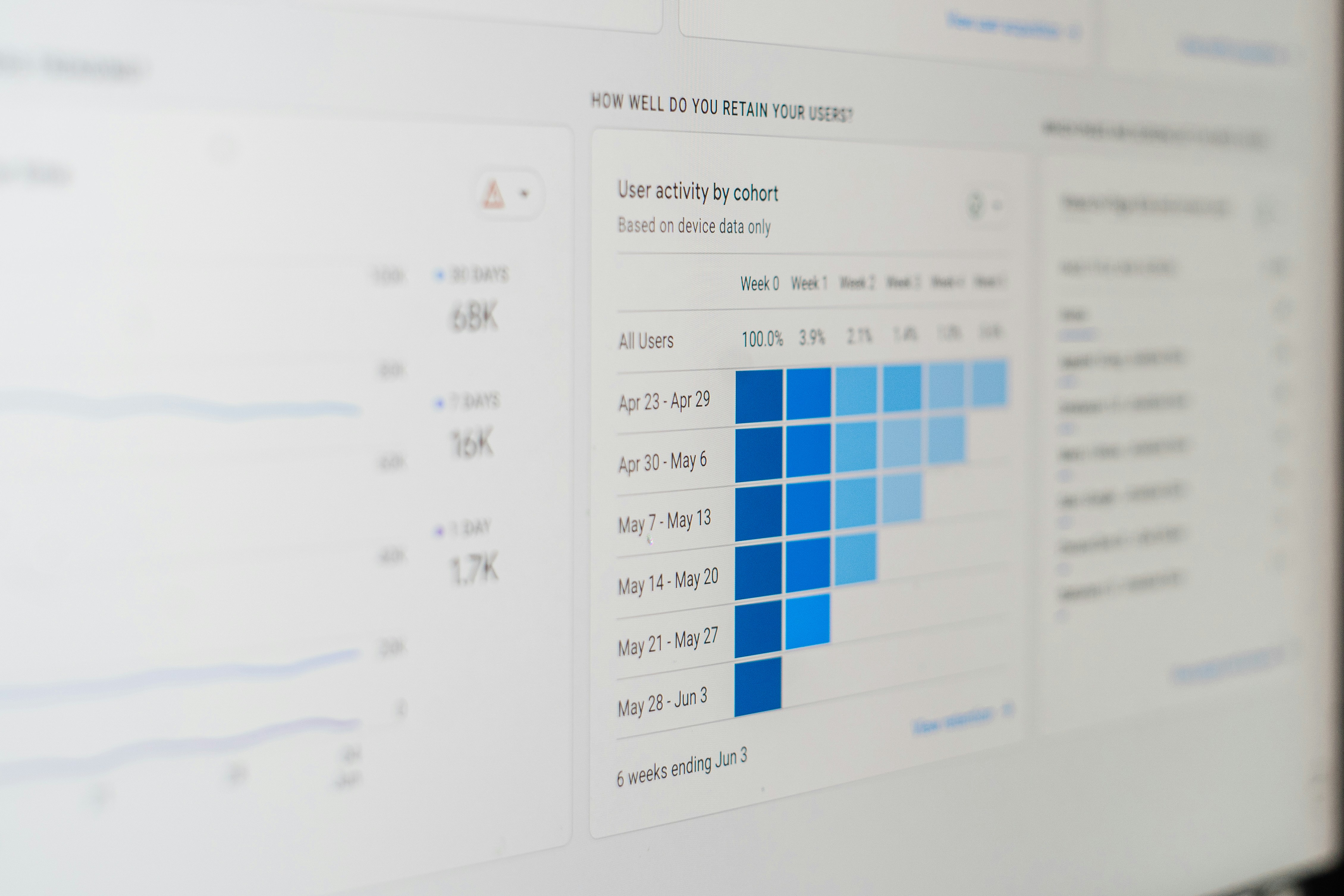
Introduction to Looker Jepto and Power BI
In the rapidly evolving landscape of business intelligence (BI) and data analytics, organizations are increasingly leveraging various tools to glean meaningful insights from their data. Two noteworthy platforms in this domain are Looker Jepto and Power BI. Looker Jepto is a modern BI tool renowned for its robust data exploration and visualization capabilities, empowering users to interpret complex datasets and generate intuitive reports. Its unique modeling language, LookML, allows data analysts to create sophisticated analytics experiences, making data more accessible and actionable for decision-makers.
On the other hand, Power BI, developed by Microsoft, stands out for its user-friendly experience and powerful integration with other Microsoft products. Power BI provides an extensive suite of tools for transforming raw data into insightful visualizations. With features like real-time dashboards, automated reporting, and advanced analytics capabilities, Power BI caters to a diverse range of users from novices to seasoned analysts. Both Looker Jepto and Power BI share the common goal of enhancing data-driven decision-making through effective analysis and presentation.
The increasing demand for integrating various business intelligence tools stems from organizations seeking to optimize their reporting processes. By combining the strengths of Looker Jepto and Power BI, businesses can create a synergistic environment that enhances their analytical capabilities. This integration enables users to leverage Looker Jepto’s powerful data modeling with Power BI’s rich visualization tools, ultimately leading to more informed strategies and improved performance. In today’s data-centric world, the synergy of these tools exemplifies the evolving nature of business intelligence and the continuous quest for enhanced decision-making capabilities.
Benefits of Connecting Looker Jepto to Power BI
Integrating Looker Jepto with Power BI presents numerous advantages, significantly enhancing the data analysis and visualization capabilities for organizations. One of the most notable benefits is the improvement in data visualization. By merging the advanced data modeling features of Looker Jepto with the robust visualization tools offered by Power BI, users can create more insightful dashboards that represent complex data sets in an easily digestible format. This synergy allows for the production of visuals that clearly convey trends, patterns, and key metrics, making the data more accessible and actionable for stakeholders.
Moreover, the integration fosters real-time analytics, a critical aspect for organizations that rely on timely data for decision making. With Looker Jepto’s ability to pull and analyze data swiftly and Power BI’s capability to visualize this information instantaneously, businesses are empowered to monitor their performance and market conditions in real-time. This immediacy ensures that teams can respond to shifts in data analytics without delay, allowing for proactive rather than reactive strategies.
Another significant advantage of connecting Looker Jepto to Power BI is the enhancement of collaboration among teams. When multiple departments utilize the same integrated platform, it promotes a unified approach to data utilization. Team members can share insights and dashboards easily, fostering a culture of collaboration and informed decision-making. The ability to explore data collectively leads to a better understanding of various perspectives within the organization, ultimately guiding more strategic initiatives and operations.
In summary, the benefits of combining Looker Jepto with Power BI include improved data visualization, real-time analytics, and enhanced team collaboration. These advantages collectively contribute to a more efficient and informed decision-making process, underscoring the vital role of effective data integration in today’s data-driven business environment.
Pre-requisites for Integration
To successfully integrate Looker Jepto with Power BI, certain prerequisites must be established to ensure a seamless process. Primarily, it is essential to utilize compatible software versions. For Looker Jepto, ensure that you are using the latest version, as compatibility issues may arise with older releases. For Power BI, version updates should also be checked, as enhancements and bug fixes in newer versions could significantly impact integration performance and functionality.
In addition to software compatibility, appropriate permissions are critically important. Users must have access to both Looker Jepto and Power BI environments. This typically includes having administrative privileges in both platforms to allow for the configuration of data sources and the execution of necessary API calls. Without proper permissions, users may encounter barriers when attempting to establish a connection, leading to frustration and delays in the integration process.
Furthermore, network configurations should allow communication between Looker Jepto and Power BI. This may involve adjusting firewall settings or ensuring that whitelisted IP addresses are accurately set up, enabling data transmission without hindrance. Both platforms should be reachable to confirm successful API authentication, which is crucial for data sharing and reporting purposes.
Lastly, consulting the official documentation or knowledge base for both Looker Jepto and Power BI can provide additional insights regarding any unique requirements relevant to your industry or specific use cases. These resources often include troubleshooting tips and best practices that can mitigate potential issues during integration.
Step-by-Step Guide to Connect Looker Jepto to Power BI
Integrating Looker Jepto with Power BI allows users to harness the power of data visualization and analytics from both platforms. To facilitate this process, we will break down the integration into manageable steps. Each step is designed to ensure clarity and ease of execution for users.
First, begin by ensuring that you have the necessary access rights to both Looker Jepto and Power BI. Familiarize yourself with your organization’s Looker Jepto instance and confirm that you have the appropriate permissions to retrieve data. In Power BI, ensure that the latest version is installed to support integration functionalities.
Next, initiate the connection from Power BI to Looker Jepto. Open Power BI Desktop and navigate to the “Get Data” option found in the Home ribbon. From the list of available data sources, select “Web” to create a new data source. In the URL field, input the Looker Jepto API endpoint that points to the desired data. It’s important to append the specific query parameters needed to retrieve the data you wish to analyze.
Once the API endpoint is established, you will be prompted to provide authentication details. Using your Looker credentials, authorize Power BI to access data on your behalf. After successfully establishing the connection, Power BI will display the available datasets from Looker Jepto.
Now, select the relevant data tables you wish to import and click on “Load” to retrieve the data into Power BI. It may take a few moments for larger datasets to load completely. Once the data is imported, take the time to review the query to ensure it accurately reflects the information needed for your analytics and reporting.
After confirming the dataset is correct, you can begin constructing visualizations in Power BI. Customize reports to suit your analytical needs by utilizing the robust features within Power BI. This seamless integration between Looker Jepto and Power BI facilitates a powerful data-driven approach for businesses seeking visual analytics.
Tips for Optimizing Data Integration
Integrating Looker Jepto with Power BI can significantly enhance your data analysis capabilities. To ensure a seamless data integration experience, several actionable tips and best practices should be embraced. The importance of data cleansing cannot be overstated; it is essential to ensure that your data is accurate, consistent, and free from duplicates. This means implementing data validation procedures prior to the integration process. Establishing data quality rules will aid in identifying errors, allowing users to correct them before feeding the data into Power BI.
Efficient data modeling is another crucial aspect of successful integration. When designing your data model, consider adopting a star schema or snowflake schema, as these architectures can enhance query performance and simplify data analysis. By structuring your data appropriately, you can minimize complexity and decrease the time it takes for Power BI to retrieve and process the information. Furthermore, it is advisable to limit the number of columns in your tables to those that are truly necessary for your analysis. This will not only streamline the data model but also improve Power BI’s performance.
Leveraging the full suite of Power BI features can also contribute to better integration performance. For instance, using DirectQuery can allow real-time data access, ensuring that users are working with the most current information available. Additionally, incorporating incremental data refreshes can help in updating data without reloading entire datasets, thereby saving time and resources. Power BI’s built-in capabilities for creating dashboards and reports can also be utilized effectively by ensuring the data is categorized correctly, enabling better graphical representation and insights.
Overall, optimizing data integration between Looker Jepto and Power BI requires a combination of thorough data preparation, efficient modeling practices, and effective use of Power BI’s features. By implementing these strategies, organizations can greatly enhance their data analytics capabilities and achieve valuable insights.
Common Challenges and Solutions
Integrating Looker Jepto with Power BI can present several challenges that users might encounter during the process. Understanding these common issues can help in troubleshooting and finding effective solutions. One prevalent challenge is data compatibility. Users often face difficulties when the data structures and formats from Looker Jepto do not align seamlessly with the requirements of Power BI. To overcome this, it is essential to conduct a thorough data mapping exercise before commencing the integration. Ensuring that the data types, such as date formats and categorical variables, match their intended usage in Power BI can vastly improve compatibility and reduce errors.
Another frequent issue is performance bottlenecks. This can occur when the datasets being transferred from Looker Jepto to Power BI are excessively large or poorly optimized. Slow query performance can lead to frustration and hinder effective data analysis. A viable solution is to optimize the workload by filtering data at the source whenever possible. Utilizing Looker Jepto’s filtering capabilities can reduce the amount of data being transferred and enhance the overall performance during the integration process. Additionally, regularly reviewing and optimizing Power BI models can help maintain performance levels.
Moreover, users may encounter authentication issues that can prevent a smooth data flow between Looker Jepto and Power BI. These issues may arise due to mismatched credentials or outdated tokens. To address this, it is advisable to ensure that credentials are regularly updated and that authentication settings are configured correctly in both platforms. Implementing a consistent credential management strategy can help mitigate these challenges.
Identifying common obstacles such as data compatibility, performance bottlenecks, and authentication issues enables users to effectively address them. Through proper planning and systematic troubleshooting, integrating Looker Jepto with Power BI can become a more manageable endeavor.
Use Cases and Examples of Looker Jepto and Power BI Integration
The integration of Looker Jepto with Power BI offers a multitude of avenues for businesses to enhance their data analysis and reporting capabilities. In various industries, organizations leverage this combination to improve business intelligence and drive informed decision-making. One notable application is in the retail sector, where companies utilize Looker Jepto to pull real-time sales data and customer insights. This information is then visualized in Power BI, allowing stakeholders to spot trends, forecast demand, and adjust inventory more proactively.
In the healthcare field, hospitals and clinics employ the integration to streamline patient care reporting. By using Looker Jepto to gather data on patient outcomes, treatment efficacy, and operational efficiency, healthcare administrators can visualize this comprehensive dataset in Power BI. This enables them to identify areas needing improvement, manage resources effectively, and ultimately enhance patient outcomes through data-driven strategies.
The financial services industry also benefits significantly from this integration. Financial analysts utilize Looker Jepto to extract and analyze complex datasets related to market trends, portfolio performance, and risk analysis. By integrating this data into Power BI, they can create dynamic dashboards that present crucial financial indicators clearly and concisely. This insight allows for timely investment decisions and better risk management practices.
Furthermore, marketing teams employ Looker Jepto and Power BI integration to analyze campaign performance metrics. By pulling data on customer engagement, conversion rates, and ROI through Looker Jepto, marketers can visualize campaign success in Power BI. This empowers them to make data-informed adjustments to their strategies, ultimately driving greater effectiveness and return on marketing investment. As evidenced across multiple sectors, the integration of Looker Jepto and Power BI proves to be a transformative force in enhancing reporting capabilities and bolstering business intelligence across different contexts.
Conclusion and Future Trends in BI Integration
In the rapidly advancing field of business intelligence (BI), the integration of tools such as Looker Jepto and Power BI signifies a transformative approach to data analysis and visualization. Throughout this guide, we explored the various functionalities that enable organizations to harness the full potential of their data repositories. The seamless integration capabilities offered by Looker Jepto not only streamline data processes but also enhance the decision-making framework by providing real-time insights. Power BI complements this with its robust visualization features, enabling users to create interactive dashboards that bring data to life.
As organizations increasingly rely on data-driven strategies, the need for effective integration of BI tools becomes paramount. The collaborative nature of Looker Jepto and Power BI empowers users to gain a comprehensive view of their operations, facilitating improved performance and optimization. This synergy also demonstrates how businesses can leverage diverse data sources to improve accuracy and depth of analysis, ensuring that stakeholders are equipped with relevant insights for informed decision-making.
Looking ahead, the future of BI integration is poised for growth, particularly with advancements in artificial intelligence and machine learning. These technologies promise to enhance analytics capabilities further, enabling predictive analytics that can lead to proactive organizational strategies. The ongoing evolution towards cloud-based solutions also suggests an increasing demand for seamless integration across various platforms, making it essential for companies to remain adaptable and knowledgeable about these advancements.
Ultimately, staying up-to-date with the latest technological trends will be crucial for businesses seeking to optimize their BI strategies. By embracing the integration of tools like Looker Jepto and Power BI, organizations can unlock new levels of efficiency and insight, positioning themselves for success in an increasingly data-centric landscape.
Further Resources and Contact Information
For readers seeking additional information regarding the integration of Looker Jepto with Power BI, we have compiled a list of valuable resources that can enhance your understanding and assist in your journey. Whether you are new to Looker Studio Reporting or looking to deepen your knowledge, these links provide comprehensive insights into the features and functionalities of this powerful analytics tool.
First and foremost, we invite you to visit our service page for Looker Studio Reporting. This page offers an overview of our services related to Looker, including detailed descriptions of the reporting capabilities and how they can be leveraged within Power BI. By exploring this resource, you will gain a clearer understanding of the advantages that Looker Studio Reporting can provide in your data analytics efforts.
Additionally, for further queries or assistance, feel free to reach out through our contact page. Here, you can submit your questions or request support related to Looker Jepto integration and its capabilities in Power BI. Our team is readily available to help you navigate any challenges you might face, ensuring that you utilize Looker effectively within your analytics environment.
Furthermore, we encourage you to visit our blog page for more related content. This platform hosts a variety of articles that cover numerous aspects of Looker and Power BI integration, offering insights, tips, and best practices to enhance your analytical skills. By engaging with our blog, you can stay updated with the latest trends and developments in the field of data reporting and visualization.