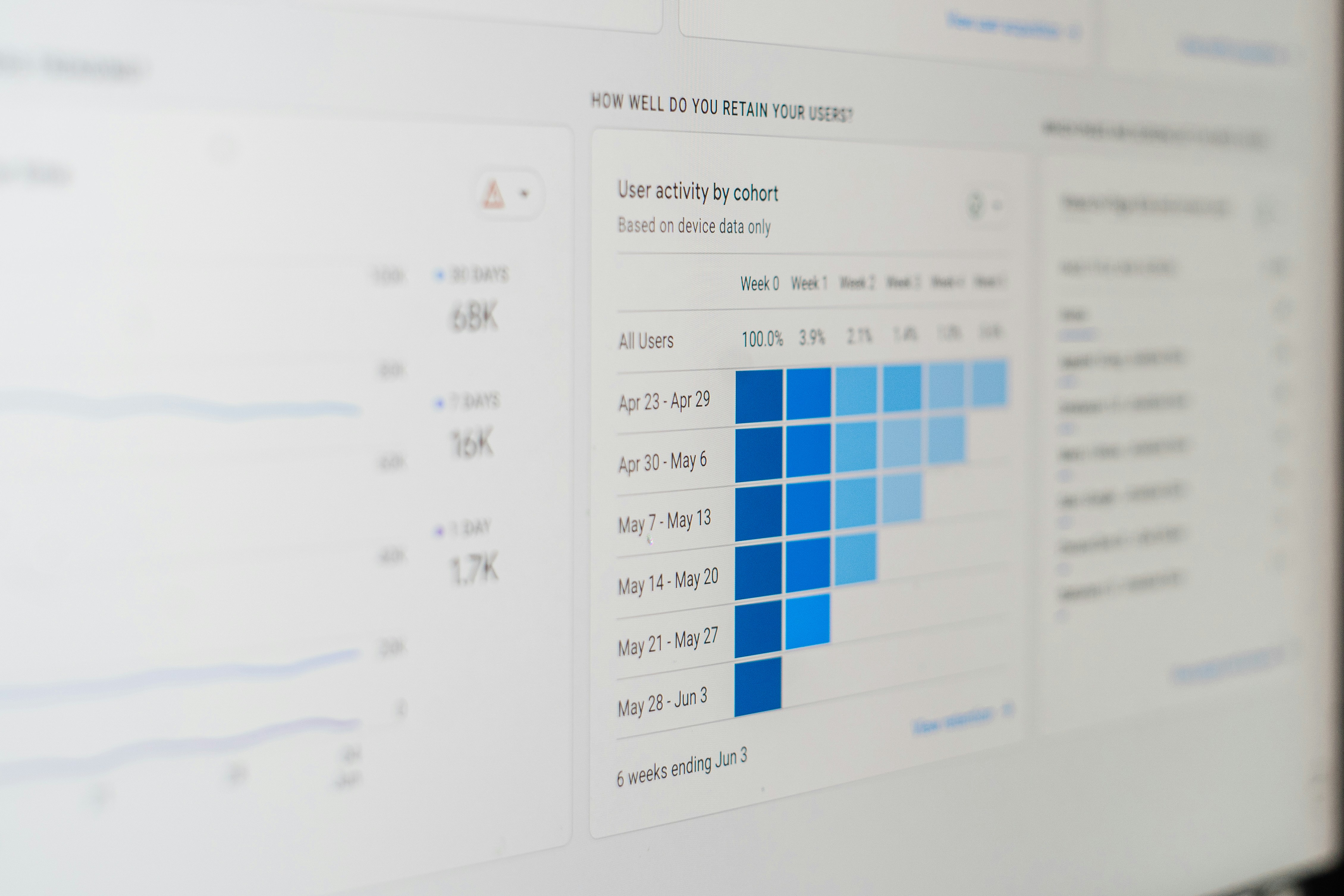
Introduction to Looker and GCP Integration
Looker is a modern data platform that facilitates business intelligence by enabling organizations to explore, analyze, and visualize their data in user-friendly ways. It empowers teams to make data-driven decisions through real-time analytics and intuitive data queries. By leveraging LookML, a modeling language specific to Looker, users can create powerful and reusable data models, ensuring consistency and accuracy across reports. Notable features include an interactive dashboard, rich data visualization tools, and the ability to embed insights directly into applications, which enhances accessibility for non-technical users.
On the other hand, Google Cloud Platform (GCP) is a suite of cloud computing services that provides a robust infrastructure for data storage, processing, and analysis. GCP supports a variety of features such as BigQuery for data warehousing, Cloud Storage for scalable storage solutions, and Dataflow for stream and batch processing. By utilizing GCP, businesses can benefit from high scalability, security, and integration capabilities with other Google services, which are essential for managing extensive datasets effectively.
The integration of Looker with Google Cloud Platform creates a powerful synergy that significantly enhances an organization’s data visualization and reporting capabilities. This integration allows users to tap into GCP’s vast data resources seamlessly while using Looker’s sophisticated analytical tools to derive actionable insights. One major advantage of this synergy is improved performance; GCP’s cloud infrastructure ensures users can analyze large datasets rapidly, leading to faster decision-making. Moreover, the combination enhances collaboration, as Looker’s sharing and embedding features allow teams to share insights across various departments effortlessly. Thus, understanding the functionality of both Looker and GCP paves the way for organizations looking to optimize their data strategy.
Benefits of Integrating Looker with GCP
The integration of Looker with Google Cloud Platform (GCP) presents numerous advantages that significantly enhance data management and analytics capabilities. One of the most compelling benefits is improved data accessibility. With Looker’s robust connection to GCP, organizations can seamlessly access and analyze vast datasets stored in Google’s infrastructure. This facilitates timely and informed decision-making, as stakeholders can quickly retrieve relevant insights without logistical hindrances.
Another crucial advantage is scalability. GCP’s cloud-based architecture allows businesses to effortlessly scale their data needs according to demand. This flexibility means that as organizations grow, their data analytics capabilities can expand in tandem, ensuring they can handle large volumes of data without compromising performance. This is particularly beneficial for enterprises that experience fluctuating data workloads, as they can optimize their resources effectively.
Real-time analytics is another significant benefit of integrating Looker with GCP. Organizations can swiftly process data as it is generated, enabling them to respond to changing business conditions and customer needs in real time. With the combination of Looker’s powerful business intelligence tools and GCP’s fast data processing capabilities, companies can gain immediate insights that drive strategic initiatives and operational improvements.
Furthermore, the integration fosters enhanced collaboration across teams. Looker’s data visualization features allow different departments, such as marketing, sales, and finance, to share insights and work together more effectively. By breaking down data silos, teams can collaborate on shared objectives and leverage a single source of truth for their analytics. This collaborative environment supports data-driven decision-making, ensuring that all stakeholders are aligned and informed. Overall, the integration of Looker with GCP creates a powerful platform for organizations aiming to harness the full potential of their data.
Setting Up Your GCP Environment for Looker
Integrating Looker with Google Cloud Platform (GCP) begins with setting up an appropriate GCP environment that is conducive to data analytics and visualization. The first step is to create a GCP project which serves as a container for your resources. To do this, navigate to the Google Cloud Console and click on the project drop-down menu. From there, select ‘New Project.’ You will need to provide a name for your project, which should be descriptive enough for future reference, and you can also define an organizational structure if applicable. Once created, this project will allow you to configure GCP resources specifically for Looker.
Next, enabling relevant APIs is crucial for the proper functioning of Looker within your GCP environment. The primary API you need to enable is the BigQuery API, which allows Looker to access and analyze data stored in Google BigQuery. To enable the API, go to the APIs & Services section in the Google Cloud Console, click on ‘Library,’ and search for ‘BigQuery API.’ After finding it, simply click on ‘Enable.’ Furthermore, you may want to enable other APIs depending on your specific use cases, such as the Lifelike APIs or Google Cloud Storage API, if relevant to data management needs.
Finally, configuring permissions ensures that Looker has the necessary access to interact with the data on GCP. This step involves setting up Identity and Access Management (IAM) roles for users and service accounts. You should grant the service account used by Looker the BigQuery User role at minimum, as this will allow it to run queries and access datasets within your BigQuery environment. Ensure your team members have the requisite roles assigned to facilitate collaborative analysis while maintaining data security standards.
Connecting Looker to GCP Data Sources
Establishing connections between Looker and various Google Cloud Platform (GCP) data sources is critical for robust data analysis. This section provides step-by-step instructions to seamlessly connect Looker with two key GCP services: Google BigQuery and Cloud SQL.
To start, ensure that you have administrative privileges in your GCP and Looker accounts. For Google BigQuery, navigate to the Looker Admin panel. Here, locate the “Connections” tab and select “New Connection.” Enter a suitable name for your connection and select “BigQuery” as your database dialect.
Next, you will need to provide the required authentication details. Choose the appropriate authentication method, either by using a service account key or OAuth credentials. If you opt for a service account, upload the JSON key file associated with your service account. It is essential for the service account to have adequate permissions to access your BigQuery datasets. After entering your credentials, specify the project ID where your data resides. It’s advisable to test the connection to ensure it is functioning correctly before saving.
For connecting Looker to Cloud SQL, repeat the process by selecting “New Connection” under the “Connections” tab in the Looker Admin panel. This time, choose “Cloud SQL” as your database dialect. Input a connection name, followed by the instance connection name and any necessary database details. You will also need to enter the appropriate user credentials, ensuring this user has access to the Cloud SQL instance and the specific database you need.
Once all information is filled in, remember to test the connection prior to saving it. Upon successful setup, you can now leverage data from your GCP sources within Looker, allowing you to conduct comprehensive analyses and make data-driven decisions.
Creating Looker Reports Using GCP Data
Creating reports in Looker using data sourced from Google Cloud Platform (GCP) can greatly enhance your data analysis capabilities. The integration of Looker with GCP allows users to leverage cloud data efficiently, making it easier to build insightful and informative dashboards. To begin this process, it is crucial to establish a solid data connection between Looker and GCP, enabling seamless data retrieval and management.
Once the data connection is established, the next step is to build effective dashboards. To do this, one must identify key performance indicators (KPIs) and metrics that matter most to stakeholders. Utilizing LookML, Looker’s modeling language, users can define custom metrics that accurately reflect organization-specific needs. LookML allows for flexible data modeling, enabling users to create dimensions, measures, and explores that enhance the reporting capabilities within Looker. This customization is vital in ensuring that the reports generated are truly reflective of the underlying data strategies.
Moreover, Looker’s visualization tools play a significant role in presenting data insights. Users can choose from a variety of visualization options including tables, charts, and graphs that best depict the data. These visualization tools not only help in making data interpretable but also allow users to drill down into the specifics, uncovering hidden trends and patterns. Integrating filters and parameters into visualizations further empowers users to dig deeper into the data and tailor reports that meet their investigative needs.
In conclusion, creating reports in Looker using GCP data involves establishing a robust data connection, defining relevant metrics through LookML, and utilizing visualization tools effectively. By following these steps, organizations can derive substantial insights from their data, thereby fostering informed decision-making practices.
Best Practices for Looker and GCP Integration
Integrating Looker with Google Cloud Platform (GCP) offers organizations a powerful way to leverage data analytics; however, maintaining an efficient connection requires adherence to best practices tailored for optimal performance and security. One fundamental aspect is optimizing query performance. This can be achieved by leveraging GCP’s BigQuery features, such as partitioned tables and clustering, which help to improve response times by reducing the amount of data scanned during queries. Additionally, using Looker’s native caching capabilities can significantly enhance the speed of data retrieval, minimizing the need for repeated queries on the same datasets.
Securing data access is another critical practice in Looker and GCP integration. Implementing robust authentication and authorization mechanisms ensures that only authorized users can access sensitive data. GCP Identity and Access Management (IAM) should be configured to provide role-based access, thereby restricting data exposure according to user needs and ensuring regulatory compliance. Furthermore, implementing SSL encryption for data in transit and using service accounts to manage Looker’s interaction with GCP will bolster the security framework.
Effective management of data models significantly contributes to a seamless integration. It is essential to regularly review and refine Looker’s data models to align with the evolving business requirements and data structures. This process helps prevent model bloat and enhances the overall performance by ensuring that only relevant data fields are considered. Additionally, version control in Looker is paramount. Utilizing Git-based version control allows teams to track changes, facilitate collaboration, and quickly revert to previous versions if necessary. Establishing a standardized process for updating and deploying Looker content fosters consistency and reduces errors, ultimately ensuring a reliable analytical environment.
Common Challenges and Troubleshooting Tips
Integrating Looker with Google Cloud Platform (GCP) can yield significant insights and data-driven decisions. However, users may encounter various challenges during this integration process. Recognizing and addressing these potential issues is crucial for a seamless experience. One of the most common problems is connection errors, which can arise from incorrect authentication settings or network issues. To minimize connection problems, users should ensure that the service account used has the necessary permissions to access the required GCP services. Additionally, verifying the firewall settings to allow traffic on the designated ports is essential.
Another challenge often faced during the integration is data discrepancies. This situation may occur due to differences in data formats, dimensions, or aggregations in Looker versus the source data in GCP. Users should perform thorough data validation and maintain consistent data models between Looker and the underlying GCP data sources. By implementing accurate filters and model definitions, users can significantly reduce the risk of data mismatches, leading to more reliable reporting.
Performance bottlenecks can also present significant obstacles when utilizing Looker with GCP. Slow querying speeds may stem from poorly optimized queries or insufficient resource allocation. To address these performance issues, users should leverage GCP’s BigQuery optimizations, such as denormalizing tables and partitioning datasets. Furthermore, utilizing Looker’s built-in caching features can enhance performance by reducing query response times.
To proactively troubleshoot these issues, users are encouraged to monitor performance metrics through GCP’s monitoring tools, which can provide insights into system behavior and identify areas for improvement. By addressing these common challenges with targeted strategies, users can effectively harness the full potential of Looker within the Google Cloud Platform ecosystem.
Case Studies: Successful Looker and GCP Integrations
Integrating Looker with Google Cloud Platform (GCP) has empowered numerous businesses to leverage their data more effectively. This section provides insights into real-world case studies from diverse industries showcasing how these integrations have transformed operations and decision-making.
One noteworthy example comes from a leading e-commerce company that faced significant challenges in data visualization and analytics. With numerous data sources and a growing customer base, they struggled to extract actionable insights. By integrating Looker with GCP, they streamlined their data pipeline and created consolidated views of customer interactions. This integration enabled them to implement targeted marketing strategies, resulting in a 25% increase in conversion rates within six months. The ease of access to customizable dashboards allowed teams to make data-driven decisions swiftly, enhancing overall agility.
Another case involved a financial services firm that needed to modernize its reporting capabilities while ensuring compliance with regulatory requirements. The firm adopted Looker for its robust data exploration capabilities and connected it to GCP’s BigQuery. This integration offered a secure, scalable environment that supported complex queries across large data sets. As a result, the firm reduced the time required for producing monthly reports from weeks to just a few days, greatly improving operational efficiency. Additionally, the use of Looker facilitated a culture of data transparency within the organization.
In the healthcare sector, a hospital network utilized Looker in conjunction with GCP to analyze patient data more effectively. They faced challenges with fragmented data across various departments. The integration allowed them to create a unified data model, enabling timely access to patient metrics and treatment outcomes. This project not only improved patient care but also enhanced resource allocation, showcasing how critical data analytics can advance healthcare delivery.
These examples illustrate the versatility and impact of integrating Looker with Google Cloud Platform, showcasing significant improvements across different sectors. As businesses navigate their unique challenges, the adoption of such integrated solutions can drive measurable success.
Resources for Further Learning
To further enhance your understanding of integrating Looker with Google Cloud Platform (GCP), a variety of resources are available that cater to different learning preferences. The official documentation stands as a primary source of information. Google provides extensive documentation on both Looker and GCP, detailing functionalities, features, and integration processes. These documents serve as an essential starting point and can be accessed directly through the respective platforms’ websites.
In addition to official documentation, numerous tutorials are available online that walk users through the practical implementation of Looker in a GCP environment. Websites like Coursera and Udemy offer structured courses where users can learn at their own pace. These tutorials often include video content and hands-on projects, making them a valuable resource for both beginners and experienced users looking to refine their skills.
Community forums provide an excellent platform for engaging with others who are exploring Looker and GCP integration. Websites such as Stack Overflow and the Looker Community forums allow users to ask questions, share insights, and troubleshoot issues collectively. Engaging in these communities not only aids in problem-solving but also fosters networking with professionals who share similar interests.
Webinars and online workshops are increasingly popular for individuals seeking live interaction with experts. Google frequently hosts webinars that cover best practices for working with Looker and GCP. Participating in these webinars can provide real-time answers to questions and offer insights into advanced features that may not be covered in standard tutorials.
Lastly, consider exploring articles and case studies published by industry leaders and technology blogs. These resources often provide practical insights and examples of successful Looker and GCP integrations, offering readers a broader perspective on potential applications in real-world scenarios. All these resources combined create a comprehensive learning path for those eager to master the integration of Looker with Google Cloud Platform.