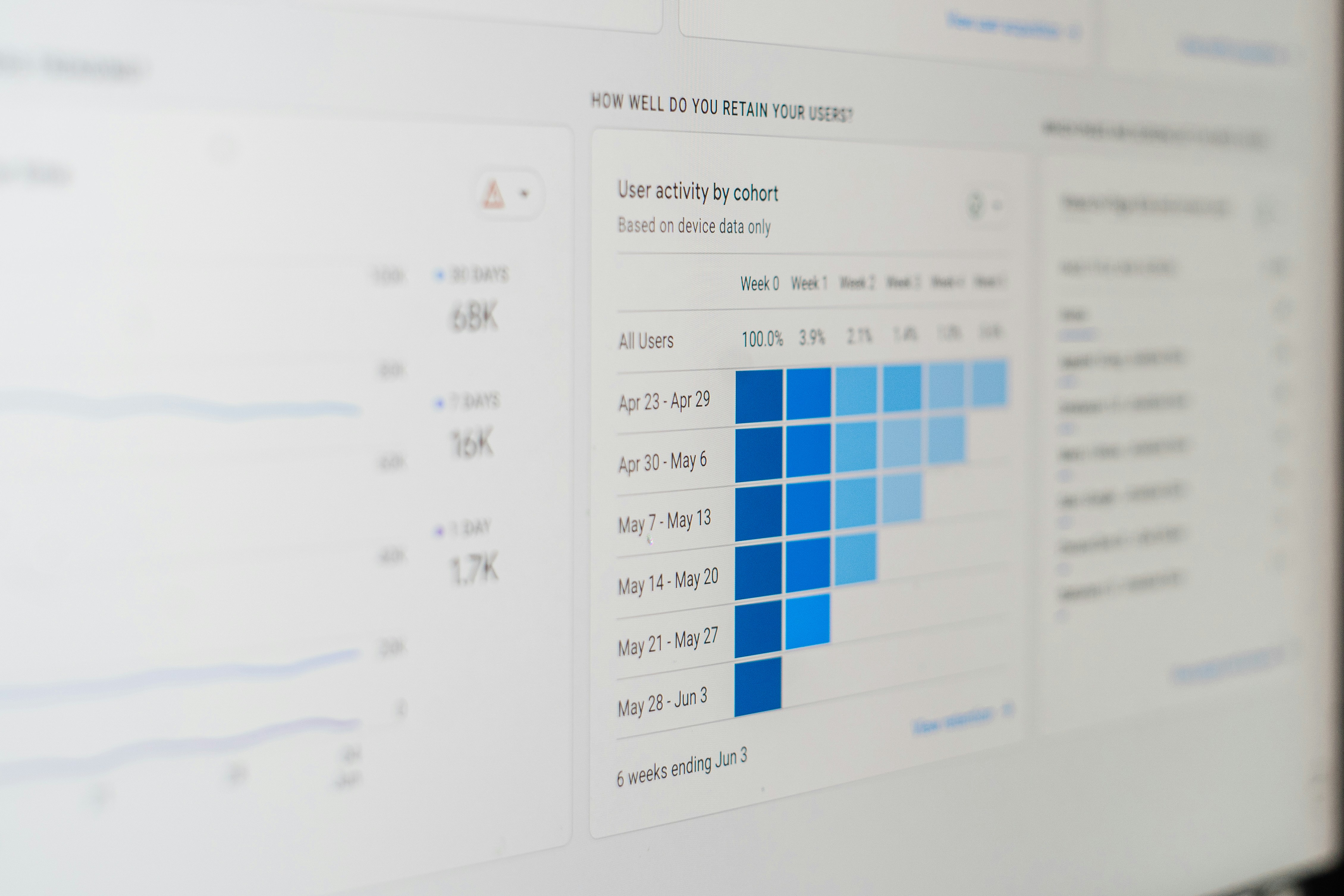
Introduction to Looker and Jepto Management System
In the contemporary business landscape, data-driven decision-making has become paramount. Looker is a robust data analytics and business intelligence platform that empowers organizations to harness the power of their data. With its user-friendly interface and comprehensive features, Looker allows users to create custom reports and dashboards that reflect real-time data insights. The platform utilizes a unique modeling language, LookML, which facilitates the transformation of data into visual representations, enabling stakeholders to explore and interpret data effortlessly.
On the other hand, Jepto is a focused management system designed to enhance decision-making through effective performance tracking and reporting. It offers a suite of tools for monitoring key performance indicators (KPIs), providing businesses with critical insights that drive strategic initiatives. Jepto’s capabilities extend to automating reports and dashboards that provide stakeholders with actionable information, thus simplifying the complexities involved in performance management. By integrating data from various sources, Jepto helps businesses maintain a comprehensive view of their operations and performance metrics.
The integration of Looker and Jepto presents a compelling opportunity for businesses to leverage their strengths. By combining Looker’s advanced data analytics capabilities with Jepto’s performance management features, organizations can gain a holistic understanding of their operations and make informed decisions based on consolidated insights. This synergy not only streamlines reporting processes but also enhances the overall value derived from data analysis. Businesses aiming for effective strategic planning will benefit significantly from this integration, allowing for enhanced visibility and improved performance management across departments.
Benefits of Integrating Looker and Jepto
Integrating Looker with the Jepto Management System offers numerous advantages that significantly enhance business operations. One of the primary benefits of this integration is enhanced data visualization. Looker’s robust analytics capabilities allow users to transform data into interactive dashboards and reports, making complex data sets more understandable. By merging this with Jepto’s management tools, businesses can visualize their key performance indicators (KPIs) more effectively, facilitating better comprehension of trends and patterns.
Improved reporting accuracy is another notable benefit. Looker ensures that data is sourced from reliable databases, thereby minimizing discrepancies caused by human error. When integrated with Jepto, companies can automate data reporting processes, ensuring that stakeholders receive real-time insights that are accurate and actionable. This accuracy in reporting directly correlates with enhanced decision-making capabilities as managers can rely on precise data to formulate strategies and drive growth.
Streamlining workflows is a further advantage that cannot be overlooked. The integration allows teams to share data seamlessly between Looker and Jepto, reducing the time spent on manual data entry and reconciliation. This efficiency transfer not only speeds up operations but also allows employees to focus on value-adding tasks rather than administrative work. For example, a marketing team using Looker to analyze campaign performance can quickly communicate insights through Jepto, allowing for timely adjustments to strategies.
Ultimately, integrating Looker with the Jepto Management System can lead to superior decision-making capabilities. Organizations can harness real-time data analysis, aligning operational processes with strategic goals. Overall, these advantages lead to improved business outcomes and foster a culture of data-driven decision-making that is essential in today’s dynamic market landscape.
Pre-Requisites for Integration
Integrating Looker with the Jepto Management System requires certain essential prerequisites to ensure a smooth and effective connection. Understanding these preliminary requirements will facilitate a simplified integration process and optimize the functionality of both systems.
First, users should ensure they have adequate access permissions. This means obtaining administrative rights for both Looker and Jepto to allow the necessary configurations and adjustments throughout the integration. Without the suitable access permissions, the integration could face significant challenges, such as an inability to leverage data effectively or limit the scope of reporting capabilities.
Next, users need to possess a basic proficiency in SQL and data visualization tools. Familiarity with SQL will aid in manipulating and querying the datasets from both Looker and Jepto, which is crucial for proper integration. Similarly, understanding data visualization concepts will enable users to create compelling reports that harness the power of both platforms seamlessly.
System compatibility is another cornerstone of a successful integration. It is vital to verify that both Looker and Jepto are operating on their latest versions. Software updates not only introduce new features but also improve system stability and address potential vulnerabilities. Users should consult the documentation of both platforms to determine the specific version requirements for integration.
Lastly, consider any additional tools or middleware that may be necessary for the integration. These can include API management tools and ETL (Extract, Transform, Load) software, which facilitate the flow of data between Looker and Jepto. Having access to these tools can significantly enhance the integration process, making it more efficient and effective.
Step-by-Step Guide to Connect Looker with Jepto
Connecting Looker with the Jepto Management System is a critical task that requires careful attention to detail and a clear understanding of the necessary components involved in the integration process. This guide will outline the steps you need to follow to achieve a seamless connection between these two powerful platforms.
To begin, ensure that you have administrative access to both Looker and Jepto. Accessing your Jepto account is crucial, as you will need to locate your API keys. To do this, log into your Jepto account, navigate to the settings, and find the API section. You will need to generate the API key if you do not already have one, as this will serve as the identification for your Looker connection requests.
Once you have obtained the API key, you can proceed to Looker. In your Looker instance, go to the Admin panel and navigate to the Connections section. Here, you’ll need to set up a new connection. Click on the “Add Connection” button and fill in the required fields. For the connection name, provide a meaningful identifier, such as “Jepto Integration.” In the database configuration details, select the appropriate connection type. This may frequently be either a SQL database or a REST API, depending on how Jepto structures its data.
In the connection settings, input the API key that you obtained from Jepto into the required field for API authentication. Conclusively, set any additional configuration options, such as timeouts and query caching, according to your operational needs. Once everything is set, you can test the connection within Looker. A successful test indicates that you have properly configured the integration, while a failed test may prompt you to recheck your inputs, ensuring accuracy along the way.
Common Issues and Troubleshooting Tips
Integrating Looker with the Jepto Management System can streamline data analytics and reporting processes; however, it may not be devoid of challenges. Understanding the common issues related to this integration can help users mitigate them promptly. One prevalent problem users often encounter is difficulties with data synchronization. This can arise due to mismatched data formats or discrepancies in database configurations. Ensuring that Looker’s data model aligns seamlessly with Jepto’s can often resolve such issues. Users are advised to double-check field mappings and data types in both platforms to facilitate smooth integration.
Another frequent issue involves authentication errors. These typically occur when the user credentials are incorrect or when there are limitations on the user roles assigned within Jepto. To troubleshoot this, verifying the credentials and working with the account settings within Jepto can help confirm that the user has the necessary permissions to access Looker. It might also be beneficial to reset the API keys and tokens that are utilized for the connection process.
Performance-related issues, such as slow query response times or loading errors, can also arise during the integration. Often, these issues can be traced back to network problems or high data loads. Users should consider optimizing their queries in Looker and checking their network connection stability. Additionally, monitoring Jepto’s server load during peak times can help identify bottlenecks that may affect performance.
Lastly, documentation and support can be crucial when navigating problems. Both Looker and Jepto offer comprehensive support resources, including user guides and community forums, where users can seek assistance. Leveraging these resources can provide guidance in resolving integration issues effectively. By understanding common challenges and leveraging proper troubleshooting techniques, users can enhance their integration experience between Looker and Jepto.
Best Practices for Maintaining Your Integration
Integrating Looker with the Jepto management system can significantly enhance data analysis and reporting capabilities. However, once this integration is established, it is critical to implement ongoing maintenance to ensure smooth operations. Here are some best practices to consider for maintaining your integration effectively.
Firstly, consistent data management is fundamental. Regularly review and clean your data to eliminate duplicates and errors which can lead to inaccurate analytics. Implementing automated data validation processes can significantly enhance data integrity, ensuring that the data visualized in Looker reflects the true state of information stored in Jepto. Establishing a clear protocol for data entry and updating can also facilitate better data practices across your organization.
Secondly, keep your systems regularly updated. Software updates from both Looker and Jepto may introduce new features, security patches, and enhancements that can improve performance and functionality. Schedule routine updates and ensure any changes in the Jepto management system are reflected promptly within Looker to maintain seamless data flow.
Monitoring performance is another crucial aspect of maintaining the integration. Utilize analytics and reporting tools built into Looker to track key performance indicators (KPIs) regularly. By analyzing these metrics, you can identify potential issues early on, allowing immediate corrective action before more significant problems arise. Additionally, maintaining logs of system performance can help in troubleshooting when issues occur.
Lastly, conduct routine audits of your integration. Periodic audits offer an opportunity to assess the effectiveness of your integration processes, data accuracy, and adherence to best practices. This proactive approach ensures continuous improvement and can highlight areas needing adjustments, so your integration remains robust. By implementing these best practices, you can enhance the reliability of the Looker and Jepto integration, ultimately leading to more effective data-driven decisions.
Case Studies: Successful Integrations
The integration of Looker with the Jepto Management System has proven to be a game-changer for numerous businesses across various industries. By closely examining successful case studies, we can gain insight into the tangible benefits these organizations have experienced, showcasing the transformative potential of this synergy.
One notable case is that of a mid-sized retail company that struggled with data fragmentation across multiple platforms. By integrating Looker with Jepto, the company was able to consolidate its data into a single accessible location. This integration facilitated real-time analytics, enabling the retail team to track customer behaviors and preferences more effectively. As a result of this enhanced reporting capability, the business observed a 25% increase in conversion rates within six months, directly attributed to informed decision-making derived from consolidated insights.
Another compelling example comes from a financial services firm that had relied on outdated reporting processes. With the integration of Looker and Jepto, the organization unlocked dynamic dashboards that provided deeper insights into key performance indicators (KPIs). Through advanced data visualization techniques, stakeholders could more readily identify trends and anomalies. Within the first quarter post-integration, the firm noted a 30% reduction in reporting time, which empowered teams to focus on strategic initiatives rather than data compilation.
A technology startup also saw significant improvements after integrating Looker with the Jepto Management System. By leveraging automated reporting features, the startup was able to allocate resources more efficiently and streamline its project management processes. The integration led to a 40% increase in project delivery speed, reflecting the enhanced capabilities that arose from real-time access to actionable data.
These case studies exemplify the powerful impact that the Looker and Jepto integration can have on various operations. Through enhanced reporting and better decision-making capabilities, businesses are not only optimizing their processes but also driving significant growth and efficiency.
Conclusion and Next Steps
In summary, the integration of Looker with the Jepto Management System represents a significant advancement in effective data analysis and reporting capabilities. Throughout this guide, we have examined the numerous benefits of leveraging Looker’s robust data visualization features alongside Jepto’s comprehensive management tools. By establishing this integration, organizations can enhance their data-driven decision-making processes, improve operational efficiencies, and ultimately foster a culture that prioritizes data insights.
To successfully implement this integration, it is crucial for stakeholders to follow the recommendations outlined in our previous sections. This includes understanding the specific requirements of both Looker and Jepto, ensuring compatibility, and adequately training your teams to harness the full potential of these platforms. Organizations should also become familiar with the available resources to facilitate better implementation, such as detailed documentation and support forums that address common integration challenges.
As you consider your next steps, it may be beneficial to consult with experts who specialize in Looker and Jepto integration to ensure a seamless transition. These professionals can provide tailored guidance and support that matches your organization’s unique needs. Additionally, exploring further resources, including in-depth articles and case studies related to Looker Studio Reporting, can supply valuable insights. Interested individuals can access a wealth of information through the following links: Looker Studio Reporting and our blog page.
By taking these next steps, organizations can position themselves at the forefront of data analytics and maximize the potential offered by the synergy between Looker and the Jepto Management System.
Contact Information for Expert Guidance
As organizations look to optimize their data utilization through integrating Looker with the Jepto management system, seeking expert guidance is crucial for a seamless and effective implementation. Whether you have questions regarding the technical aspects, require assistance with initial setup, or need support for troubleshooting any issues, professional advice can make a significant difference in your integration experience.
There are various channels through which you can reach out to industry experts who specialize in Looker and Jepto integrations. These professionals can provide insights based on their extensive experience and help streamline the process to ensure that your teams can utilize the full potential of these powerful tools. One of the most direct methods of contact is through dedicated support services offered by various consulting firms.
For immediate assistance, individuals can visit the contact page of professional experts who have a deep understanding of both Looker analytics and the Jepto management system. This page provides the necessary information to initiate contact, whether it be via email, phone, or a designated contact form. You can access this supportive resource by following this link: Contact Us. By reaching out, you can inquire about personalized guidance, training sessions, and best practices that align with your organization’s unique needs.
In a fast-evolving data landscape, leveraging expert knowledge can certainly facilitate not just the implementation of Looker and Jepto but also help in maximizing their operational capabilities. Engaging with seasoned professionals in the field ensures that organizations are equipped with the right tools and knowledge to succeed in their data-driven endeavors.